
Genetic Erosion and Biodiversity Loss: The Molecular Consequences of Intensive Pesticide Application in the UK
Discuss this resourceUpdated August 2026
An in-depth analysis of how intensive pesticide use in British agriculture drives genetic erosion and undermines the ecological resilience of our landscapes.
Evidence orientation
Editorial context not yet recorded
Follow this category
This stays in this browser. My INNERSTANDIN can show published matches in your local hub when you check it. It does not send email, push, or alert notifications.
Local learning review
A private browser aid for revisiting ideas. It is not an alert or a health recommendation.
Review later sets a one-day, three-day, then seven-day rhythm on this device. Choose it only when you want to revisit this article.
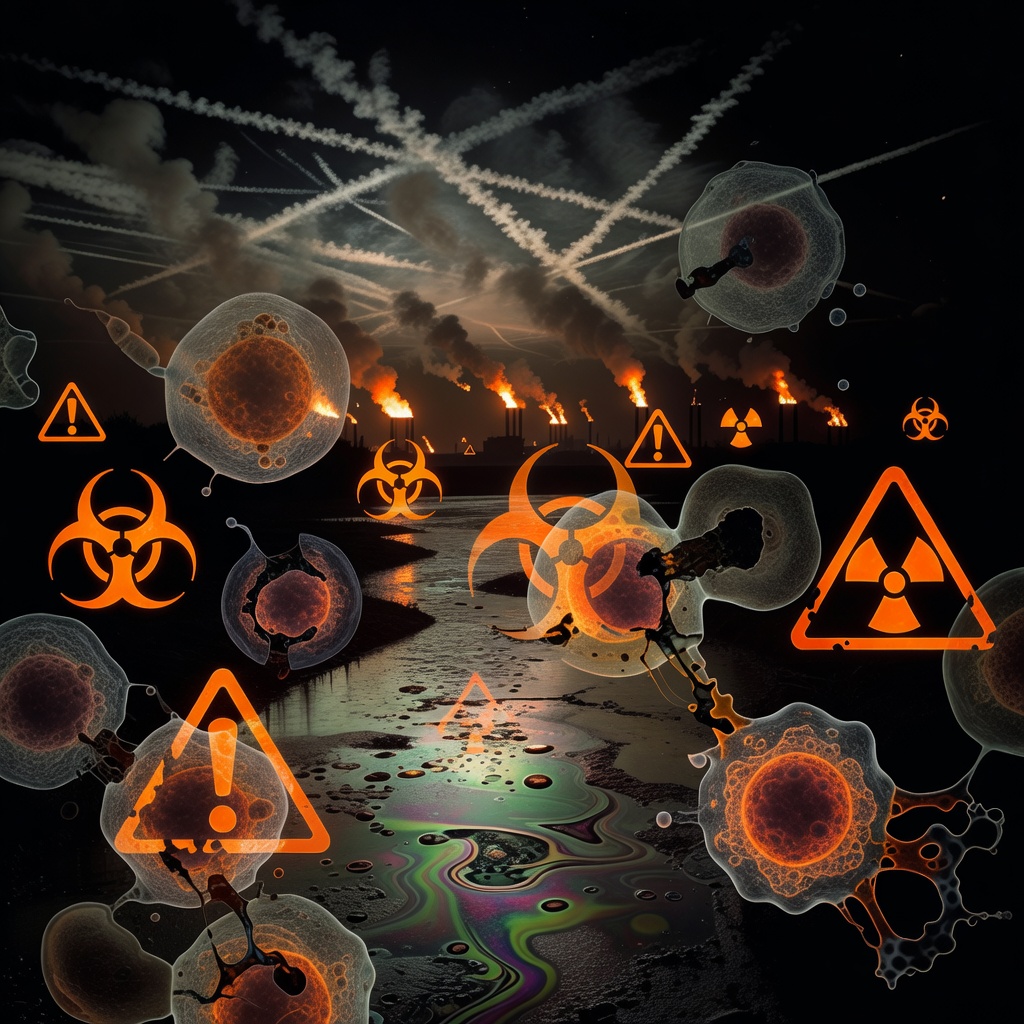
Modern UK agriculture has undergone a radical transformation over the past seventy years, prioritising short-term yields through chemical intensification. While the economic focus remains on output, the ecological cost is being paid at the molecular level. Genetic erosion—the gradual loss of genetic diversity within a population—is the silent byproduct of pesticide dependency, threatening the long-term stability of British ecosystems.
The Molecular Mechanism of Erosion
At the core of the issue is the selective pressure exerted by synthetic herbicides, insecticides, and fungicides. When a pesticide is applied, it does not merely affect the target pest; it alters the environmental pressures acting on local wildlife and soil microbiota. By killing off sensitive strains while allowing resistant variants to survive, farmers are unintentionally engaged in a form of negative selection. Over time, this narrows the gene pool of local species.
In British hedgerows and meadows, insects like the solitary bee are facing a double-edged sword. Chronic exposure to neonicotinoids affects reproductive health and neurobiology, leading to a 'population bottleneck' where only a handful of individuals survive to breed, resulting in a loss of genetic variance that would otherwise protect the species against disease or climate shifts.
Soil Microbiota and Nutrient Cycling
Genetic erosion is not restricted to charismatic megafauna; it is most catastrophic in the rhizosphere. Soil health depends on a diverse genetic tapestry of mycorrhizal fungi, bacteria, and archaea. Pesticides often have non-target effects on these microorganisms, effectively 'sterilising' the biological diversity required for natural nutrient cycling. When microbial diversity collapses, the soil loses its capacity to buffer environmental change, making crops more reliant on synthetic fertilisers and completing a destructive feedback loop.
The UK Context: Monocultures and Landscape Fragmentation
In the UK, the move toward massive monocultures has exacerbated the impact of pesticides. By removing margins and hedgerows, we have eliminated the refugia that allow species to maintain genetic connectivity. Without these corridors, isolated populations inbred, further accumulating deleterious mutations that would have been purged in a larger, healthier population.
Path Toward Resilience
Restoring British biodiversity requires a move away from prophylactic chemical use toward Integrated Pest Management (IPM). By reintroducing diversity into our crop rotations and protecting field margins, we provide the biological infrastructure necessary for natural predators to thrive, reducing the molecular stress on our environment and allowing natural selection to drive robust, adaptive evolution once again.
This article is provided for informational and educational purposes only. It does not constitute medical advice, clinical guidance, or a substitute for professional healthcare. Information reflects cited research at time of publication. Always consult a qualified healthcare professional before acting on any health information.
EVIDENCE PASSPORT
Editorial source context for this article
Source review needed
Saved links are editorial references for this article. They may support specific claims rather than every sentence. Open and assess each source in context. This passport does not independently verify them.
Editorial context
A complete editorial reading has not been recorded for this article, and no source links are saved on its record.
Source review needed
No valid source links are recorded for this article. Supplementary research, where available, is listed separately below.
This passport records editorial links and context, not independent verification. Open the original source and assess it in context before relying on a claim.
Medical Disclaimer
The information in this article is for educational purposes only and does not constitute medical advice, diagnosis, or treatment. Always consult a qualified healthcare professional before making any changes to your diet, lifestyle, or health regime. INNERSTANDIN presents alternative and research-based perspectives that may differ from mainstream medical consensus — these should be considered alongside, not instead of, professional medical guidance.
Read Full DisclaimerContinue the thread
Keep this question moving.
Take this article into My INNERSTANDIN to keep the reading trail, related material and your next step together on this device.
Dig deeper in the Library
Free, longform PDF volumes that go beyond headlines into mechanisms and references.