
Genetic Polymorphisms in Aluminium Detoxification Pathways: Individual Susceptibility to Accumulation
Discuss this resourceUpdated August 2026
An exploration into how specific genetic variations influence the body's ability to excrete aluminium, highlighting why some individuals are at greater risk of neurotoxicity and systemic accumulation.
Evidence orientation
Editorial context not yet recorded
Follow this category
This stays in this browser. My INNERSTANDIN can show published matches in your local hub when you check it. It does not send email, push, or alert notifications.
Local learning review
A private browser aid for revisiting ideas. It is not an alert or a health recommendation.
Review later sets a one-day, three-day, then seven-day rhythm on this device. Choose it only when you want to revisit this article.
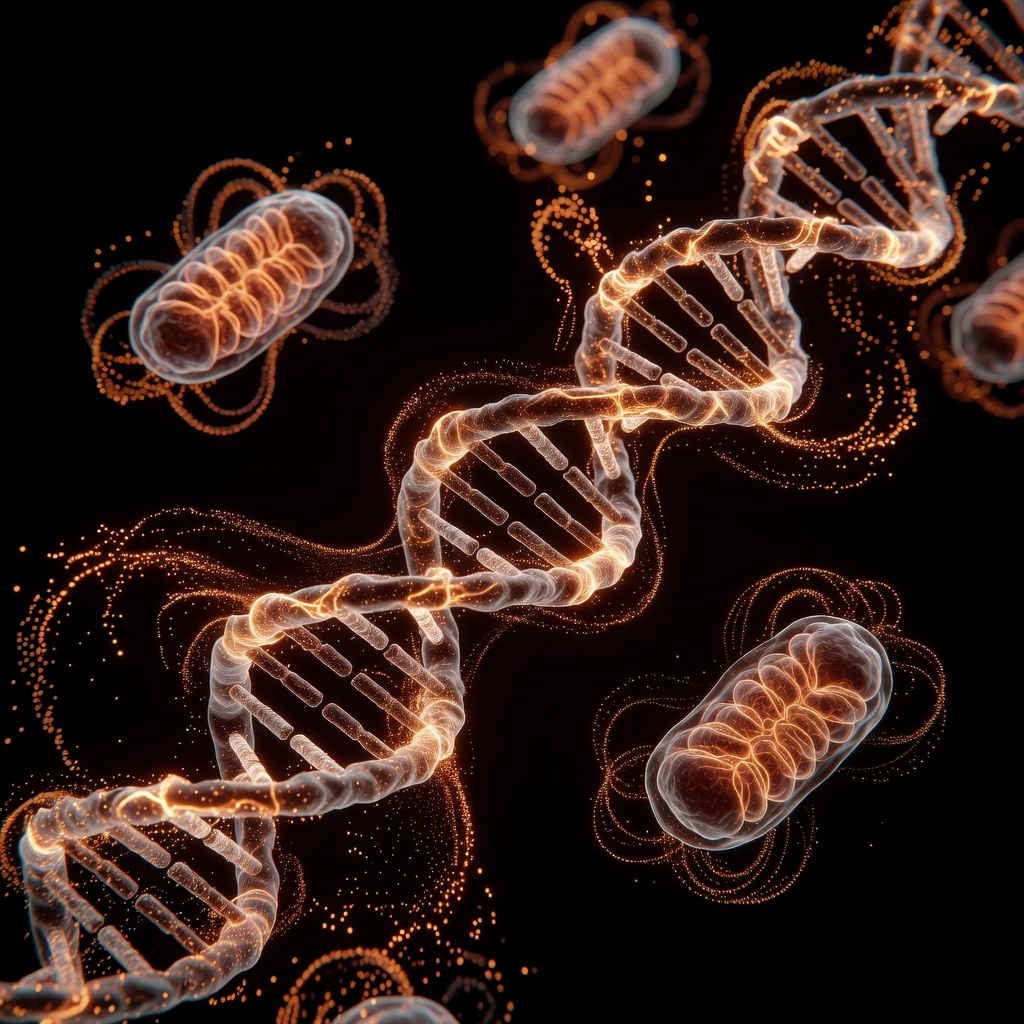
Aluminium ions are largely non-essential and, when absorbed, are either excreted via urine or sequestered in bone and brain tissue. However, this process relies on complex biochemical pathways. When these pathways are hindered by genetic polymorphisms, the biological 'buffer' against heavy metal stress is compromised. ## Key Genetic Pathways Involved. ### 1. Glutathione S-Transferase (GST) Variations. The GST family of enzymes plays a crucial role in cellular detoxification by conjugating glutathione to toxic substances.
Polymorphisms in GSTM1, GSTT1, and GSTP1 genes can lead to reduced enzymatic activity. When GST efficiency is impaired, the cell's ability to neutralize oxidative stress—frequently triggered by aluminium exposure—is severely diminished, leading to a synergistic toxic effect. ### 2. The Ferroportin and Transferrin Receptor Pathway. Aluminium mimics ferric iron in its chemical behavior. It often 'hitchhikes' on the iron transport system to cross the blood-brain barrier.
Individuals with polymorphisms in the HFE gene (associated with hemochromatosis) or genes regulating transferrin receptors may have altered iron metabolism that inadvertently facilitates increased aluminium uptake into the brain. ### 3. Metallothionein Expression. Metallothioneins are cysteine-rich proteins that bind to heavy metals. Genetic variations that downregulate the synthesis or efficiency of these proteins can leave the body vulnerable, as there is less 'capture capacity' for circulating metallic ions, promoting tissue deposition. ## The Root Cause of Individual Vulnerability. The primary clinical implication of these polymorphisms is the concept of 'biological individuality.' Two individuals exposed to the same environmental levels of aluminium may experience vastly different health outcomes based on their SNPs (Single Nucleotide Polymorphisms).
For those with reduced detoxification efficacy, aluminium does not just pass through the system; it accumulates in the hippocampus and cortex, potentially contributing to the pathogenesis of neurodegenerative conditions. ## Clinical Outlook and Lifestyle Modulation. Understanding one's genetic predispositions allows for proactive health management. While SNPs cannot be 'cured,' the pathways they control can be supported. Strategies such as optimizing glutathione precursors (e.g., N-acetylcysteine), ensuring adequate silica intake (which is known to facilitate urinary excretion of Al), and reducing exogenous exposure are paramount for those with identified susceptibilities. In conclusion, viewing aluminium toxicity through the lens of genetics allows for a deeper, more refined approach to patient care.
By addressing the root-cause vulnerabilities within our detoxification pathways, we can better protect our long-term neurological health against the rising tide of environmental metals.
This article is provided for informational and educational purposes only. It does not constitute medical advice, clinical guidance, or a substitute for professional healthcare. Information reflects cited research at time of publication. Always consult a qualified healthcare professional before acting on any health information.
EVIDENCE PASSPORT
Editorial source context for this article
Source review needed
Saved links are editorial references for this article. They may support specific claims rather than every sentence. Open and assess each source in context. This passport does not independently verify them.
Editorial context
A complete editorial reading has not been recorded for this article, and no source links are saved on its record.
Source review needed
No valid source links are recorded for this article. Supplementary research, where available, is listed separately below.
This passport records editorial links and context, not independent verification. Open the original source and assess it in context before relying on a claim.
Medical Disclaimer
The information in this article is for educational purposes only and does not constitute medical advice, diagnosis, or treatment. Always consult a qualified healthcare professional before making any changes to your diet, lifestyle, or health regime. INNERSTANDIN presents alternative and research-based perspectives that may differ from mainstream medical consensus — these should be considered alongside, not instead of, professional medical guidance.
Read Full DisclaimerContinue the thread
Keep this question moving.
Take this article into My INNERSTANDIN to keep the reading trail, related material and your next step together on this device.
Explore this in the Body Map
Explore related body structures and their educational pages in the interactive Body Map.
Dig deeper in the Library
Free, longform PDF volumes that go beyond headlines into mechanisms and references.