
The Genetic Predisposition to Mould: Understanding HLA-DR and CIRS
Updated May 2026
Approximately 25% of the UK population carries a genetic variation that prevents them from effectively identifying and clearing biotoxins. This article explores the role of HLA-DR/DQ genes in Chronic Inflammatory Response Syndrome (CIRS).
Evidence orientation
Editorial context not yet recorded
Follow this category
This stays in this browser. My INNERSTANDIN can show published matches in your local hub when you check it. It does not send email, push, or alert notifications.
Local learning review
A private browser aid for revisiting ideas. It is not an alert or a health recommendation.
Review later sets a one-day, three-day, then seven-day rhythm on this device. Choose it only when you want to revisit this article.
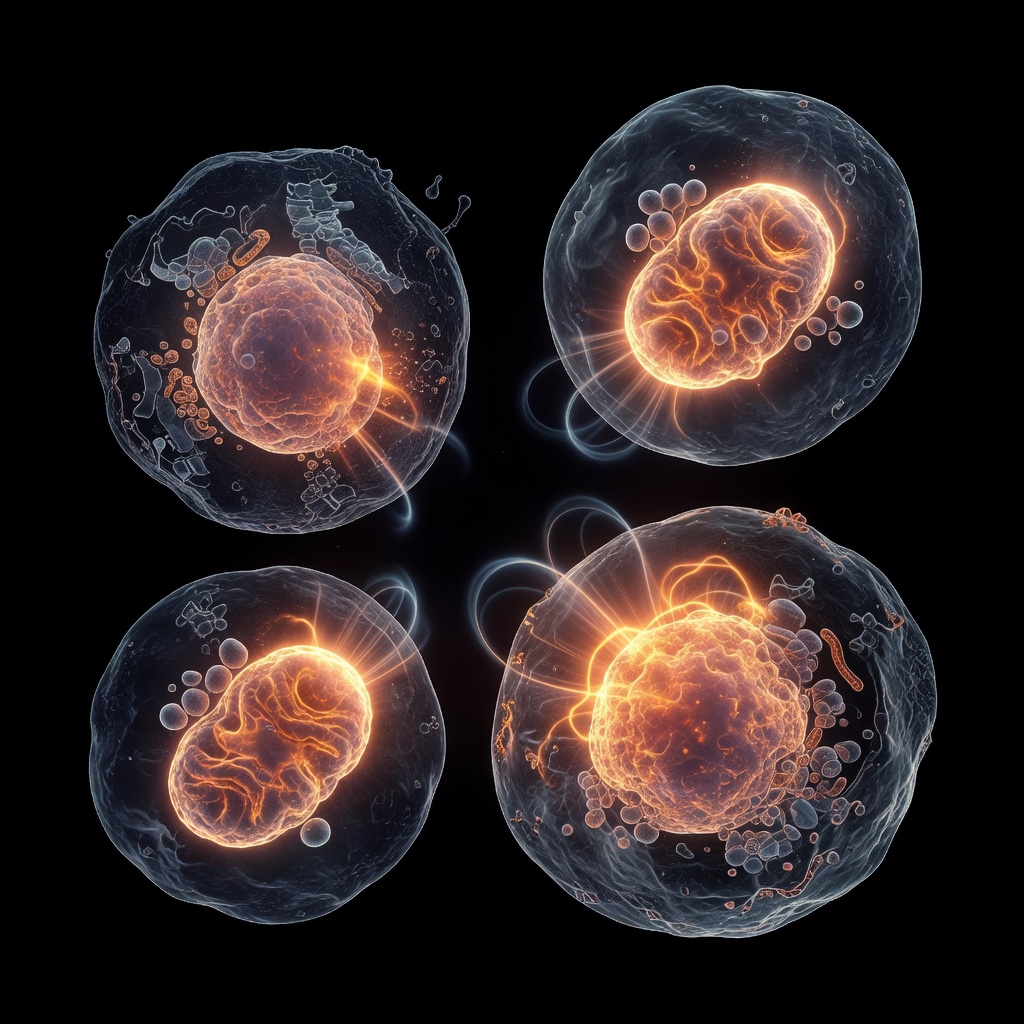
Overview
In the modern landscape of environmental medicine, a profound and disturbing mystery has long plagued both patients and clinicians: why is it that in a household or workplace infested with toxic mould, some individuals remain seemingly unaffected while others descend into a state of total systemic collapse? For decades, those suffering from debilitating fatigue, cognitive decline, and chronic pain were dismissed by the National Health Service (NHS) and mainstream practitioners as having "psychosomatic" issues or "chronic fatigue syndrome" of unknown origin. However, the veil has finally been lifted, revealing a biological truth that the medical establishment has been slow to acknowledge.
The answer lies in our genetic code—specifically, the Human Leukocyte Antigen (HLA) system. Recent breakthroughs in genomic research and the pioneering work of environmental scientists have identified that approximately 25% of the UK population carries a specific genetic predisposition that renders them biologically incapable of processing biotoxins. For these individuals, exposure to a water-damaged building is not merely an inconvenience or an allergy; it is the trigger for a catastrophic, multi-systemic inflammatory firestorm known as Chronic Inflammatory Response Syndrome (CIRS).
Approximately 24% to 26% of the general population carries the "dreaded" HLA-DR genotypes, making them physiologically unable to produce the necessary antibodies to clear mycotoxins, resulting in permanent innate immune activation.
This article serves as a definitive exposé on the relationship between the HLA-DR/DQ genes and the biological devastation wrought by mould. We will dissect the mechanisms of antigen presentation, the failure of the adaptive immune response, and the systemic cascade that follows when the body’s "waste management system" fails. In a country like the United Kingdom, where damp housing and Victorian-era infrastructure are ubiquitous, understanding this genetic vulnerability is not just a matter of academic interest—it is a matter of survival for millions.
##
##
The Biology — How It Works
To understand why a quarter of the population is genetically "blind" to mould, we must first examine the Major Histocompatibility Complex (MHC), located on Chromosome 6. This region of our DNA is the most gene-dense and polymorphic part of the human genome, responsible for the orchestration of our immune identity. Within this complex lies the HLA-DR (Human Leukocyte Antigen – Antigen D Related) and HLA-DQ genes.
The Role of Antigen Presentation
Under normal physiological conditions, when a foreign invader—such as a virus, bacterium, or biotoxin—enters the body, the immune system follows a highly coordinated protocol. Specialised cells known as Antigen-Presenting Cells (APCs), such as macrophages and dendritic cells, "swallow" the invader, break it down, and display fragments of it on their surface. These fragments are held in place by the HLA-DR molecules, which act like a "display stand" or a biological "Wanted" poster.
Once the antigen is displayed, T-helper cells recognise the threat and signal the B-cells to produce specific antibodies. This is the adaptive immune response. Once antibodies are formed, the toxin is neutralised and cleared from the system. In a "normal" 75% of the population, this process works seamlessly. Even if they live in a damp flat in London, their bodies recognise the mycotoxins, tag them, and excrete them.
The Genetic Defect: The Missing "Wanted" Poster
For the 25% of individuals with "susceptible" HLA-DR/DQ haplotypes, this critical step of antigen presentation fails. Due to the specific shape and charge of their HLA-DR molecules, the APCs cannot "grip" the biotoxins produced by mould (such as Stachybotrys, Aspergillus, or Penicillium).
Because the toxin is never properly "presented" to the adaptive immune system, the body never produces antibodies. The toxins are not cleared; instead, they remain in circulation, moving through the enterohepatic circulation—reabsorbed by the bile and recycled back into the bloodstream. The body "sees" the damage the toxins are doing, but it cannot "see" the toxins themselves to eliminate them. This results in the innate immune system—the body's ancient, blunt-force defence mechanism—staying permanently "on," leading to a state of chronic, systemic inflammation that never resolves.
Identifying the Haplotypes
Researchers, most notably Dr. Ritchie Shoemaker, have categorised these genetic variations into specific "haplotypes." These are identified through blood tests looking at the alleles at the DRB1, DQ, and DRB3, 4, or 5 loci.
- The "Multi-Susceptible" (e.g., 4-3-53): These individuals are vulnerable not just to mould, but also to Lyme disease toxins (Borrelia), Ciguatera, and other biotoxins.
- The "Mould-Susceptible" (e.g., 7-2-53, 13-6-52B, 17-2-52A): These individuals are specifically unable to clear mycotoxins.
- The "Dreaded" Haplotype (11-3-52B): Often associated with the most severe presentations of CIRS and the lowest levels of recovery without intensive intervention.
##
##
Mechanisms at the Cellular Level
When the adaptive immune system fails to respond, the innate immune system takes the lead. This is where the biological tragedy of CIRS truly unfolds. The innate immune system does not use precision antibodies; instead, it uses a "scorched earth" policy of inflammatory cytokines and signalling molecules.
The Cytokine Storm and Toll-Like Receptors
Biotoxins and inflammagens (fragmented cell walls of mould and bacteria) bind to Toll-Like Receptors (TLRs), specifically TLR2 and TLR4, located on the surface of cells throughout the body. This binding triggers the activation of the NF-kB pathway, a master switch for inflammation.
The result is a relentless release of pro-inflammatory cytokines, including Tumour Necrosis Factor-alpha (TNF-α), Interleukin-1B (IL-1B), and Interleukin-6 (IL-6). In a healthy person, this "storm" lasts for a few days during an infection. In a mould-susceptible individual, this storm continues for months or years, even after they have left the damp environment, because the toxins are still circulating within their fat cells and bile.
The Disruption of the HPA Axis
One of the most devastating cellular mechanisms in CIRS is the suppression of Melanocyte-Stimulating Hormone (MSH). MSH is a master regulatory hormone produced in the hypothalamus. In CIRS, the high level of cytokines reaches the brain, causing inflammation in the paraventricular nucleus. This suppresses MSH production, leading to a cascade of hormonal failures:
- Sleep Disruption: MSH regulates melatonin; without it, patients experience "non-restorative sleep."
- Gut Permeability: MSH maintains the integrity of the gut lining; its loss leads to "leaky gut" and food sensitivities.
- Pain Perception: MSH regulates endorphins; low levels lead to widespread, migratory chronic pain (often misdiagnosed as fibromyalgia).
- Hormonal Imbalance: Suppressed MSH leads to low testosterone, low oestrogen, and dysregulated cortisol.
Anti-Diuretic Hormone (ADH) and Osmolality
Biotoxins interfere with the production of Anti-Diuretic Hormone (ADH). This explains the common symptom of "excessive thirst and frequent urination" seen in mould patients. The kidneys fail to retain water, leading to chronic dehydration at a cellular level, even if the patient drinks gallons of water. This also manifests as "static shocks"—the high salt concentration on the skin due to dehydration makes the person a more effective conductor of static electricity.
The suppression of Vasoactive Intestinal Peptide (VIP) in HLA-susceptible individuals leads to pulmonary hypertension and a significant reduction in exercise tolerance, as the body can no longer regulate blood flow effectively during physical exertion.
##
##
Environmental Threats and Biological Disruptors
The UK's climate and housing stock represent a "perfect storm" for those with the HLA-DR mould-susceptible genotype. However, it is not just the visible green or black patches on a wall that are the problem. The true threat is the chemical soup created by a water-damaged building (WDB).
Mycotoxins: The Chemical Warfare of Fungi
Fungi do not just grow; they defend their territory using secondary metabolites known as mycotoxins. These are low-molecular-weight molecules that are chemically stable and resistant to heat.
- Aflatoxins: Produced by Aspergillus, these are potent carcinogens and hepatotoxins.
- Ochratoxins: Highly nephrotoxic (damaging to the kidneys) and immunosuppressive.
- Trichothecenes: Produced by Stachybotrys chartarum ("Black Mould"). These are among the most lethal non-protein toxins known, capable of inhibiting protein synthesis and inducing apoptosis (cell death) in the brain and nasal mucosa.
Endotoxins and Actinomycetes
While mould receives the most attention, water-damaged buildings also host colonies of Gram-negative bacteria which release endotoxins (Lipopolysaccharides or LPS). These are even more inflammatory than mycotoxins for many HLA-susceptible patients. Additionally, Actinomycetes—a group of bacteria that grow like fungi—produce metabolites that are highly neurotoxic. When an HLA-susceptible individual enters a damp building, they are inhaling a mixture of mycotoxins, endotoxins, inflammagens, and Volatile Organic Compounds (VOCs). For them, every breath is an infusion of biological poison.
The Synergy of the "Sick Building"
In the UK, modern building practices often involve the use of gypsum wallboard (plasterboard). When this material gets wet, the paper backing provides a perfect nutrient source for Stachybotrys. Unlike natural environments where various species compete and balance each other, the indoor environment of a damp UK flat often creates a monoculture of highly toxic species that would rarely dominate in the wild.
##
##
The Cascade: From Exposure to Disease
The progression of CIRS in a genetically predisposed individual follows a predictable, yet tragic, "Biotoxic Ladder." It rarely starts with a sudden collapse; rather, it is a slow erosion of health that eventually reaches a tipping point.
Phase 1: The Initial Insult
The individual moves into a new flat or their office has a slow leak in the ceiling. Initially, they may notice "brain fog," a slight cough, or unusual fatigue. Because they lack the HLA-DR genes to clear the toxins, the "bucket" begins to fill. Their innate immune system begins to ramp up, producing MMP-9 (Matrix Metallopeptidase 9), an enzyme that allows inflammatory cells to leave the blood and enter tissues.
Phase 2: Systemic Inflammatory Response
As the levels of C4a (a potent complement split product) rise, the individual begins to feel "flu-like" every day. This is the complement system in overdrive. They may experience:
- Cognitive Impairment: Difficulty finding words, losing keys, "processing" lag.
- Neurological Symptoms: Ice-pick pains, tingling, or numbness in the extremities.
- Psychiatric Manifestations: Sudden onset of anxiety, depression, or even "mould rage"—irritability caused by neuroinflammation in the amygdala.
Phase 3: The Brain on Fire
The ultimate destination of the CIRS cascade is neuroinflammation. Using advanced neuroimaging like NeuroQuant, researchers have shown that mould-exposed HLA-susceptible patients have distinct structural changes in the brain: an enlarged caudate nucleus and pallidum (due to inflammation) and a shrunken hippocampus (the seat of memory). This is why mould exposure is increasingly being linked to early-onset Alzheimer’s and other dementias.
Phase 4: Multi-Systemic Collapse
By this stage, the HPA axis is shattered. The patient has low MSH, low VIP, and high TGF-beta 1 (a marker of tissue scarring and immune dysregulation). They are now "sensitised" to everything. They may develop Mast Cell Activation Syndrome (MCAS), where their body reacts to foods, perfumes, and even sunlight. Their life becomes a desperate attempt to avoid "triggers," while the medical community continues to tell them their blood work (the standard NHS panels) is "normal."
##
##
What the Mainstream Narrative Omits
The refusal of mainstream medicine to acknowledge the HLA-DR/CIRS link is one of the greatest clinical oversights of the 21st century. There are several reasons why this truth has been suppressed or ignored.
The Fallacy of the "Allergy" Model
The NHS and the MHRA largely view mould through the lens of Type I Hypersensitivity (Allergy). They test for IgE antibodies to mould. However, CIRS is not an allergy. As we have established, the very problem in CIRS is that the patient cannot make antibodies. Therefore, an IgE or IgG mould test will often come back negative, leading the doctor to wrongly conclude that mould is not the problem. This is a fundamental category error that leaves 25% of the population without a diagnosis.
The Economics of Recognition
If the UK government and the insurance industry were to fully acknowledge that 25% of the population is genetically incapable of living in damp housing without suffering permanent neurological damage, the financial implications would be staggering.
- Real Estate: Tens of thousands of UK properties would be deemed "unfit for human habitation."
- Social Housing: Local councils would be liable for the systemic health collapse of tenants in damp council estates.
- Workplace Liability: Corporations would face massive lawsuits for "sick building syndrome."
The "Toxic" Label vs. "Nuisance"
Currently, UK law often treats mould as a "statutory nuisance" under the Environmental Protection Act 1990. This suggests it is a surface issue—something to be scrubbed away with bleach. The genetic truth of HLA-DR proves that mould is a systemic biological toxin. Bleaching the walls does nothing to remove the sub-micron sized mycotoxins that have permeated the carpets, the furniture, and the patient's own central nervous system.
Modern medicine's reliance on "standard" blood panels fails to detect CIRS because the biomarkers of innate immune activation—such as C4a, TGF-beta 1, and MSH—are rarely, if ever, tested in a primary care setting.
##
##
The UK Context
The United Kingdom presents a unique and hazardous environment for those with the HLA-DR genetic predisposition. Our climate is naturally temperate and humid, providing the ideal baseline for fungal growth. However, the crisis is exacerbated by our specific architectural history.
The Victorian Legacy and Poor Retrofitting
A large portion of UK housing stock consists of Victorian or Edwardian terraces. These buildings were designed to "breathe" through open fires and porous bricks. When modern residents install double glazing, block up chimneys, and add "pebble-dash" rendering, they trap moisture inside the structural envelope. For an HLA-susceptible person, a poorly retrofitted Victorian terrace is a biological pressure cooker.
The "Awaab Ishak" Precedent
The tragic death of two-year-old Awaab Ishak in Rochdale in 2020 due to mould exposure brought the issue to national attention. While the subsequent "Awaab's Law" (part of the Social Housing Regulation Act) aims to force landlords to act quickly, it still fails to account for the genetic 25%. A repair that "cleans" the mould might satisfy a building inspector, but for a child or adult with the 11-3-52B haplotype, even the microscopic residual toxins left behind can be enough to prevent recovery.
The Failure of the NHS "Chronic Fatigue" Pathway
In the UK, patients with CIRS are almost invariably funneled into the Chronic Fatigue Syndrome (CFS/ME) pathway. Until recently, this involved "Graded Exercise Therapy" (GET)—a protocol that is actively dangerous for CIRS patients. Because their Vasoactive Intestinal Peptide (VIP) is low, their pulmonary artery pressure rises during exercise, meaning GET can cause permanent cardiovascular and mitochondrial damage. The refusal to screen for HLA-DR status before prescribing exercise is a failure of the duty of care.
##
##
Protective Measures and Recovery Protocols
If you carry the HLA-DR susceptibility, a standard "healthy lifestyle" is not enough. You must adopt a rigorous biological defence and recovery strategy. Recovery is possible, but it requires a precision approach that bypasses the broken adaptive immune system.
Step 1: Identification and Testing
The first step is moving beyond the "it's all in your head" narrative.
- HLA-DR/DQ Genotyping: This is the foundational test. Knowing your haplotype allows you to understand your specific risk profile.
- Visual Contrast Sensitivity (VCS) Test: A simple, non-invasive neurological test that measures the ability to see grey-on-grey patterns. Biotoxins affect the optic nerve and the brain's ability to process contrast. A fail on the VCS test is a 92% accurate indicator of biotoxin illness.
- Biomarkers: Requesting tests for C4a, TGF-beta 1, MMP-9, MSH, and VIP. These are the "fingerprints" of CIRS.
Step 2: Absolute Removal from Exposure
For the 25%, there is no "safe" amount of mould exposure. The individual must move to a "clear" environment. This often involves the heartbreaking decision to discard porous belongings (mattresses, books, sofas) that act as reservoirs for mycotoxins.
- HERTSMI-2 Testing: This is a DNA-based test (ERMI) for buildings that quantifies the levels of the most dangerous moulds. A score below 11 is generally required for an HLA-susceptible person to heal.
Step 3: The Use of Sequestrants (Binders)
Since the body cannot produce antibodies to tag the toxins, we must use "binders" to manually grab the toxins in the bile and pull them out of the body.
- Cholestyramine (CSM): A prescription bile-acid sequestrant. It has a powerful positive charge, while mycotoxins have a negative charge. It acts like a "chemical magnet" in the small intestine.
- Natural Alternatives: For those who cannot tolerate CSM, activated charcoal, bentonite clay, and modified citrus pectin can provide some relief, though they are often less effective for the most severe HLA types.
Step 4: Neurological Repair
Once the toxins are being cleared and the exposure has stopped, the focus shifts to the brain.
- VIP Nasal Spray: Under specialist supervision, Vasoactive Intestinal Peptide nasal spray can help restore MSH levels, settle the innate immune system, and repair the structural damage to the brain seen on NeuroQuant scans.
- Dynamic Neural Retraining System (DNRS): Because the brain has been in "limbic loop" of trauma and inflammation, neuroplasticity exercises are often required to "retrain" the nervous system that it is no longer under attack.
##
##
Summary: Key Takeaways
The link between HLA-DR genetics and CIRS represents a paradigm shift in our understanding of chronic illness. It exposes the fact that our environment is not "one size fits all"—what is harmless to one person is a deadly neurotoxin to another.
- The 25% Rule: A quarter of the population lacks the genetic machinery to recognise and eliminate biotoxins, leading to permanent innate immune activation.
- Beyond Allergy: CIRS is a systemic inflammatory disease, not a simple mould allergy. Standard IgE tests will not catch it.
- The HPA Axis Collapse: The core of the illness is the suppression of master hormones like MSH, leading to a total breakdown of sleep, gut health, and hormonal balance.
- The UK Infrastructure Crisis: The UK's damp housing stock is a public health time bomb for those with these specific genetic haplotypes.
- The Path to Recovery: Recovery requires a scientific, stepped approach: genetic testing, removal from exposure, the use of binders like Cholestyramine, and the restoration of neurological balance.
For those suffering in silence, dismissed by a medical system that refuses to look at the DNA, the message is clear: your illness is not imaginary. It is a predictable, biological response to an environment your ancestors' genes never prepared you for. Recognition is the first step toward reclaiming your life from the shadows of the "black mould" epidemic.
This article is provided for informational and educational purposes only. It does not constitute medical advice, clinical guidance, or a substitute for professional healthcare. Information reflects cited research at time of publication. Always consult a qualified healthcare professional before acting on any health information.
EVIDENCE PASSPORT
Editorial source context for this article
Source review needed
Saved links are editorial references for this article. They may support specific claims rather than every sentence. Open and assess each source in context. This passport does not independently verify them.
Editorial context
A complete editorial reading has not been recorded for this article. Source links remain available for you to open and assess directly.
Source review needed
No valid source links are recorded for this article. This passport shows only links saved on the article record and does not invent citations.
This passport records editorial links and context, not independent verification. Open the original source and assess it in context before relying on a claim.
Medical Disclaimer
The information in this article is for educational purposes only and does not constitute medical advice, diagnosis, or treatment. Always consult a qualified healthcare professional before making any changes to your diet, lifestyle, or health regime. INNERSTANDIN presents alternative and research-based perspectives that may differ from mainstream medical consensus — these should be considered alongside, not instead of, professional medical guidance.
Read Full DisclaimerContinue the thread
Keep this question moving.
Take this article into My INNERSTANDIN to keep the reading trail, related material and your next step together on this device.
Explore this in the Body Map
See where this hits your biology. Interactive anatomy, threats, and protective protocols.
Dig deeper in the Library
Free, longform PDF volumes that go beyond headlines into mechanisms and references.