
Genomic Instability and Impaired DNA Repair Pathways Triggered by Cadmium Carcinogenesis
Discuss this resourceUpdated August 2026
An in-depth exploration of how cadmium exposure compromises DNA integrity, inhibits essential repair mechanisms, and drives the progression of carcinogenesis.
Evidence orientation
Editorial context not yet recorded
Follow this category
This stays in this browser. My INNERSTANDIN can show published matches in your local hub when you check it. It does not send email, push, or alert notifications.
Local learning review
A private browser aid for revisiting ideas. It is not an alert or a health recommendation.
Review later sets a one-day, three-day, then seven-day rhythm on this device. Choose it only when you want to revisit this article.
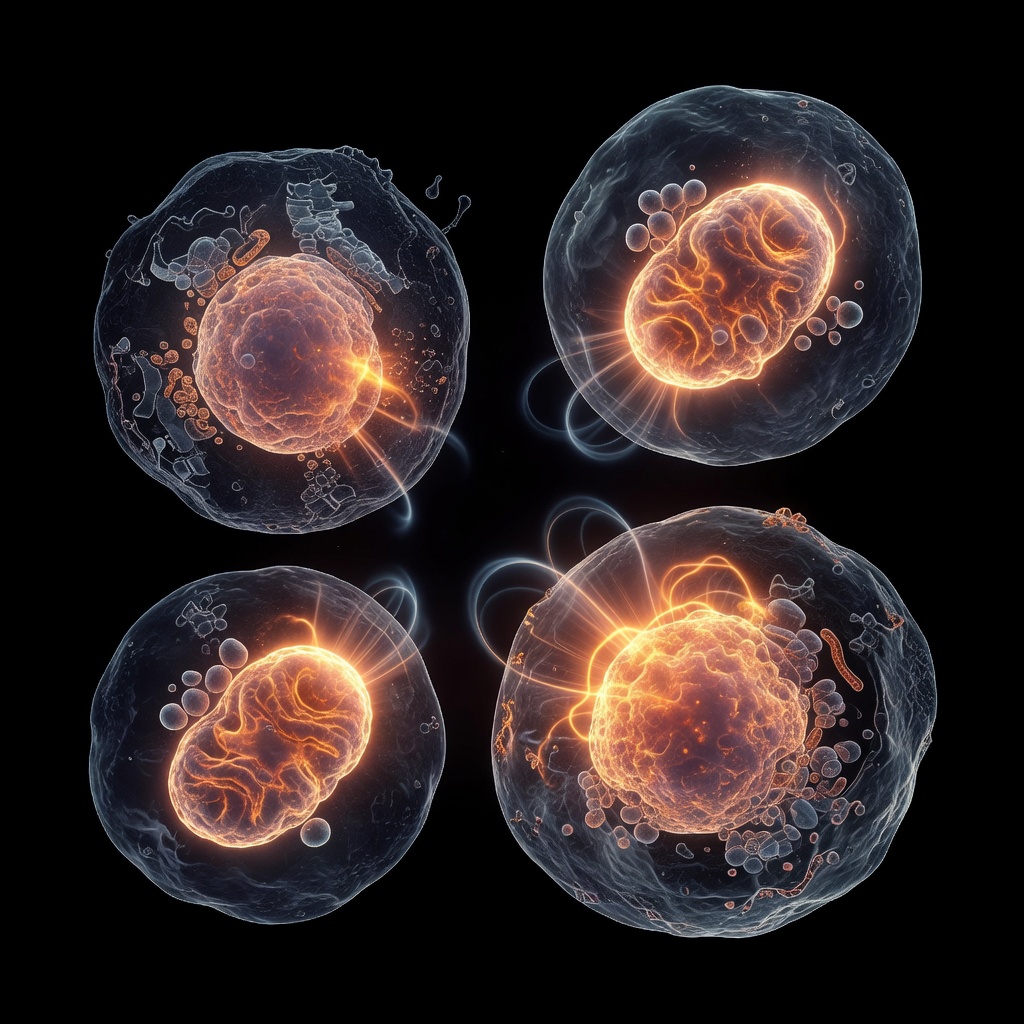
Introduction: The Invisible Threat of Cadmium. Cadmium (Cd) is a ubiquitous environmental toxicant, prevalent in industrial processes, battery manufacturing, and contaminated agricultural soils. Unlike many carcinogens, cadmium does not act as a direct mutagen by intercalating with DNA or forming bulky adducts. Instead, it functions as a potent indirect genotoxin, orchestrating a cascade of genomic instability that undermines the body's most fundamental protective systems. ### Mechanisms of Genomic Instability. Cadmium-induced instability primarily stems from its ability to displace essential divalent metal cations—such as zinc, magnesium, and calcium—from their native protein binding sites.
Because zinc finger motifs are critical for the structural integrity of DNA repair proteins, cadmium substitution renders these proteins dysfunctional. Furthermore, cadmium induces oxidative stress through the generation of reactive oxygen species (ROS), leading to single-strand breaks and the formation of 8-oxo-deoxyguanosine, a highly mutagenic lesion. ### Impairment of DNA Repair Pathways. The most insidious effect of cadmium is the suppression of high-fidelity repair pathways, specifically Nucleotide Excision Repair (NER), Base Excision Repair (BER), and Mismatch Repair (MMR). By inhibiting the activity of enzymes like APE1 and OGG1, cadmium prevents the excision of damaged bases, ensuring that errors in the genetic code persist and propagate during subsequent cell cycles. In effect, cadmium 'silences' the cellular genome maintenance team at a time when they are needed most. ### The Road to Carcinogenesis.
When DNA repair is chronically impaired, the cell faces a dilemma: undergo programmed cell death (apoptosis) or allow the replication of mutated DNA. Cadmium complicates this by modulating p53, the 'guardian of the genome.' By altering the folding of p53 through zinc displacement, cadmium allows damaged cells to escape apoptosis, creating a reservoir of mutated cells. These cells acquire hallmark cancer traits, including sustained proliferative signaling and metabolic reprogramming, ultimately leading to malignant transformation. ### Conclusion and Future Perspectives. Understanding cadmium’s role as a disruptor of genomic stability is essential for developing therapeutic strategies against metal-induced diseases. Mitigation requires not only industrial regulation but also nutritional interventions that support DNA repair capacity, such as optimized zinc and antioxidant status.
For those in high-risk environments, monitoring genomic markers of exposure is the first step toward proactive health preservation.
This article is provided for informational and educational purposes only. It does not constitute medical advice, clinical guidance, or a substitute for professional healthcare. Information reflects cited research at time of publication. Always consult a qualified healthcare professional before acting on any health information.
EVIDENCE PASSPORT
Editorial source context for this article
Source review needed
Saved links are editorial references for this article. They may support specific claims rather than every sentence. Open and assess each source in context. This passport does not independently verify them.
Editorial context
A complete editorial reading has not been recorded for this article, and no source links are saved on its record.
Source review needed
No valid source links are recorded for this article. Supplementary research, where available, is listed separately below.
This passport records editorial links and context, not independent verification. Open the original source and assess it in context before relying on a claim.
Medical Disclaimer
The information in this article is for educational purposes only and does not constitute medical advice, diagnosis, or treatment. Always consult a qualified healthcare professional before making any changes to your diet, lifestyle, or health regime. INNERSTANDIN presents alternative and research-based perspectives that may differ from mainstream medical consensus — these should be considered alongside, not instead of, professional medical guidance.
Read Full DisclaimerContinue the thread
Keep this question moving.
Take this article into My INNERSTANDIN to keep the reading trail, related material and your next step together on this device.