
Glyphosate and Gut Permeability in British Populations
Updated May 2026
Analysis of how agricultural chemicals used in the UK degrade the intestinal lining. This breach of the internal terrain is linked to systemic chronic inflammation.
Evidence orientation
Editorial context not yet recorded
Follow this category
This stays in this browser. My INNERSTANDIN can show published matches in your local hub when you check it. It does not send email, push, or alert notifications.
Local learning review
A private browser aid for revisiting ideas. It is not an alert or a health recommendation.
Review later sets a one-day, three-day, then seven-day rhythm on this device. Choose it only when you want to revisit this article.
Overview
In the realm of modern biological medicine, there is an enduring maxim first articulated by the French physiologist Claude Bernard: "Le microbe n'est rien, le terrain est tout"—the microbe is nothing, the terrain is everything. While the 20th century was dominated by the Germ Theory, which sought to identify and eradicate external pathogens, the 21st century is forcing a radical return to Terrain Theory. We are beginning to understand that chronic disease is not a matter of 'bad luck' or 'invasive germs,' but rather the result of a compromised internal environment.
At the very heart of this biological terrain is the intestinal barrier—a single-cell layer that separates our internal world from the external environment. Today, this barrier is under a sustained chemical assault. In the United Kingdom, the primary architect of this destruction is glyphosate, the active ingredient in most broad-spectrum herbicides.
For decades, the mainstream agricultural narrative has insisted that glyphosate is "safe for humans" because it targets a metabolic pathway (the shikimate pathway) that humans do not possess. However, this reductionist view ignores the symbiotic reality of our biology. We are more microbial than we are human; our gut microbiome—which does possess the shikimate pathway—is the foundation of our immune system, our neurotransmitter production, and our metabolic health.
In British populations, the pervasive use of glyphosate as a pre-harvest desiccant on wheat, oats, and barley has led to a systemic crisis of gut permeability, colloquially known as "leaky gut." This breach of the intestinal terrain allows undigested food particles, toxins, and bacterial fragments to enter the bloodstream, triggering a cascade of chronic inflammation that manifests as everything from autoimmune disorders to neurological decline. This article serves as a comprehensive forensic analysis of how glyphosate is dismantling the biological integrity of the British public.
Fact: Glyphosate is currently the most heavily used herbicide in UK agriculture, with millions of hectares of British farmland treated annually, often just days before crops enter the food supply.
The Biology — How It Works
To understand the impact of glyphosate, we must first understand the architecture of the intestinal terrain. The gut lining is not a static wall; it is a dynamic, highly regulated gatekeeper.
The Epithelial Barrier
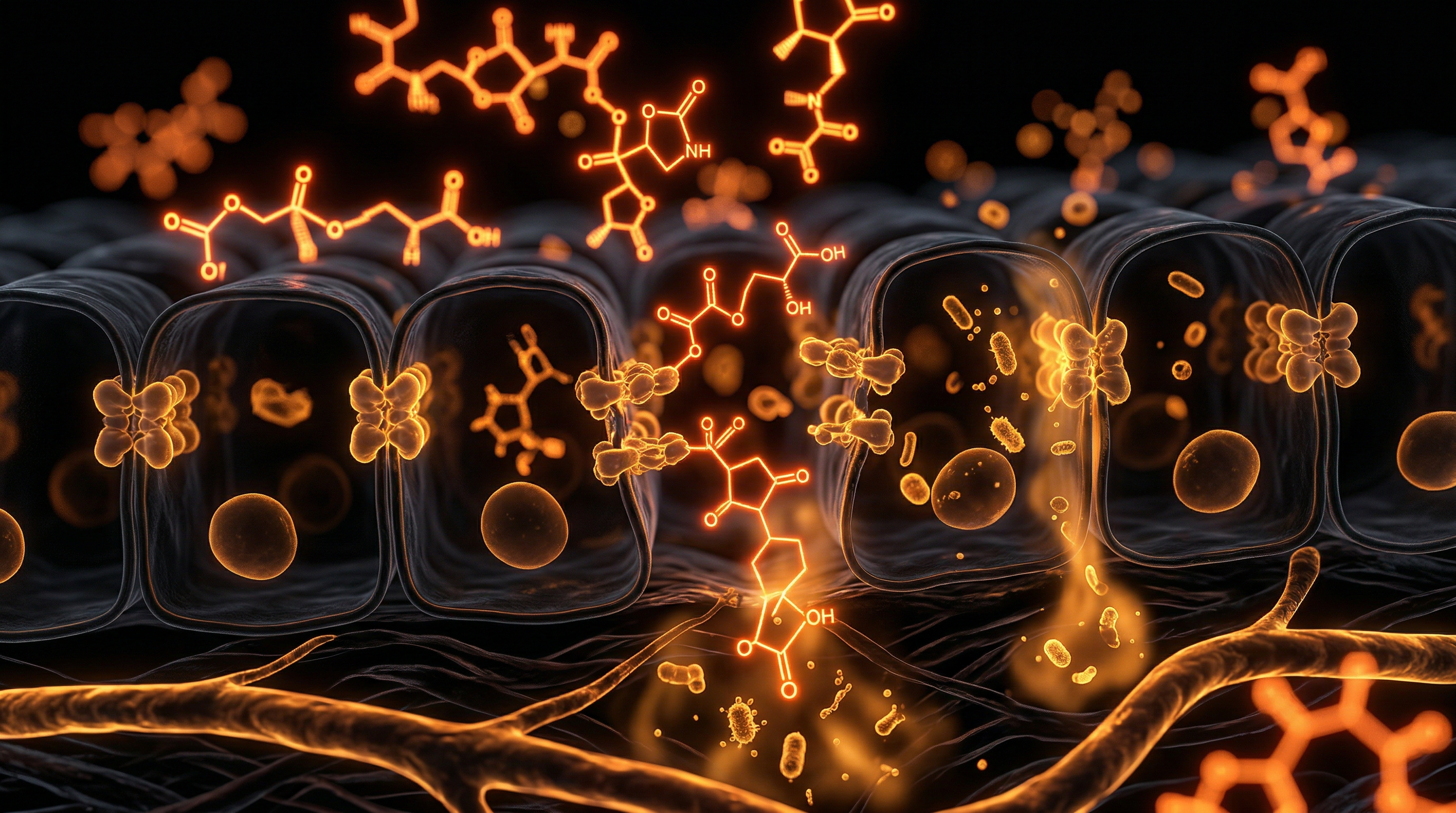
The intestinal epithelium consists of a single layer of columnar cells called enterocytes. These cells are responsible for absorbing nutrients while blocking the entry of pathogens and large molecules. The spaces between these cells are sealed by complex protein structures known as Tight Junctions (TJ).
The Tight Junction Complex
Tight junctions act like the "velcro" of the gut. They are composed of various proteins, most notably claudins, occludin, and zonulin. Under normal physiological conditions, these junctions open and close in response to stimuli, allowing water and solutes to pass through.
The Microbiome as a Protective Shield
Surrounding the epithelium is a thick layer of mucus inhabited by trillions of bacteria. This microbiome acts as the first line of defence for the terrain. These "commensal" bacteria produce Short-Chain Fatty Acids (SCFAs) like butyrate, which serve as the primary fuel source for enterocytes and maintain the structural integrity of the tight junctions.
When glyphosate enters this system, it acts not just as a herbicide, but as a potent antibiotic and a direct disruptor of the protein structures that hold our cells together. By damaging the microbiome and the tight junctions simultaneously, glyphosate effectively "unlocks" the door to the internal terrain, leading to a state of permanent hyper-permeability.
Mechanisms at the Cellular Level
The toxicity of glyphosate is not limited to its effects on weeds. Its molecular structure allows it to interfere with fundamental biological processes at a cellular and sub-cellular level.
1. The Shikimate Pathway and Microbiome Dysbiosis
The mainstream defence of glyphosate rests on the fact that human cells lack the 5-enolpyruvylshikimate-3-phosphate synthase (EPSPS) enzyme. However, the bacteria in our gut do use this pathway to synthesise essential aromatic amino acids: phenylalanine, tyrosine, and tryptophan.
- Tryptophan is the precursor to serotonin and melatonin.
- Tyrosine is the precursor to dopamine and thyroid hormones.
- Phenylalanine is crucial for various structural proteins.
By inhibiting the shikimate pathway in our gut bacteria, glyphosate causes a massive shift in the microbial terrain. It selectively kills beneficial bacteria (like Lactobacillus and Bifidobacterium) while allowing pathogenic, glyphosate-resistant strains (like Clostridium difficile and Salmonella) to proliferate. This state of dysbiosis reduces butyrate production, leaving the gut lining weak and inflamed.
2. The Zonulin Trigger
Recent research has indicated that glyphosate exposure triggers the release of zonulin, a protein that modulates intestinal permeability. Zonulin is the only known physiological modulator of intercellular tight junctions. When zonulin levels rise, the tight junction proteins (occludin and claudin) are disassembled, creating gaps between the enterocytes.
3. Mitochondrial Dysfunction and Oxidative Stress
Glyphosate has been shown to act as an uncoupler of oxidative phosphorylation in the mitochondria. The enterocytes of the gut are among the most metabolically active cells in the body, requiring immense amounts of ATP (energy) to maintain their barrier function. By damaging the mitochondria, glyphosate induces oxidative stress, leading to the production of Reactive Oxygen Species (ROS). These "free radicals" cause lipid peroxidation, damaging the cell membranes of the gut lining and further compromising the terrain.
4. The Glycine Mimicry Hypothesis
One of the most insidious mechanisms of glyphosate is its structural similarity to the amino acid glycine. Glyphosate is, chemically, N-phosphonomethylglycine. There is mounting evidence that during protein synthesis, the body may mistakenly incorporate glyphosate in place of glycine.
Key Term: Molecular Mimicry occurs when a foreign molecule is so similar to a native one that the body incorporates it into its own structures, leading to misfolded proteins and long-term cellular damage.
Glycine is essential for the structure of collagen, which makes up the connective tissue of the gut. If glyphosate is substituted for glycine in the collagen matrix, the structural integrity of the entire intestinal tract is fundamentally compromised from the inside out.
Environmental Threats and Biological Disruptors
The British landscape presents a unique set of challenges regarding glyphosate exposure. Unlike in some other nations, the primary threat in the UK is not just the cultivation of genetically modified (GM) crops, but the practice of pre-harvest desiccation.
Pre-Harvest Desiccation: The British Problem
In the UK's damp climate, crops like wheat, oats, and barley often do not dry out evenly. To facilitate a faster, easier harvest, farmers spray glyphosate directly onto the standing crop shortly before it is reaped. This kills the plant, causing it to dry out (desiccate) and drop its moisture content.
The result of this practice is that glyphosate is not just "present" in the environment; it is concentrated in the very grains that form the staple of the British diet.
- Bread and Cereals: Routine testing of UK bread products has frequently found glyphosate residues.
- Oat Milk: As a popular dairy alternative in the UK, non-organic oat milk can be a hidden source of high glyphosate exposure.
- Beer and Spirits: Since British barley is often desiccated, the residues find their way into the national beverage supply.
Synergy with Surfactants
It is a common misconception that "glyphosate" is the only ingredient in weedkillers like Roundup. The commercial formulations include surfactants such as polyethoxylated tallowamine (POEA). These surfactants are designed to break down the waxy surface of plant leaves to help the glyphosate penetrate. In the human gut, these same surfactants act like detergents, dissolving the protective mucus layer and making the intestinal cells even more vulnerable to the herbicide’s toxic effects.
The Cascade: From Exposure to Disease
Once glyphosate has breached the intestinal barrier, the "Leaky Gut" becomes the gateway to systemic illness. This is where the local damage to the terrain turns into a national health crisis.
The Entry of Lipopolysaccharides (LPS)
LPS are endotoxins found in the cell walls of gram-negative bacteria in the gut. In a healthy terrain, they are kept outside the body. When glyphosate opens the tight junctions, LPS floods the bloodstream. This is known as metabolic endotoxaemia.
Systemic Chronic Inflammation (SCI)
The immune system identifies these "intruders" (LPS, undigested proteins, glyphosate) and mounts a massive inflammatory response. Because the exposure is constant (occurring every time a person eats glyphosate-contaminated food), the inflammation never resolves. It becomes chronic.
The Autoimmune Connection
When undigested food particles (like gluten) enter the bloodstream, the immune system creates antibodies against them. Due to molecular mimicry, these antibodies may begin to attack the body’s own tissues. This is a primary driver behind the skyrocketing rates of:
- Coeliac Disease and Non-Coeliac Gluten Sensitivity.
- Hashimoto’s Thyroiditis.
- Rheumatoid Arthritis.
The "Leaky Brain"
The blood-brain barrier (BBB) uses the same tight junction proteins as the gut. Evidence suggests that if glyphosate is causing a leaky gut, it is also causing a leaky brain. This allows neurotoxins to enter the central nervous system, contributing to the "brain fog," anxiety, and depression that have become ubiquitous in British society, as well as more severe neurodegenerative conditions like Parkinson’s disease.
Callout Fact: Research has shown that glyphosate exposure is strongly correlated with a reduction in manganese levels. Manganese is essential for the function of the enzyme glutamine synthetase, which clears ammonia from the brain. High brain ammonia is a hallmark of neurological dysfunction.
What the Mainstream Narrative Omits
The regulatory framework in the UK (and globally) relies on studies that are often funded by the chemical industry itself. There are several critical "blind spots" in the official safety assessments.
1. The Failure of Chronic Toxicity Testing
Most regulatory approvals are based on short-term acute toxicity studies. They look for immediate deaths or tumours. They do not look for the slow, "sub-lethal" degradation of the microbiome or the subtle opening of tight junctions over a decade of low-level exposure.
2. The "Safe Level" Fallacy
The "Acceptable Daily Intake" (ADI) for glyphosate is based on the assumption that there is a threshold below which no harm occurs. However, endocrine disruptors often have "non-monotonic dose-response curves," meaning they can be more damaging at extremely low doses than at higher ones, by mimicking or interfering with hormones.
3. The Transgenerational Effect
Research by scientists like Michael Skinner has shown that glyphosate exposure can cause epigenetic changes that are passed down to offspring. The "terrain" we inherit is already compromised by the chemical exposures of our parents and grandparents.
4. The Glyphosate-Gluten Synergy
Mainstream medicine often blames gluten for the rise in digestive issues. However, if we look at the data, the rise in gluten sensitivity tracks almost perfectly with the rise in the use of glyphosate on wheat. It is highly likely that glyphosate is the "primer" that makes the gut vulnerable to gluten, turning a previously harmless protein into a biological trigger.
The UK Context
The United Kingdom finds itself at a crossroads post-Brexit. While the EU has debated the ban of glyphosate (with some nations like Luxembourg taking a stand), the UK's regulatory body, the Health and Safety Executive (HSE), has largely maintained the status quo.
The NFU and Regulatory Capture
The National Farmers' Union (NFU) in the UK has lobbied heavily for the continued use of glyphosate, arguing that its removal would make British farming uncompetitive. This economic argument often takes precedence over public health data.
Soil Health and Nutrient Density
The degradation of the British biological terrain extends to the soil itself. Glyphosate is a chelator; it binds to minerals like magnesium, zinc, and iron, making them unavailable to the plant.
- Magnesium Deficiency: British soils are increasingly depleted of magnesium, a mineral essential for over 300 enzymatic reactions in the human body.
- The Mineral Gap: Even if a British citizen eats "healthy" vegetables, those vegetables may lack the mineral density required to maintain the gut barrier, further exacerbating the effects of chemical exposure.
Public Water Supplies
In the UK, glyphosate and its metabolite, AMPA (aminomethylphosphonic acid), are frequently detected in water runoff from agricultural land. This means that even those who avoid grain products may still be ingesting low levels of the chemical through the public water supply.
Protective Measures and Recovery Protocols
If the terrain is compromised, how do we rebuild it? In biological medicine, the goal is to remove the offending agent and provide the body with the building blocks of repair.
1. The Organic Mandate
The single most effective step for a British resident is to switch to a certified organic diet (Soil Association or EU Organic). Organic standards strictly prohibit the use of glyphosate.
- Focus on organic "staples": bread, oats, and pulses, which have the highest glyphosate loads.
- Avoid "non-organic" oat milk and processed wheat products.
2. Humic and Fulvic Substances
Humic and fulvic acids are organic compounds derived from ancient soil deposits. They act as "molecular sponges" that can help sequester glyphosate in the gut, preventing its absorption and supporting the restoration of the microbiome. They also provide the trace minerals that glyphosate chelates.
3. Glycine Supplementation
To counter the "Glycine Mimicry" effect, supplementing with high-quality, pure glycine can help ensure the body has enough of the correct amino acid for protein synthesis and collagen repair. This "crowds out" the glyphosate molecules.
4. Tight Junction Support
Specific nutrients have been shown to support the repair of the intestinal velcro:
- L-Glutamine: The primary fuel for enterocytes.
- Zinc Carnosine: Specifically studied for its ability to repair the gut lining.
- Quercetin: A flavonoid that can help stabilise mast cells and support tight junction integrity.
- Collagen Peptides: Providing the raw materials for the gut wall.
5. Microbiome Restoration
A focus on fermented foods (sauerkraut, kefir, kimchi) helps re-inoculate the gut with the beneficial bacteria that glyphosate destroys. However, this must be paired with prebiotic fibres (inulin, artichokes) to ensure the bacteria can thrive.
6. Supporting Detoxification
The liver is the primary organ responsible for processing glyphosate. Supporting the Cytochrome P450 enzyme system (which glyphosate inhibits) is crucial.
- Milk Thistle (Silymarin): Protects liver cells and supports regeneration.
- Cruciferous Vegetables: (Organic) broccoli and kale support Phase II detoxification pathways.
Summary: Key Takeaways
The crisis of gut permeability in the British population is not a biological mystery; it is a predictable outcome of a chemical-heavy agricultural paradigm that treats the human terrain as an afterthought.
- The Primary Disruptor: Glyphosate is the chief architect of intestinal barrier breakdown in the UK, primarily through pre-harvest desiccation of grains.
- The Mechanism of Action: It destroys the protective microbiome, triggers the release of zonulin, and may even integrate itself into our protein structures via glycine mimicry.
- Systemic Consequences: A breached gut leads to the entry of endotoxins (LPS), resulting in systemic chronic inflammation—the root of most modern British health woes, from autoimmunity to mental health issues.
- Regulatory Failure: Mainstream "safety" assessments fail to account for the synergistic effects of surfactants or the long-term impact on the microbial terrain.
- The Solution: Restoring the biological terrain requires a proactive shift toward organic consumption, the use of targeted mineral and amino acid therapy, and a return to the principles of biological medicine that prioritise the "milieu intérieur."
As we look to the future of public health in the United Kingdom, the message is clear: we cannot have a healthy population without a healthy gut, and we cannot have a healthy gut while we continue to saturate our food supply with glyphosate. The restoration of the British terrain begins at the end of the fork.
This article is provided for informational and educational purposes only. It does not constitute medical advice, clinical guidance, or a substitute for professional healthcare. Information reflects cited research at time of publication. Always consult a qualified healthcare professional before acting on any health information.
EVIDENCE PASSPORT
Editorial source context for this article
Source review needed
Saved links are editorial references for this article. They may support specific claims rather than every sentence. Open and assess each source in context. This passport does not independently verify them.
Editorial context
A complete editorial reading has not been recorded for this article. Source links remain available for you to open and assess directly.
Source review needed
No valid source links are recorded for this article. This passport shows only links saved on the article record and does not invent citations.
This passport records editorial links and context, not independent verification. Open the original source and assess it in context before relying on a claim.
Medical Disclaimer
The information in this article is for educational purposes only and does not constitute medical advice, diagnosis, or treatment. Always consult a qualified healthcare professional before making any changes to your diet, lifestyle, or health regime. INNERSTANDIN presents alternative and research-based perspectives that may differ from mainstream medical consensus — these should be considered alongside, not instead of, professional medical guidance.
Read Full DisclaimerContinue the thread
Keep this question moving.
Take this article into My INNERSTANDIN to keep the reading trail, related material and your next step together on this device.
Explore this in the Body Map
See where this hits your biology. Interactive anatomy, threats, and protective protocols.
Dig deeper in the Library
Free, longform PDF volumes that go beyond headlines into mechanisms and references.