
Glyphosate Exposure and the Shikimate Pathway: Disrupting Gut Microbiota and Intestinal Integrity
Discuss this resourceUpdated August 2026
An in-depth analysis of how glyphosate residues in our food supply interfere with the shikimate pathway, leading to gut dysbiosis and compromised intestinal barrier function.
Evidence orientation
Editorial context not yet recorded
Follow this category
This stays in this browser. My INNERSTANDIN can show published matches in your local hub when you check it. It does not send email, push, or alert notifications.
Local learning review
A private browser aid for revisiting ideas. It is not an alert or a health recommendation.
Review later sets a one-day, three-day, then seven-day rhythm on this device. Choose it only when you want to revisit this article.
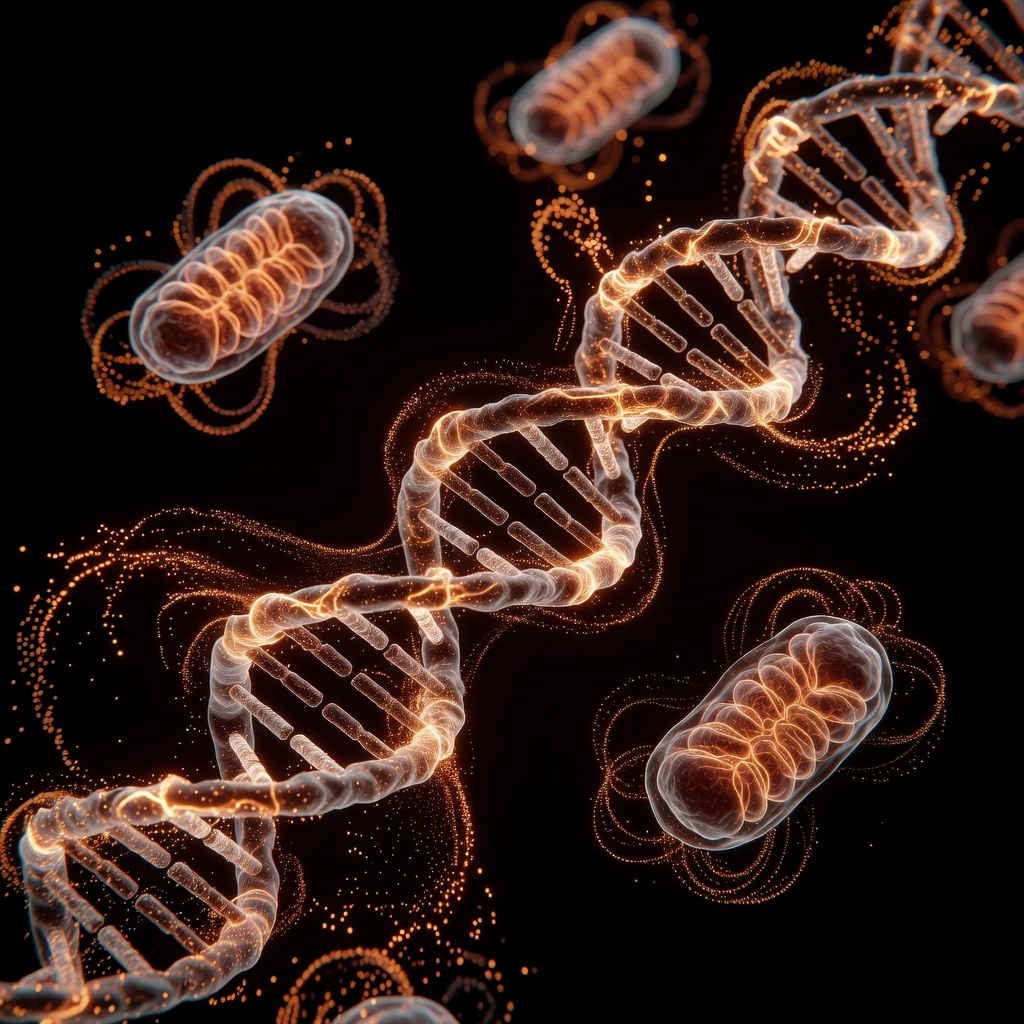
Modern agricultural practices have introduced widespread exposure to glyphosate, the active ingredient in the world's most common herbicide. At INNERSTANDING, we investigate the root-cause mechanisms linking chemical environmental exposures to chronic health issues, particularly intestinal permeability, or 'leaky gut.'
Understanding the Shikimate Pathway
The fundamental mechanism of glyphosate's toxicity lies in its inhibition of the shikimate pathway. This metabolic pathway is essential for the biosynthesis of aromatic amino acids—phenylalanine, tyrosine, and tryptophan—in plants, bacteria, and fungi. Crucially, humans do not possess the shikimate pathway, a fact used for decades to claim that glyphosate is 'safe' for human consumption. However, this perspective ignores the complex ecosystem living within our digestive tract.
Gut Microbiota: The Hidden Casualty
While human cells may lack the shikimate pathway, our gut microbiome does not. The trillions of bacteria residing in our intestines rely on this pathway for survival and the production of vital neurotransmitters like serotonin, which is largely synthesized from tryptophan. When we ingest glyphosate residues, we are effectively deploying an antimicrobial agent that selectively disrupts the balance of our gut flora.
Glyphosate is known to preferentially kill beneficial bacteria, such as Lactobacillus and Bifidobacterium, while showing higher tolerance in pathogenic strains like Clostridium botulinum and Salmonella. This shift creates a state of dysbiosis, where the protective microbial layer of the gut is weakened, making the environment susceptible to inflammation.
Intestinal Integrity and Leaky Gut
The integrity of the intestinal lining depends on 'tight junctions'—protein structures that act as the gatekeepers between our gut lumen and the bloodstream. When the microbiome is compromised by chronic glyphosate exposure, the resulting inflammatory response triggers the downregulation of tight junction proteins such as zonulin. As these junctions loosen, undigested food particles, toxins, and bacterial fragments 'leak' into the systemic circulation.
This triggers an immune response, leading to chronic low-grade inflammation, systemic autoimmunity, and increased metabolic burden. The disruption of the shikimate pathway is not merely a localized digestive issue; it is a systemic cascade that impacts neurological health, immune function, and nutrient absorption.
Root-Cause Considerations
Addressing the impact of glyphosate requires a multifaceted approach focused on restoration. Minimizing dietary exposure through organic, pesticide-free food choices is the primary step. Furthermore, supporting the gut lining with prebiotic fibers, probiotic supplementation, and anti-inflammatory nutrients can help mitigate the damage caused by chronic herbicide exposure. By fostering a diverse and resilient microbiome, we can better protect our intestinal barrier against environmental toxins.
This article is provided for informational and educational purposes only. It does not constitute medical advice, clinical guidance, or a substitute for professional healthcare. Information reflects cited research at time of publication. Always consult a qualified healthcare professional before acting on any health information.
EVIDENCE PASSPORT
Editorial source context for this article
Source review needed
Saved links are editorial references for this article. They may support specific claims rather than every sentence. Open and assess each source in context. This passport does not independently verify them.
Editorial context
A complete editorial reading has not been recorded for this article, and no source links are saved on its record.
Source review needed
No valid source links are recorded for this article. Supplementary research, where available, is listed separately below.
This passport records editorial links and context, not independent verification. Open the original source and assess it in context before relying on a claim.
Medical Disclaimer
The information in this article is for educational purposes only and does not constitute medical advice, diagnosis, or treatment. Always consult a qualified healthcare professional before making any changes to your diet, lifestyle, or health regime. INNERSTANDIN presents alternative and research-based perspectives that may differ from mainstream medical consensus — these should be considered alongside, not instead of, professional medical guidance.
Read Full DisclaimerContinue the thread
Keep this question moving.
Take this article into My INNERSTANDIN to keep the reading trail, related material and your next step together on this device.
Explore this in the Body Map
Explore related body structures and their educational pages in the interactive Body Map.
Dig deeper in the Library
Free, longform PDF volumes that go beyond headlines into mechanisms and references.