
Glyphosate Exposure: Proximity to UK Agriculture and Preterm Birth
Updated May 2026
Living near agricultural areas in the UK exposes pregnant women to glyphosate, which is linked to shortened gestation. This herbicide disrupts the hormonal balance required to maintain a full-term pregnancy.
Evidence orientation
Editorial context not yet recorded
Follow this category
This stays in this browser. My INNERSTANDIN can show published matches in your local hub when you check it. It does not send email, push, or alert notifications.
Local learning review
A private browser aid for revisiting ideas. It is not an alert or a health recommendation.
Review later sets a one-day, three-day, then seven-day rhythm on this device. Choose it only when you want to revisit this article.
Overview
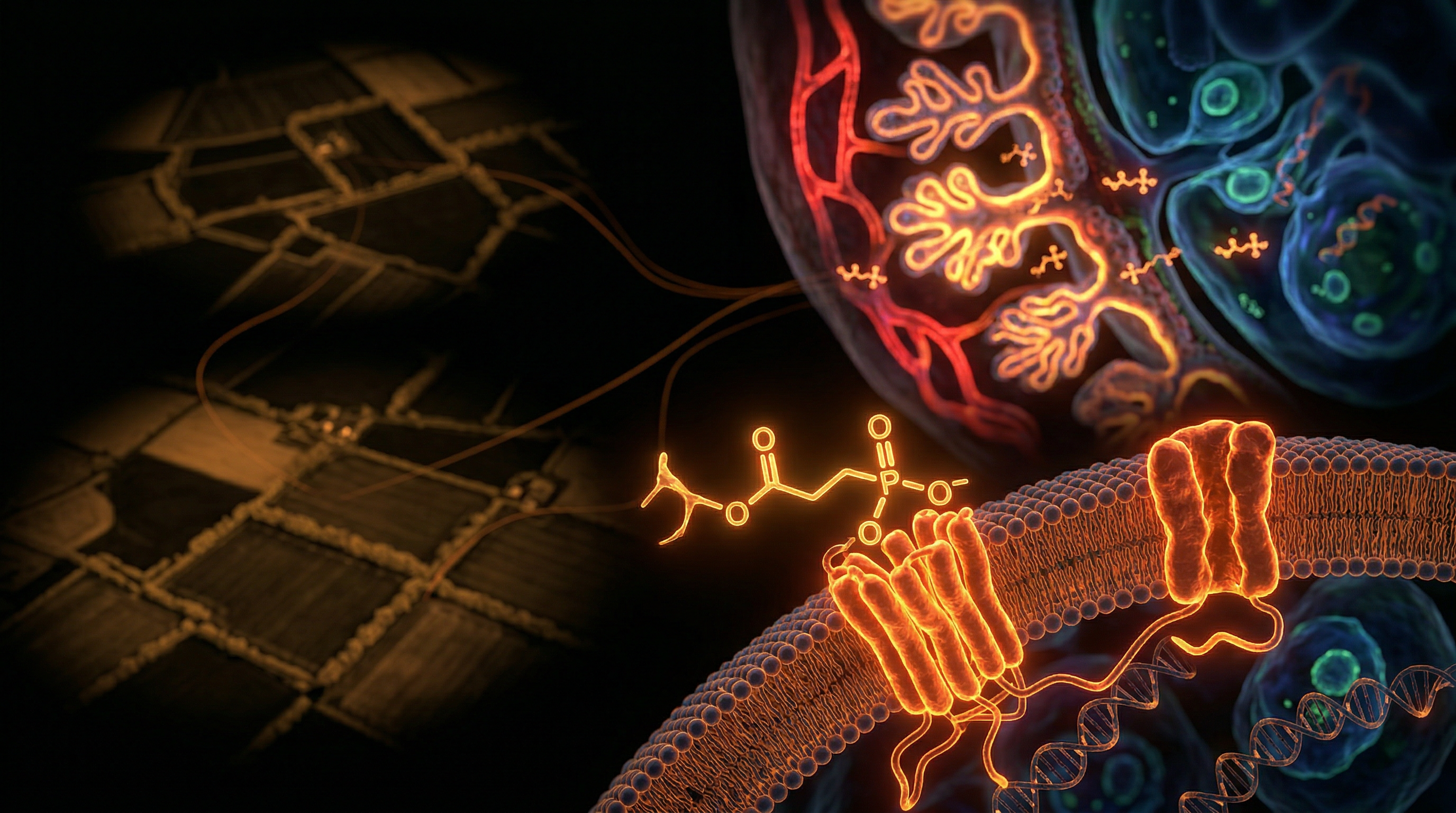
In the verdant landscapes of the United Kingdom, from the rolling hills of the Cotswolds to the intensive arable expanses of East Anglia, a silent chemical encroachment is fundamentally altering the trajectory of human development. As a senior biological researcher for INNERSTANDING, it is my duty to peel back the veneer of 'agricultural necessity' to reveal a harrowing biological reality: the pervasive use of glyphosate-based herbicides (GBHs) is inextricably linked to the rising incidence of preterm birth (PTB) among populations living in proximity to industrial farming operations.
Preterm birth—defined as delivery before 37 weeks of gestation—is not merely a clinical milestone; it is a leading cause of neonatal mortality and long-term neurodevelopmental morbidity. While mainstream obstetrics often attributes PTB to lifestyle factors or vague genetic predispositions, a more sinister culprit emerges when we examine the chemical ecology of the British countryside. Glyphosate, the active ingredient in formulations such as Roundup, is the most heavily used pesticide in UK history. Its application has expanded beyond simple weed control to include "pre-harvest desiccation"—the practice of spraying crops shortly before harvest to kill the plant and accelerate drying.
This practice creates a seasonal surge in atmospheric and dietary exposure for pregnant women. Recent epidemiological data and mechanistic studies suggest that glyphosate is not the "inert" substance the industry claims. Instead, it acts as a potent endocrine disruptor and a systemic metabolic poison. For the pregnant woman living near these sprayed fields, the air she breathes and the water she drinks become conduits for a molecule designed to terminate life.
STATISTIC: According to the Office for National Statistics (ONS), preterm birth rates in the UK have seen a concerning fluctuation, with roughly 7-8% of all births occurring prematurely. In regions with high-intensity arable farming, these clusters often defy standard socioeconomic explanations.
The tragedy lies in the latency of the effect. The exposure is often invisible, odourless, and sanctioned by regulatory bodies that rely on antiquated toxicological models. This article provides a comprehensive synthesis of how glyphosate compromises the delicate hormonal and cellular architecture required to maintain a full-term pregnancy.
The Biology — How It Works
To understand why glyphosate triggers preterm birth, one must first appreciate the exquisite biological synchrony of a healthy pregnancy. Gestation is governed by a "progesterone-maintained" state. Progesterone, the "hormone of pregnancy," keeps the myometrium (the muscular layer of the uterus) in a state of quiescence, preventing contractions. As the pregnancy nears its natural conclusion, a complex "biological clock" involving the placenta, the maternal brain, and the foetal adrenal glands shifts the balance.
The Progesterone-Oestrogen Seesaw
In a normal physiological window, the transition to labour involves a functional withdrawal of progesterone and a concomitant rise in oestrogen. This shift increases the sensitivity of the uterus to oxytocin and prostaglandins, the chemical messengers that initiate labour. Glyphosate disrupts this equilibrium. Research indicates that glyphosate exposure interferes with the expression of enzymes responsible for steroidogenesis—the production of these vital hormones.
The Role of the Placenta
The placenta is not an impermeable barrier; it is a highly active metabolic organ. Glyphosate has been shown to cross the human placenta, directly reaching the developing foetus. More importantly, it accumulates in placental tissues, where it interferes with the production of human chorionic gonadotropin (hCG), a hormone essential for maintaining the early and middle stages of pregnancy.
The Oxytocin Trigger
Glyphosate exposure has been linked to the premature upregulation of oxytocin receptors. When the uterus becomes prematurely sensitive to oxytocin, the "quiescent" phase is truncated, leading to early uterine contractions. This is not a "natural" onset of labour; it is a chemically induced failure of the maternal-foetal interface.
KEY TERM: Quiescence refers to the period during pregnancy when the uterus is non-contractile, a state primarily maintained by high levels of progesterone.
Mechanisms at the Cellular Level
The toxicity of glyphosate is often dismissed because its primary mechanism—the inhibition of the shikimate pathway—is not present in human cells. This is a strategic half-truth. While humans do not possess the 5-enolpyruvylshikimate-3-phosphate synthase (EPSPS) enzyme, our biology is profoundly impacted through several alternative cellular pathways.
Endocrine Disruption and Aromatase Inhibition
Glyphosate acts as a xenoestrogen and an endocrine disruptor. Specifically, it has been shown to inhibit aromatase (CYP19), the enzyme that converts androgens into oestrogens. In the context of pregnancy, any disruption in the aromatase pathway is catastrophic. The placenta relies on aromatase to maintain the hormonal balance required for foetal development. By inhibiting this enzyme, glyphosate creates a hormonal "mismatch" that the body interprets as a signal to terminate gestation.
Oxidative Stress and Mitochondrial Dysfunction
The "Goldilocks" environment of the womb requires a precise balance of Reactive Oxygen Species (ROS). Glyphosate is a known inducer of oxidative stress. It depletes glutathione, the body’s master antioxidant, and disrupts mitochondrial function. When the cells of the placenta (trophoblasts) undergo oxidative stress, they release inflammatory cytokines. This "pro-inflammatory" state is a hallmark precursor to preterm labour.
The Glycine Mimicry Hypothesis
One of the most profound and overlooked mechanisms is glyphosate’s structural similarity to glycine, an essential amino acid. Because glyphosate is N-phosphonomethylglycine, there is compelling evidence that the body may mistakenly incorporate glyphosate into protein synthesis in place of glycine.
- Collagen Integrity: The cervix and the amniotic sac rely on collagen (which is high in glycine) for structural integrity.
- Premature Rupture of Membranes (PROM): If glyphosate is incorporated into the collagen of the amniotic sac, it weakens the "water bag," leading to premature rupture—a primary cause of preterm birth.
The Microbiome Connection
Though humans lack the shikimate pathway, our gut and vaginal microbiomes do not. Glyphosate acts as a broad-spectrum antibiotic. It selectively kills beneficial bacteria (like Lactobacillus) while allowing pathogenic strains (like Clostridia) to flourish.
- A healthy vaginal microbiome dominated by Lactobacillus is protective against preterm birth.
- Glyphosate-induced dysbiosis in the maternal gut and vagina leads to "ascending infections," which trigger the inflammatory cascade that ends in premature delivery.
Environmental Threats and Biological Disruptors
For a pregnant woman in the UK, the threat is not merely the "active ingredient" glyphosate, but the co-formulants found in commercial products like Roundup. These surfactants, such as polyethoxylated tallow amine (POEA), are often more toxic than glyphosate itself. They act as "delivery vehicles," allowing the glyphosate to penetrate cell membranes more efficiently.
Spray Drift and Inhalation
The geography of the UK, with its proximity of villages to arable fields, creates a "drift" hazard. During the peak spraying months of spring and late summer, airborne glyphosate particles can travel several kilometres. Inhalation represents a direct route to the bloodstream, bypassing the first-pass metabolism of the liver.
The Desiccation Crisis
The most significant exposure window in the UK occurs just before the wheat, barley, and oilseed rape harvests. Farmers spray glyphosate to "kill" the crop so it dries evenly.
- This results in high residues in the grain, which enters the UK food chain through bread, cereals, and flour.
- It also creates a massive environmental "pulse" of glyphosate in the air and water systems precisely when many foetuses are in their critical third-trimester development phase.
Groundwater and Bioaccumulation
Despite industry claims that glyphosate binds tightly to soil, UK monitoring has consistently found glyphosate and its metabolite, AMPA (aminomethylphosphonic acid), in groundwater and chalk aquifers. This persistent environmental presence means that exposure is not just seasonal, but chronic.
IMPORTANT FACT: Glyphosate is a potent chelator. It binds to essential minerals like magnesium, zinc, and manganese, making them unavailable to the mother and foetus. Manganese deficiency is specifically linked to impaired foetal growth and neurological issues.
The Cascade: From Exposure to Disease
The path from glyphosate exposure to a neonatal intensive care unit (NICU) is a series of cascading biological failures. It is rarely a single event, but a cumulative "toxic load" that reaches a breaking point.
Step 1: Systemic Inflammation
Upon exposure—whether through the sourdough toast from desiccated wheat or the air in a Norfolk village—the body initiates an immune response. Glyphosate triggers the release of interleukin-6 (IL-6) and tumour necrosis factor-alpha (TNF-α). These are the same markers seen in cases of systemic infection that lead to preterm birth.
Step 2: Placental Insufficiency
As glyphosate accumulates in the placental tissue, it interferes with the "remodelling" of the uterine spiral arteries. This leads to reduced blood flow and oxygen to the foetus (hypoxia). The foetus, sensing a hostile environment, may initiate a "stress response."
Step 3: Activation of the Foetal Stress Axis
When the foetus is stressed by chemical exposure and lack of nutrients (due to chelation), the foetal hypothalamus releases Corticotropin-Releasing Hormone (CRH).
- CRH travels to the foetal adrenal glands, stimulating the production of dehydroepiandrosterone sulfate (DHEA-S).
- The placenta converts DHEA-S into oestrogens.
- This premature surge in oestrogen signals the mother's body that the foetus is "ready" for birth, even if it is weeks too early.
Step 4: Cervical Ripening and Contractions
The inflammatory cytokines and the altered hormone ratio activate enzymes called Matrix Metalloproteinases (MMPs). These enzymes begin to break down the collagen in the cervix (cervical ripening). Simultaneously, the prostaglandins (PGE2) increase, leading to the onset of contractions.
THE CASCADE: Exposure → Oxidative Stress → Cytokine Release → Hormonal Shift → Cervical Ripening → Preterm Birth.
What the Mainstream Narrative Omits
The refusal of the UK's Health and Safety Executive (HSE) and the European Food Safety Authority (EFSA) to ban or severely restrict glyphosate is a masterclass in regulatory capture. The "mainstream" narrative relies on several fallacies that must be exposed.
1. The "Dose Makes the Poison" Fallacy
Toxicology has historically relied on the idea that small doses are harmless. However, Endocrine Disrupting Chemicals (EDCs) like glyphosate do not follow a linear dose-response curve. They often have more profound effects at infinitesimal doses because they mimic the body's own low-level hormones. Regulatory limits (Acceptable Daily Intake or ADI) are based on high-dose animal studies and fail to account for these low-dose hormonal disruptions.
2. The Focus on Pure Glyphosate
Regulatory approvals are based on studies of pure glyphosate. In the real world, no one is exposed to pure glyphosate. They are exposed to the complete formulation, which has been shown in independent studies (such as those by Professor Gilles-Éric Séralini) to be up to 1,000 times more toxic than the active ingredient alone.
3. Ignoring the "Transgenerational" Effect
Mainstream science rarely looks beyond the immediate birth. However, epigenetics shows that glyphosate exposure in the womb can alter the gene expression of the foetus's own germ cells. This means that a woman's exposure to glyphosate in the UK countryside today could affect the reproductive health of her grandchildren.
4. The Suppression of Independent Science
The "Monsanto Papers" (uncovered during US litigation) revealed a concerted effort to ghostwrite scientific papers, discredit independent researchers, and influence regulatory bodies. The UK narrative is heavily influenced by these industry-funded perspectives, which prioritises "yield" and "trade" over public health.
CRITICAL FACT: Glyphosate was originally patented as a descalant/chelator (for cleaning pipes) and later as an antibiotic. Its use as an herbicide was an afterthought. We are essentially spraying a massive amount of antibiotic and mineral-stripping agent onto our food and into our air.
The UK Context
In the United Kingdom, the geography of risk is specific and acute. Unlike the vast, isolated farms of the United States, UK agriculture is interwoven with human habitation.
The "Breadbasket" Risks
East Anglia (Norfolk, Suffolk, Cambridgeshire) and Lincolnshire represent the highest risk zones. These areas produce the bulk of the UK’s cereal crops. The high density of arable land means that nearly every resident is within "drift distance" of a glyphosate application site.
Post-Brexit Regulations
Since leaving the EU, the UK has the "freedom" to set its own pesticide standards. While the EU has faced intense pressure to ban glyphosate (with several countries implementing partial bans), the UK government has shown a tendency to diverge toward less restrictive measures. The extension of glyphosate’s license in the UK, despite the WHO’s IARC classifying it as a "probable carcinogen," is a testament to this regulatory divergence.
The "Public Footpath" Exposure
The UK has a unique network of public rights of way. Many of these paths go directly through or alongside fields of wheat and oilseed rape. Pregnant women, encouraged to walk for health, may unwittingly walk through a "spray zone" during the desiccation window in July and August.
Urban Glyphosate Use
It is not just the countryside. UK local councils use glyphosate extensively to clear pavements and parks. For an expectant mother in London or Manchester, the exposure may come from the very park where she seeks fresh air, adding to the "body burden" already established by her diet.
Protective Measures and Recovery Protocols
Given the ubiquity of glyphosate in the UK environment, total avoidance is nearly impossible. However, biological researchers suggest several strategies to mitigate the impact and protect the pregnancy.
Dietary Intervention
The most effective way to reduce glyphosate burden is to switch to an organic diet.
- Studies have shown that switching to organic food can reduce urinary glyphosate levels by over 70% within just one week.
- Focus specifically on organic grains (bread, oats, pasta), as these are the most likely to have been desiccated with glyphosate.
Water Filtration
Standard carbon filters are often insufficient for removing glyphosate and its metabolites.
- Reverse Osmosis (RO) systems or high-quality gravity filters (like Berkey with specific fluoride/arsenic filters) are more effective at stripping glyphosate from tap water.
Nutritional Support (The "Glycine Shield")
Since glyphosate mimics glycine, ensuring an abundance of "clean" glycine may help prevent the body from incorporating the toxin into proteins.
- Collagen Peptides: Sourced from organic, grass-fed bovine collagen.
- Glycine Supplementation: Under medical supervision, increasing glycine intake may provide a competitive inhibition against glyphosate incorporation.
Mineral Replenishment
Because glyphosate is a chelator, pregnant women in high-risk areas should monitor their mineral levels closely.
- Magnesium and Zinc: Essential for preventing preterm labour and supporting foetal development.
- Fulvic and Humic Acids: These natural substances can act as "binders" in the gut, helping to trap glyphosate and escort it out of the body, though they should be used with caution during pregnancy.
Atmospheric Awareness
- Avoid walking near arable fields during the peak spraying months (March-May and July-August).
- Keep windows closed during active spraying in nearby fields.
- Use high-quality HEPA air purifiers with activated carbon stages inside the home to capture drift particles.
Summary: Key Takeaways
The connection between glyphosate and preterm birth in the UK is a multifaceted biological crisis that demands immediate attention.
- Hormonal Sabotage: Glyphosate acts as an endocrine disruptor, specifically targeting aromatase and progesterone levels, which are critical for maintaining a full-term pregnancy.
- Structural Weakening: By mimicking glycine, glyphosate may weaken the collagen of the amniotic sac and cervix, leading to premature rupture of membranes.
- The UK Spray Window: The practice of pre-harvest desiccation in UK wheat and oilseed rape crops creates a seasonal spike in exposure that correlates with preterm birth risks.
- Regulatory Failure: Current UK safety limits ignore the "cocktail effect" of co-formulants and the non-linear toxicity of endocrine disruptors.
- Protective Action: Mothers can significantly reduce their risk through organic diets, reverse osmosis water filtration, and strategic nutritional support to counteract glyphosate's chelating effects.
As we continue to investigate the molecular mechanisms of this herbicide, the evidence becomes clearer: the "convenience" of modern industrial agriculture is being paid for with the health of the next generation. The "proximity" mentioned in our title is not just geographical—it is biological. We are living in a glyphosate-saturated environment, and the womb, once the safest place on Earth, is now on the front lines of chemical exposure. It is time for a radical "innerstanding" of our environmental health, moving beyond industry-led narratives toward a future where birth is no longer a casualty of the bottom line.
This article is provided for informational and educational purposes only. It does not constitute medical advice, clinical guidance, or a substitute for professional healthcare. Information reflects cited research at time of publication. Always consult a qualified healthcare professional before acting on any health information.
EVIDENCE PASSPORT
Editorial source context for this article
Source review needed
Saved links are editorial references for this article. They may support specific claims rather than every sentence. Open and assess each source in context. This passport does not independently verify them.
Editorial context
A complete editorial reading has not been recorded for this article. Source links remain available for you to open and assess directly.
Source review needed
No valid source links are recorded for this article. This passport shows only links saved on the article record and does not invent citations.
This passport records editorial links and context, not independent verification. Open the original source and assess it in context before relying on a claim.
Medical Disclaimer
The information in this article is for educational purposes only and does not constitute medical advice, diagnosis, or treatment. Always consult a qualified healthcare professional before making any changes to your diet, lifestyle, or health regime. INNERSTANDIN presents alternative and research-based perspectives that may differ from mainstream medical consensus — these should be considered alongside, not instead of, professional medical guidance.
Read Full DisclaimerContinue the thread
Keep this question moving.
Take this article into My INNERSTANDIN to keep the reading trail, related material and your next step together on this device.