
Gut-Derived Lipopolysaccharides and Their Influence on Cerebral Endothelial Permeability
Discuss this resourceUpdated August 2026
An in-depth exploration of how bacterial endotoxins from the gut cross the systemic circulation to compromise the blood-brain barrier, triggering neuroinflammation and cognitive decline.
Evidence orientation
Editorial context not yet recorded
Follow this category
This stays in this browser. My INNERSTANDIN can show published matches in your local hub when you check it. It does not send email, push, or alert notifications.
Local learning review
A private browser aid for revisiting ideas. It is not an alert or a health recommendation.
Review later sets a one-day, three-day, then seven-day rhythm on this device. Choose it only when you want to revisit this article.
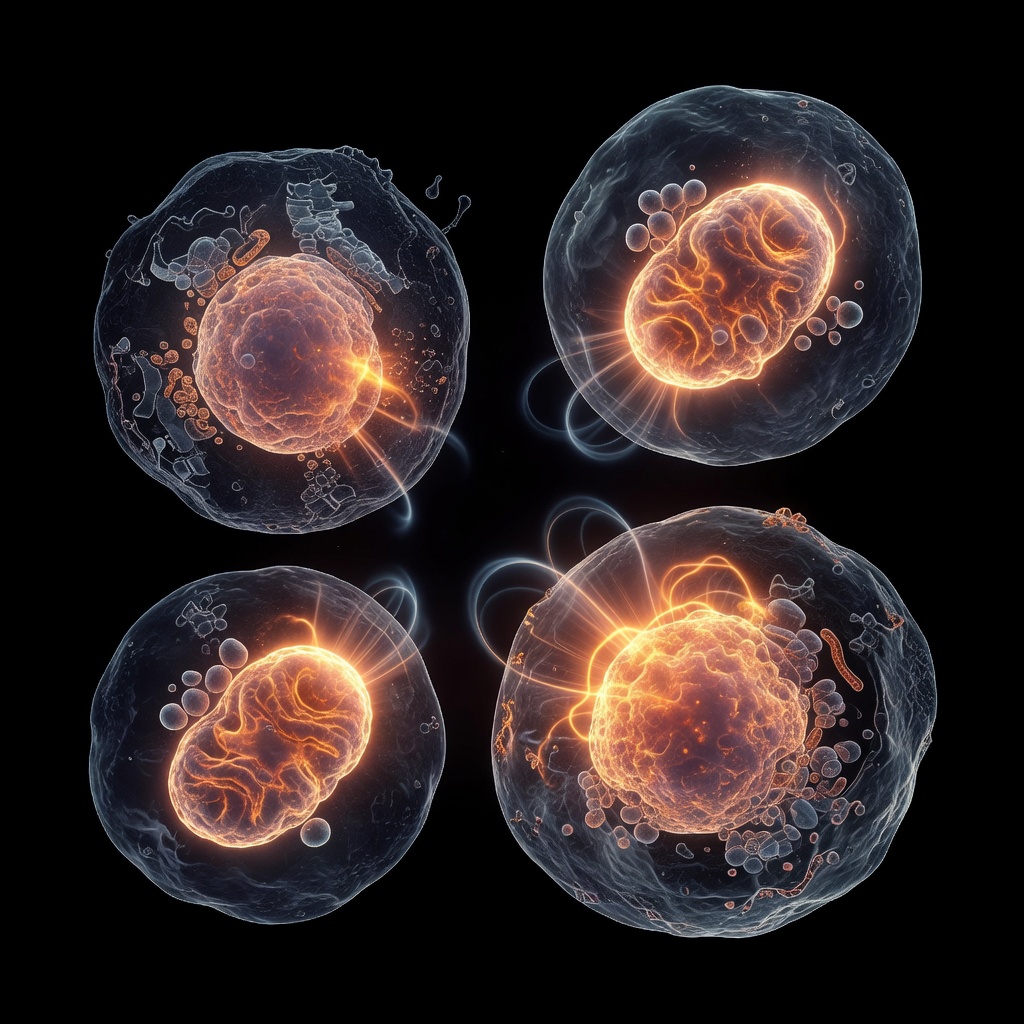
The Gut-Brain Axis: A Gateway to Neuroinflammation
The integrity of the blood-brain barrier (BBB) is fundamental to neurological health. As an INNERSTANDING reader, you know that homeostasis is not merely local—it is systemic. Recent research highlights a critical, yet often overlooked, mechanism of BBB compromise: the translocation of lipopolysaccharides (LPS) from the gut microbiome into systemic circulation. This process, often termed 'metabolic endotoxemia,' serves as a primary driver of cerebral endothelial dysfunction.
What are Lipopolysaccharides (LPS)?
LPS are large, heat-stable molecules composed of a lipid and a polysaccharide, found in the outer membrane of Gram-negative bacteria. While they serve as essential structural components for commensal flora within a healthy gut, they act as potent pro-inflammatory PAMPs (pathogen-associated molecular patterns) when they enter the bloodstream. Under conditions of 'leaky gut' or increased intestinal permeability, these endotoxins breach the epithelial barrier and gain access to systemic circulation.
The Mechanism of Cerebral Endothelial Permeability
Once LPS enters the blood, it travels toward the brain, where it encounters the cerebral endothelial cells—the gatekeepers of the BBB. LPS binds to Toll-like receptor 4 (TLR4) on the surface of these endothelial cells. This interaction triggers a potent intracellular signaling cascade, specifically the NF-κB pathway, leading to the upregulation of inflammatory cytokines like TNF-α and IL-6.
This inflammation causes a physical structural breakdown. Specifically, LPS disrupts the expression and organization of tight junction proteins—namely claudin-5, occludin, and zonula occludens-1. As these 'seals' between cells loosen, the BBB becomes porous. This allows not only further LPS infiltration but also peripheral immune cells and toxic metabolites to enter the brain parenchyma, creating a cycle of neuroinflammation.
Root-Cause Factors: Why Does This Happen?
At INNERSTANDING, we prioritize identifying the root cause rather than just managing symptoms. The elevation of LPS in the blood is rarely an isolated event; it is typically downstream of chronic stressors:
- Dysbiosis: Diets high in ultra-processed foods and low in prebiotic fiber deplete beneficial butyrate-producing bacteria, which are essential for maintaining intestinal tight junctions.
- Chronic Stress: Cortisol secretion increases intestinal permeability, directly facilitating the translocation of bacterial endotoxins into the blood.
- Alcohol and Medications: Chronic alcohol intake and the overuse of NSAIDs can erode the gut lining, creating the perfect conditions for endotoxemia.
Long-Term Neurological Consequences
When the BBB remains compromised, the brain exists in a state of 'low-grade chronic neuroinflammation.' This environment is linked to several cognitive and neurological pathologies, including brain fog, depression, and accelerated neurodegenerative processes. Addressing the gut barrier is, therefore, a foundational step in preserving long-term cognitive function.
Strategies for Mitigation
Restoring the gut-brain connection requires a multifaceted approach: prioritizing whole-food fibers to fuel the microbiome, managing psychological stress to lower cortisol, and reducing systemic inflammation through anti-inflammatory dietary choices. By strengthening the gut barrier, you effectively 'lock the gate' to the brain, preventing systemic LPS from triggering neurological instability.
This article is provided for informational and educational purposes only. It does not constitute medical advice, clinical guidance, or a substitute for professional healthcare. Information reflects cited research at time of publication. Always consult a qualified healthcare professional before acting on any health information.
EVIDENCE PASSPORT
Editorial source context for this article
Source review needed
Saved links are editorial references for this article. They may support specific claims rather than every sentence. Open and assess each source in context. This passport does not independently verify them.
Editorial context
A complete editorial reading has not been recorded for this article, and no source links are saved on its record.
Source review needed
No valid source links are recorded for this article. Supplementary research, where available, is listed separately below.
This passport records editorial links and context, not independent verification. Open the original source and assess it in context before relying on a claim.
Medical Disclaimer
The information in this article is for educational purposes only and does not constitute medical advice, diagnosis, or treatment. Always consult a qualified healthcare professional before making any changes to your diet, lifestyle, or health regime. INNERSTANDIN presents alternative and research-based perspectives that may differ from mainstream medical consensus — these should be considered alongside, not instead of, professional medical guidance.
Read Full DisclaimerContinue the thread
Keep this question moving.
Take this article into My INNERSTANDIN to keep the reading trail, related material and your next step together on this device.
Explore this in the Body Map
Explore related body structures and their educational pages in the interactive Body Map.
Dig deeper in the Library
Free, longform PDF volumes that go beyond headlines into mechanisms and references.