
The Gut-Mast Cell Axis: From Epithelial Integrity to Systemic Chaos
Published April 2026
Exploring the critical link between intestinal permeability and mast cell activation, including the complex role of probiotics in histamine management.
Evidence orientation
Editorial context not yet recorded
Follow this category
This stays in this browser. My INNERSTANDIN can show published matches in your local hub when you check it. It does not send email, push, or alert notifications.
Local learning review
A private browser aid for revisiting ideas. It is not an alert or a health recommendation.
Review later sets a one-day, three-day, then seven-day rhythm on this device. Choose it only when you want to revisit this article.
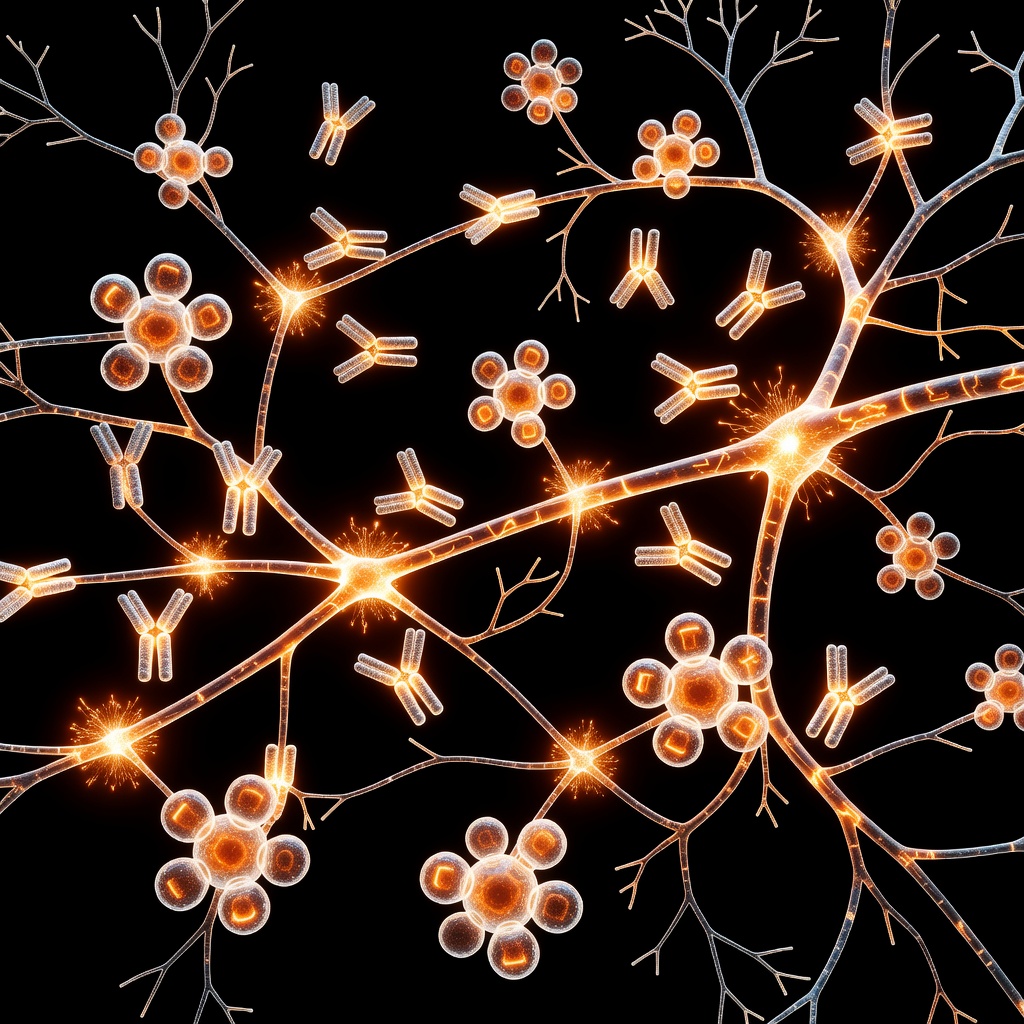
In the study of Mast Cell Activation Syndrome, the gastrointestinal tract is often ground zero. The gut contains the highest concentration of mast cells in the body, positioned strategically within the lamina propria to monitor everything we ingest. When the barrier between the external world and our internal physiology—the gut epithelium—is compromised, a state of systemic chaos ensues. This is the Gut-Mast Cell Axis, a bidirectional communication highway that, when disrupted, fuels the fire of MCAS.
The Mechanism of Epithelial Breach
The gut lining is a single layer of cells held together by tight junctions. Proteins like zonulin regulate these junctions, opening them to allow nutrients in and closing them to keep pathogens out. However, factors common in the modern UK diet—such as glyphosate-treated grains, emulsifiers, and alcohol—can trigger an overproduction of zonulin. When these junctions remain open, undigested food proteins and bacterial components (lipopolysaccharides) leak into the submucosa. Here, they meet the mast cells. The mast cells respond to these 'invaders' by releasing histamine and proteases, which further damage the tight junctions. This creates a self-perpetuating cycle of 'leaky gut' and 'leaky mast cells.'
The Probiotic Paradox in MCAS
For most people with gut issues, probiotics are the first line of defense. However, for the MCAS patient, standard probiotics can be a hidden trigger. Many common strains, particularly those in the Lactobacillus family (such as L. casei and L. bulgaricus), are actually histamine producers. Ingesting these can increase the total histamine load in the gut, leading to bloating, abdominal pain, and systemic flushing. Conversely, strains like Bifidobacterium infantis and Lactobacillus rhamnosus have been shown to degrade histamine or stabilize mast cells. Navigating the gut-mast cell axis requires a surgical precision in microbial intervention rather than a broad-spectrum approach.
Healing the Submucosal Frontier
Addressing the gut in MCAS requires a two-fold strategy: sealing the barrier and calming the resident immune cells. Substances like Zinc Carnosine and Colostrum (for those who tolerate dairy) can support the repair of the epithelial lining. Simultaneously, the use of natural mast cell stabilizers that act locally in the gut, such as Sodium Cromoglicate or specific flavonoids, can prevent the release of the mediators that drive permeability. By restoring the integrity of the gut barrier, we remove the primary source of 'danger signals' that keep the systemic mast cell population in a state of hyper-vigilance.
This article is provided for informational and educational purposes only. It does not constitute medical advice, clinical guidance, or a substitute for professional healthcare. Information reflects cited research at time of publication. Always consult a qualified healthcare professional before acting on any health information.
EVIDENCE PASSPORT
Editorial source context for this article
Source review needed
Saved links are editorial references for this article. They may support specific claims rather than every sentence. Open and assess each source in context. This passport does not independently verify them.
Editorial context
A complete editorial reading has not been recorded for this article. Source links remain available for you to open and assess directly.
Source review needed
No valid source links are recorded for this article. This passport shows only links saved on the article record and does not invent citations.
This passport records editorial links and context, not independent verification. Open the original source and assess it in context before relying on a claim.
Medical Disclaimer
The information in this article is for educational purposes only and does not constitute medical advice, diagnosis, or treatment. Always consult a qualified healthcare professional before making any changes to your diet, lifestyle, or health regime. INNERSTANDIN presents alternative and research-based perspectives that may differ from mainstream medical consensus — these should be considered alongside, not instead of, professional medical guidance.
Read Full DisclaimerContinue the thread
Keep this question moving.
Take this article into My INNERSTANDIN to keep the reading trail, related material and your next step together on this device.
Explore this in the Body Map
See where this hits your biology. Interactive anatomy, threats, and protective protocols.
Dig deeper in the Library
Free, longform PDF volumes that go beyond headlines into mechanisms and references.