
Heavy Metal Exposure and Hematopoietic Toxicity: Disrupting the Bone Marrow Stem Cell Niche
Discuss this resourceUpdated August 2026
An exploration of how environmental heavy metal accumulation impairs hematopoiesis, damages the bone marrow microenvironment, and drives systemic immune dysregulation.
Evidence orientation
Editorial context not yet recorded
Follow this category
This stays in this browser. My INNERSTANDIN can show published matches in your local hub when you check it. It does not send email, push, or alert notifications.
Local learning review
A private browser aid for revisiting ideas. It is not an alert or a health recommendation.
Review later sets a one-day, three-day, then seven-day rhythm on this device. Choose it only when you want to revisit this article.
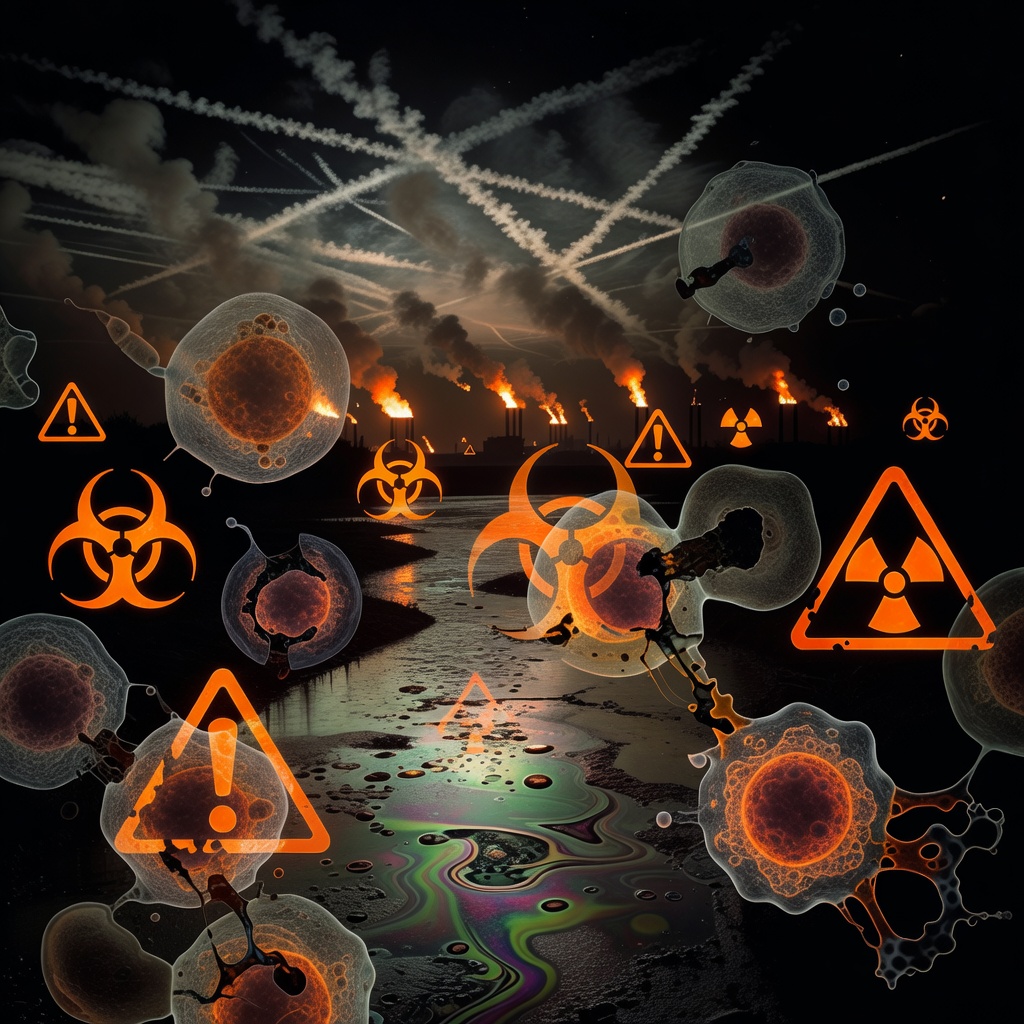
The Silent Architecture of Blood Formation. Hematopoiesis is a tightly regulated, high-stakes biological process occurring within the specialized architecture of the bone marrow. At the heart of this system lies the hematopoietic stem cell (HSC) niche, a complex microenvironment composed of stromal cells, signaling molecules, and a supportive vascular network. Increasingly, evidence points to heavy metal accumulation—specifically lead, mercury, cadmium, and arsenic—as a primary driver of hematopoietic toxicity, disrupting the delicate balance required for sustained blood production. ### Mechanistic Pathways of Toxicity. Heavy metals exert toxicity through oxidative stress, molecular mimicry, and direct enzymatic inhibition.
Because hematopoietic stem cells are highly proliferative, they are particularly vulnerable to genotoxic damage. Lead, for instance, interferes with the synthesis of heme by inhibiting delta-aminolevulinic acid dehydratase, leading to anemia even at sub-clinical levels. Meanwhile, cadmium displaces essential divalent cations like zinc and calcium, disrupting the transcriptional regulation required for HSC self-renewal and lineage commitment. ### The Bone Marrow Microenvironment. The toxicity is not limited to the stem cells alone. The bone marrow niche relies on complex cross-talk between mesenchymal stem cells (MSCs) and HSCs.
Heavy metals induce inflammatory cytokine release within the stroma, effectively 'poisoning the soil' in which blood cells grow. Chronic exposure leads to fibrosis of the marrow space and a decrease in vascular integrity, which impairs the delivery of oxygen and nutrients to developing progenitor cells. This structural breakdown results in ineffective hematopoiesis, manifesting clinically as myelosuppression, altered leukocyte differentiation, and chronic fatigue. ### Root-Cause Perspectives on Environmental Burden. At INNERSTANDING, we look beyond symptoms to the environmental roots of pathology. The bioaccumulation of these metals is often linked to industrial pollution, dietary intake, and long-term storage in mineralized tissues like bone.
Over decades, these 'sequestered' metals are slowly released back into systemic circulation, creating a continuous feedback loop of toxic exposure. Addressing hematopoietic disorders requires a comprehensive assessment of the total toxic burden rather than symptomatic management. ### Strategies for Resiliency. Supporting hematopoiesis in the face of toxic stress involves mitigating oxidative damage and optimizing metabolic pathways. High-quality antioxidant support, the chelation-promoting influence of specific dietary sulfur compounds, and ensuring optimal trace mineral status—particularly selenium and zinc, which antagonize heavy metal binding—are critical interventions. By prioritizing the structural integrity of the bone marrow niche, we can enhance systemic resilience against the inevitable stressors of the modern environment.
This article is provided for informational and educational purposes only. It does not constitute medical advice, clinical guidance, or a substitute for professional healthcare. Information reflects cited research at time of publication. Always consult a qualified healthcare professional before acting on any health information.
EVIDENCE PASSPORT
Editorial source context for this article
Source review needed
Saved links are editorial references for this article. They may support specific claims rather than every sentence. Open and assess each source in context. This passport does not independently verify them.
Editorial context
A complete editorial reading has not been recorded for this article, and no source links are saved on its record.
Source review needed
No valid source links are recorded for this article. Supplementary research, where available, is listed separately below.
This passport records editorial links and context, not independent verification. Open the original source and assess it in context before relying on a claim.
Medical Disclaimer
The information in this article is for educational purposes only and does not constitute medical advice, diagnosis, or treatment. Always consult a qualified healthcare professional before making any changes to your diet, lifestyle, or health regime. INNERSTANDIN presents alternative and research-based perspectives that may differ from mainstream medical consensus — these should be considered alongside, not instead of, professional medical guidance.
Read Full DisclaimerContinue the thread
Keep this question moving.
Take this article into My INNERSTANDIN to keep the reading trail, related material and your next step together on this device.