
Heavy Metal Sequestration and the Role of Targeted Trace Mineral Antagonism
Discuss this resourceUpdated August 2026
An exploration of how trace mineral imbalances allow heavy metals to displace biological minerals and how targeted antagonism can be used to safely sequester and remove toxic burdens at a cellular level.
Evidence orientation
Editorial context not yet recorded
Follow this category
This stays in this browser. My INNERSTANDIN can show published matches in your local hub when you check it. It does not send email, push, or alert notifications.
Local learning review
A private browser aid for revisiting ideas. It is not an alert or a health recommendation.
Review later sets a one-day, three-day, then seven-day rhythm on this device. Choose it only when you want to revisit this article.
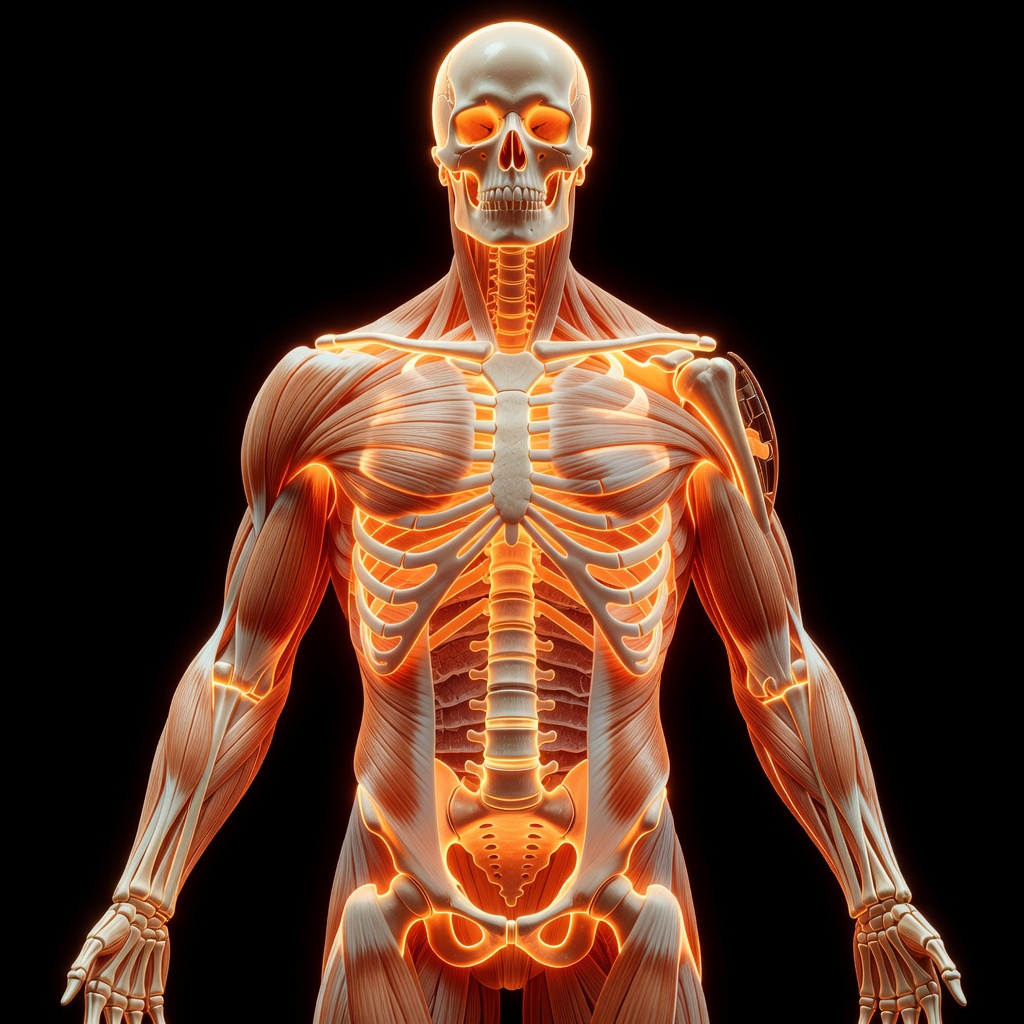
Introduction: The Invisible Architecture of Toxicity. In the modern UK landscape, environmental exposure to heavy metals like lead, mercury, aluminium, and cadmium has become an unavoidable reality. At INNERSTANDING, we view mineral health not merely as a supplement game, but as a rigid structural hierarchy. Heavy metal toxicity is rarely just about exposure; it is a symptom of mineral deficiency. When the body lacks essential minerals like zinc, magnesium, and selenium, it fills these biological voids with toxic heavy metals.
This process, known as bio-isomorphism, is the primary driver of systemic inflammation. ### The Principle of Mineral Antagonism. Mineral antagonism is a fundamental law of biochemistry. Certain elements share chemical properties, meaning they compete for the same transport proteins and receptor sites. If your levels of a vital nutrient are low, a heavy metal will 'mimic' that nutrient to gain entry into the cell. To reverse this, we utilise targeted mineral antagonism.
By saturating the body with specific, high-bioavailability minerals, we can essentially 'crowd out' the heavy metals. For instance, zinc is a direct antagonist to cadmium; when tissue zinc levels are optimal, cadmium is displaced and forced into the bloodstream for elimination. ### The Mechanism of Sequestration. Sequestration is the process of binding heavy metals into inert complexes, preventing them from causing oxidative stress while they migrate toward the primary excretory pathways (liver, kidneys, and bile). Many protocols mistakenly focus on aggressive chelation, which can cause 'metal redistribution'—where toxins are ripped from deep tissues but not effectively flushed, leading to systemic 'brain fog' or neurological flare-ups. Our approach prioritizes 'Mineral Balancing' as a precursor to excretion.
We focus on stabilizing the adrenal-thyroid axis, as these glands act as the gatekeepers of mineral retention. Without adequate adrenal function, the body cannot effectively mobilize toxins from storage in adipose tissue or bone matrix. ### Practical Implementation. Step one is a HTMA (Hair Tissue Mineral Analysis) to identify the specific antagonist relationship at play. If an individual shows high aluminium levels, the protocol would include specific doses of silicon and magnesium to block uptake and facilitate renal clearance. Step two involves optimizing bile flow.
Heavy metals are often dumped into the bile. If the bile is stagnant, the body will simply reabsorb these toxins in the gut, a phenomenon known as enterohepatic recirculation. Here, binders like activated charcoal or modified citrus pectin act as non-systemic antagonists, catching toxins in the digestive tract before they can return to circulation. ### Long-Term Resilience. The goal is to build a body that is chemically resilient. By maintaining a robust trace mineral profile—specifically balancing the copper-to-zinc ratio and ensuring selenium levels are sufficient to support glutathione production—we turn the body into a hostile environment for heavy metals.
Toxicity is a temporary state, provided the internal environment is rehabilitated with the correct mineral hierarchy. Remember, we are not just removing the bad; we are building the good, until the bad has no place left to dwell.
This article is provided for informational and educational purposes only. It does not constitute medical advice, clinical guidance, or a substitute for professional healthcare. Information reflects cited research at time of publication. Always consult a qualified healthcare professional before acting on any health information.
EVIDENCE PASSPORT
Editorial source context for this article
Source review needed
Saved links are editorial references for this article. They may support specific claims rather than every sentence. Open and assess each source in context. This passport does not independently verify them.
Editorial context
A complete editorial reading has not been recorded for this article, and no source links are saved on its record.
Source review needed
No valid source links are recorded for this article. Supplementary research, where available, is listed separately below.
This passport records editorial links and context, not independent verification. Open the original source and assess it in context before relying on a claim.
Medical Disclaimer
The information in this article is for educational purposes only and does not constitute medical advice, diagnosis, or treatment. Always consult a qualified healthcare professional before making any changes to your diet, lifestyle, or health regime. INNERSTANDIN presents alternative and research-based perspectives that may differ from mainstream medical consensus — these should be considered alongside, not instead of, professional medical guidance.
Read Full DisclaimerContinue the thread
Keep this question moving.
Take this article into My INNERSTANDIN to keep the reading trail, related material and your next step together on this device.
Explore this in the Body Map
Explore related body structures and their educational pages in the interactive Body Map.
Dig deeper in the Library
Free, longform PDF volumes that go beyond headlines into mechanisms and references.