
Hedgerows and Health: The Role of UK Agroforestry in Cultivating Nutrient-Dense Ecosystems
Updated April 2026
Evidence orientation
Editorial context not yet recorded
Follow this category
This stays in this browser. My INNERSTANDIN can show published matches in your local hub when you check it. It does not send email, push, or alert notifications.
Local learning review
A private browser aid for revisiting ideas. It is not an alert or a health recommendation.
Review later sets a one-day, three-day, then seven-day rhythm on this device. Choose it only when you want to revisit this article.
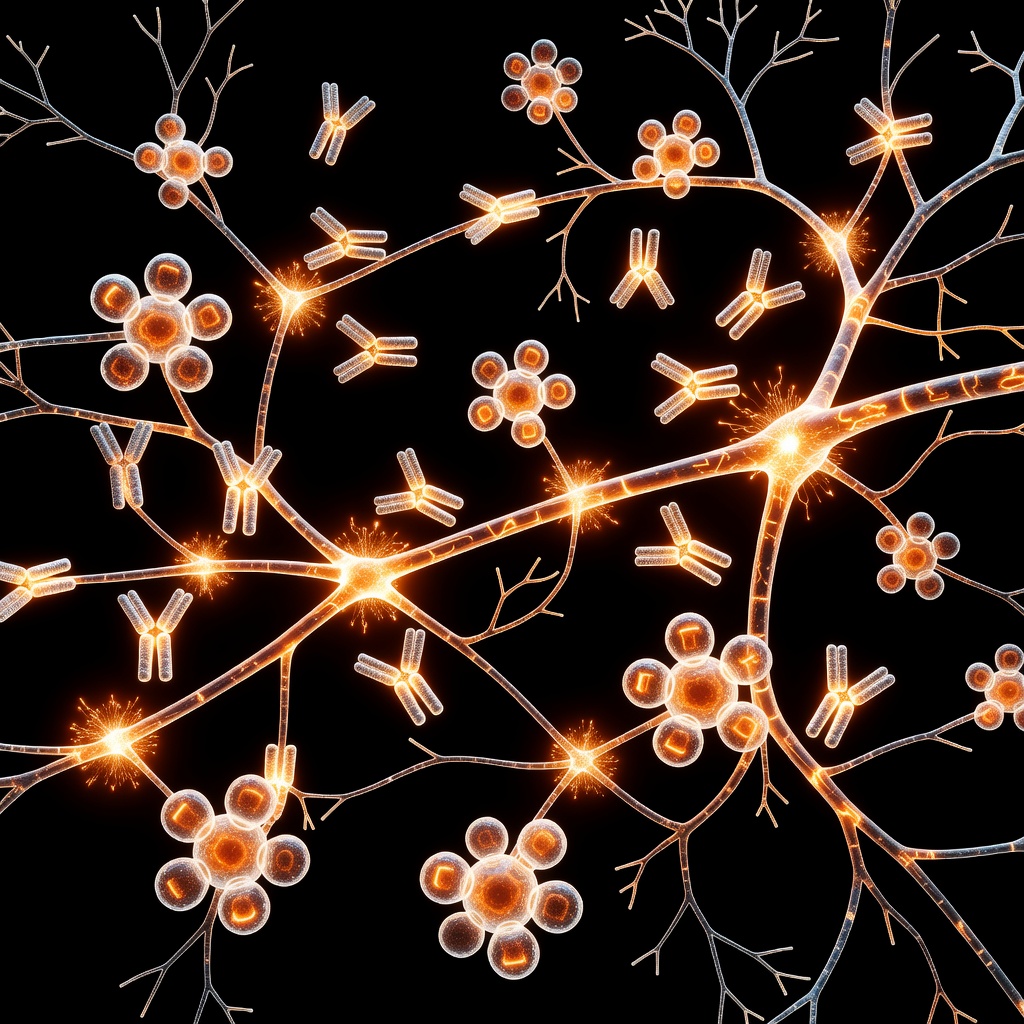
In the modern quest for longevity and peak physiological performance, the focus has shifted from calorie counting to nutrient density. However, the missing link in this conversation is rarely found in a pharmacy or a laboratory; it is found in the ancient, tangled boundaries of the British countryside. The hedgerow, once the backbone of British agriculture, is not merely a rustic fence. It is a sophisticated biological engine—a cornerstone of agroforestry that dictates the mineral profile of our soil and, consequently, the biological integrity of our bodies.
For decades, the industrialisation of British farming has viewed the hedgerow as an obstacle to efficiency. This reductionist perspective has led to the removal of over 50% of our hedgerows since the Second World War. The result? A systemic collapse in soil microbial diversity and a measurable decline in the vitamins and minerals found in our food. To understand the health of the British citizen, one must first understand the health of the British hedge.
Overview: The Living Infrastructure of Health
At its core, agroforestry is the intentional integration of trees and shrubs into crop and livestock systems. In the United Kingdom, the most prevalent and historically significant form of agroforestry is the hedgerow. These "living walls" serve as the vascular system of the landscape, transporting nutrients, sheltering beneficial organisms, and regulating the local microclimate.
From a health education perspective, the hedgerow represents the interface between ecology and endocrinology. When we destroy these ecosystems to make way for monoculture "green deserts," we disrupt the biogeochemical cycles that deliver magnesium, selenium, and zinc to our dinner plates. A hedgerow is not just a boundary; it is a nutrient pump and a bio-filter that protects the vitality of the land.
"The decline of the British hedgerow is synonymous with the decline of British soil vitality. We cannot expect to harvest nutrient-dense food from a landscape that has been stripped of its biological complexity."
Biological Mechanisms: The Deep-Rooted Truth
To understand how hedgerows influence human health, we must look beneath the surface. The biological mechanisms at play involve complex interactions between plant roots, fungi, and the mineral bedrock.
The Mycorrhizal Network (The Wood Wide Web)
Hedgerows act as "reservoirs" for mycorrhizal fungi. These fungi form symbiotic relationships with plant roots, effectively extending the root system’s surface area by hundreds of times. In a landscape bisected by hedgerows, these fungal networks remain undisturbed by the heavy tilling common in industrial farming.
This network is essential for the uptake of phosphorus and trace minerals. Without these fungal bridges, plants become "lazy," relying on synthetic NPK (Nitrogen, Phosphorus, Potassium) fertilisers which lead to rapid growth but significantly lower phytonutrient concentrations.
Mineral Cycling and Subsoil Access
Most annual crops have shallow root systems that only access the top few inches of soil—a layer that is often depleted of essential minerals. In contrast, the trees and shrubs in a hedgerow (such as Hawthorn, Blackthorn, and Hazel) have deep taproots that reach into the subsoil and parent rock.
These deep roots pull up minerals—such as calcium, magnesium, and boron—and incorporate them into their leaves. When these leaves fall and decompose, they deposit these minerals onto the topsoil in a bioavailable form, creating a "nutrient halo" that benefits the surrounding crops and pastures.
The Rhizosphere and Microbiome Diversity
The soil surrounding a hedgerow is teeming with life. This rhizosphere is a hub of bacterial activity that mimics the diversity of a healthy human gut. Research suggests that exposure to a diverse array of soil microbes can prime the human immune system and reduce the incidence of autoimmune disorders. By maintaining hedgerows, we preserve the "environmental microbiome" that is essential for human immunological resilience.
UK Context & Relevance: From Enclosure to Erosion
The history of the British landscape is written in its hedges. The Enclosure Acts of the 18th and 19th centuries formalised the hedgerow as a tool for land management. However, the post-1945 "Dig for Victory" legacy and subsequent Common Agricultural Policy (CAP) incentives encouraged farmers to rip out hedges to facilitate massive machinery and "efficient" monocultures.
The Nutritional Cost of Modernity
As the hedges vanished, so did the soil structure. In the UK, we are currently losing approximately 2.2 million tonnes of topsoil annually to erosion. This is a public health emergency. When topsoil erodes, the most nutrient-rich part of the earth is washed into rivers, taking with it the potential for nutrient-dense food.
Furthermore, the UK’s climate—characterised by high rainfall and wind—makes hedgerows indispensable. They act as windbreaks, reducing the physical stress on crops. Plants under constant wind stress produce more "survival" hormones and fewer secondary metabolites (the antioxidants and polyphenols that humans need for health).
The Resurgence of Agroforestry
Fortunately, a paradigm shift is occurring. Forward-thinking UK farmers are transitioning to regenerative agriculture, re-planting miles of hedgerows to restore balance. This move towards silvopasture (integrating trees with livestock) and silvoarable (trees with crops) systems is the only viable path to restoring the nutritional integrity of the British diet.
Environmental Factors: The Protective Shield
Hedgerows do more than just provide nutrients; they act as a biological shield against environmental toxins and climate volatility.
- Pesticide Buffering: Hedgerows capture airborne chemical spray drift, preventing synthetic pesticides from contaminating neighbouring fields or water sources.
- Water Filtration: The complex root systems of a hedge act as a biological filter, removing nitrates and phosphates from runoff before they reach our drinking water.
- Carbon Sequestration: Hedgerows are high-density carbon sinks. By pulling CO2 from the atmosphere and storing it in their biomass and the soil, they mitigate the climate-related stressors that threaten long-term food security.
- Natural Pest Management: A healthy hedge is home to predatory insects (like ladybirds and hoverflies) and birds. This natural "biocontrol" reduces the need for chemical insecticides, ensuring that the food produced is free from endocrine-disrupting residues.
"A landscape without hedgerows is a landscape without an immune system. We have traded long-term ecological stability for short-term caloric output, and our collective health has paid the price."
Protective Strategies: Cultivating Vitality
How do we bridge the gap between agroforestry and the dinner table? It requires a conscious effort from both producers and consumers to prioritise the ecosystem services provided by hedgerows.
1. Support "Hedge-Friendly" Produce
Consumers should seek out farmers who utilise regenerative practices. Look for labels that mention "Pasture-for-Life," "Organic," or "Biodynamic" certifications, as these systems are far more likely to maintain and value hedgerow infrastructure.
2. The Concept of "Hedgerow Medicine"
Historically, the British hedgerow was a pharmacy. Species like Elderberry (immune support), Rosehips (high Vitamin C), and Hawthorn (cardiovascular health) provide potent medicinal compounds. Re-integrating these wild-foraged foods into the diet is a direct way to bypass the nutrient deficiencies of industrial produce.
3. Advocating for Policy Change
The UK’s new Environmental Land Management schemes (ELMs) are beginning to reward farmers for "public goods" like hedgerow maintenance. Supporting policies that move away from "yield-at-all-costs" and toward "health-per-acre" is essential for systemic change.
4. Soil Testing for Nutrient Density
We must demand transparency in our food system. Testing food for mineral content rather than just weight or appearance would expose the "hollow" nature of food grown in degraded, hedge-less soils.
Key Takeaways: The Path to Innerstanding
To achieve "Innerstanding" of our health, we must look outward at the structures that support life. The British hedgerow is a testament to the fact that human health is a sub-set of soil health.
- Hedgerows are Nutrient Pumps: They bring deep-earth minerals into the food chain through leaf litter and fungal networks.
- Microbial Diversity is Non-Negotiable: The "environmental microbiome" of a hedgerow-rich landscape is essential for a robust human immune system.
- Stress Reduction for Plants: By providing microclimate stability, hedgerows allow crops to produce higher levels of protective phytochemicals.
- Erosion Prevention: Hedges protect the precious topsoil that contains the majority of our food’s nutritional potential.
- Agroforestry is the Future: Moving away from monoculture and toward integrated, tree-filled landscapes is the most effective way to combat the modern "hidden hunger" of nutrient deficiency.
In conclusion, the restoration of the UK’s hedgerows is not a matter of nostalgia; it is a matter of biological necessity. By cultivating these nutrient-dense ecosystems, we are not just fixing the landscape—we are rebuilding the foundation of human vitality. The next time you walk past a hawthorn hedge, see it for what it truly is: a guardian of our collective health, waiting to be reinstated.
This article is provided for informational and educational purposes only. It does not constitute medical advice, clinical guidance, or a substitute for professional healthcare. Information reflects cited research at time of publication. Always consult a qualified healthcare professional before acting on any health information.
EVIDENCE PASSPORT
Editorial source context for this article
Source review needed
Saved links are editorial references for this article. They may support specific claims rather than every sentence. Open and assess each source in context. This passport does not independently verify them.
Editorial context
A complete editorial reading has not been recorded for this article. Source links remain available for you to open and assess directly.
Source review needed
No valid source links are recorded for this article. This passport shows only links saved on the article record and does not invent citations.
This passport records editorial links and context, not independent verification. Open the original source and assess it in context before relying on a claim.
Medical Disclaimer
The information in this article is for educational purposes only and does not constitute medical advice, diagnosis, or treatment. Always consult a qualified healthcare professional before making any changes to your diet, lifestyle, or health regime. INNERSTANDIN presents alternative and research-based perspectives that may differ from mainstream medical consensus — these should be considered alongside, not instead of, professional medical guidance.
Read Full DisclaimerContinue the thread
Keep this question moving.
Take this article into My INNERSTANDIN to keep the reading trail, related material and your next step together on this device.