
Hepatic Lipotoxicity and the Role of Synthetic Sweeteners in Non-Alcoholic Fatty Liver Progression
Discuss this resourceUpdated August 2026
This article explores the biochemical link between artificial sweeteners and non-alcoholic fatty liver disease (NAFLD), focusing on hepatic lipotoxicity and metabolic disruption.
Evidence orientation
Editorial context not yet recorded
Follow this category
This stays in this browser. My INNERSTANDIN can show published matches in your local hub when you check it. It does not send email, push, or alert notifications.
Local learning review
A private browser aid for revisiting ideas. It is not an alert or a health recommendation.
Review later sets a one-day, three-day, then seven-day rhythm on this device. Choose it only when you want to revisit this article.
For decades, synthetic sweeteners have been marketed as a 'free pass' for health-conscious individuals looking to bypass the metabolic consequences of sugar. However, at INNERSTANDING, we look deeper than calorie counts. The emerging evidence suggests that non-nutritive sweeteners (NNS) are far from inert, acting as potent disruptors in the development of non-alcoholic fatty liver disease (NAFLD).
Understanding Hepatic Lipotoxicity
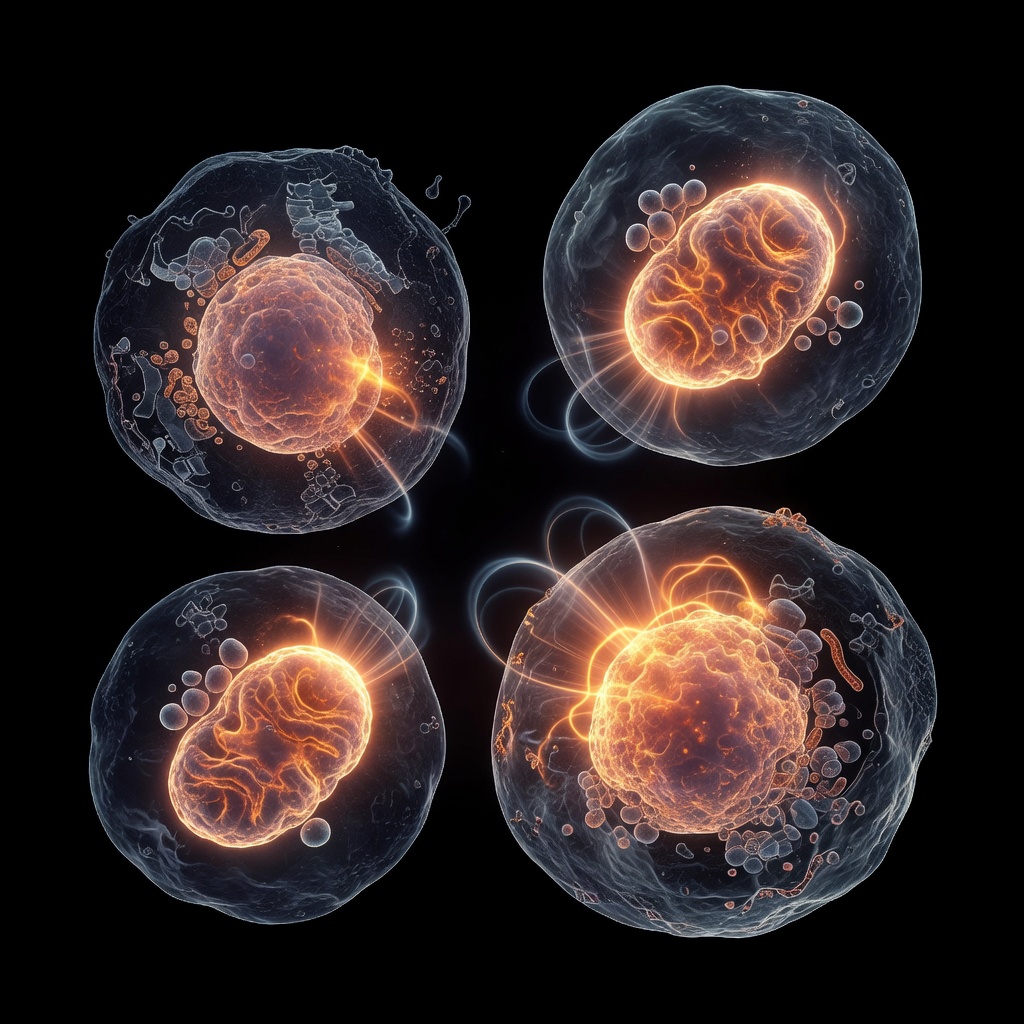
Hepatic lipotoxicity occurs when the liver becomes overwhelmed by lipid (fat) accumulation, leading to oxidative stress, mitochondrial dysfunction, and inflammation. When the liver cannot effectively process the influx of free fatty acids, these compounds form toxic metabolites that damage hepatocytes. This cellular stress is the root cause of NAFLD progression.
The Sweetener-Liver Connection
While NNS like aspartame, sucralose, and saccharin lack glucose, they interact with the gut-liver axis in ways that fundamentally alter hepatic fat metabolism.
- Gut Microbiota Dysbiosis: Emerging studies indicate that synthetic sweeteners significantly alter the composition of the gut microbiome. This dysbiosis increases gut permeability (leaky gut), allowing bacterial lipopolysaccharides (LPS) to enter the portal circulation and travel directly to the liver. This triggers a chronic inflammatory state.
- Sweet Taste Receptors and Metabolic Signaling: Our bodies possess sweet taste receptors not just on the tongue, but throughout the gastrointestinal tract and liver. When these receptors are chronically stimulated by intense synthetic sweeteners, they trigger hormonal cascades that can disrupt insulin signaling, forcing the liver into a state of 'de novo lipogenesis'—creating new fat stores despite the absence of dietary sugar.
Why 'Zero Calorie' Isn't 'Zero Impact'
Many consumers believe that if a substance contains zero calories, it cannot contribute to fatty liver. This is a misunderstanding of metabolic pathways. The liver is the body's primary chemical processing plant. When it detects an intense sweet signal without a corresponding nutritional payload, it initiates a compensation mechanism that complicates glycemic control and promotes lipid storage.
Conclusion: Moving Toward Metabolic Resilience
If we are to reverse the rise of NAFLD, we must look beyond caloric restriction and address the quality of our metabolic fuel. Synthetic sweeteners represent a significant, overlooked variable in the progression of hepatic lipotoxicity. Prioritizing whole, unprocessed foods remains the gold standard for maintaining a healthy liver and protecting against the silent progression of metabolic disease.
This article is provided for informational and educational purposes only. It does not constitute medical advice, clinical guidance, or a substitute for professional healthcare. Information reflects cited research at time of publication. Always consult a qualified healthcare professional before acting on any health information.
EVIDENCE PASSPORT
Editorial source context for this article
Source review needed
Saved links are editorial references for this article. They may support specific claims rather than every sentence. Open and assess each source in context. This passport does not independently verify them.
Editorial context
A complete editorial reading has not been recorded for this article, and no source links are saved on its record.
Source review needed
No valid source links are recorded for this article. Supplementary research, where available, is listed separately below.
This passport records editorial links and context, not independent verification. Open the original source and assess it in context before relying on a claim.
Medical Disclaimer
The information in this article is for educational purposes only and does not constitute medical advice, diagnosis, or treatment. Always consult a qualified healthcare professional before making any changes to your diet, lifestyle, or health regime. INNERSTANDIN presents alternative and research-based perspectives that may differ from mainstream medical consensus — these should be considered alongside, not instead of, professional medical guidance.
Read Full DisclaimerContinue the thread
Keep this question moving.
Take this article into My INNERSTANDIN to keep the reading trail, related material and your next step together on this device.
Explore this in the Body Map
Explore related body structures and their educational pages in the interactive Body Map.
Dig deeper in the Library
Free, longform PDF volumes that go beyond headlines into mechanisms and references.