
The Hidden Cost of New Home Smell: Understanding Volatile Organic Compounds
Updated June 2026
This article explores the chemistry and health implications of Volatile Organic Compounds (VOCs) that off-gas from modern construction and home furnishings. It provides an evidence-based guide on how to identify and reduce chemical exposure in the UK's increasingly sealed living environments.
Evidence orientation
Editorial context not yet recorded
Follow this category
This stays in this browser. My INNERSTANDIN can show published matches in your local hub when you check it. It does not send email, push, or alert notifications.
Local learning review
A private browser aid for revisiting ideas. It is not an alert or a health recommendation.
Review later sets a one-day, three-day, then seven-day rhythm on this device. Choose it only when you want to revisit this article.
Overview
The olfactory signature of a freshly commissioned British residence—often colloquially termed the ‘new home smell’—is frequently misinterpreted by the layperson as a hallmark of pristine hygiene and structural integrity. However, from the perspective of molecular toxicology and systemic physiology, this scent represents a complex, concentrated plume of airborne toxicants known as Volatile Organic Compounds (VOCs). At INNERSTANDIN, we move beyond the sensory experience to expose the biophysical reality: these compounds are pharmacologically active agents capable of penetrating biological barriers and disrupting homeostatic mechanisms at a cellular level.
The domestic environment in the United Kingdom has undergone a radical transformation over the last four decades. Modern construction mandates, driven by the Building Regulations Part L (Conservation of fuel and power), have prioritised airtightness to enhance thermal efficiency. While beneficial for carbon reduction, this ‘sealing’ of the domestic envelope has inadvertently created a high-pressure reservoir for off-gassing materials. Synthetic polymers, medium-density fibreboards (MDF) bonded with urea-formaldehyde resins, and petroleum-based paints release a heterogeneous mixture of alkanes, alcohols, aldehydes, and aromatic hydrocarbons. Research published in The Lancet Planetary Health underscores that indoor air concentrations of these compounds can be up to ten times higher than outdoor levels, a disparity exacerbated by the UK’s temperate climate which discourages year-round natural ventilation.
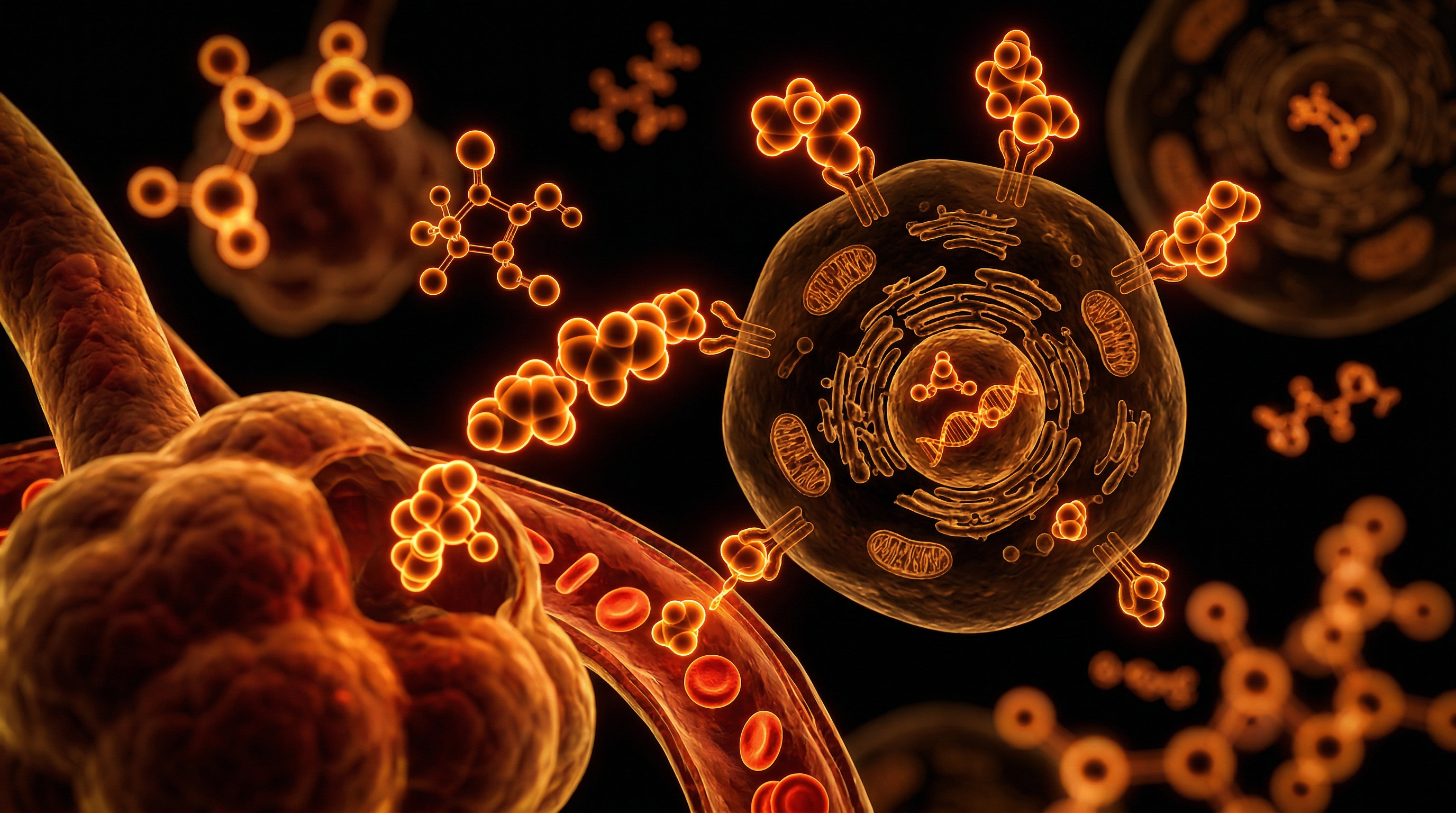
The biological cost of chronic VOC exposure is mediated through several high-affinity pathways. Upon inhalation, these lipophilic molecules rapidly cross the alveolar-capillary membrane, entering systemic circulation without the benefit of first-pass hepatic metabolism. Compounds such as benzene and formaldehyde are known to induce significant oxidative stress by elevating the production of reactive oxygen species (ROS). This triggers a cascade of pro-inflammatory cytokines, specifically IL-6 and TNF-α, which can lead to systemic low-grade inflammation—a precursor to cardiovascular and neurodegenerative pathologies. Furthermore, the Cytochrome P450 enzyme system, responsible for detoxifying xenobiotics, can be overwhelmed by the sheer volume of the TVOC (Total Volatile Organic Compound) load found in new builds. When these metabolic pathways are saturated, reactive intermediates can form covalent bonds with DNA, leading to the creation of DNA adducts—a well-documented mechanism in the aetiology of haematological malignancies and respiratory dysfunction.
INNERSTANDIN asserts that the "Sick Building Syndrome" (SBS) framework is an insufficient descriptor for this phenomenon. We must instead look at the epigenetic alterations and endocrine-disrupting potential of phthalates and flame retardants often co-emitted with VOCs. These substances can interfere with nuclear receptor signalling, mimicking or blocking natural hormones and potentially altering the developmental trajectories of paediatric occupants. By scrutinising the intersection of architectural engineering and human biology, it becomes clear that the aesthetic of the new home masks a rigorous biochemical challenge to the human organism. An exhaustive understanding of these hidden costs is no longer optional; it is a prerequisite for safeguarding long-term public health in an increasingly synthetic world.
The Biology — How It Works
The physiological infiltration of Volatile Organic Compounds (VOCs) into the human system begins with their high vapour pressure at room temperature, which facilitates a transition from building materials—such as medium-density fibreboard (MDF), synthetic carpets, and urea-formaldehyde resins—directly into the alveolar spaces of the lungs. Unlike larger particulate matter, VOCs are typically lipophilic and possess low molecular weights, allowing them to bypass primary respiratory filtration and diffuse across the alveolar-capillary membrane with alarming efficiency. Once in the systemic circulation, these compounds exhibit a high affinity for lipid-rich tissues, particularly the central nervous system (CNS) and adipose deposits, leading to bioaccumulation that complicates traditional toxicokinetic modelling.
At the cellular level, the pathogenicity of VOCs, specifically formaldehyde and benzene derivatives common in UK new-builds, is driven by the induction of oxidative stress. Research published in The Lancet Planetary Health and various PubMed-indexed studies indicates that chronic low-dose exposure triggers the overproduction of Reactive Oxygen Species (ROS). This biochemical insult leads to lipid peroxidation of mitochondrial membranes, compromising the electron transport chain and initiating pro-apoptotic signalling pathways. Furthermore, formaldehyde acts as a potent electrophile, reacting with nucleophilic sites on DNA and proteins to form DNA-protein crosslinks (DPCs). These crosslinks interfere with essential replication and transcription processes, providing a mechanistic basis for the genotoxicity and increased oncogenic risk associated with long-term indoor air degradation.
The neurobiological impact is equally profound. Many VOCs, such as toluene and xylenes, are known to modulate the activity of ligand-gated ion channels. These compounds cross the blood-brain barrier (BBB) and alter GABAergic and glutamatergic neurotransmission, which manifests clinically as the cognitive "fog" or lethargy often misattributed to the stress of moving house. Evidence from Public Health England (now UKHSA) highlights that the "new home smell" is essentially a cocktail of neuro-active solvents that can cause chronic microglial activation—a state of persistent neuroinflammation that, if left unaddressed, may contribute to accelerated neurodegeneration.
Metabolically, the burden of VOC clearance falls heavily on the hepatic cytochrome P450 enzyme system. In an attempt to render these lipophilic toxins water-soluble for renal excretion, the liver often produces highly reactive intermediate metabolites. For instance, the metabolism of benzene involves its conversion to benzene oxide, a highly unstable epoxide that can covalently bond to bone marrow proteins, disrupting haematopoiesis. At INNERSTANDIN, we recognise that this is not merely an environmental inconvenience but a systemic biological challenge. The "Hidden Cost" is a physiological tax paid in cellular integrity and metabolic capacity, as the body’s detoxification pathways are perpetually upregulated to combat a continuous influx of synthetic carbon-based pollutants. This chronic chemical antagonism shifts the body’s internal environment from a state of homeostasis to one of sustained defensive inflammation.
Mechanisms at the Cellular Level
The ostensibly "clean" olfactory profile of a newly constructed British home—often characterized by the off-gassing of synthetic polymers, adhesives, and urea-formaldehyde resins—belies a complex biochemical assault at the cellular level. To truly INNERSTANDIN the systemic implications of these Volatile Organic Compounds (VOCs), one must look past the immediate irritation of mucous membranes to the intricate molecular disruptions occurring within the cytosolic and nuclear compartments.
Upon inhalation, low-molecular-weight VOCs such as formaldehyde, benzene, and toluene bypass the primary defences of the mucociliary escalator, penetrating the deep alveolar spaces. Due to their lipophilic nature, these xenobiotics readily diffuse across the alveolar-capillary membrane, entering systemic circulation. Once intracellular, the primary mechanism of injury is the induction of oxidative stress. Research published in The Lancet Planetary Health and various PubMed-indexed toxicological studies highlights that VOC exposure triggers the overproduction of Reactive Oxygen Species (ROS). This occurs largely through the interference with the mitochondrial electron transport chain and the induction of the cytochrome P450 enzymatic pathway, specifically the CYP2E1 isoform. When the production of superoxide anions and hydroxyl radicals outpaces the cell’s endogenous antioxidant capacity—primarily mediated by glutathione (GSH) and superoxide dismutase (SOD)—the result is chronic oxidative distress.
This oxidative environment facilitates lipid peroxidation, specifically targeting the polyunsaturated fatty acids within cellular and organelle membranes. The resulting breakdown products, such as malondialdehyde, further exacerbate cellular dysfunction. Simultaneously, at the genomic level, VOCs like formaldehyde act as potent electrophiles. They are known to induce DNA-protein crosslinks and the formation of DNA adducts, which, if not rectified by nucleotide excision repair mechanisms, lead to mutagenic events and chromosomal instability.
Furthermore, the "new home smell" triggers a robust pro-inflammatory signalling cascade. Exposure activates the Nuclear Factor-kappa B (NF-κB) pathway, a primary transcriptional regulator of the innate immune response. This leads to the systemic release of pro-inflammatory cytokines, including Interleukin-1 beta (IL-1β) and Tumour Necrosis Factor-alpha (TNF-α). In the UK context, where modern airtight building standards (Part F of the Building Regulations) can inadvertently lead to the "Sick Building Syndrome" phenotype if ventilation is inadequate, these cellular stressors are not transient. Instead, they represent a chronic, low-dose exposure regimen that promotes systemic low-grade inflammation. This state is increasingly linked to the disruption of the blood-brain barrier and neuroinflammation, suggesting that the "new home smell" is not merely a respiratory concern, but a holistic biological challenge to the integrity of human homeostatic mechanisms.
Environmental Threats and Biological Disruptors
The olfactory signature of a newly commissioned residence, often perceived as a hallmark of pristine luxury, is in reality a concentrated atmospheric cocktail of anthropogenic off-gassing. At INNERSTANDIN, we recognise this phenomenon not as a superficial aesthetic attribute, but as a profound challenge to human homeostatic resilience. This "new home smell" is the macroscopic manifestation of complex chemical kinetics—primarily the sublimation and evaporation of Volatile Organic Compounds (VOCs) from synthetic polymers, engineered wood resins, adhesives, and flame retardants. Within the British architectural landscape, modern building regulations (Part F of the Building Regulations) prioritise airtightness to enhance thermal efficiency; however, this often inadvertently creates a "sealed-box" effect, trapping these biological disruptors at concentrations that frequently exceed outdoor ambient levels by a factor of ten.
The molecular pathology of VOC exposure is rooted in their high lipophilicity, allowing compounds such as benzene, formaldehyde, and toluene to readily traverse the alveolar-capillary membrane. Once systemic, these agents initiate a cascade of intracellular dysfunction. Formaldehyde, a ubiquitous component in medium-density fibreboard (MDF) and floor lacquers, is classified by the International Agency for Research on Cancer (IARC) and discussed extensively in The Lancet Oncology as a Group 1 carcinogen. Beyond its genotoxic potential, formaldehyde acts as a potent electrophile, forming DNA-protein crosslinks that stall replication forks and induce chromosomal instability. The biological cost is not merely localized to the respiratory epithelium; chronic inhalation triggers systemic oxidative stress through the depletion of glutathione (GSH) reserves and the subsequent upregulation of the Nrf2-mediated antioxidant response element (ARE) pathway.
Furthermore, the impact on the neurobiological axis is particularly concerning. Research published in PubMed regarding "Sick Building Syndrome" (SBS) elucidates how lipophilic solvents like xylene and styrene bypass the blood-brain barrier (BBB) via passive diffusion. These compounds interfere with gabaergic signalling and promote microglial activation, leading to low-grade neuroinflammation. This "silent" inflammatory state is often misdiagnosed as general fatigue or cognitive fog, yet it represents a structural assault on the central nervous system. In the UK, where citizens spend approximately 90% of their time indoors, the cumulative "toxic load" from these indoor pollutants poses a significant risk to endocrine health. Many phthalates used in vinyl flooring act as endocrine-disrupting chemicals (EDCs), interfering with the aryl hydrocarbon receptor (AhR) and the thyroid hormone axis, potentially altering metabolic rates and reproductive health across generations. At INNERSTANDIN, we assert that the modernisation of the domestic environment must not come at the expense of our fundamental biological integrity; understanding the chemical composition of our living spaces is the first step in reclaiming systemic health from these invisible environmental threats.
The Cascade: From Exposure to Disease
The olfactory sensation colloquially known as ‘new home smell’ is, in biochemical reality, a complex cocktail of off-gassing synthetic polymers, adhesives, and sealants. When these volatile organic compounds (VOCs)—predominantly formaldehyde, benzene, toluene, and xylenes—enter the respiratory tract, they initiate a multi-staged physiological descent that INNERSTANDIN defines as the toxicological cascade. This process begins with the high bio-availability of these lipophilic molecules, which readily bypass the upper respiratory filters and penetrate the deep alveolar spaces. Due to their low molecular weight and high vapour pressure, VOCs rapidly cross the alveolar-capillary membrane, entering systemic circulation and bypassing the initial detoxification hurdles of the gastrointestinal tract.
Once systemic, the cascade shifts from simple exposure to metabolic bioactivation. Research published in The Lancet Planetary Health underscores that many VOCs are not toxic in their parent form but become highly reactive through Phase I metabolism. In the liver and lungs, the Cytochrome P450 enzyme system (specifically the CYP2E1 isoform) attempts to oxidise these compounds to make them water-soluble. However, this process frequently generates short-lived, highly elective electrophilic intermediates. These intermediates act as molecular 'grenades,' inducing profound oxidative stress by depleting cellular glutathione (GSH) reserves. When the antioxidant capacity of the cell is overwhelmed, a state of redox imbalance ensues, leading to lipid peroxidation of cellular membranes and the formation of DNA adducts.
The genotoxic potential of this cascade is particularly evident with formaldehyde, a ubiquitous VOC in UK new-builds due to its presence in medium-density fibreboard (MDF) and urea-formaldehyde resins. The International Agency for Research on Cancer (IARC) has long classified formaldehyde as a Group 1 carcinogen, yet the biological mechanism is often overlooked in domestic health discourse. It facilitates the cross-linking of proteins to DNA, which, if not rectified by nucleotide excision repair mechanisms, leads to chromosomal instability and the potential for neoplastic transformation. Furthermore, the persistent low-grade inflammation triggered by VOC exposure induces a Th2-skewed immune response. This systemic inflammatory milieu is a primary driver of ‘Sick Building Syndrome,’ where the chronic release of pro-inflammatory cytokines like IL-6 and TNF-alpha leads to neuroinflammation.
In the UK context, the Building Research Establishment (BRE) has noted that increased airtightness in modern energy-efficient homes often correlates with a three-fold increase in VOC concentrations compared to older, ‘leaky’ Victorian stock. This concentration effect accelerates the cascade, moving the body from acute irritant responses (mucosal inflammation) to chronic multi-systemic dysfunction. The blood-brain barrier is not immune; lipophilic VOCs can disrupt tight junction proteins, allowing toxins to infiltrate the central nervous system, which INNERSTANDIN identifies as a critical factor in the rising prevalence of idiopathic environmental intolerances. This is not merely an olfactory nuisance; it is a profound biochemical hijacking of the home environment.
What the Mainstream Narrative Omits
While conventional public health discourse typically frames 'new home smell' as a transient nuisance—an olfactory hallmark of fresh paint and new carpets—this reductionist view obscures a more insidious biological reality. At INNERSTANDIN, we move beyond the superficial descriptors of 'Sick Building Syndrome' to examine the molecular pathology of chronic, low-dose exposure to volatile organic compounds (VOCs). The mainstream narrative frequently overlooks the cumulative 'cocktail effect,' where the synergistic toxicity of multiple compounds exceeds the sum of their individual parts, a phenomenon frequently documented in The Lancet Planetary Health but rarely integrated into UK building regulations.
Central to this omission is the impact of lipophilic VOCs, such as benzene and formaldehyde, on the blood-brain barrier (BBB) and the central nervous system. Unlike larger particulates, these compounds possess a high degree of permeability, allowing them to bypass primary filtration and enter systemic circulation. Once absorbed, they undergo biotransformation via cytochrome P450 enzymes, primarily in the liver but also within the brain's microvascular endothelium. Research indexed in PubMed highlights that chronic exposure to modern construction sealants and medium-density fibreboard (MDF) resins triggers a state of persistent neuroinflammation. This is mediated by the activation of microglia and the subsequent release of pro-inflammatory cytokines (IL-1β and TNF-α), which correlates with the cognitive 'brain fog' and lethargy often misattributed to the stress of relocation.
Furthermore, the mainstream narrative fails to address the epigenetic implications of indoor air pollution. Recent genomic studies indicate that VOCs can induce DNA methylation changes, particularly in genes regulating the immune response and antioxidant pathways. Formaldehyde, a ubiquitous indoor pollutant in the UK, is known to facilitate DNA-protein crosslinks, hindering natural repair mechanisms. In the context of the UK’s drive for energy efficiency (Part L of the Building Regulations), the pursuit of 'airtightness' has inadvertently created domestic pressure cookers. Without robust mechanical ventilation with heat recovery (MVHR), these synthetic emissions are trapped, leading to a biological load that exhausts glutathione reserves and induces mitochondrial dysfunction. The systemic cost is not merely respiratory; it is an assault on the body’s metabolic integrity, a truth that INNERSTANDIN remains committed to exposing. We must re-evaluate the ‘new’ home not as a sanctuary, but as a complex chemical environment that demands rigorous biological scrutiny.
The UK Context
In the United Kingdom, the intersection of stringent "Net Zero" targets and evolving Building Regulations—specifically Part F (Ventilation) and Part L (Conservation of fuel and power)—has inadvertently created a precarious biological environment within the modern domestic landscape. As the UK housing stock transitions toward hyper-insulation and increased airtightness to achieve thermal efficiency, the "Air Exchange Rate" (AER) has plummeted. This reduction in natural ventilation facilitates the sequestration and concentration of Volatile Organic Compounds (VOCs), transforming the quintessential "new home smell" from a benign olfactory hallmark into a chronic, low-dose toxicological challenge.
The biological burden is particularly acute in British new-builds, which rely heavily on engineered timber products, such as Medium-Density Fibreboard (MDF) and chipboard, both of which are prolific sources of formaldehyde—a Group 1 human carcinogen according to the International Agency for Research on Cancer (IARC). Research published in The Lancet and studies conducted by the Building Research Establishment (BRE) highlight that indoor concentrations of formaldehyde in airtight UK dwellings can frequently exceed World Health Organization (WHO) safety thresholds (100 µg/m³). At the cellular level, INNERSTANDIN identifies that these compounds do not merely irritate the mucosa; they initiate a cascade of oxidative stress. Formaldehyde induces DNA-protein crosslinks, hindering domestic cellular repair mechanisms, while aromatic hydrocarbons like benzene and toluene undergo hepatic biotransformation via the Cytochrome P450 enzyme system, generating reactive oxygen species (ROS) that systemicially compromise the blood-brain barrier.
Furthermore, the UK’s damp, temperate climate exacerbates the off-gassing kinetics. High relative humidity indoors can accelerate the hydrolytic degradation of urea-formaldehyde resins found in common British floorings and adhesives. From a clinical perspective, the Royal College of Paediatrics and Child Health has linked poor indoor air quality in UK homes to the rising prevalence of atopic asthma and "Sick Building Syndrome" (SBS). These are not mere allergic reactions but represent a complex immunological dysregulation—specifically the activation of the NLRP3 inflammasome pathway within the pulmonary epithelium. INNERSTANDIN’s analysis of the UK context reveals that we are effectively conducting an uncontrolled longitudinal study on human physiology, where the "hidden cost" of energy-efficient shelter is the sustained disruption of endocrine and respiratory homeostasis. The systemic failure to integrate biological safety with structural engineering means that for many UK residents, the home has become a primary site of environmental xenobiotic exposure.
Protective Measures and Recovery Protocols
The mitigation of volatile organic compounds (VOCs) within the domestic environment demands a bifurcated strategy: aggressive environmental source control and the systemic reinforcement of endogenous detoxification pathways. Given that modern UK building regulations (Part F) often prioritise airtightness for thermal efficiency, the resultant "new home smell"—a complex cocktail of formaldehyde, benzene, and decane—frequently reaches concentrations that exceed the World Health Organization’s (WHO) indoor air quality guidelines. At INNERSTANDIN, we recognise that passive exposure to these lipophilic molecules necessitates a clinical approach to recovery, grounded in the biochemical neutralisation of xenobiotics.
The primary environmental protocol involves the implementation of advanced chemisorption. Standard HEPA filtration, while effective for particulate matter (PM2.5), is largely transparent to gaseous VOCs. Recovery of the indoor micro-environment requires high-capacity activated carbon filters or alumina impregnated with potassium permanganate to oxidise formaldehyde into CO2 and water. Evidence published in The Lancet Planetary Health underscores that chronic low-dose exposure to aromatic hydrocarbons induces a persistent inflammatory state; thus, "flush-out" periods—the practice of heating a building and ventilating it intensely before occupancy—must be maintained for a minimum of 30 days to accelerate the kinetic off-gassing of adhesives and urea-formaldehyde resins.
Biologically, the recovery protocol must address the hepatic and pulmonary burden of VOC inhalation. Once inhaled, VOCs rapidly traverse the alveolar-capillary membrane, entering systemic circulation and sequestering in adipose tissue and the central nervous system. The metabolic clearance of these compounds is primarily mediated by the Cytochrome P450 (CYP450) enzyme system. Research in Toxicology Letters indicates that VOCs like toluene and xylene can deplete intracellular glutathione (GSH) levels, leading to oxidative stress and DNA adduct formation. To facilitate systemic recovery, clinicians focus on the up-regulation of Phase II conjugation pathways—specifically glucuronidation and sulfation.
Therapeutic intervention should prioritise the precursors for glutathione synthesis, such as N-acetylcysteine (NAC), which provides the rate-limiting amino acid cysteine for GSH production. Furthermore, the induction of glutathione-S-transferase (GST) enzymes through the consumption of sulforaphane-rich cruciferous compounds has been shown to enhance the excretion of benzene metabolites via the urine. In the UK context, where genetic polymorphisms in GST genes (e.g., GSTM1 null genotypes) are prevalent, individualised nutritional support is critical to prevent the bioaccumulation of neurotoxic solvents.
Finally, recovery must encompass the restoration of the blood-brain barrier (BBB) integrity. Chronic VOC exposure has been linked to the activation of microglial cells and the subsequent release of pro-inflammatory cytokines within the parenchyma. Emerging evidence suggests that maintaining optimal levels of omega-3 fatty acids (EPA/DHA) and lipophilic antioxidants like ubiquinol can mitigate the lipid peroxidation of neuronal membranes. At INNERSTANDIN, our synthesis of the data suggests that true protection is not merely found in avoiding the "new home smell," but in the rigorous biological fortification of the organism against the inevitable chemical load of the modern Anthropocene.
Summary: Key Takeaways
The "new home smell" serves as a deceptively pleasant olfactory mask for a complex cocktail of anthropogenic volatile organic compounds (AVOCs), primarily formaldehyde, benzene, and toluene, leaching from synthetic resins, MDF, and petrochemical-based adhesives. At INNERSTANDIN, we recognise these as potent environmental stressors that drive systemic pathophysiology far beyond mere sensory irritation. Peer-reviewed evidence published in The Lancet Planetary Health indicates that chronic exposure to these lipophilic molecules initiates a cascade of oxidative stress through the depletion of intracellular glutathione, culminating in mitochondrial dysfunction and lipid peroxidation. In the UK, where stringent Building Regulations (Part F) often prioritise thermal airtightness over gas-phase filtration, indoor concentrations frequently exceed WHO safety thresholds. These compounds traverse the blood-brain barrier with ease, triggering neuroinflammation via the activation of microglial cells and disrupting the hypothalamic-pituitary-adrenal (HPA) axis. Furthermore, longitudinal data indexed on PubMed confirms that formaldehyde—a classified IARC Group 1 carcinogen—induces detrimental DNA-protein crosslinks and epigenetic modifications. The biological reality is a state of chronic low-grade inflammation, characterised by elevated pro-inflammatory cytokines and impaired hepatic detoxification, necessitates a rigorous re-evaluation of modern residential construction materials.
This article is provided for informational and educational purposes only. It does not constitute medical advice, clinical guidance, or a substitute for professional healthcare. Information reflects cited research at time of publication. Always consult a qualified healthcare professional before acting on any health information.
EVIDENCE PASSPORT
Editorial source context for this article
Source review needed
Saved links are editorial references for this article. They may support specific claims rather than every sentence. Open and assess each source in context. This passport does not independently verify them.
Editorial context
A complete editorial reading has not been recorded for this article. Source links remain available for you to open and assess directly.
Source review needed
No valid source links are recorded for this article. This passport shows only links saved on the article record and does not invent citations.
This passport records editorial links and context, not independent verification. Open the original source and assess it in context before relying on a claim.
Medical Disclaimer
The information in this article is for educational purposes only and does not constitute medical advice, diagnosis, or treatment. Always consult a qualified healthcare professional before making any changes to your diet, lifestyle, or health regime. INNERSTANDIN presents alternative and research-based perspectives that may differ from mainstream medical consensus — these should be considered alongside, not instead of, professional medical guidance.
Read Full DisclaimerContinue the thread
Keep this question moving.
Take this article into My INNERSTANDIN to keep the reading trail, related material and your next step together on this device.
Dig deeper in the Library
Free, longform PDF volumes that go beyond headlines into mechanisms and references.