
Homeopathy and Antimicrobial Resistance: A Biological Strategy for the Post-Antibiotic Era in UK Healthcare
Updated April 2026
Evidence orientation
Editorial context not yet recorded
Follow this category
This stays in this browser. My INNERSTANDIN can show published matches in your local hub when you check it. It does not send email, push, or alert notifications.
Local learning review
A private browser aid for revisiting ideas. It is not an alert or a health recommendation.
Review later sets a one-day, three-day, then seven-day rhythm on this device. Choose it only when you want to revisit this article.
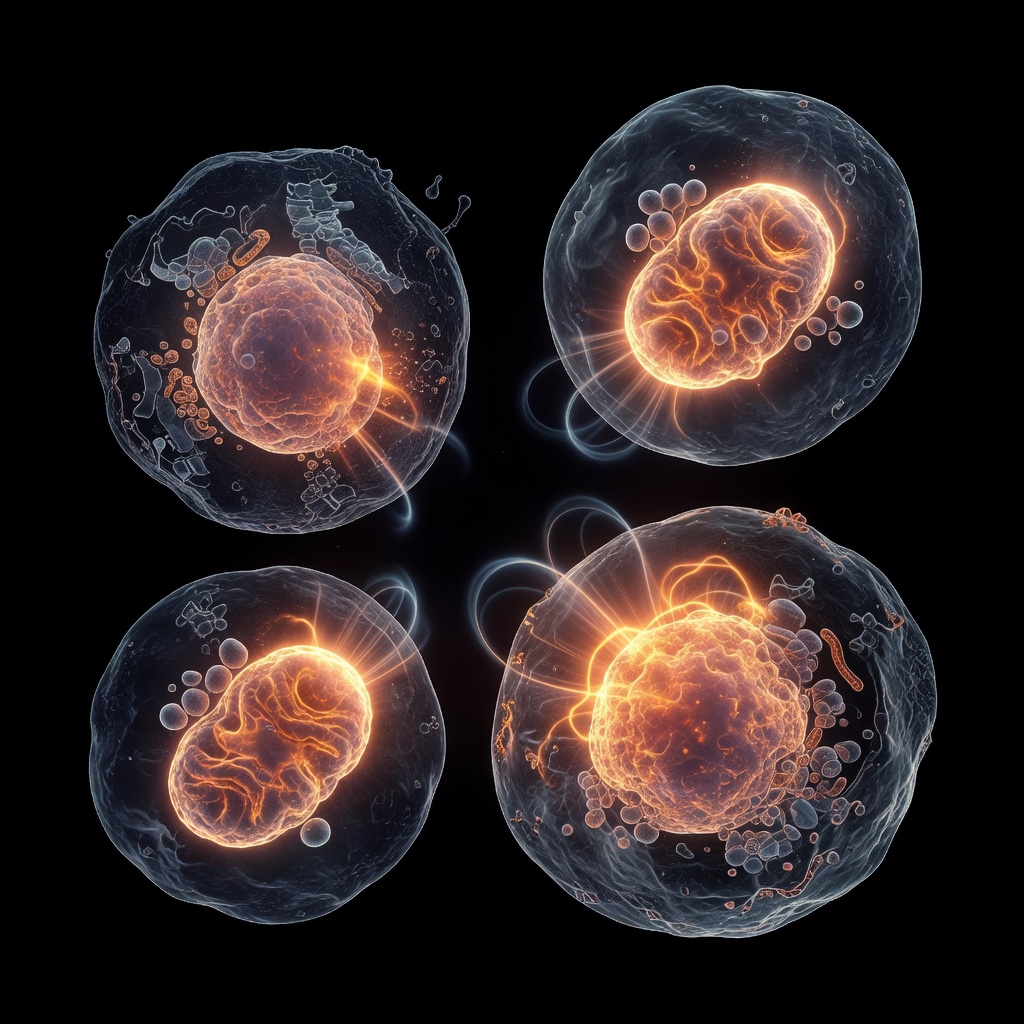
Overview: The Silent Pandemic and the Search for a New Paradigm
The global healthcare landscape is currently facing an existential threat that modern pharmaceutical medicine is ill-equipped to handle: Antimicrobial Resistance (AMR). Often referred to by health authorities as the "silent pandemic," AMR occurs when bacteria, viruses, fungi, and parasites evolve to withstand the drugs designed to kill them. In the United Kingdom, the government’s "One Health" report warns that without urgent intervention, common infections could become fatal, and routine surgeries could become too risky to perform by 2050.
For decades, the prevailing medical orthodoxy has relied on a "scorched earth" policy—using high-dose chemical agents to eradicate pathogens. However, this reductionist approach has ignored the fundamental principles of biological evolution. By attempting to brute-force nature, we have inadvertently selected for the most resilient and deadly strains of microbes.
As the efficacy of traditional antibiotics wanes, a "truth-exposing" shift is required. We must move away from the chemical warfare model and toward a biological strategy that respects the complexity of the human organism. Homeopathy, a system of medicine based on the principle of Similia Similibus Curentur (Like Cures Like), offers a sophisticated, non-toxic, and ecologically sustainable solution. By leveraging the principles of Water Memory and Nanopharmacology, homeopathy provides a pathway to navigate the post-antibiotic era without driving further microbial mutations.
The Biological Mechanisms: Beyond the Chemical Narrative
To understand how homeopathy can address AMR, we must first dismantle the myth that a substance must be present in large molecular quantities to exert a biological effect. The conventional "lock and key" model of pharmacology is only one part of the story.
The Science of Nanopharmacology and Hormesis
Homeopathic remedies are prepared through a process of serial dilution and succussion (vigorous shaking), known as potentisation. While critics argue that these remedies contain "nothing," cutting-edge research in nanopharmacology suggests otherwise. Studies using transmission electron microscopy (TEM) have identified nanoparticles of the original starting material in high-potency homeopathic dilutions.
Furthermore, homeopathy operates on the principle of hormesis—a biological phenomenon where low doses of a substance stimulate a positive compensatory response in an organism, whereas high doses of the same substance would be inhibitory or toxic.
Key Fact: Unlike antibiotics, which target and kill the pathogen directly (exerting selective pressure that leads to resistance), homeopathic remedies act as biological signals that prime the host's own immune system to resolve the infection naturally.
Water Memory and Quantum Signalling
At the heart of homeopathy lies the concept of Water Memory. This theory, supported by the work of Nobel laureate Luc Montagnier and the late Jacques Benveniste, suggests that water can retain a "template" or electromagnetic signature of a substance even after the physical molecules are gone.
Through hydrogen bonding and the formation of "water clusters" or "coherent domains," water acts as a storage medium for information. In the context of AMR, this means we can deliver the biological information needed to trigger an immune response without introducing the chemical toxicity that forces bacteria to mutate.
UK Context & Relevance: A History of Integrated Health
The United Kingdom has a long and storied relationship with homeopathy, though this history has been increasingly suppressed by corporate-aligned pharmaceutical interests. The Royal London Hospital for Integrated Medicine (formerly the Royal London Homeopathic Hospital) stands as a testament to a time when homeopathy was an integral part of the British healthcare fabric.
The NHS Crisis and the Post-Antibiotic Reality
The NHS is currently under immense pressure, with over-prescription of antibiotics contributing to the UK’s rising rates of multi-drug resistant infections (like MRSA and C. difficile). The UK’s 20-year vision for AMR acknowledges that we cannot simply "innovate" our way out of this with new antibiotics, as the cycle of resistance will only repeat.
The "Innerstanding" of this crisis reveals that the UK healthcare system must reintegrate homeopathic protocols to reduce the "antibiotic load" on the population. In countries like India and Switzerland, homeopathy is used alongside conventional medicine to treat respiratory tract infections, often resulting in faster recovery times and significantly lower antibiotic usage.
The Economic Argument
The cost of treating AMR in the UK is projected to reach billions of pounds. Homeopathic remedies are inexpensive to produce, have an indefinite shelf life, and do not require the massive energy-intensive manufacturing processes associated with synthetic drugs. Integrating homeopathy is not just a biological necessity; it is an economic imperative for a sustainable NHS.
Environmental Factors: The Toxic Burden and "Green" Medicine
One aspect of AMR that is frequently overlooked is the environmental impact of conventional pharmaceuticals. When a patient takes an antibiotic, a significant percentage of the drug is excreted unchanged, entering the UK’s waterways.
Pharmaceutical Pollution in British Rivers
Recent studies have found high concentrations of antibiotics in the River Thames and other major UK waterways. This environmental exposure creates a "breeding ground" for resistance in the wild, which eventually cycles back into the human population.
- Zero Waste: Homeopathic remedies leave no chemical residue in the environment.
- Biodiversity Protection: By reducing the need for industrial chemical synthesis, homeopathy protects soil and water health.
- Non-Suppressive: Homeopathy works with the body’s excretory processes rather than suppressing symptoms, which helps maintain the integrity of the microbiome.
The Microbiome: Our Internal Ecosystem
Traditional antibiotics are indiscriminate; they kill the "good" bacteria in the gut alongside the "bad" pathogens. This disruption of the microbiome weakens the patient’s long-term immunity, making them more susceptible to future infections. Homeopathy, by contrast, is highly specific and does not harm the beneficial flora, preserving the body’s first line of defence against AMR.
Protective Strategies: Strengthening the Host
In the post-antibiotic era, the focus must shift from "killing the germ" to "strengthening the terrain." As Louis Pasteur reportedly admitted on his deathbed, "The microbe is nothing, the terrain is everything."
Constitutional Prescribing
In homeopathy, Constitutional Prescribing involves selecting a remedy based on the patient’s unique physical, emotional, and genetic makeup. This approach addresses the underlying susceptibility to infection. By treating the individual rather than the disease label, homeopathy increases the Vital Force (the body's innate self-healing intelligence).
Homeoprophylaxis (HP)
Homeoprophylaxis is the use of potentised substances to educate the immune system before exposure to an infectious agent. Unlike conventional vaccines, HP does not contain adjuvants (like aluminium or mercury) and does not bypass the body’s natural mucosal barriers. It provides a safe, information-based method for building population-level resilience against emerging resistant strains.
Acute Management of Infections
For acute infections that are becoming resistant to drugs, remedies such as Arsenicum album, Belladonna, and Hepar sulph can be employed based on the specific symptom presentation. These remedies do not attack the bacteria; they change the internal environment of the host so that the bacteria can no longer thrive.
The Truth Exposed: Why This Strategy is Suppressed
The question remains: If homeopathy is safe, effective, and a solution to the AMR crisis, why is it being marginalized in UK healthcare?
The answer lies in the business model of sickness. Antibiotics and the subsequent treatments for their side effects are multi-billion pound industries. A medical system that empowers individuals to heal using low-cost, non-patentable, information-based remedies is a threat to the pharmaceutical status quo. The "anti-science" label often slapped onto homeopathy is a tactical redirection to prevent the public from discovering a viable alternative to the failing antibiotic paradigm.
Key Fact: The transition to a post-antibiotic era is unavoidable. We are witnessing the end of the chemical era of medicine and the dawn of the informational and energetic era.
Key Takeaways: Navigating the Future
As we move deeper into the 21st century, the following points are essential for any British citizen seeking to protect their health:
- AMR is a systemic failure of the reductionist medical model, not a failure of nature.
- Homeopathy is a sophisticated form of nanomedicine that utilizes the "Memory of Water" to deliver biological signals to the immune system.
- The UK has a rich heritage of homeopathy that must be reclaimed to alleviate the burden on the NHS and stop the cycle of drug resistance.
- Homeopathy is ecologically superior, offering a "Green Medicine" alternative that does not pollute our rivers or destroy our internal microbiomes.
- Resilience starts with the "Terrain." Focusing on constitutional health and the Vital Force is the most effective defence against the superbugs of the post-antibiotic era.
The "Innerstanding" of healthcare requires us to look beyond the surface level of chemical interactions and embrace the profound biological intelligence that homeopathy offers. By integrating this strategy, the UK can lead the way into a sustainable, post-antibiotic future where health is defined by the strength of the living organism, not the potency of its poisons.
This article is provided for informational and educational purposes only. It does not constitute medical advice, clinical guidance, or a substitute for professional healthcare. Information reflects cited research at time of publication. Always consult a qualified healthcare professional before acting on any health information.
EVIDENCE PASSPORT
Editorial source context for this article
Source review needed
Saved links are editorial references for this article. They may support specific claims rather than every sentence. Open and assess each source in context. This passport does not independently verify them.
Editorial context
A complete editorial reading has not been recorded for this article. Source links remain available for you to open and assess directly.
Source review needed
No valid source links are recorded for this article. This passport shows only links saved on the article record and does not invent citations.
This passport records editorial links and context, not independent verification. Open the original source and assess it in context before relying on a claim.
Medical Disclaimer
The information in this article is for educational purposes only and does not constitute medical advice, diagnosis, or treatment. Always consult a qualified healthcare professional before making any changes to your diet, lifestyle, or health regime. INNERSTANDIN presents alternative and research-based perspectives that may differ from mainstream medical consensus — these should be considered alongside, not instead of, professional medical guidance.
Read Full DisclaimerContinue the thread
Keep this question moving.
Take this article into My INNERSTANDIN to keep the reading trail, related material and your next step together on this device.