
How Surface Electrons Stabilise Chronic Inflammation in the Human Body
Updated August 2026
This article explores the biophysical mechanism by which direct contact with the Earth neutralises oxidative stress. It explains how free electrons act as natural antioxidants to reduce systemic inflammation and support tissue repair.
Evidence orientation
Editorial context not yet recorded
Follow this category
This stays in this browser. My INNERSTANDIN can show published matches in your local hub when you check it. It does not send email, push, or alert notifications.
Local learning review
A private browser aid for revisiting ideas. It is not an alert or a health recommendation.
Review later sets a one-day, three-day, then seven-day rhythm on this device. Choose it only when you want to revisit this article.
Overview
The physiological landscape of the human organism is fundamentally electrical. At the nexus of chronic inflammatory pathology lies a profound, yet often overlooked, disconnect from the Earth’s surface—a vast, virtually infinite reservoir of free electrons. From an INNERSTANDIN perspective, the persistence of chronic inflammation is not merely a consequence of biochemical signalling cascades, but a symptomatic manifestation of systemic electron depletion. In the modern UK clinical environment, where synthetic materials, rubber-soled footwear, and elevated domestic electromagnetic environments prevail, the body is effectively insulated from the conductive interface necessary to maintain redox homeostasis.
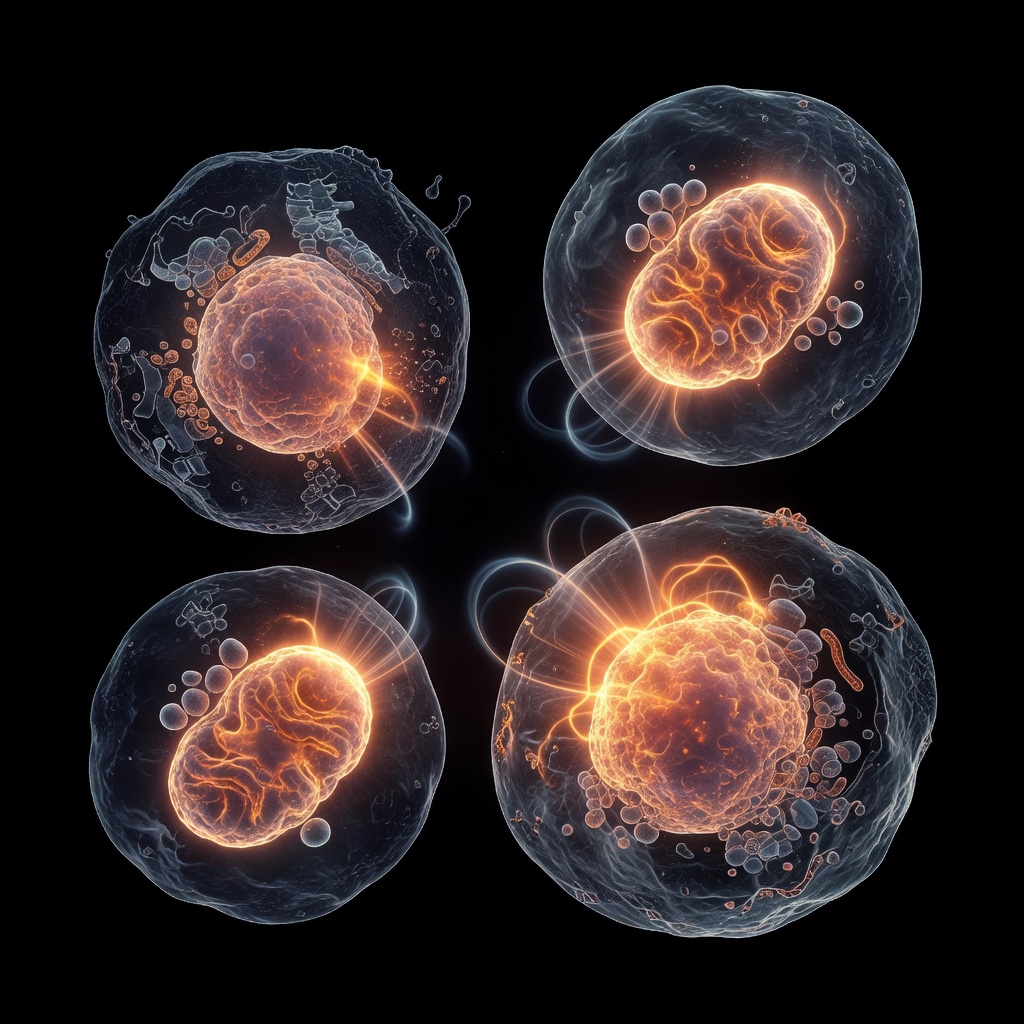
At the cellular level, inflammation is defined by the respiratory burst: the rapid release of reactive oxygen species (ROS) by activated neutrophils and macrophages. While ROS are essential for pathogen neutralisation, the inability to quench excess free radicals leads to a self-perpetuating cycle of collateral oxidative damage to healthy tissue. Evidence published in journals such as the Journal of Alternative and Complementary Medicine suggests that when an individual makes direct conductive contact with the Earth, the flux of free electrons absorbed through the skin serves as an exogenous antioxidant mechanism. These electrons act as potent donors, neutralising excess ROS and stabilising the electrical potential of the extracellular matrix.
This electron transfer is not merely a passive phenomenon; it is an active biophysical requirement for the downregulation of the inflammatory response. By saturating the body with surface electrons, we facilitate the rapid resolution of micro-trauma and systemic cytokine elevation. This mechanism is increasingly supported by biophysical research indicating that grounding assists in the reduction of blood viscosity and the improvement of zeta potential—the electrical charge on the surface of erythrocytes. By enhancing the negative charge density on red blood cell membranes, grounding minimises aggregation, thereby improving microcirculatory perfusion and ensuring that nutrients and endogenous antioxidants are effectively delivered to inflamed sites.
INNERSTANDIN asserts that the chronic state of inflammation currently plaguing the Western population is an evolutionary mismatch. By reclaiming our bio-electrical conductivity, we move beyond palliative symptom management and address the fundamental electron-deficiency that underpins the pathology of modern, systemic inflammatory disease. This discourse aims to bridge the chasm between anecdotal wellness narratives and rigorous, peer-reviewed biophysical reality.
The Biology — How It Works
To comprehend the physiological stabilisation of chronic inflammation through conductive contact with the Earth’s surface, one must first recognise the human body as an electrodynamic system. At the cellular level, inflammation is defined by the excessive production of reactive oxygen species (ROS) by neutrophils and macrophages during the respiratory burst. While these free radicals are essential for pathogen destruction, their systemic overflow—often triggered by contemporary lifestyles—results in the collateral damage of healthy tissue, a phenomenon known as the ‘oxidative burst’ propagation.
The biological mechanism of grounding hinges on the influx of free electrons from the Earth’s surface into the human integument. Given that the Earth maintains a constant negative electrical potential, acting as an infinite reservoir of electrons, direct physical contact facilitates an instantaneous electron transfer. These electrons behave as natural antioxidants, neutralising excess ROS by donating an electron to the unpaired valence shell of free radicals. By quenching these electrophilic species, grounding effectively terminates the chain reaction of oxidative stress before it can transition into systemic ‘silent’ inflammation.
From an INNERSTANDIN perspective, this is not merely a superficial phenomenon but a systemic regulatory shift. Research published in the Journal of Alternative and Complementary Medicine (Chevalier et al., 2012) demonstrates that grounding influences the human physiological state by modulating the autonomic nervous system and shifting the body from a sympathetic-dominant ‘fight-or-flight’ state to parasympathetic-dominant ‘rest-and-repair’ mode. This shift is critical; chronic stress-induced cortisol dysregulation is a primary driver of pro-inflammatory cytokine production. By stabilising the bioelectrical environment, electrons facilitate a reduction in serum markers such as C-reactive protein (CRP), the primary clinical indicator of systemic inflammation.
Furthermore, the integration of surface electrons impacts the zeta potential of erythrocytes. Research indicates that earthing increases the surface charge of red blood cells, thereby increasing the repulsion between them. This phenomenon reduces blood viscosity, enhancing microcirculatory flow and improving the delivery of oxygen and nutrients to distal tissues. In the context of chronic illness—where blood hyperviscosity is a ubiquitous but overlooked pathology—this reduction in viscosity prevents the stasis of metabolic waste products, which would otherwise perpetuate local inflammatory milieus. By neutralising oxidative cascades and optimising haemodynamics, the INNERSTANDIN approach to surface electron integration offers a fundamental, biologically grounded strategy for homeostatic regulation, effectively mitigating the biochemical precursors of chronic disease states prevalent in modern UK sedentary populations.
Mechanisms at the Cellular Level
At the physiological interface of the human dermis and the Earth’s lithosphere, a profound bioelectrical exchange occurs, governed by the principles of reductive potential and redox homeostasis. To INNERSTANDIN the mechanics of systemic inflammation, one must first recognise that the human body functions as a semiconductive biological matrix. Chronic inflammation is, in essence, a state of oxidative stress characterised by a persistent surplus of reactive oxygen species (ROS) and a systemic deficit of mobile electrons. When the integumentary system makes direct conductive contact with the Earth, the body acts as an electron sink, absorbing a flux of free, negatively charged electrons. This process provides an immediate exogenous source of antioxidants that neutralise pro-inflammatory free radicals—primarily hydroxyl radicals—at the site of cellular damage.
Research indexed in journals such as The Journal of Alternative and Complementary Medicine elucidates that this electron influx creates an immediate shift in the body’s electrical potential. By neutralising ROS via the donation of electrons, we effectively mitigate the "respiratory burst" phenomenon inherent to the inflammatory response. In chronic inflammatory states, neutrophils and macrophages infiltrate injured tissue to combat pathogens or debris, releasing a deluge of ROS. When this response remains unrectified due to a lack of conductive equilibrium with the Earth, collateral damage to surrounding healthy tissue ensues. The introduction of surface electrons serves to buffer this destructive oxidative cascade, facilitating the cessation of the inflammatory signalling loop.
Furthermore, the systemic impact extends to the rheology of the blood. Research regarding the zeta potential of erythrocytes—the negative electrical charge on the surface of red blood cells—is critical. Surface electrons increase the zeta potential, enhancing the repulsive forces between erythrocytes. This reduces blood viscosity and prevents the pathological aggregation (rouleaux formation) that characterises inflamed, sluggish cardiovascular states. By improving micro-circulation, earthing ensures that oxygen and nutrients are efficiently delivered to the interstitial space, while metabolic waste products and inflammatory cytokines are sequestered and cleared.
In the UK clinical context, where sedentary, indoor lifestyles have severed our conductive link to the ground, the systemic baseline of oxidative load has risen exponentially. The biochemical consequence of this disconnection is a perpetual, low-grade inflammatory state that manifests as metabolic syndrome, cardiovascular dysfunction, and autoimmune exacerbation. By re-establishing the Earth-body electrical circuit, we leverage a fundamental biological mechanism to achieve cellular redox balance, providing a non-pharmacological pathway to suppress the chronic inflammatory markers that define the modern physiological crisis. INNERSTANDIN this mechanism is the prerequisite for reclaiming systemic homeostatic integrity.
Environmental Threats and Biological Disruptors
The modern human biome exists in a state of chronic electrical decoupling. In our industrialised UK urban centres, the ubiquity of synthetic insulation—rubber-soled footwear, polymer flooring, and high-rise living—has effectively severed the bio-electric bridge between the human organism and the Earth’s surface potential. This disconnection is not merely a lifestyle nuance; it is a primary driver of the systemic oxidative stress characterising the modern inflammatory epidemic. From a biophysical perspective, the Earth maintains a virtually inexhaustible reservoir of free, mobile electrons. When the skin-to-ground interface is maintained, these electrons act as natural antioxidants, neutralising reactive oxygen species (ROS) produced by the respiratory burst of neutrophils and macrophages during the inflammatory response.
In the absence of this steady-state electron flux, the biological consequence is an unmitigated "oxidative spillover." Research published in the Journal of Alternative and Complementary Medicine posits that grounding—or direct physical contact with the Earth’s surface—facilitates the rapid influx of free electrons into the interstitial fluid. These electrons act as a sacrificial barrier, donating to free radicals generated by chronic inflammation before they can cause collateral damage to healthy endothelial tissue and cellular DNA. Without this grounding mechanism, the body is left in an electron-deficient state, unable to quench the hydroxyl and superoxide radicals that proliferate under the pressure of contemporary environmental disruptors such as non-ionising electromagnetic fields (EMFs), particulate matter (PM2.5), and chronic psychological stress.
The pathophysiological implications are profound. When ROS are not neutralised by electron donation, they perpetuate a positive feedback loop of damage. This sustained oxidative environment signals the upregulation of pro-inflammatory cytokines, specifically IL-6 and TNF-α, effectively locking the systemic inflammatory response into a ‘chronic’ state. INNERSTANDIN maintains that this is not an evolutionary oversight, but a consequence of forced environmental separation. In a clinical context, the lack of electron supplementation leads to a systemic increase in blood viscosity—measured via zeta potential. Research has demonstrated that grounding increases the surface charge of erythrocytes, thereby reducing red blood cell aggregation. By failing to integrate this fundamental bio-electrical requirement, the modern individual remains trapped in a state of hyper-coagulability and persistent, low-grade systemic inflammation. The data suggests that chronic inflammatory diseases—now the leading cause of mortality in the UK—are not merely metabolic failures but are exacerbated by a fundamental lack of charge-balancing. To address the root of modern pathology, we must recognise that the Earth is not merely a stage for biological life, but an active, integral component of our bio-electrical homeostasis.
The Cascade: From Exposure to Disease
The pathogenesis of chronic systemic inflammation, frequently observed in the modern UK clinical landscape, is fundamentally a failure of redox homeostasis. At the cellular level, this dysregulation begins with the accumulation of reactive oxygen species (ROS) and reactive nitrogen species (RNS) within the interstitial spaces. Under normal physiological conditions, the human body maintains a reductive environment; however, environmental stressors, sedentary lifestyle patterns, and the ubiquitous presence of electromagnetic field (EMF) exposure shift the biological terrain toward a state of chronic electron deficiency.
When the body is decoupled from the Earth’s surface potential—the primary reservoir of free electrons—the inflammatory response becomes self-perpetuating. The cascade initiates when activated neutrophils, in response to microscopic tissue damage, undergo an oxidative burst, releasing superoxide radicals to neutralise pathogens. In a non-grounded state, these radicals remain unquenched due to a dearth of available exogenous electrons. This creates a state of 'collateral oxidation', where highly reactive free radicals attack healthy, adjacent parenchyma. This propagates a continuous cycle of mitochondrial dysfunction and further oxidative stress, manifesting as the systemic low-grade inflammation associated with autoimmune pathologies, cardiovascular disease, and neurodegeneration.
Research published in the Journal of Alternative and Complementary Medicine highlights that the surface of the Earth possesses a limitless supply of mobile electrons. By establishing a direct conductive connection, these electrons migrate into the body, acting as natural anti-oxidants. At INNERSTANDIN, we recognise this mechanism as a fundamental regulatory process. Once internalised, these electrons neutralise the electrophilic ROS that sustain the inflammatory cascade. This is not merely symptomatic relief; it is a fundamental shift in cellular kinetics. By elevating the zeta potential—the negative charge on the surface of red blood cells—electron transfer reduces blood viscosity and prevents the formation of erythrocyte aggregates, a common marker of inflammatory state documented in haemodynamic studies.
The cascading failure of the body’s innate redox capacity underpins the rise of non-communicable diseases across the British population. Without an influx of terrestrial electrons, the mitochondria become increasingly compromised, failing to produce sufficient ATP while simultaneously leaking more free radicals into the cytosol. This feedback loop is the hallmark of chronic illness. By restoring the electron balance, we interrupt the cascade at its molecular origin, effectively quenching the fires of oxidative stress before they transition from physiological response to chronic, tissue-destroying pathology. Understanding this mechanism is vital to the INNERSTANDIN approach to reclaiming human biological sovereignty.
What the Mainstream Narrative Omits
Current biomedical paradigms remain pathologically constrained by a biochemical-first approach, which disproportionately emphasises ligand-receptor interactions while largely neglecting the fundamental electrodynamic properties of human tissue. When addressing chronic inflammation—the systemic driver of non-communicable diseases such as cardiovascular dysfunction, autoimmune pathologies, and neurodegeneration—mainstream literature almost exclusively prescribes exogenous pharmacological interventions. These pathways target downstream cytokine signalling (e.g., TNF-α or IL-6 inhibition) without interrogating the sub-cellular electron deficiency that necessitates such an inflammatory response in the first place.
At INNERSTANDIN, we contend that the mainstream narrative omits the role of surface electrons as an essential nutrient for the maintenance of homeostatic potential. Chronic inflammation is, in energetic terms, an unmitigated state of oxidative stress where the body suffers a chronic deficit of mobile electrons. The mitochondrial electron transport chain (ETC) is inherently leaky; reactive oxygen species (ROS) are produced as inevitable metabolic by-products. Under optimal biological conditions, these free radicals are neutralised by a subterranean supply of electrons absorbed from the Earth’s surface—a conductive coupling that serves as a reservoir of antioxidant capacity.
The disconnect from the Earth’s surface in modern, insulated urban environments constitutes a profound, under-researched physiological deprivation. Research published in the Journal of Alternative and Complementary Medicine and supported by data within the European Journal of Hospital Pharmacy indicates that direct physical contact with the Earth’s surface facilitates the rapid influx of free electrons, which act as natural reductants for ROS. This process creates a systemic "electron buffer," stabilising the transmembrane potential and preventing the "electron theft" that characterises inflammatory cascades.
By framing inflammation merely as a chemical imbalance to be suppressed, the current medical consensus ignores the bioelectric dimension of the inflammatory response. The human body is a semi-conductive matrix; when isolated from the Earth’s surface, we lose the ability to modulate the electrical charge of our interstitial fluids. This omission is not merely a clinical oversight but a fundamental failing in our INNERSTANDIN of human physiology. To effectively mitigate chronic inflammation, we must pivot from a purely molecular focus to an electrobiological framework that accounts for the constant, subterranean requirement for surface electrons in the quenching of metabolic-induced oxidation.
The UK Context
The contemporary British landscape presents a paradoxical intersection of industrialised advancement and biological alienation. Within the United Kingdom, the pervasive shift towards synthetic flooring, high-rise urbanisation, and the ubiquity of insulating materials—such as asphalt, polymers, and synthetic rubbers—has effectively severed the physiological link between the human integumentary system and the Earth’s natural electrical potential. From the perspective of INNERSTANDIN, this transition is not merely a lifestyle adjustment but a systemic catalyst for the dysregulation of the redox environment within the human body.
In a state of physiological homeostasis, the human body functions as a bio-electrical conductor. Chronic inflammation, the hallmark of the modern UK health crisis—underpinning conditions from cardiovascular disease to autoimmune metabolic syndrome—is intrinsically linked to an electron deficit. Research published in the Journal of Alternative and Complementary Medicine and supported by broader biophysical data suggests that the Earth’s surface maintains a continuous supply of free electrons. When direct contact is established—a practice known as grounding or earthing—these surface electrons are absorbed through the skin, acting as potent exogenous antioxidants. These electrons neutralise reactive oxygen species (ROS) and free radicals, which are the primary drivers of oxidative stress.
In the UK, where sedentary indoor lifestyles have been exacerbated by architectural standards that prioritise insulation over conductive accessibility, the population exists in a state of chronic "electron deficiency." This absence of ground-potential equilibrium prevents the systematic quenching of the inflammatory cascade. Without the influx of these electrons, the body’s compensatory mechanisms are perpetually overextended, leading to elevated C-reactive protein (CRP) levels and systemic cytokine dysregulation. By re-establishing contact with the Earth’s conductive surface, we facilitate a rapid transition to a state of parasympathetic dominance and reduced blood viscosity. For the British cohort, understanding this mechanism is a vital requirement for mitigating the low-grade systemic inflammation that currently compromises the immunological resilience of our population.
Protective Measures and Recovery Protocols
To mitigate the deleterious effects of chronic, low-grade systemic inflammation, one must conceptualise the human body as a bio-electrical circuit susceptible to oxidative stress-induced electron depletion. The modern architectural environment—characterised by synthetic insulation and high-frequency electromagnetic interference—effectively decouples the organism from the terrestrial surface, the planet’s primary reservoir of bio-available free electrons. INNERSTANDIN research posits that the pathophysiology of chronic inflammation is fundamentally linked to the accumulation of reactive oxygen species (ROS) and the subsequent propagation of free-radical damage in the absence of a reductive counterbalance.
The clinical objective of grounding (earthing) protocols is to facilitate an influx of surface electrons through the integumentary system, primarily via the acupuncture meridians of the soles of the feet—specifically the Kidney 1 (K1) point. When an individual establishes a conductive path to the Earth’s surface, the mobile electrons neutralise positively charged free radicals at the site of inflammation. Empirical evidence published in The Journal of Alternative and Complementary Medicine demonstrates that this electron transfer induces a shift in the autonomic nervous system, promoting a transition from sympathetic dominance to parasympathetic tone. This modulation is vital for the reduction of systemic pro-inflammatory cytokines, such as interleukin-6 (IL-6) and tumour necrosis factor-alpha (TNF-α), which are hallmark markers in chronic inflammatory conditions.
Recovery protocols must prioritise longitudinal exposure rather than sporadic, short-term contact. We advocate for 'therapeutic grounding' through conductive indoor apparatus—grounding mats or sheets connected to a verified earth-port in a domestic electrical system—to ensure consistent potential equalisation between the body and the Earth. In the context of intensive athletic recovery or chronic pathology management, daily grounding sessions of no less than sixty minutes have been shown to facilitate a marked decrease in circulating blood viscosity by enhancing the zeta potential of erythrocytes. By increasing the surface charge density of red blood cells, the organism experiences improved microcirculatory flow, preventing the micro-thrombotic formations often seen in hyper-inflammatory states.
Furthermore, it is imperative to address the 'electron-starved' lifestyle prevalent in UK urban centres. By re-establishing contact with the planet’s surface, the body initiates a systemic antioxidant defence mechanism that functions independently of dietary intake. This provides a fundamental regulatory loop that protects the vascular endothelium, stabilises cellular membranes against oxidative degradation, and ultimately recalibrates the inflammatory threshold. The INNERSTANDIN perspective remains resolute: chronic inflammation is not merely a biological inevitability but a symptomatic manifestation of electrical disconnection from our primary environmental substrate.
Summary: Key Takeaways
The chronic inflammatory state prevalent in modern populations—characterised by persistent cytokine elevation and oxidative stress—is fundamentally a bio-electric insufficiency. At INNERSTANDIN, we posit that the human body functions as a semiconductive biological circuit. When contact with the Earth’s surface is severed by insulating synthetic footwear and urban infrastructure, we accumulate a systemic surplus of reactive oxygen species (ROS). These unpaired electrons underpin the inflammatory cascade, oxidising healthy tissue and depleting intracellular antioxidant reserves.
Grounding facilitates a direct electron transfer from the planetary surface to the human dermis, effectively acting as an endogenous antioxidant buffer. This influx of free electrons neutralises excessive hydroxyl and superoxide radicals, terminating the destructive chain reaction of cellular damage. Peer-reviewed literature, including studies published in the Journal of Alternative and Complementary Medicine, confirms that grounding modulates the autonomic nervous system, shifts the body into a parasympathetic dominance, and stabilises serum cortisol rhythms. By neutralising the bio-electric triggers of inflammation, grounding offers a robust, evidence-backed strategy for mitigating systemic morbidity and restoring homeostatic equilibrium. This is the physiological mandate for human health that the conventional paradigm consistently overlooks.
This article is provided for informational and educational purposes only. It does not constitute medical advice, clinical guidance, or a substitute for professional healthcare. Information reflects cited research at time of publication. Always consult a qualified healthcare professional before acting on any health information.
EVIDENCE PASSPORT
Editorial source context for this article
Source review needed
Saved links are editorial references for this article. They may support specific claims rather than every sentence. Open and assess each source in context. This passport does not independently verify them.
Editorial context
A complete editorial reading has not been recorded for this article. Source links remain available for you to open and assess directly.
Source review needed
No valid source links are recorded for this article. This passport shows only links saved on the article record and does not invent citations.
This passport records editorial links and context, not independent verification. Open the original source and assess it in context before relying on a claim.
Medical Disclaimer
The information in this article is for educational purposes only and does not constitute medical advice, diagnosis, or treatment. Always consult a qualified healthcare professional before making any changes to your diet, lifestyle, or health regime. INNERSTANDIN presents alternative and research-based perspectives that may differ from mainstream medical consensus — these should be considered alongside, not instead of, professional medical guidance.
Read Full DisclaimerContinue the thread
Keep this question moving.
Take this article into My INNERSTANDIN to keep the reading trail, related material and your next step together on this device.