
The Hypercapnia Trap: Rethinking Carbon Dioxide in the British Classroom
Published April 2026
Exposing the biological reality of CO2 as a neuromodulator that induces respiratory acidosis and impairs executive function in students.
Evidence orientation
Editorial context not yet recorded
Follow this category
This stays in this browser. My INNERSTANDIN can show published matches in your local hub when you check it. It does not send email, push, or alert notifications.
Local learning review
A private browser aid for revisiting ideas. It is not an alert or a health recommendation.
Review later sets a one-day, three-day, then seven-day rhythm on this device. Choose it only when you want to revisit this article.
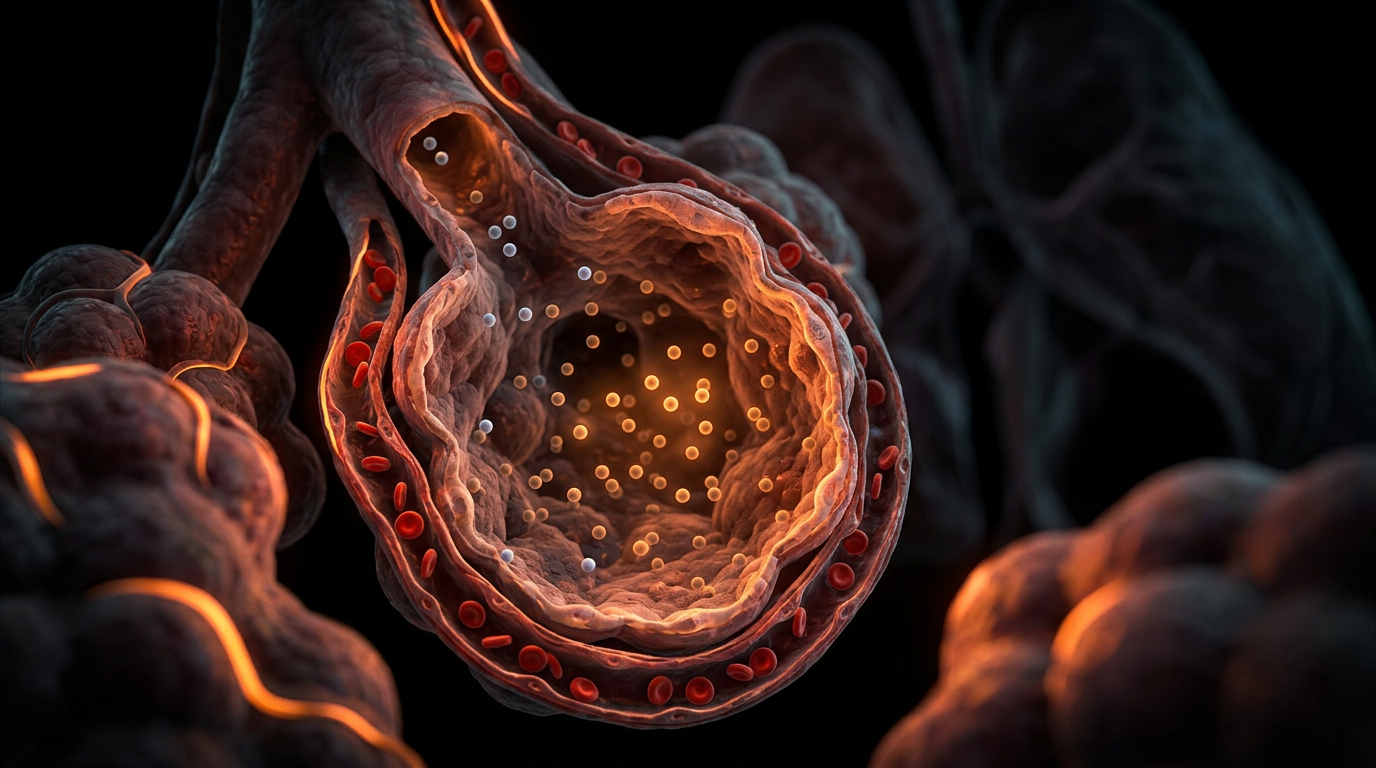
THE HYPERCAPNIA TRAP: RETHINKING CARBON DIOXIDE IN THE BRITISH CLASSROOM. SECTION 1: CO2 AS A METABOLIC SIGNAL, NOT JUST A WASTE PRODUCT. In the context of the UK school air quality crisis, Carbon Dioxide (CO2) is frequently treated as a mere proxy for ventilation—a 'marker' for how much fresh air is in the room. This is a dangerous oversimplification. At levels frequently recorded in UK classrooms—often exceeding 2,000 to 5,000 parts per million (ppm)—CO2 acts as a potent neuromodulator and metabolic signal.
The mainstream narrative suggests that high CO2 only causes 'drowsiness.' However, the biological reality is that elevated CO2 induces a state of mild respiratory acidosis. When blood CO2 rises, it reacts with water to form carbonic acid, lowering the pH of the blood and, crucially, the cerebrospinal fluid. This shift in pH affects the binding affinity of hemoglobin for oxygen (the Bohr Effect) and alters the firing rates of neurons in the brainstem and cortex. Specifically, it influences the amygdala and the prefrontal cortex, shifting the body’s autonomic nervous system toward a sympathetic (stress-dominant) state. Children are not just 'tired' in stuffy rooms; they are experiencing a physiological shift that impairs high-level cognitive processing and emotional stability.
SECTION 2: THE ACIDOSIS OF EXECUTIVE FUNCTION. The prefrontal cortex is particularly sensitive to changes in acid-base balance. Studies using functional MRI have shown that even moderate elevations in CO2 (around 1,000 ppm) can significantly reduce cognitive performance in tasks requiring strategic thinking and complex decision-making. In a typical UK classroom where 30 children are confined in a small space with closed windows to preserve heat, CO2 levels can skyrocket within 20 minutes. This creates a 'cognitive ceiling.' As the brain struggles to maintain pH homeostasis, it diverts metabolic energy away from the 'expensive' processes of learning and synthesis toward the more 'affordable' processes of rote tasks and basic survival.
This is why teachers often observe a sharp decline in student engagement and an increase in irritability toward the end of a lesson. Mainstream educational psychology blames 'attention spans,' but the fault lies in the metabolic environment of the room. SECTION 3: THE EDUCATIONAL DEFICIT AS A PHYSIOLOGICAL OUTCOME. The long-term implications of chronic exposure to high CO2 levels in schools are profound. If a child spends six hours a day, five days a week, in a state of mild acidosis, the cumulative impact on their educational attainment is significant.
This is a hidden tax on the UK’s human capital. Furthermore, chronic hypercapnia can lead to adaptations in the chemoreceptors of the brain, potentially altering the respiratory drive and metabolic health in later life. To address this, we must mandate CO2 monitors in every classroom—not as a suggestion, but as a critical piece of health infrastructure. However, monitoring is only the first step. We must recognize that high CO2 is a direct physiological toxin that impairs the very function schools are designed to promote: the development of the human mind.
This article is provided for informational and educational purposes only. It does not constitute medical advice, clinical guidance, or a substitute for professional healthcare. Information reflects cited research at time of publication. Always consult a qualified healthcare professional before acting on any health information.
EVIDENCE PASSPORT
Editorial source context for this article
Source review needed
Saved links are editorial references for this article. They may support specific claims rather than every sentence. Open and assess each source in context. This passport does not independently verify them.
Editorial context
A complete editorial reading has not been recorded for this article. Source links remain available for you to open and assess directly.
Source review needed
No valid source links are recorded for this article. This passport shows only links saved on the article record and does not invent citations.
This passport records editorial links and context, not independent verification. Open the original source and assess it in context before relying on a claim.
Medical Disclaimer
The information in this article is for educational purposes only and does not constitute medical advice, diagnosis, or treatment. Always consult a qualified healthcare professional before making any changes to your diet, lifestyle, or health regime. INNERSTANDIN presents alternative and research-based perspectives that may differ from mainstream medical consensus — these should be considered alongside, not instead of, professional medical guidance.
Read Full DisclaimerContinue the thread
Keep this question moving.
Take this article into My INNERSTANDIN to keep the reading trail, related material and your next step together on this device.
Explore this in the Body Map
See where this hits your biology. Interactive anatomy, threats, and protective protocols.