
Hyperinsulinemia and the Inflammaging Pathway in Plantar Fasciitis Development
Discuss this resourceUpdated August 2026
This article explores the systemic link between chronic hyperinsulinemia, metabolic-driven inflammaging, and the breakdown of connective tissue leading to recalcitrant plantar fasciitis.
Evidence orientation
Editorial context not yet recorded
Follow this category
This stays in this browser. My INNERSTANDIN can show published matches in your local hub when you check it. It does not send email, push, or alert notifications.
Local learning review
A private browser aid for revisiting ideas. It is not an alert or a health recommendation.
Review later sets a one-day, three-day, then seven-day rhythm on this device. Choose it only when you want to revisit this article.
Introduction: Beyond the Heel
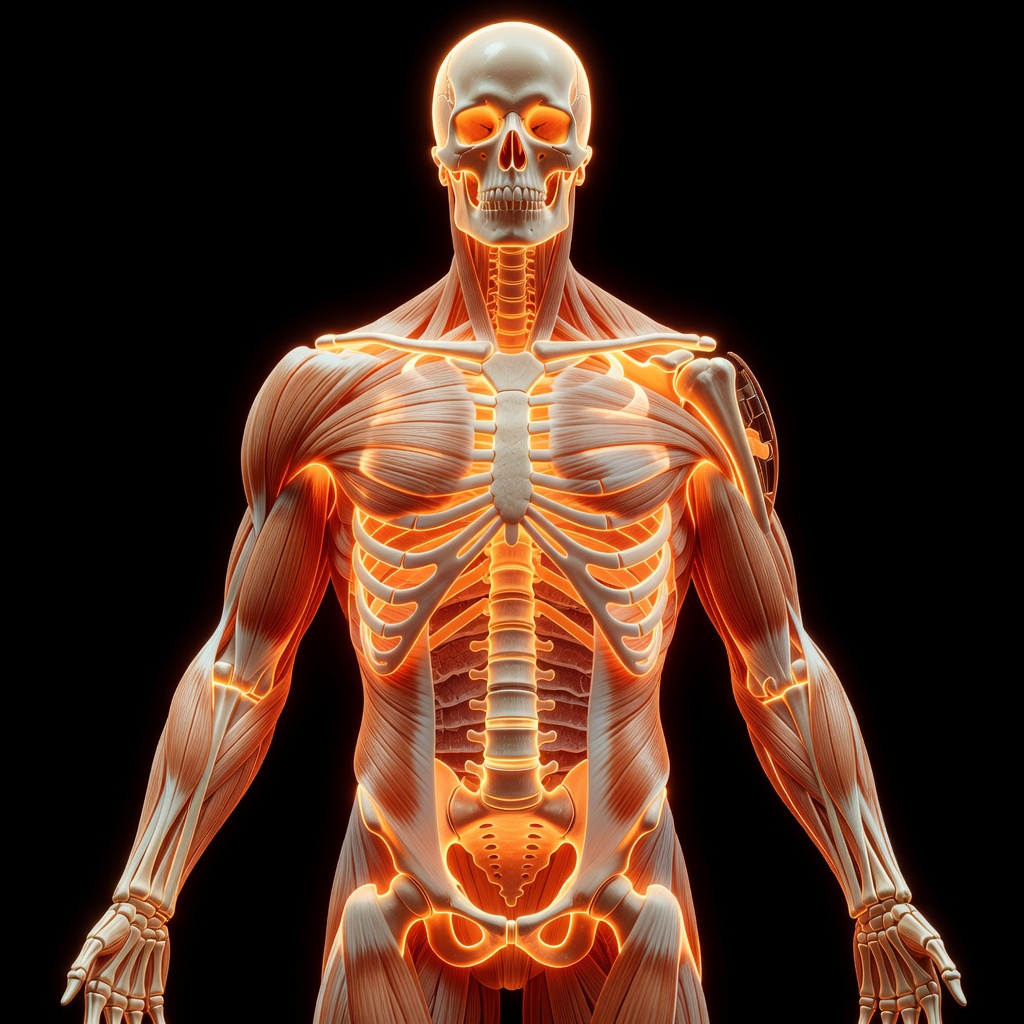
For decades, plantar fasciitis has been dismissed as a purely mechanical issue—a condition of 'overuse' or 'poor footwear.' However, at INNERSTANDING, we recognize that the body is an integrated system. When heel pain becomes chronic, we must look beyond the sole and into the bloodstream. Emerging research suggests that hyperinsulinemia, driven by metabolic dysfunction, creates an environment of systemic 'inflammaging' that prevents the proper repair of connective tissue in the plantar fascia.
The Insulin-Inflammation Nexus
Hyperinsulinemia occurs when the pancreas overproduces insulin to compensate for insulin resistance. This state is not merely about blood sugar; it is a pro-inflammatory state. Insulin, in excess, activates the mammalian target of rapamycin (mTOR) pathway. While mTOR is necessary for growth, chronic activation inhibits autophagy—the body’s essential 'cellular cleaning' process. When cellular debris accumulates in the collagen-rich matrix of the fascia, the tissue loses its structural integrity.
Inflammaging: The Silent Degradation
'Inflammaging' is the chronic, low-grade systemic inflammation that accelerates biological aging. In the context of the plantar fascia, this means that even minor micro-tears—which would normally heal in days—become sites of persistent oxidative stress. Hyperinsulinemia elevates levels of C-reactive protein (CRP) and proinflammatory cytokines like IL-6. These molecules degrade type I collagen, the primary building block of the fascia, replacing it with disorganized, friable tissue. This is why many patients find that traditional stretching and orthotics fail to provide relief: the root cause is biochemical, not just structural.
The Collagen Paradox
Advanced Glycation End-products (AGEs) are a byproduct of chronic high insulin and glucose levels. These molecules cross-link collagen fibers, making the fascia brittle and inelastic. A brittle fascia cannot absorb the shock of daily movement, leading to constant micro-trauma. You are essentially dealing with a biological 'stiffness' that no amount of rolling or massage can fix if the systemic metabolic environment remains conducive to AGE formation.
Addressing the Root Cause
To resolve plantar fasciitis in the metabolic context, we must address the metabolic dysfunction. This includes adopting a low-glycemic, nutrient-dense diet to stabilize insulin levels and utilizing targeted supplementation to reduce systemic inflammation. By shifting the body out of a pro-inflammatory, hyperinsulinemic state, we allow the fascia to shift from a cycle of degradation back into a cycle of repair.
Conclusion
Plantar fasciitis is often a systemic signal, not just a local complaint. By understanding the link between insulin dynamics and inflammaging, patients can move beyond symptom management and address the underlying metabolic terrain required for true healing.
This article is provided for informational and educational purposes only. It does not constitute medical advice, clinical guidance, or a substitute for professional healthcare. Information reflects cited research at time of publication. Always consult a qualified healthcare professional before acting on any health information.
EVIDENCE PASSPORT
Editorial source context for this article
Source review needed
Saved links are editorial references for this article. They may support specific claims rather than every sentence. Open and assess each source in context. This passport does not independently verify them.
Editorial context
A complete editorial reading has not been recorded for this article, and no source links are saved on its record.
Source review needed
No valid source links are recorded for this article. Supplementary research, where available, is listed separately below.
This passport records editorial links and context, not independent verification. Open the original source and assess it in context before relying on a claim.
Medical Disclaimer
The information in this article is for educational purposes only and does not constitute medical advice, diagnosis, or treatment. Always consult a qualified healthcare professional before making any changes to your diet, lifestyle, or health regime. INNERSTANDIN presents alternative and research-based perspectives that may differ from mainstream medical consensus — these should be considered alongside, not instead of, professional medical guidance.
Read Full DisclaimerContinue the thread
Keep this question moving.
Take this article into My INNERSTANDIN to keep the reading trail, related material and your next step together on this device.
Explore this in the Body Map
Explore related body structures and their educational pages in the interactive Body Map.