
The Hypoxia-Coagulation Feedback Loop: HIF-1α in Chronic Disease
Published April 2026
Microclots cause hypoxia, but hypoxia itself is a powerful trigger for more clotting. This article dissects the role of Hypoxia-Inducible Factor 1-alpha (HIF-1α) in creating a self-perpetuating cycle of vascular obstruction and oxygen starvation. Discover the biological mechanism that prevents tissue recovery and why simply breathing more oxygen isn't the whole solution.
Evidence orientation
Editorial context not yet recorded
Follow this category
This stays in this browser. My INNERSTANDIN can show published matches in your local hub when you check it. It does not send email, push, or alert notifications.
Local learning review
A private browser aid for revisiting ideas. It is not an alert or a health recommendation.
Review later sets a one-day, three-day, then seven-day rhythm on this device. Choose it only when you want to revisit this article.
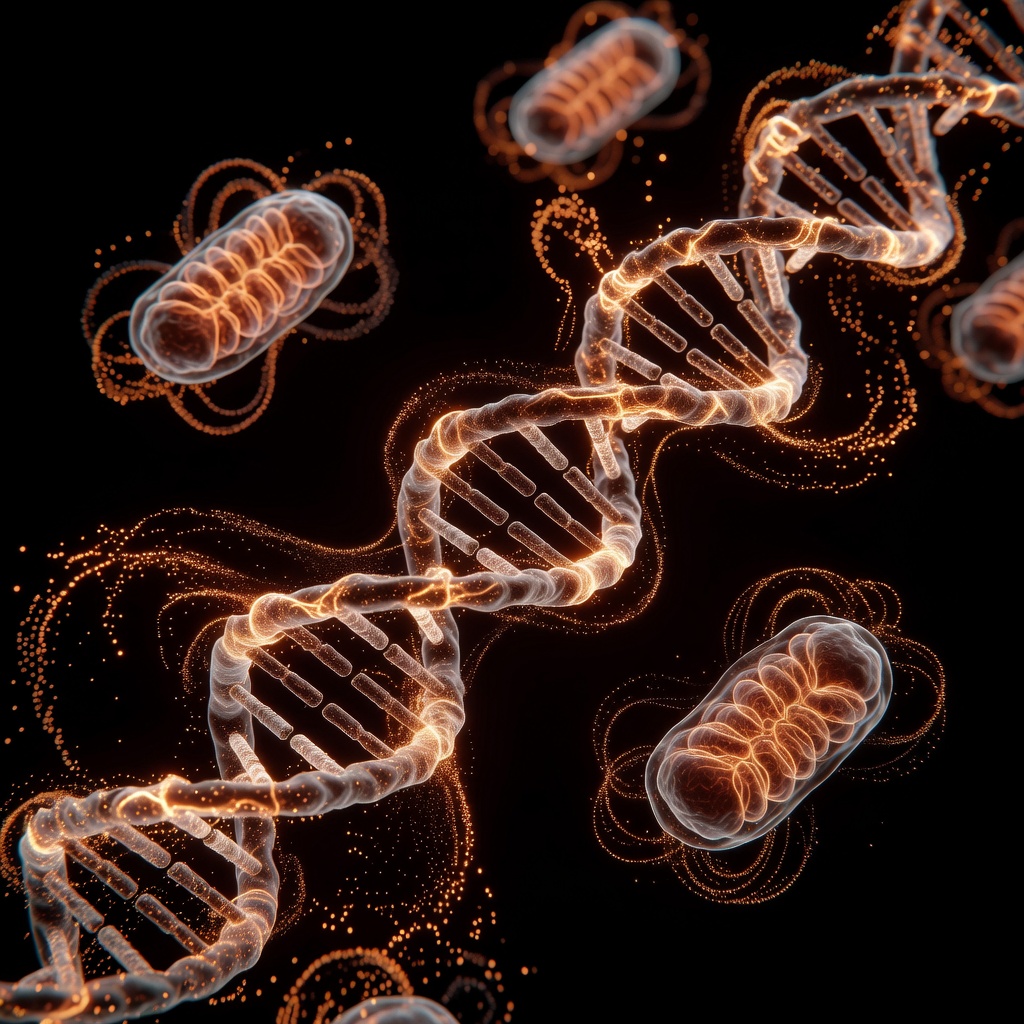
The primary danger of microclotting is the deprivation of oxygen to tissues, known as hypoxia. However, the relationship between oxygen and clotting is not a one-way street; it is a vicious, self-perpetuating cycle. When tissues become hypoxic due to micro-vascular obstruction, cells respond by stabilizing a protein called Hypoxia-Inducible Factor 1-alpha (HIF-1α). HIF-1α is a master regulator that prepares the cell for low-oxygen environments, but one of its primary actions is to increase the production of Plasminogen Activator Inhibitor-1 (PAI-1). PAI-1 is the 'brakes' of the fibrinolytic system; it inhibits the enzymes that break down clots.
Therefore, the more hypoxia a tissue experiences, the more it prevents the body from clearing the clots that caused the hypoxia in the first place. This creates a lockdown state where tissues are trapped in a low-oxygen, pro-coagulant environment. Mainstream medicine often treats the symptoms of hypoxia—such as pain or cognitive dysfunction—without addressing this underlying biochemical feedback loop. Breaking this cycle requires a dual approach. First, the 'brakes' must be released by inhibiting PAI-1 and promoting fibrinolysis.
Second, the tissue must be re-oxygenated, but in a way that doesn't trigger massive oxidative stress. Simply increasing atmospheric oxygen is often insufficient because the microclots prevent the oxygen from reaching the cells. This is why therapies such as Hyperbaric Oxygen Therapy (HBOT) or Exercise with Oxygen Therapy (EWOT) are being investigated, as they use pressure or increased heart rate to force oxygen into the plasma and deeper into the tissues. Lifestyle factors like movement are also critical; physical activity helps 'flush' the system and modulate HIF-1α levels. However, for those with severe microclotting, exercise can be a double-edged sword, as it can temporarily increase hypoxia if the micro-vascular system is too blocked.
Understanding the HIF-1α pathway explains why chronic clotting conditions are so difficult to shift and why the solution must address both the physical clot and the cellular response to the lack of oxygen.
This article is provided for informational and educational purposes only. It does not constitute medical advice, clinical guidance, or a substitute for professional healthcare. Information reflects cited research at time of publication. Always consult a qualified healthcare professional before acting on any health information.
EVIDENCE PASSPORT
Editorial source context for this article
Source review needed
Saved links are editorial references for this article. They may support specific claims rather than every sentence. Open and assess each source in context. This passport does not independently verify them.
Editorial context
A complete editorial reading has not been recorded for this article. Source links remain available for you to open and assess directly.
Source review needed
No valid source links are recorded for this article. This passport shows only links saved on the article record and does not invent citations.
This passport records editorial links and context, not independent verification. Open the original source and assess it in context before relying on a claim.
Medical Disclaimer
The information in this article is for educational purposes only and does not constitute medical advice, diagnosis, or treatment. Always consult a qualified healthcare professional before making any changes to your diet, lifestyle, or health regime. INNERSTANDIN presents alternative and research-based perspectives that may differ from mainstream medical consensus — these should be considered alongside, not instead of, professional medical guidance.
Read Full DisclaimerContinue the thread
Keep this question moving.
Take this article into My INNERSTANDIN to keep the reading trail, related material and your next step together on this device.
Explore this in the Body Map
See where this hits your biology. Interactive anatomy, threats, and protective protocols.