
IgA Secretion and Appendiceal Governance of Commensal Microbial Diversity
Discuss this resourceUpdated August 2026
This article explores the vermiform appendix's critical role as a specialized bioreactor for beneficial gut bacteria, focusing on how IgA secretion governs the composition of the microbiome and maintains immune homeostasis.
Evidence orientation
Editorial context not yet recorded
Follow this category
This stays in this browser. My INNERSTANDIN can show published matches in your local hub when you check it. It does not send email, push, or alert notifications.
Local learning review
A private browser aid for revisiting ideas. It is not an alert or a health recommendation.
Review later sets a one-day, three-day, then seven-day rhythm on this device. Choose it only when you want to revisit this article.
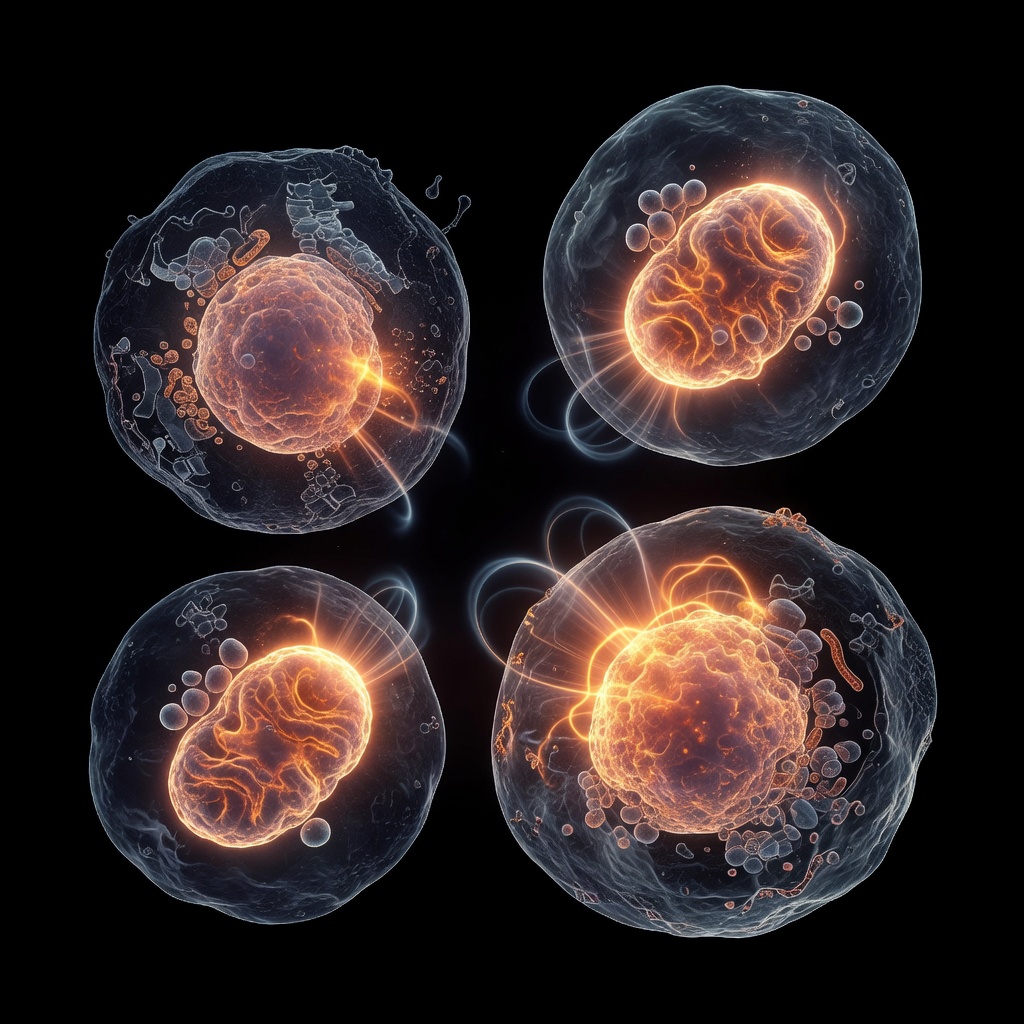
The Forgotten Organ: Beyond Evolutionary Remnant
For decades, the vermiform appendix was dismissed by medical orthodoxy as a vestigial structure—a leftover of human evolution with no significant function. At INNERSTANDING, we challenge this reductionist view. Emerging evidence identifies the appendix as a sophisticated 'safe house' for commensal flora, functioning as a vital component of the mucosal immune system. Its primary role in governing microbial diversity is mediated through the targeted secretion of Secretory Immunoglobulin A (SIgA).
The Anatomy of a Bioreactor
Structurally, the appendix is dense with lymphoid tissue, specifically organized into lymphoid follicles. This high concentration of immune cells creates an ideal environment for sampling luminal antigens. Unlike other parts of the colon, the appendix experiences limited flow, which prevents the 'flushing out' of beneficial bacteria. This spatial isolation allows the appendix to cultivate a reservoir of symbiotic microbes that can repopulate the cecum and colon following dysbiotic events, such as acute diarrhea or antibiotic treatment.
IgA: The Guardian of Microbial Order
Secretory IgA (SIgA) is the primary antibody class found in mucosal secretions. It acts as an immune rheostat. Rather than simply destroying bacteria, SIgA serves to 'tag' and modulate the behavior of commensal microbes. In the appendix, high levels of SIgA are secreted to coat the surface of these beneficial bacteria. This process, known as 'immune coating,' influences microbial colonization and ensures that symbiotic strains dominate the environment over opportunistic pathogens.
By modulating the surface antigens of commensals, SIgA regulates the microbial community structure. If a specific bacterial population begins to expand disproportionately or invade the mucosal lining, the appendix initiates an adaptive immune response, utilizing SIgA to prevent bacterial translocation while maintaining the symbiotic relationship with commensal taxa. This governance prevents chronic systemic inflammation, a root cause of many modern autoimmune conditions.
Appendiceal Governance and Systemic Health
When the appendix is removed or its function is compromised, the body loses a crucial mechanism for re-establishing microbial balance. Research suggests that appendectomy may correlate with an increased risk of Clostridioides difficile infections and certain inflammatory bowel diseases (IBD). Without the 'nursery' of the appendix, the gut microbiome becomes susceptible to long-term shifts in composition, often leading to reduced microbial diversity—a hallmark of metabolic and immune dysfunction.
Restoring Gut Harmony
From a root-cause perspective, preserving the structural and functional integrity of the appendix is paramount. This involves fostering a diverse microbiome through fiber-rich diets and minimizing unnecessary antibiotic exposure. By supporting the body's natural governance mechanisms, we ensure that the appendix continues to serve as the master regulator of our internal ecosystem. Understanding the interplay between IgA and the appendix transforms our view of this organ from a surgical target into a cornerstone of physiological resilience.
This article is provided for informational and educational purposes only. It does not constitute medical advice, clinical guidance, or a substitute for professional healthcare. Information reflects cited research at time of publication. Always consult a qualified healthcare professional before acting on any health information.
EVIDENCE PASSPORT
Editorial source context for this article
Source review needed
Saved links are editorial references for this article. They may support specific claims rather than every sentence. Open and assess each source in context. This passport does not independently verify them.
Editorial context
A complete editorial reading has not been recorded for this article, and no source links are saved on its record.
Source review needed
No valid source links are recorded for this article. Supplementary research, where available, is listed separately below.
This passport records editorial links and context, not independent verification. Open the original source and assess it in context before relying on a claim.
Medical Disclaimer
The information in this article is for educational purposes only and does not constitute medical advice, diagnosis, or treatment. Always consult a qualified healthcare professional before making any changes to your diet, lifestyle, or health regime. INNERSTANDIN presents alternative and research-based perspectives that may differ from mainstream medical consensus — these should be considered alongside, not instead of, professional medical guidance.
Read Full DisclaimerContinue the thread
Keep this question moving.
Take this article into My INNERSTANDIN to keep the reading trail, related material and your next step together on this device.
Explore this in the Body Map
Explore related body structures and their educational pages in the interactive Body Map.
Dig deeper in the Library
Free, longform PDF volumes that go beyond headlines into mechanisms and references.