
Intercellular Gap Junction Communication: Safeguarding Tissue Integrity Against Environmental Stressors
Discuss this resourceUpdated August 2026
An exploration of how gap junctions serve as critical bioelectric conduits in maintaining tissue homeostasis and physiological resilience against external environmental stressors.
Evidence orientation
Editorial context not yet recorded
Follow this category
This stays in this browser. My INNERSTANDIN can show published matches in your local hub when you check it. It does not send email, push, or alert notifications.
Local learning review
A private browser aid for revisiting ideas. It is not an alert or a health recommendation.
Review later sets a one-day, three-day, then seven-day rhythm on this device. Choose it only when you want to revisit this article.
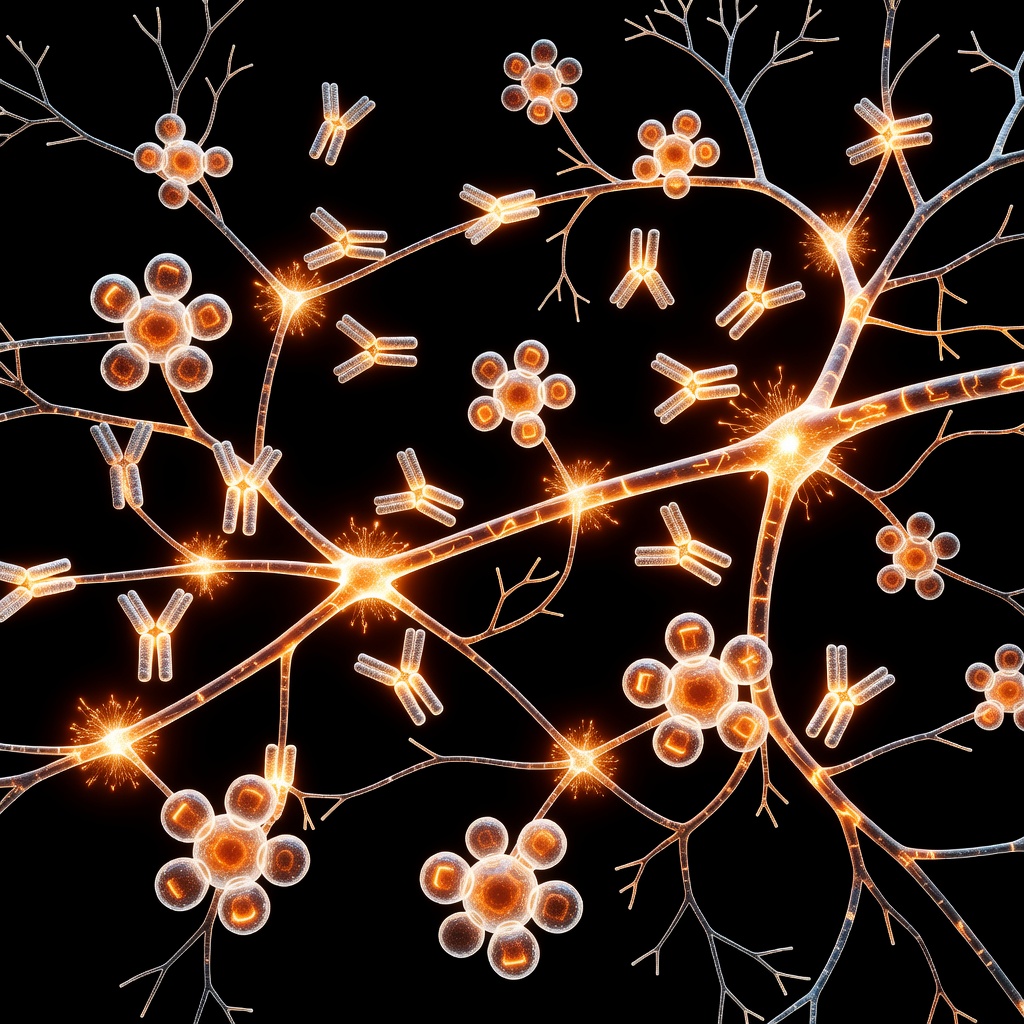
This structural bridge serves two primary purposes: metabolic coupling and electrical synchronization. By maintaining a shared electrochemical environment, tissues act as a functional syncytium rather than a collection of independent units. When this communication is disrupted, tissues lose their ability to self-regulate, leading to accelerated aging and diminished regenerative capacity. ## Environmental Stressors and the Breakdown of Signaling Modern environmental stressors act as silent disruptors of these junctions. Chronic inflammation, for instance, triggers a systemic increase in reactive oxygen species (ROS), which can cause the rapid closure or downregulation of connexin expression. When cells are 'electrically isolated,' they become hypersensitive to stressors.
The lack of intercellular buffering means that a localized toxic event can quickly spiral into regional tissue necrosis because the 'stressed' cell cannot redistribute the metabolic load or receive rescue signals from its neighbors. ## Bioelectricity as a Regenerative Catalyst The root-cause approach to regenerative medicine focuses on the restoration of this bioelectric field. By stabilizing the resting membrane potential and promoting connexin expression through lifestyle, light therapy, and nutritional support, we can reinforce tissue integrity. When gap junctions remain open and functional, the tissue exhibits a 'collective intelligence' that allows it to repair micro-damages long before they manifest as chronic disease or structural failure. ## Strategies for Resilience To safeguard this vital communication network, one must focus on the reduction of systemic oxidative load and the support of cellular membrane fluidity. Magnesium, for example, serves as a crucial cofactor for the structural integrity of the connexin proteins. Furthermore, minimizing chronic exposure to non-native frequencies helps maintain the delicate bioelectric signaling that keeps our internal 'grid' online.
By prioritizing the health of gap junctions, we move away from symptom management and toward the empowerment of the body's innate regenerative architecture.
This article is provided for informational and educational purposes only. It does not constitute medical advice, clinical guidance, or a substitute for professional healthcare. Information reflects cited research at time of publication. Always consult a qualified healthcare professional before acting on any health information.
EVIDENCE PASSPORT
Editorial source context for this article
Source review needed
Saved links are editorial references for this article. They may support specific claims rather than every sentence. Open and assess each source in context. This passport does not independently verify them.
Editorial context
A complete editorial reading has not been recorded for this article, and no source links are saved on its record.
Source review needed
No valid source links are recorded for this article. Supplementary research, where available, is listed separately below.
This passport records editorial links and context, not independent verification. Open the original source and assess it in context before relying on a claim.
Medical Disclaimer
The information in this article is for educational purposes only and does not constitute medical advice, diagnosis, or treatment. Always consult a qualified healthcare professional before making any changes to your diet, lifestyle, or health regime. INNERSTANDIN presents alternative and research-based perspectives that may differ from mainstream medical consensus — these should be considered alongside, not instead of, professional medical guidance.
Read Full DisclaimerContinue the thread
Keep this question moving.
Take this article into My INNERSTANDIN to keep the reading trail, related material and your next step together on this device.