
Intergenerational Health Risks: Transgenerational Epigenetic Inheritance of Industrial Cadmium Toxicity
Discuss this resourceUpdated August 2026
This article explores how exposure to industrial cadmium can induce lasting epigenetic modifications, creating a legacy of disease that extends to descendants who were never directly exposed to the toxin.
Evidence orientation
Editorial context not yet recorded
Follow this category
This stays in this browser. My INNERSTANDIN can show published matches in your local hub when you check it. It does not send email, push, or alert notifications.
Local learning review
A private browser aid for revisiting ideas. It is not an alert or a health recommendation.
Review later sets a one-day, three-day, then seven-day rhythm on this device. Choose it only when you want to revisit this article.
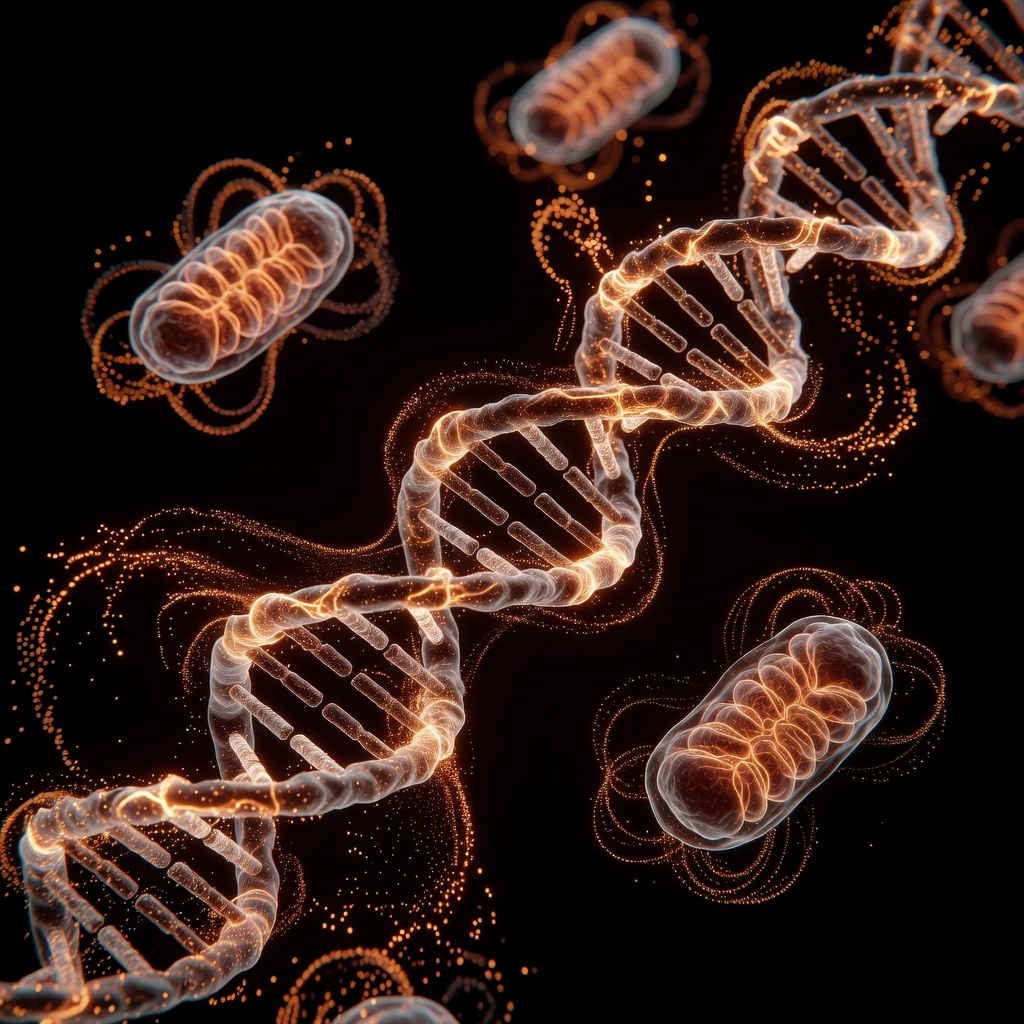
In the landscape of industrial toxicology, cadmium (Cd) occupies a uniquely sinister position. As a potent, non-essential heavy metal, it is a byproduct of smelting, battery manufacturing, and phosphate fertiliser production. While acute toxicity is well-documented, a more insidious threat looms: the capacity for cadmium to rewrite the biological programming of future generations.
The Epigenetic Mechanism: Beyond Genetics
Unlike traditional genetic mutations, which involve physical alterations to the DNA sequence, epigenetic inheritance involves chemical modifications to DNA and its associated proteins. Cadmium exposure triggers the hypermethylation of DNA and the modification of histones—the 'spools' around which DNA wraps. By altering the expression of genes involved in metabolic regulation and DNA repair, cadmium creates a 'molecular memory' of toxic stress.
Transgenerational Impact
When a pregnant individual is exposed to cadmium, the impact is threefold: the individual, the developing fetus, and the germ cells within the fetus are all affected. This results in the transmission of aberrant epigenetic signatures to the F3 generation (the grandchildren). These descendants may exhibit heightened risks for diabetes, renal dysfunction, and neurodevelopmental delays, despite never having encountered the metal themselves.
Root-Cause Considerations
The root cause of this inheritance lies in how heavy metals disrupt the cellular methylation cycle. Cadmium displaces essential minerals like zinc and selenium, which are required for the enzymes that maintain healthy epigenetic markers. Once the methylation landscape is distorted, it becomes a self-perpetuating cycle of cellular instability.
Implications for Public Health
Understanding transgenerational toxicity demands a shift from reactive medicine to proactive environmental management. Mitigation requires aggressive regulation of industrial runoff and the support of cellular detoxification pathways, particularly during preconception. We must view environmental health not as an individual burden, but as an inherited legacy requiring systemic intervention.
This article is provided for informational and educational purposes only. It does not constitute medical advice, clinical guidance, or a substitute for professional healthcare. Information reflects cited research at time of publication. Always consult a qualified healthcare professional before acting on any health information.
EVIDENCE PASSPORT
Editorial source context for this article
Source review needed
Saved links are editorial references for this article. They may support specific claims rather than every sentence. Open and assess each source in context. This passport does not independently verify them.
Editorial context
A complete editorial reading has not been recorded for this article, and no source links are saved on its record.
Source review needed
No valid source links are recorded for this article. Supplementary research, where available, is listed separately below.
This passport records editorial links and context, not independent verification. Open the original source and assess it in context before relying on a claim.
Medical Disclaimer
The information in this article is for educational purposes only and does not constitute medical advice, diagnosis, or treatment. Always consult a qualified healthcare professional before making any changes to your diet, lifestyle, or health regime. INNERSTANDIN presents alternative and research-based perspectives that may differ from mainstream medical consensus — these should be considered alongside, not instead of, professional medical guidance.
Read Full DisclaimerContinue the thread
Keep this question moving.
Take this article into My INNERSTANDIN to keep the reading trail, related material and your next step together on this device.
Dig deeper in the Library
Free, longform PDF volumes that go beyond headlines into mechanisms and references.