Interrupting Enterohepatic Recirculation: The Biological Mechanism of Charcoal-Induced Toxin Clearance
Discuss this resourceUpdated August 2026
An in-depth exploration of how activated charcoal interrupts the cycle of toxin reabsorption in the liver and gut, explaining the biological pathways of enterohepatic recirculation and its role in modern detoxification protocols.
Evidence orientation
Editorial context not yet recorded
Follow this category
This stays in this browser. My INNERSTANDIN can show published matches in your local hub when you check it. It does not send email, push, or alert notifications.
Local learning review
A private browser aid for revisiting ideas. It is not an alert or a health recommendation.
Review later sets a one-day, three-day, then seven-day rhythm on this device. Choose it only when you want to revisit this article.
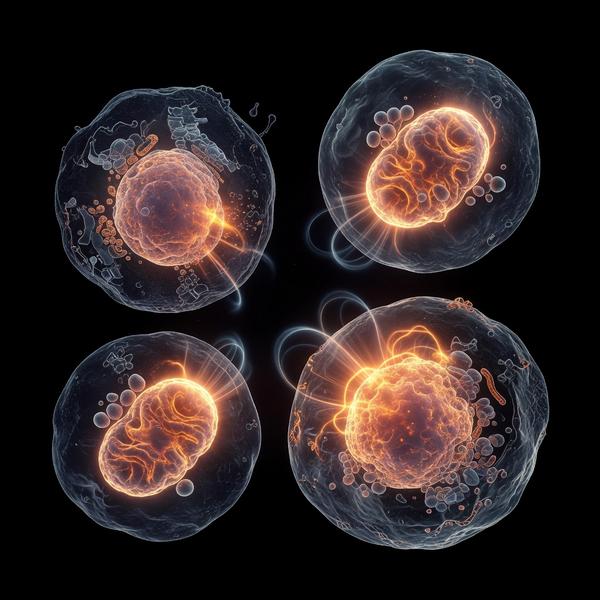
The human liver is the primary filtration organ, but it does not simply discard toxins into the void. Instead, it utilizes a complex, cyclical pathway known as enterohepatic circulation. In this process, the liver conjugates fat-soluble toxins—such as environmental pollutants, metabolic byproducts, and hormones—with bile and excretes them into the small intestine. Under ideal conditions, these substances should pass out through the stool. However, the body is highly efficient at recycling; often, the intestinal wall reabsorbs these toxins, sending them back to the liver to be processed once more. This creates a loop that traps chronic toxins within the system.
The Role of Activated Charcoal
Activated charcoal acts as a high-affinity adsorbent. Its surface is riddled with microscopic pores created through a high-temperature activation process, giving it an immense surface area—often exceeding 1,000 square meters per gram. When introduced into the gastrointestinal tract, charcoal functions as a chemical sponge. It does not 'bind' in the traditional sense, but uses Van der Waals forces to trap toxins within its pore structure.
Interrupting the Loop
By occupying the intestinal lumen, charcoal intercepts bile-bound toxins before they can be reabsorbed by the portal vein. By sequestering these molecules and holding them securely within its matrix, the charcoal ensures they are excreted via fecal matter. This effectively breaks the enterohepatic loop, forcing the liver to dump its next load of toxins rather than re-circulating the old ones. This is the root-cause approach to detoxification: addressing the accumulation of waste by preventing the body from recycling its own internal pollution.
Clinical Implications and Safety
While powerful, interrupting this cycle requires timing. Because charcoal is non-selective, it can adsorb medications and essential nutrients. It is best utilized in short bursts or as part of a targeted protocol rather than a continuous supplement. By focusing on the biological mechanism of biliary excretion, individuals can better understand how to support their natural detoxification pathways without overburdening the filtration systems of the liver and kidneys.
This article is provided for informational and educational purposes only. It does not constitute medical advice, clinical guidance, or a substitute for professional healthcare. Information reflects cited research at time of publication. Always consult a qualified healthcare professional before acting on any health information.
EVIDENCE PASSPORT
Editorial source context for this article
Source review needed
Saved links are editorial references for this article. They may support specific claims rather than every sentence. Open and assess each source in context. This passport does not independently verify them.
Editorial context
A complete editorial reading has not been recorded for this article, and no source links are saved on its record.
Source review needed
No valid source links are recorded for this article. Supplementary research, where available, is listed separately below.
Supplementary editorial research
Separate from saved sourcesThe notes below relate only to the points described and do not represent a review of every claim in the article. Links labelled saved are in the article’s source list above; other links are displayed from the website.
Deutsches Ärzteblatt International · Zellner and colleagues · 2019
The Use of Activated Charcoal to Treat Intoxications- Scope
- This clinical review explains that activated charcoal can adsorb certain ingested substances in the gut and that repeated doses can interrupt enterohepatic or enteroenteric circulation of selected substances in acute poisoning.
- Limitations
- The review concerns acute intoxication, not routine use for chronic environmental exposure or the article’s detoxification protocol. Adsorption depends on the substance; metals including lead and mercury are adsorbed insufficiently or not at all. The review discusses contraindications including aspiration risk. It does not test an Arsenal product.
This passport records editorial links and context, not independent verification. Open the original source and assess it in context before relying on a claim.
Medical Disclaimer
The information in this article is for educational purposes only and does not constitute medical advice, diagnosis, or treatment. Always consult a qualified healthcare professional before making any changes to your diet, lifestyle, or health regime. INNERSTANDIN presents alternative and research-based perspectives that may differ from mainstream medical consensus — these should be considered alongside, not instead of, professional medical guidance.
Read Full DisclaimerContinue the thread
Keep this question moving.
Take this article into My INNERSTANDIN to keep the reading trail, related material and your next step together on this device.
Explore this in the Body Map
Explore related body structures and their educational pages in the interactive Body Map.
Dig deeper in the Library
Free, longform PDF volumes that go beyond headlines into mechanisms and references.
RABBIT HOLE
Follow the biological thread deeper