
Investigating the Serotonin Transporter Gene Polymorphisms in PMDD Vulnerability
Discuss this resourceUpdated August 2026
An in-depth exploration into the genetic underpinnings of Premenstrual Dysphoric Disorder, specifically focusing on how SLC6A4 serotonin transporter gene polymorphisms influence neurobiological sensitivity to hormonal fluctuations.
Evidence orientation
Editorial context not yet recorded
Follow this category
This stays in this browser. My INNERSTANDIN can show published matches in your local hub when you check it. It does not send email, push, or alert notifications.
Local learning review
A private browser aid for revisiting ideas. It is not an alert or a health recommendation.
Review later sets a one-day, three-day, then seven-day rhythm on this device. Choose it only when you want to revisit this article.
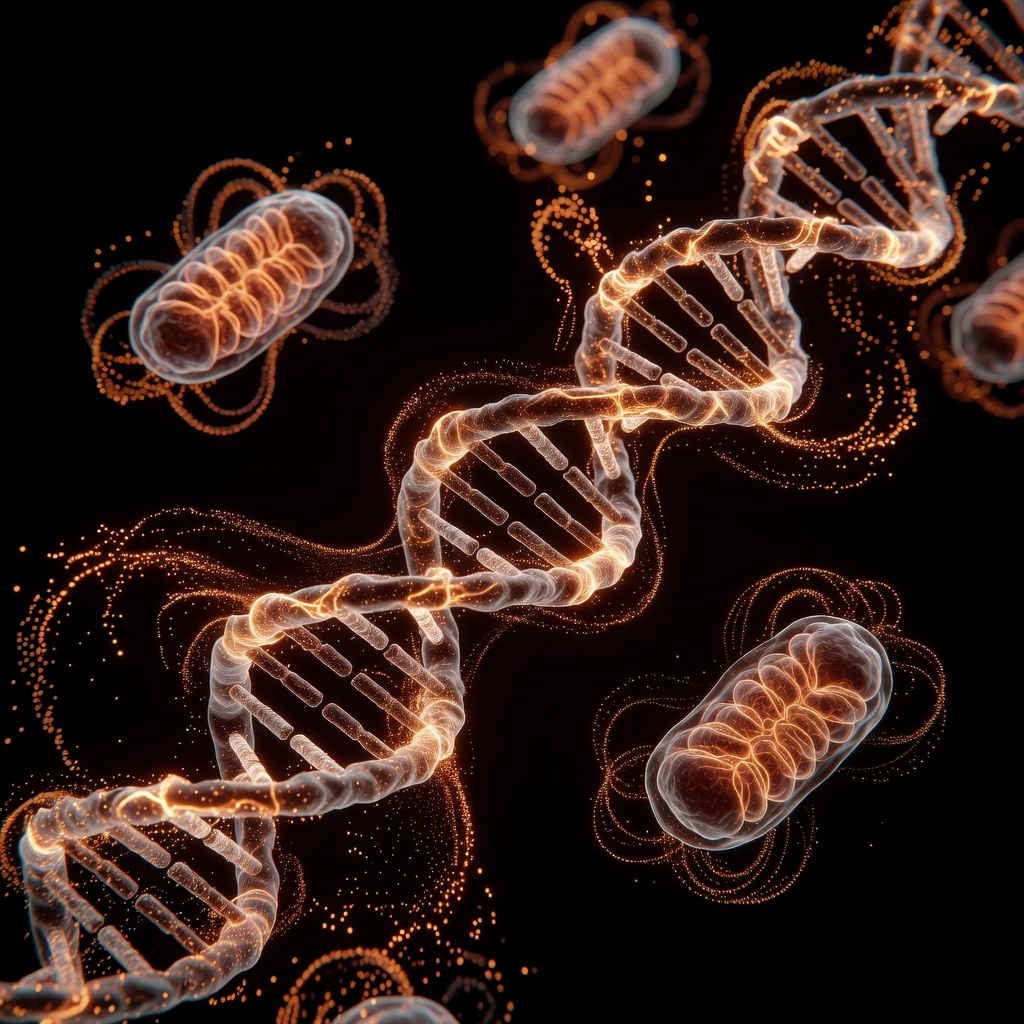
The Neurobiology of PMDD
Premenstrual Dysphoric Disorder (PMDD) is far more than a collection of mood swings. For those who experience it, it is a cyclical, debilitating condition characterized by severe emotional and physical distress. At INNERSTANDING, we prioritize a root-cause approach, moving beyond symptom management to understand the underlying biological architecture. A primary area of current research centers on the serotonergic system—specifically the SLC6A4 gene and its role in PMDD vulnerability.
The Serotonin Transporter (5-HTT) and the SLC6A4 Gene
Serotonin is a critical neurotransmitter responsible for mood regulation, sleep, and appetite. The Serotonin Transporter (5-HTT) protein is responsible for clearing serotonin from the synaptic cleft, effectively terminating the signal. The gene responsible for encoding this protein is SLC6A4. Within this gene lies a specific region known as the 5-HTTLPR (serotonin-transporter-linked polymorphic region).
Understanding 5-HTTLPR Polymorphisms
The 5-HTTLPR region exists primarily in two variants: the 'short' (S) allele and the 'long' (L) allele. Research indicates that the S-allele is associated with reduced transcriptional efficiency of the serotonin transporter. Simply put, individuals with the S-allele have fewer serotonin transporters, which may lead to impaired serotonin reuptake and a higher susceptibility to mood disturbances when the brain is stressed.
The Interaction Between Hormones and Genetics
What makes PMDD unique is that women with the disorder are not necessarily suffering from abnormal hormonal levels; rather, they exhibit an abnormal brain sensitivity to the normal hormonal fluctuations of the menstrual cycle. Estrogen and progesterone metabolites (such as allopregnanolone) modulate serotonin levels. In individuals with the S-allele polymorphism, the brain’s ability to stabilize serotonin levels in the face of these fluctuating reproductive hormones is diminished. This 'mismatch' between endocrine cycles and neurochemical stability is a primary driver of the clinical symptoms of PMDD.
Clinical Implications
Identifying these genetic markers allows for a more personalized approach to treatment. While Selective Serotonin Reuptake Inhibitors (SSRIs) are the current clinical gold standard for PMDD, understanding an individual's genetic profile may eventually help practitioners determine who will best respond to traditional pharmacology versus lifestyle-based interventions focused on serotonin synthesis, such as targeted nutritional support, amino acid therapy, and stress-reduction protocols.
Moving Towards Root-Cause Understanding
Genetics is not destiny, but it is a blueprint for susceptibility. By understanding that PMDD has a distinct biological root in how our genes handle serotonin, we move away from the stigma of 'psychological' distress and into the realm of neurological and endocrine science. Empowering yourself with this knowledge is the first step toward effective management and reclaiming your cycle.
This article is provided for informational and educational purposes only. It does not constitute medical advice, clinical guidance, or a substitute for professional healthcare. Information reflects cited research at time of publication. Always consult a qualified healthcare professional before acting on any health information.
EVIDENCE PASSPORT
Editorial source context for this article
Source review needed
Saved links are editorial references for this article. They may support specific claims rather than every sentence. Open and assess each source in context. This passport does not independently verify them.
Editorial context
A complete editorial reading has not been recorded for this article, and no source links are saved on its record.
Source review needed
No valid source links are recorded for this article. Supplementary research, where available, is listed separately below.
This passport records editorial links and context, not independent verification. Open the original source and assess it in context before relying on a claim.
Medical Disclaimer
The information in this article is for educational purposes only and does not constitute medical advice, diagnosis, or treatment. Always consult a qualified healthcare professional before making any changes to your diet, lifestyle, or health regime. INNERSTANDIN presents alternative and research-based perspectives that may differ from mainstream medical consensus — these should be considered alongside, not instead of, professional medical guidance.
Read Full DisclaimerContinue the thread
Keep this question moving.
Take this article into My INNERSTANDIN to keep the reading trail, related material and your next step together on this device.
Explore this in the Body Map
Explore related body structures and their educational pages in the interactive Body Map.
Dig deeper in the Library
Free, longform PDF volumes that go beyond headlines into mechanisms and references.