
Ion Exchange Capacity: Understanding How Charged Clay Minerals Disrupt Systemic Bioaccumulation
Discuss this resourceUpdated August 2026
An in-depth exploration of how the electrochemical properties of bentonite and zeolite clays act as molecular sieves to neutralize toxins and disrupt the cycle of systemic bioaccumulation in the human body.
Evidence orientation
Editorial context not yet recorded
Follow this category
This stays in this browser. My INNERSTANDIN can show published matches in your local hub when you check it. It does not send email, push, or alert notifications.
Local learning review
A private browser aid for revisiting ideas. It is not an alert or a health recommendation.
Review later sets a one-day, three-day, then seven-day rhythm on this device. Choose it only when you want to revisit this article.
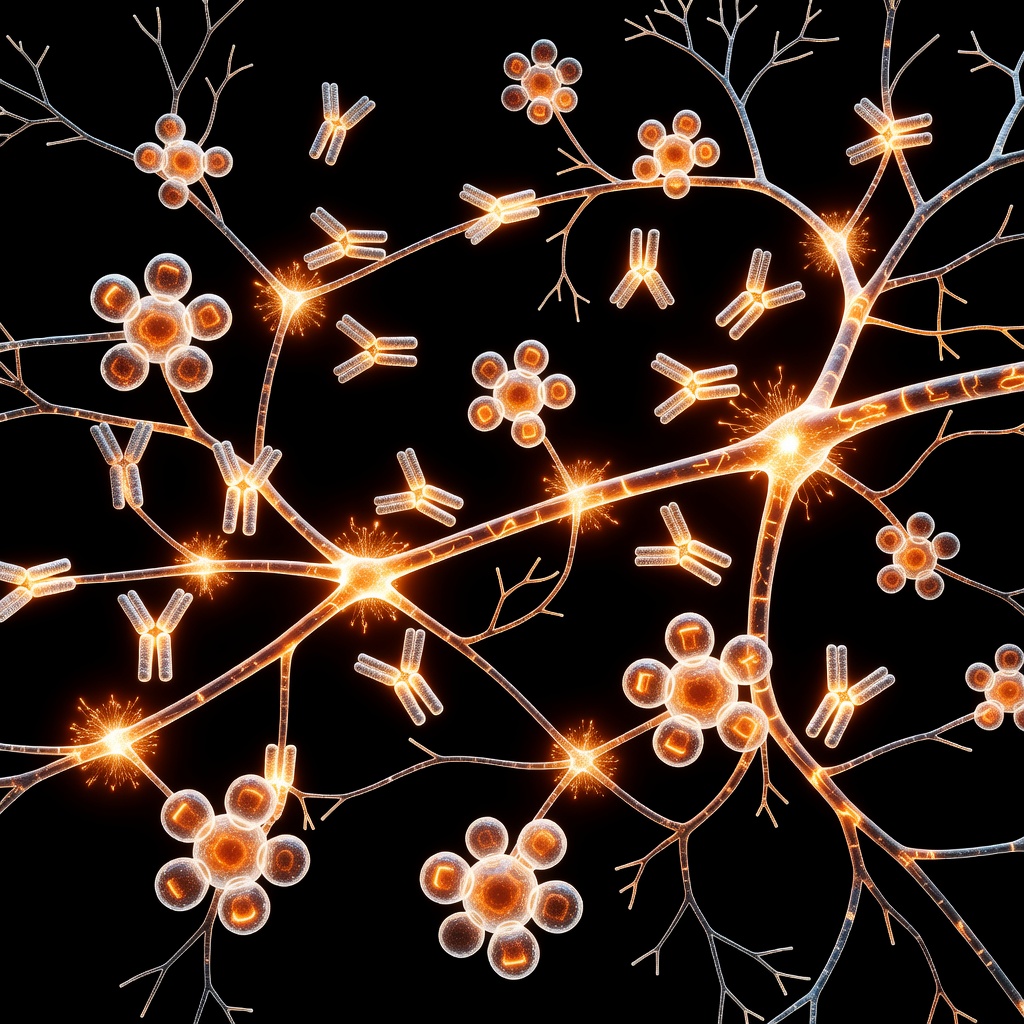
The Electrochemical Gateway: Clay as a Biological Catalyst. At the heart of holistic detoxification lies a sophisticated electrochemical process known as Ion Exchange Capacity (IEC). For many, clay is merely a topical beauty treatment, but within the landscape of Innerstanding, we view specific minerals like calcium bentonite and clinoptilolite zeolite as advanced, natural chelating agents. Understanding IEC requires us to look at the microscopic architecture of clay minerals—specifically, their layered phyllosilicate structure. ## The Mechanism of Action: Cation Exchange. Clay minerals possess a naturally occurring negative surface charge.
In the internal environment of the human digestive tract, this negative charge acts like a biological magnet. Toxic heavy metals (such as lead, mercury, and cadmium) and various organic pollutants are typically positively charged ions (cations). When these minerals are introduced into the gut, the clay initiates a 'swap.' It releases beneficial, benign minerals like calcium, magnesium, or potassium from its molecular structure and anchors the toxic cations into its tight, hexagonal lattice. This is not merely absorption; it is a profound chemical neutralization that prevents these toxins from crossing the intestinal barrier into the bloodstream. ## Disrupting the Bioaccumulation Cycle. Bioaccumulation occurs when the rate of toxin intake exceeds the body's natural excretion capacity.
Over time, these substances sequester in adipose tissue, the liver, and the brain. By utilizing high-IEC minerals, we provide the body with a 'sink'—a localized, non-systemic trap that intercept toxins before they can contribute to systemic load. This interrupts the enterohepatic circulation, where toxins are recycled by the liver back into the gut. By binding these substances during their transit, we effectively decrease the systemic burden, allowing the body's primary detoxification pathways—the liver and kidneys—to catch up on repair. ## Beyond the Surface: Why Particle Size Matters. Not all clays are created equal.
The efficacy of Ion Exchange is directly proportional to surface area. Clays with a finer micronization allow for greater interaction with the gut lining. However, one must ensure the mineral is food-grade and free from heavy metal contamination to ensure the 'swapping' process is working for the body, not adding to the burden. ## Practical Integration for Cellular Sovereignty. Incorporating these minerals into a detoxification protocol is not a 'cure-all' but a strategic intervention. Because these minerals are non-selective, they must be taken away from food and essential medications to prevent the stripping of vital nutrients.
When timed correctly, they serve as a guardian for the intestinal lumen, creating a protective buffer that prioritizes the excretion of environmental stressors. As we continue our exploration in the Clay & Activated Charcoal Detox series, remember that true systemic healing begins by managing the chemical environment within your gut, turning the tide against the environmental pollutants of the modern world.
This article is provided for informational and educational purposes only. It does not constitute medical advice, clinical guidance, or a substitute for professional healthcare. Information reflects cited research at time of publication. Always consult a qualified healthcare professional before acting on any health information.
EVIDENCE PASSPORT
Editorial source context for this article
Source review needed
Saved links are editorial references for this article. They may support specific claims rather than every sentence. Open and assess each source in context. This passport does not independently verify them.
Editorial context
A complete editorial reading has not been recorded for this article, and no source links are saved on its record.
Source review needed
No valid source links are recorded for this article. Supplementary research, where available, is listed separately below.
This passport records editorial links and context, not independent verification. Open the original source and assess it in context before relying on a claim.
Medical Disclaimer
The information in this article is for educational purposes only and does not constitute medical advice, diagnosis, or treatment. Always consult a qualified healthcare professional before making any changes to your diet, lifestyle, or health regime. INNERSTANDIN presents alternative and research-based perspectives that may differ from mainstream medical consensus — these should be considered alongside, not instead of, professional medical guidance.
Read Full DisclaimerContinue the thread
Keep this question moving.
Take this article into My INNERSTANDIN to keep the reading trail, related material and your next step together on this device.
Explore this in the Body Map
Explore related body structures and their educational pages in the interactive Body Map.
Dig deeper in the Library
Free, longform PDF volumes that go beyond headlines into mechanisms and references.