
KPV: Targeted Anti-Inflammatory Peptides for Gut Dysbiosis
Updated May 2026
KPV is a potent tripeptide that reduces intestinal inflammation and balances the microbiome. It represents a new frontier in treating IBD and other chronic digestive disorders prevalent in the UK.
Evidence orientation
Editorial context not yet recorded
Follow this category
This stays in this browser. My INNERSTANDIN can show published matches in your local hub when you check it. It does not send email, push, or alert notifications.
Local learning review
A private browser aid for revisiting ideas. It is not an alert or a health recommendation.
Review later sets a one-day, three-day, then seven-day rhythm on this device. Choose it only when you want to revisit this article.
Overview
In the contemporary landscape of clinical gastroenterology and regenerative medicine, few molecules hold as much transformative potential as KPV. A naturally occurring tripeptide consisting of the amino acids Lysine-Proline-Valine, KPV represents a precise fragment of the larger Alpha-Melanocyte Stimulating Hormone (α-MSH). While α-MSH is well-known for its role in pigmentation, its C-terminal fragment—KPV—is increasingly recognised by the vanguard of biological research as a potent, non-toxic, and highly targeted anti-inflammatory agent.
We currently find ourselves in the midst of a global "Gut Crisis". In the United Kingdom alone, the prevalence of Inflammatory Bowel Disease (IBD), including Crohn’s disease and Ulcerative Colitis, has reached unprecedented levels. This is not a mere quirk of genetics, but a systemic failure of the biological interface between the human organism and an increasingly hostile environment. Traditional medicine often seeks to "manage" these conditions through heavy-handed immunosuppression—utilising biologics and corticosteroids that essentially sledgehammer the immune system into submission.
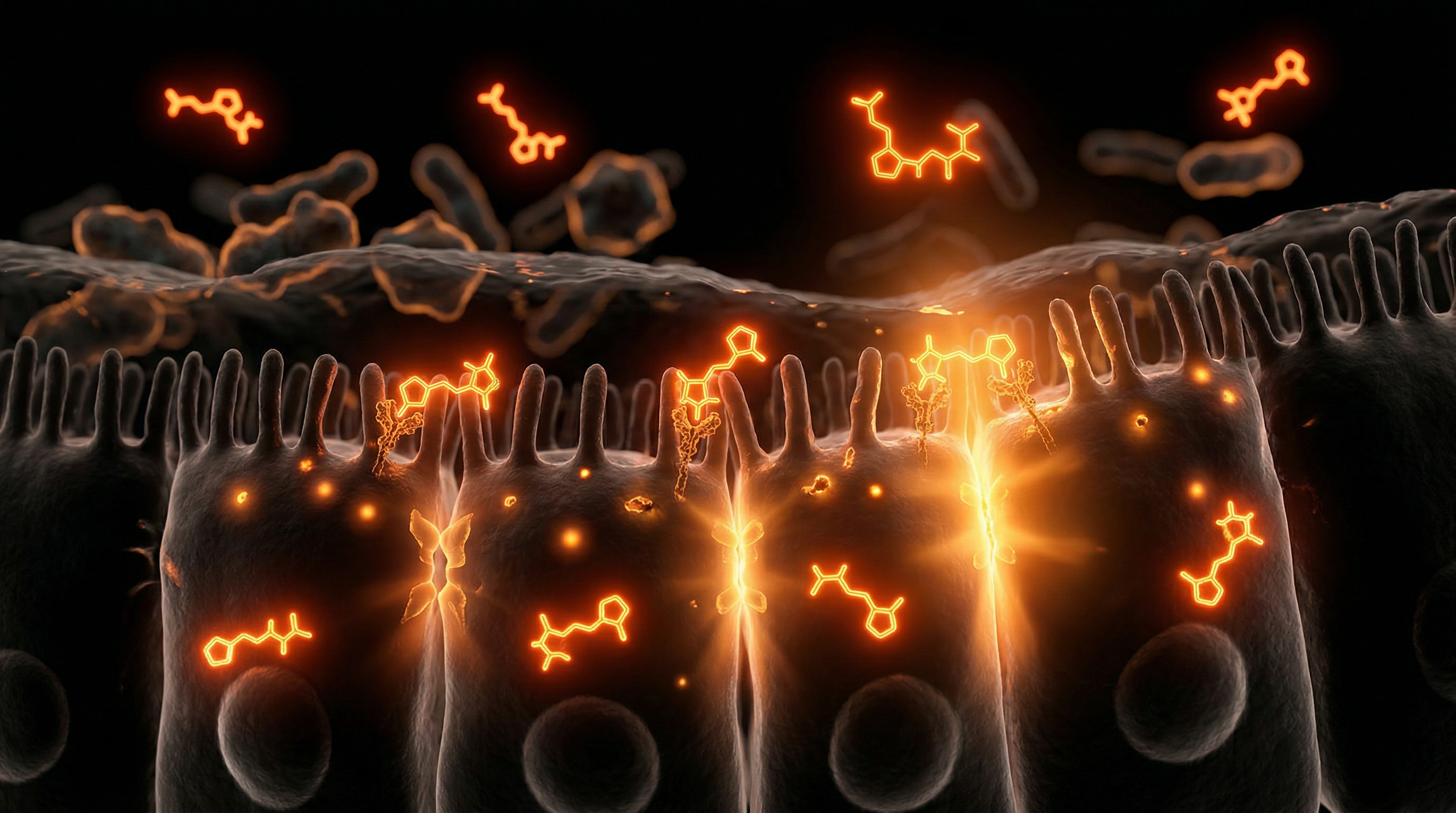
KPV offers a departure from this scorched-earth policy. It is a bioregulator, a molecular signal that communicates with the body’s own cellular machinery to downregulate inflammation and restore the integrity of the intestinal barrier. By modulating the Nuclear Factor-kappa B (NF-κB) pathway and interacting with melanocortin receptors, KPV addresses the root causes of Gut Dysbiosis and systemic inflammation without the debilitating side effects associated with pharmaceutical interventions.
This article serves as a deep dive into the biochemistry of KPV, its role in repairing the "Leaky Gut", and the reasons why such a simple, elegant solution remains on the periphery of the mainstream medical-industrial complex.
The Biology — How It Works
To understand KPV, one must understand its parent molecule, α-Melanocyte-Stimulating Hormone (α-MSH). This hormone is a key player in the melanocortin system, a complex ancient regulatory network that influences everything from energy homeostasis and sexual function to immune responses.
While α-MSH has potent anti-inflammatory properties, its use as a therapeutic is limited by its "melanotropic" effects—meaning it causes the skin to darken (tanning). Researchers discovered that the anti-inflammatory power of α-MSH was concentrated in its terminal three amino acids: Lysine-Proline-Valine (KPV). Crucially, this tripeptide retains the anti-inflammatory efficacy of the parent hormone but lacks the pigment-stimulating effects, making it a viable candidate for long-term clinical use.
The Structure of the Tripeptide
KPV’s efficacy is a result of its specific molecular architecture:
- Lysine (K): An essential amino acid that plays a vital role in protein synthesis and immune function.
- Proline (P): A precursor to collagen, essential for the structural integrity of connective tissues and the gut lining.
- Valine (V): A branched-chain amino acid (BCAA) involved in tissue repair and nitrogen balance.
Because KPV is a tripeptide, it possesses a very low molecular weight. This allows it to easily penetrate cellular membranes and, more importantly, pass through the intestinal epithelium when administered orally. This "bioavailability" is a significant hurdle for many larger peptides, but KPV’s small size allows it to enter the bloodstream and the local gut environment effectively.
Callout: Unlike synthetic drugs, KPV is an endogenous signal. This means the human body already "speaks" its language, allowing for therapeutic intervention with a safety profile that exceeds almost all synthetic anti-inflammatories.
Mechanisms at the Cellular Level
The "magic" of KPV lies in its ability to intervene in the inflammatory cascade before it spirals out of control. It operates through several distinct but overlapping pathways.
Inhibition of the NF-κB Pathway
The NF-κB (Nuclear Factor-kappa B) complex is the "master switch" for inflammation. When triggered by pathogens, toxins, or stress, NF-κB moves into the cell nucleus and instructs the DNA to produce pro-inflammatory cytokines such as TNF-α, IL-1β, and IL-6.
In patients with Gut Dysbiosis or IBD, this switch is permanently stuck in the "ON" position. KPV works by entering the cell and inhibiting the translocation of NF-κB into the nucleus. By silencing this signal at the source, KPV prevents the "cytokine storm" that leads to tissue damage and chronic pain in the digestive tract.
Interaction with MC1R
KPV interacts primarily with the Melanocortin 1 Receptor (MC1R). While MC1R is found on skin cells, it is also expressed on immune cells and the epithelial cells lining the gut. When KPV binds to these receptors, it triggers an intracellular signalling cascade that further suppresses inflammation and promotes cellular "calm". Research suggests that KPV’s anti-inflammatory effects are actually more pronounced within the intestinal lumen because of the high density of these receptors in the gut wall.
Antimicrobial and Antifungal Action
Beyond its role as an anti-inflammatory, KPV exhibits direct antimicrobial properties. Studies have shown that it can disrupt the cell membranes of pathogens like Staphylococcus aureus and, most notably, the fungal pathogen Candida albicans.
In the context of gut health, Candida overgrowth is a primary driver of dysbiosis. By directly inhibiting the growth of these opportunistic fungi, KPV helps to rebalance the microbiome, allowing beneficial bacteria (commensals) to flourish.
Gut Barrier Restoration (Tight Junctions)
One of the most critical aspects of KPV therapy is its ability to heal Intestinal Permeability, or "Leaky Gut". The gut lining is held together by Tight Junction proteins (such as Zonulin and Occludin). When these junctions fail, undigested food particles and endotoxins (LPS) leak into the bloodstream. KPV has been shown to upregulate the production of these proteins, essentially "sewing" the gut lining back together.
Environmental Threats and Biological Disruptors
We do not live in the same biological environment as our ancestors. The modern human gut is under constant bombardment from a cocktail of synthetic disruptors that KPV must work to counteract.
The Glyphosate Factor
Glyphosate, the active ingredient in most commercial herbicides, is perhaps the most significant threat to British gut health today. Though the mainstream narrative suggests it is safe for humans because we lack the "shikimate pathway" used by plants, this is a dangerous half-truth. Our gut bacteria do use the shikimate pathway.
When we consume glyphosate-laden wheat or oats (standard in the UK diet), we are effectively consuming a slow-acting antibiotic that selectively kills beneficial bacteria while allowing pathogenic strains like Salmonella and Clostridium to thrive. This creates a state of permanent dysbiosis that KPV is uniquely positioned to address.
Microplastics and Nanoplastics
Recent studies have identified microplastics in 80% of human blood samples tested. In the UK, the ageing water infrastructure and the ubiquity of plastic packaging mean that we are constantly ingesting polymer particles. These particles lodge themselves in the mucosal lining of the gut, causing physical irritation and triggering a chronic immune response.
The "Scorched Earth" Antibiotic Model
The UK’s NHS has historically over-prescribed broad-spectrum antibiotics. While life-saving in acute scenarios, their chronic use has decimated the microbial diversity of the British population. Once the "good" bacteria are gone, the gut becomes an open field for inflammation. KPV acts as a restorative agent, cooling the fires of inflammation so that a healthy microbiome can be re-established through probiotics and prebiotics.
The Cascade: From Exposure to Disease
The journey from a "healthy gut" to a diagnosis of Crohn’s or Colitis is rarely sudden. It is a slow, methodical cascade of biological failure.
- Initial Insult: Exposure to glyphosate, ultra-processed emulsifiers, or chronic stress weakens the mucus layer of the gut.
- Barrier Breach: Tight junctions fail. Lipopolysaccharides (LPS)—highly inflammatory components of bacterial cell walls—enter the systemic circulation.
- Immune Hyper-activation: The immune system detects these invaders and launches a massive attack. Because the "enemy" is coming from the gut, the immune system begins to target the gut tissue itself.
- Molecular Mimicry: This is where things become dangerous. The proteins in the leaked food or bacteria often look like the proteins in our own tissues. The body becomes confused, leading to Autoimmunity.
- Chronic Dysbiosis: As inflammation persists, the environment of the gut becomes acidic and oxygen-rich (it should be anaerobic). This environment kills off the "good" bacteria and allows the "bad" ones to take over, creating a self-sustaining cycle of disease.
KPV breaks this cycle at Step 3 and Step 4. By inhibiting the NF-κB pathway, it tells the immune system to "stand down," preventing the transition from local irritation to systemic autoimmune disease.
What the Mainstream Narrative Omits
If KPV is so effective, why is it not the first line of treatment in every GP surgery in the UK? The answer lies in the economics of the pharmaceutical industry and the "suppression of nature."
The Patentability Problem
Peptides like KPV are essentially fragments of natural proteins. Under current international patent laws, you cannot patent a naturally occurring sequence. Without a patent, a pharmaceutical giant cannot justify the £1 billion cost of clinical trials, as they would have no "monopoly" on the product once it’s approved.
Instead, the industry focuses on "Biologics"—large, complex, synthetic molecules like Humira (Adalimumab). These drugs can be patented and sold for thousands of pounds per dose. While they work for some, they carry "Black Box" warnings for cancer, tuberculosis, and severe infection because they suppress the entire immune system, rather than modulating specific pathways like KPV.
The "Management" vs. "Cure" Paradigm
There is far more profit in "managing" a chronic condition for 40 years than there is in resolving it in six months. By ignoring bioregulatory peptides, the medical-industrial complex ensures a steady stream of "lifetime customers" who require constant monitoring and expensive, suppressive drugs.
Callout: KPV represents Biological Sovereignty. It is a tool for the individual to reclaim their health using the body's own signalling mechanisms, bypassing the need for toxic, patentable synthetics.
The UK Context
The United Kingdom faces a unique set of challenges regarding gut health. According to Crohn’s & Colitis UK, over 500,000 people in the UK live with IBD, and that number is projected to rise sharply by 2030.
The Soil Crisis
British soil is among the most depleted in the developed world. Decades of intensive farming have stripped the land of essential minerals like Zinc and Selenium, both of which are co-factors for the very immune processes that KPV regulates. When the diet lacks the building blocks of health, the body becomes more reliant on exogenous peptides to maintain balance.
The NHS Backlog
Patients in the UK currently face astronomical wait times for gastroenterology appointments. Many are left in a "medical limbo," suffering from debilitating flares while waiting for a consultant. This has led to a burgeoning "underground" health movement in the UK, where informed citizens are taking their health into their own hands, sourcing high-quality peptides like KPV from reputable research laboratories to bypass a failing system.
Regulatory Hurdles
The MHRA (Medicines and Healthcare products Regulatory Agency) has traditionally been slow to recognise the category of "Peptide Bioregulators." While they are legal to purchase for research purposes, they cannot be "marketed" as medicines. This creates a "grey market" that requires the consumer to be highly educated and discerning—a role that INNERSTANDING aims to facilitate.
Protective Measures and Recovery Protocols
For those looking to utilise KPV for gut restoration, a structured approach is essential. Simply taking a peptide while continuing a "toxic" lifestyle is like trying to put out a forest fire with a water pistol.
Administration Methods
- Oral (Gastric-Resistant Capsules): For targeted gut issues (IBD, IBS, Dysbiosis), oral administration is often preferred. Using acid-resistant capsules ensures that the tripeptide survives the stomach's hydrochloric acid and reaches the small and large intestines where it is needed most.
- Subcutaneous Injection: This is the most "bioavailable" method for systemic issues. It bypasses the digestive tract entirely and enters the bloodstream, making it ideal for systemic inflammation, skin conditions (like psoriasis), or joint pain.
- Transdermal: KPV can be absorbed through the skin, making it an excellent addition to creams for treating inflammatory skin disorders.
The Synergistic "Gut Stack"
KPV works best when combined with other bioregulatory compounds:
- BPC-157: The "Body Protective Compound." While KPV focuses on cooling inflammation, BPC-157 focuses on Angiogenesis (the growth of new blood vessels) and rapid tissue healing. Together, they are the "Gold Standard" for gut repair.
- Tributyrin: A stable form of butyrate, which provides the primary fuel for the cells lining the colon (colonocytes).
- Zinc Carnosine: Specifically helps heal the gastric lining and protects against NSAID-induced damage.
The Lifestyle Pivot
To maximise KPV’s effects, one must remove the primary "Biological Disruptors":
- Eliminate Seed Oils: Linoleic acid from industrial seed oils (sunflower, rapeseed) acts as a pro-inflammatory signal in the gut.
- Filter Your Water: Use high-grade filtration (Reverse Osmosis) to remove fluoride, chlorine, and microplastics.
- Source Organic: Especially when it comes to "The Dirty Dozen" crops and grains to avoid glyphosate exposure.
Important Fact: Research indicates that KPV is effective at concentrations as low as 10^-9 Molar, meaning even tiny amounts can trigger a significant cellular response.
Summary: Key Takeaways
The emergence of KPV in the field of peptide science marks a significant shift in how we approach chronic disease. It moves us away from the "Search and Destroy" mission of modern pharmacy and towards a "Nurture and Regulate" model.
- KPV (Lysine-Proline-Valine) is a potent tripeptide derived from α-MSH that targets inflammation at its source by inhibiting the NF-κB pathway.
- It is highly effective for IBD, Gut Dysbiosis, and Leaky Gut, offering a non-toxic alternative to biologics and steroids.
- KPV provides antimicrobial and antifungal benefits, particularly against Candida albicans, helping to restore the microbiome.
- The mainstream suppression of peptides is largely due to their lack of patentability, which prioritises profit over patient recovery.
- In the UK, where gut health is declining due to environmental toxins and a strained NHS, KPV represents a vital tool for individual health autonomy.
- Effective use of KPV requires a holistic approach, including the removal of glyphosate and seed oils, and synergy with other peptides like BPC-157.
The science is clear: we possess the molecular keys to unlock our own healing. The question is no longer if we can heal the gut, but whether we are willing to look beyond the mainstream narrative to the solutions that nature has already provided. KPV is not just a peptide; it is a signal of hope for a more resilient, biologically sovereign future.
This article is provided for informational and educational purposes only. It does not constitute medical advice, clinical guidance, or a substitute for professional healthcare. Information reflects cited research at time of publication. Always consult a qualified healthcare professional before acting on any health information.
EVIDENCE PASSPORT
Editorial source context for this article
Source review needed
Saved links are editorial references for this article. They may support specific claims rather than every sentence. Open and assess each source in context. This passport does not independently verify them.
Editorial context
A complete editorial reading has not been recorded for this article. Source links remain available for you to open and assess directly.
Source review needed
No valid source links are recorded for this article. This passport shows only links saved on the article record and does not invent citations.
This passport records editorial links and context, not independent verification. Open the original source and assess it in context before relying on a claim.
Medical Disclaimer
The information in this article is for educational purposes only and does not constitute medical advice, diagnosis, or treatment. Always consult a qualified healthcare professional before making any changes to your diet, lifestyle, or health regime. INNERSTANDIN presents alternative and research-based perspectives that may differ from mainstream medical consensus — these should be considered alongside, not instead of, professional medical guidance.
Read Full DisclaimerContinue the thread
Keep this question moving.
Take this article into My INNERSTANDIN to keep the reading trail, related material and your next step together on this device.
Explore this in the Body Map
See where this hits your biology. Interactive anatomy, threats, and protective protocols.
Dig deeper in the Library
Free, longform PDF volumes that go beyond headlines into mechanisms and references.