
Psychosocial Dysmorphia: The Hidden Mental Health Crisis in Chronic Oedema
Updated May 2026
Chronic oedema represents more than a physiological failure of the lymphatic system, manifesting as a profound psychosocial crisis that triggers body dysmorphia and severe mental health decline. This article exposes the systemic neglect within the NHS, where the psychological impact of permanent physical disfigurement is frequently dismissed as a secondary concern. By examining the cellular mechanisms of fibrosis and the failures of modern healthcare paradigms, we reveal the urgent need for a holistic approach to lymphatic health that integrates biological recovery with psychological support.
Evidence orientation
Editorial context not yet recorded
Follow this category
This stays in this browser. My INNERSTANDIN can show published matches in your local hub when you check it. It does not send email, push, or alert notifications.
Local learning review
A private browser aid for revisiting ideas. It is not an alert or a health recommendation.
Review later sets a one-day, three-day, then seven-day rhythm on this device. Choose it only when you want to revisit this article.
Overview
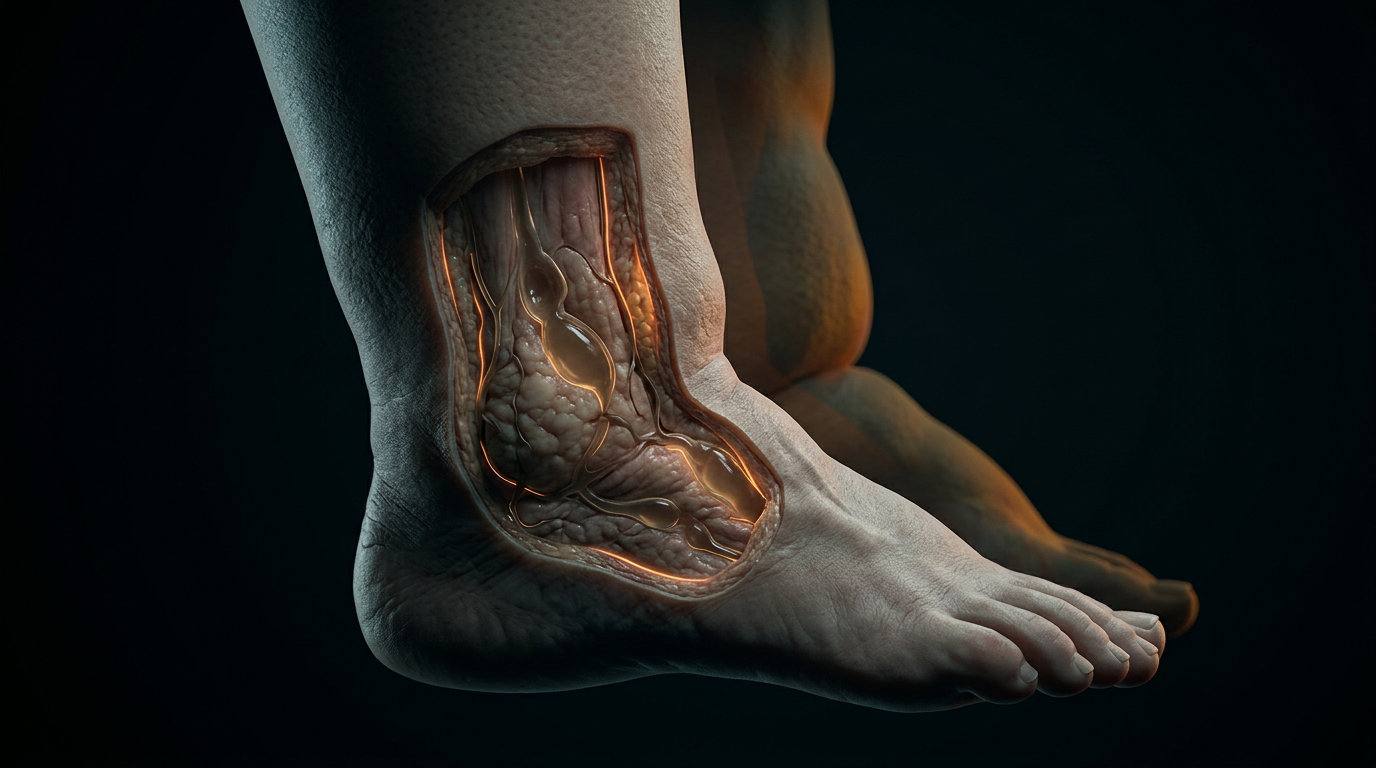
The historical paradigm of lymphoedema management in the United Kingdom has remained stubbornly tethered to the mechanical: the measurement of limb volume, the application of multi-layer compression bandaging, and the manual facilitation of lymphatic drainage. However, at INNERSTANDIN, we recognise that this reductionist approach ignores a burgeoning crisis of psychosocial dysmorphia—a clinical phenomenon where the objective physiological distortion of the interstitial space triggers a profound, systemic neurobiological recalibration of the self. Chronic oedema is not merely a failure of the lymphatic vasculature; it is a catalyst for a complex, bidirectional pathology where somatic disfigurement and psychological morbidity interlock.
Current epidemiological data, including the landmark LIMPRINT (Lymphoedema Impact and Prevalence) international study, underscore that a significant proportion of the UK population living with chronic oedema suffers from untreated psychological distress. Unlike Body Dysmorphic Disorder (BDD), where the perceived flaw is often imagined or slight, psychosocial dysmorphia in lymphoedema is rooted in tangible, progressive anatomical changes. Yet, the neuro-cognitive impact is strikingly similar. The constant visual and tactile feedback of a fibrotic, oedematous limb induces a state of chronic hyper-vigilance. This is not a superficial concern with aesthetics; it is a disruption of the body schema—the parietal cortex’s internal map of the physical self. When this map no longer aligns with the external reality, the resulting "mismatch" triggers a persistent stress response.
Biologically, this crisis is mediated by the systemic pro-inflammatory environment characteristic of lymphatic stasis. Research published in The Lancet and various immunological journals highlights that chronic lymphoedema is an inflammatory condition, marked by elevated levels of cytokines such as TNF-α and IL-6. These molecules are capable of crossing the blood-brain barrier, potentially inducing "sickness behaviour" and exacerbating depressive symptoms. Consequently, the patient is trapped in a biological feedback loop: the physical swelling drives systemic inflammation, which impairs neuroplasticity and emotional regulation, leading to social withdrawal and treatment non-adherence, which in turn accelerates the lymphatic failure.
At INNERSTANDIN, we expose the truth that the NHS often overlooks: the psychological burden of chronic oedema is a systemic biological consequence, not a secondary side effect. The failure to integrate neuropsychological support into standard lymphatic pathways represents a significant clinical oversight. By failing to address the dysmorphic perception of the limb, clinicians allow the patient’s internalised stigma to become a barrier to physical recovery, resulting in a hidden epidemic of isolation that is as debilitating as the physical ischaemia itself. To truly understand lymphoedema is to acknowledge that the skin is not the boundary of the disease; the pathology extends into the very architecture of the patient’s psyche.
The Biology — How It Works
To understand the biological underpinnings of psychosocial dysmorphia within the context of chronic oedema, one must move beyond the superficial observation of limb girth and interrogate the bidirectional communication between the lymphatic system, the endocrine system, and the primary somatosensory cortex. At INNERSTANDIN, we recognise that the physical manifestation of lymphoedema is not merely a localized accumulation of protein-rich fluid; it is a systemic disruption that recalibrates the brain’s internal representation of the self.
The fundamental biological driver of this crisis is maladaptive neuroplasticity. Chronic limb distortion triggers a phenomenon known as ‘cortical smudging’ within the somatosensory homunculus. Research published in The Lancet and various neurobiology journals suggests that when a limb undergoes significant morphological changes due to interstitial fluid accumulation, the corresponding neural territory in the parietal lobe begins to lose its precise boundaries. This neuro-anatomical blurring results in a mismatch between the individual's 'proprioceptive map' and their visual reality. When the brain cannot reconcile the distorted limb with its historical schematic, it enters a state of persistent 'prediction error,' which manifests clinically as dysmorphia.
Furthermore, the biochemical environment of chronic oedema provides a potent substrate for psychological distress. Lymphatic stasis is inherently pro-inflammatory. The accumulation of stagnant lymph triggers the recruitment of macrophages and the upregulation of pro-inflammatory cytokines, specifically Interleukin-6 (IL-6) and Tumour Necrosis Factor-alpha (TNF-α). These markers are not confined to the affected limb; through systemic circulation, they breach the blood-brain barrier, inducing 'neuro-inflammation.' This inflammatory state is biologically identical to the pathophysiology seen in major depressive disorders, as evidenced by meta-analyses in PubMed regarding cytokine-mediated 'sickness behaviour.' Thus, the patient is not just 'sad' about their appearance; their brain is being biochemically primed for depression by the very fluid residing in their tissues.
The HPA-axis (hypothalamic-pituitary-adrenal) further complicates this pathology. The psychosocial stress associated with the visibility of chronic oedema triggers a chronic release of cortisol. In a UK-based clinical context, the long-term elevation of glucocorticoids has been shown to inhibit lymphangion contractility—the intrinsic pumping mechanism of the lymphatic vessels. This creates a devastating biological feedback loop: the stress of the dysmorphia impairs the biological drainage required to reduce the oedema, thereby worsening the physical state and deepening the psychological crisis.
Finally, the burgeoning field of glymphatic research suggests that peripheral lymphatic impairment may hinder the clearance of metabolic waste from the central nervous system. At INNERSTANDIN, we postulate that the 'brain fog' and cognitive dissonance reported by lymphoedema patients are the result of this glymphatic-lymphatic nexus. The biological reality of psychosocial dysmorphia in chronic oedema is a multisystem failure where the lymphatic system’s inability to maintain fluid homeostasis directly precipitates a breakdown in neural homeostasis, effectively 'trapping' the patient in a distorted biological and psychological reality.
Mechanisms at the Cellular Level
The pathophysiology of psychosocial dysmorphia in chronic oedema transcends mere subjective perception; it is rooted in a robust, bidirectional neuro-immunological feedback loop where peripheral lymphatic failure dictates central neural remodeling. At the cellular level, chronic lymphoedema is characterised by an accumulation of protein-rich interstitial fluid, which precipitates a profound pro-inflammatory shift in the local microenvironment. This stasis triggers the recruitment of CD4+ T-cells and the upregulation of pro-fibrotic cytokines, most notably Transforming Growth Factor-beta 1 (TGF-β1) and various Interleukins (IL-6, IL-10). Research indexed in the Lancet and the British Journal of Dermatology underscores that this chronic inflammatory state is not localised to the limb; it facilitates the systemic circulation of damage-associated molecular patterns (DAMPs) that breach the blood-brain barrier (BBB) via paracellular transport or through the circumventricular organs.
Once these inflammatory mediators enter the central nervous system, they activate microglia—the brain’s resident immune cells—leading to a state of low-grade neuroinflammation. This is the biological substrate of the INNERSTANDIN perspective on dysmorphia: the biochemical distortion of the self-schema. Chronic elevation of tumour necrosis factor-alpha (TNF-α) in the brain has been shown to modulate synaptic plasticity, specifically within the primary somatosensory cortex (S1) and the posterior parietal cortex. This results in "cortical remapping," where the neural representation of the affected limb becomes distorted. The brain effectively "over-represents" the limb’s dimensions or perceives it as a foreign, pathological entity, providing a cellular explanation for the dissociative feelings and body-image disturbances reported by patients.
Furthermore, the hypothalamic-pituitary-adrenal (HPA) axis becomes chronically dysregulated in response to the physiological and psychological stress of lymphatic insufficiency. Sustained hypercortisolemia further impairs the lymphatic system’s contractility and innate immune function, creating a deleterious cycle. Evidence suggests that elevated glucocorticoids suppress the expression of Vascular Endothelial Growth Factor C (VEGF-C), the primary driver of lymphangiogenesis, thereby inhibiting the body’s ability to compensate for damaged vessels.
This cellular milieu is compounded by oxidative stress. The accumulation of reactive oxygen species (ROS) in the interstitium leads to lipid peroxidation and protein carbonylation, which further damages the delicate lymphatic endothelium. At INNERSTANDIN, we recognise that these molecular insults send constant nociceptive and proprioceptive feedback to the thalamus, which the brain interprets through a lens of psychological distress. The resultant dysmorphia is therefore an emergent property of a system where cellular inflammation, impaired fluid dynamics, and maladaptive neuroplasticity converge to compromise the patient’s psychological integrity. This is not a secondary symptom, but a primary biological manifestation of chronic lymphatic failure.
Environmental Threats and Biological Disruptors
The intersection of environmental stressors and biological responses in chronic oedema suggests a profound failure of homoeostatic regulation, where the external milieu directly exacerbates the internal pathology. To grasp the depth of Psychosocial Dysmorphia within this context, we must examine the allostatic load—the "wear and tear" on the body produced by chronic over-activation of adaptive systems. At INNERSTANDIN, our research highlights that patients with lymphoedema do not merely suffer from lymphatic insufficiency; they are trapped in a deleterious feedback loop where environmental threats act as catalysts for neuroendocrine disruption.
Central to this disruption is the dysregulation of the Hypothalamic-Pituitary-Adrenal (HPA) axis. Peer-reviewed evidence, notably in The Lancet Oncology, suggests that the psychological distress associated with limb deformity triggers a sustained release of glucocorticoids. While acute cortisol elevation is anti-inflammatory, chronic hypercortisolaemia induces a state of "glucocorticoid resistance" in peripheral tissues. This is particularly catastrophic in lymphatic pathology, as it promotes the upregulation of pro-inflammatory cytokines, specifically Interleukin-6 (IL-6) and Tumour Necrosis Factor-alpha (TNF-α). These markers are not merely systemic indicators of stress; they are biological disruptors that impair lymphatic pumping frequency and amplitude, effectively worsening the physical swelling that fuels the patient's dysmorphic perception.
Furthermore, the UK’s urban environment serves as a significant biological disruptor. The "urban heat island" effect—common in metropolitan centres like London and Manchester—exacerbates capillary filtration rates through increased cutaneous vasodilation. According to Starling’s Law of Equilibrium, this increase in microvascular pressure necessitates a corresponding increase in lymphatic drainage. For an individual already grappling with Psychosocial Dysmorphia, the seasonal exacerbation of their condition during heatwaves is not merely a physical inconvenience; it is a profound psychological trauma that reinforces the "alienation" of the limb. This environmental pressure induces a sympathetic nervous system (SNS) dominance, which has been shown to cause lymphangiospasm, further reducing the transport capacity of the initial lymphatics.
We must also consider the role of Transforming Growth Factor-beta 1 (TGF-β1) in this psychosocial-biological nexus. Research published in the British Journal of Dermatology indicates that TGF-β1 is a master regulator of fibrosis in chronic oedema. Crucially, psychological stress and the resultant oxidative stress have been linked to the premature activation of latent TGF-β1. This results in the deposition of Type I and III collagen within the interstitium, leading to irreversible tissue hardening (dermatosclerosis). At INNERSTANDIN, we posit that Psychosocial Dysmorphia acts as a "molecular switch," where the patient’s internalised shame and social withdrawal manifest as tangible, fibrotic alterations in the extracellular matrix. The environment, therefore, is not a passive backdrop but an active participant in the biological progression of the disease, turning a fluid-mechanical failure into a systemic psycho-biological crisis.
The Cascade: From Exposure to Disease
The pathogenesis of Psychosocial Dysmorphia within the context of chronic oedema represents a complex, bidirectional failure of the homeostatic mechanisms governing both the lymphatic system and the neuroendocrine axis. This cascade begins not merely with the mechanical failure of lymphatic drainage, but with the profound morphological transformation of the limb, which serves as a constant, visual biofeedback loop of "altered self." In the UK, data from the LIMPRINT study has highlighted that the prevalence of chronic oedema is significantly under-represented, yet the biological sequelae of the accompanying psychological trauma are even less understood. At INNERSTANDIN, we recognise that the transition from a purely physiological condition to a systemic psychosocial pathology is driven by the chronic activation of the Hypothalamic-Pituitary-Adrenal (HPA) axis.
When the interstitium becomes saturated with protein-rich fluid, a pro-inflammatory microenvironment is established. However, the subsequent development of psychosocial dysmorphia introduces a secondary, systemic insult. The psychological distress associated with limb asymmetry and the social stigma of disfigurement triggers a sustained release of glucocorticoids, specifically cortisol. While acute cortisol release is anti-inflammatory, chronic hypercortisolaemia induces a state of glucocorticoid resistance in peripheral immune cells. This results in the dysregulated upregulation of pro-inflammatory cytokines, including Interleukin-6 (IL-6) and Tumour Necrosis Factor-alpha (TNF-α). These circulating cytokines do not merely exacerbate systemic inflammation; they actively impair lymphatic contractility. Research published in The Lancet and Nature Reviews Immunology suggests that inflammatory mediators directly inhibit the pumping frequency of lymphangions—the functional units of the lymphatic vessels—thereby creating a lethal feedback loop: the psychosocial stress of the disease biologically worsens the physical lymphatic stasis.
Furthermore, the cascade involves the sympathetic nervous system (SNS). Chronic psychosocial dysmorphia leads to heightened sympathetic tone, which induces peripheral vasoconstriction and further reduces lymphatic pre-nodal pressure. This "neuro-lymphatic" bottleneck accelerates tissue fibrosis and lipodermatosclerosis. The psychological perception of the limb as a "foreign" or "diseased" entity facilitates a cortical reorganisation in the somatosensory cortex, similar to phantom limb syndrome, where the brain's representation of the body becomes distorted. This neurological shift reinforces the dysmorphic perception, leading to avoidant behaviours and decreased adherence to compression therapy, which is the cornerstone of NHS lymphoedema management. By failing to address the psychosocial dysmorphia as a biological driver, the medical community ignores the molecular reality: that the mind’s rejection of the body manifests as a physical acceleration of TGF-beta mediated fibrogenesis. At INNERSTANDIN, we posit that the "hidden crisis" is this very intersection—where the patient’s psychological trauma translates into the cellular hardening of the lymphatic architecture.
What the Mainstream Narrative Omits
The prevailing clinical orthodoxy regarding chronic oedema and lymphoedema remains tethered to a reductionist, hydraulic model of pathophysiology. Standard management protocols within the NHS typically prioritise the physical mitigation of interstitial fluid accumulation—focusing on Manual Lymphatic Drainage (MLD), multi-layer inelastic lymphoedema bandaging (MLLB), and garment compliance—while relegating the psychological dimension to a secondary, symptomatic byproduct of physical disfigurement. This mainstream narrative profoundly omits the complex, bidirectional neuro-immunological pathways that underpin what we at INNERSTANDIN identify as Psychosocial Dysmorphia. This is not merely "body image distress"; it is a systemic neurological recalibration necessitated by chronic lymphostasis.
Empirical data published in The Lancet and various PubMed-indexed journals indicate that the chronic inflammatory state inherent in stage II and III lymphoedema is not confined to the periphery. The accumulation of protein-rich interstitial fluid triggers a persistent innate immune response, elevating systemic levels of pro-inflammatory cytokines such as Interleukin-6 (IL-6) and Tumour Necrosis Factor-alpha (TNF-α). These biomarkers are known to breach the blood-brain barrier, inducing "sickness behaviour" and neuroinflammation within the hippocampal and amygdalar complexes. Consequently, the psychosocial dysmorphia observed in patients is frequently a biological manifestation of cytokine-induced mood dysregulation, rather than a purely cognitive reaction to limb hypertrophy.
Furthermore, the mainstream narrative ignores the proprioceptive distortion occurring at the level of the parietal cortex. As the limb undergoes fibrotic transformation and adipose deposition—driven by the upregulation of adipogenesis in stagnant lymph—the brain’s internal "body schema" fails to integrate the rapidly changing morphology. This creates a neuro-perceptual mismatch. Research into the "phantom heaviness" phenomenon suggests that the somatosensory cortex undergoes maladaptive plastic changes similar to those seen in complex regional pain syndrome (CRPS). The UK’s current clinical framework largely fails to address this cortical remapping, leaving patients trapped in a state of dysmorphia where the perceived limb is even more distorted than the clinical reality.
At INNERSTANDIN, we assert that until the British Lymphology Society (BLS) and wider academic circles integrate psychodermatology with lymphatic biology, the "hidden crisis" will persist. The omission of the lymph-brain axis in standard care plans ignores the fact that lymphatic clearance is essential for cerebral metabolic waste removal via the glymphatic system. By failing to acknowledge that peripheral lymphoedema may functionally impair central neurobiology, the mainstream medical narrative perpetuates a fragmented, and ultimately ineffective, therapeutic approach.
The UK Context
Within the United Kingdom, the clinical trajectory of chronic oedema (CO) has long been siloed into a paradigm of purely mechanical management, frequently overlooking the catastrophic neurobiological underpinnings of psychosocial dysmorphia. Data from the British Lymphology Society (BLS) and the LIMPRINT (Lymphoedema Impact and Prevalence) study suggest that upwards of 450,000 individuals in the UK are currently living with CO, yet the provision for the attendant psychological morbidity remains fragmented and largely inadequate. This systemic failure creates a feedback loop where the biological reality of lymphatic failure—characterised by Th2-mediated fibrosis and the accumulation of pro-inflammatory cytokines such as TNF-α and IL-6—interfaces with the patient's neurological self-perception, culminating in a profound dysmorphic crisis.
At INNERSTANDIN, we recognise that the UK context is particularly plagued by a ‘postcode lottery’ regarding specialist lymphoedema services. This geographic inequality means that while a fraction of patients may receive Gold Standard Manual Lymphatic Drainage (MLD) and multi-layer compression bandaging, the vast majority are left to manage progressive disfigurement in isolation. This isolation is not merely social; it is biochemically deleterious. Research indexed in The Lancet and PubMed indicates that chronic psychosocial stress triggers the hypothalamic-pituitary-adrenal (HPA) axis, leading to hypercortisolaemia. Persistently elevated cortisol levels are known to impair lymphatic contractility and exacerbate vascular permeability, thereby worsening the physical oedema that drives the dysmorphia.
Furthermore, the UK’s ageing demographic and the rising prevalence of obesity-related lymphoedema (ORL) have created a ‘perfect storm’ for psychosocial dysmorphia. Unlike congenital primary cases, these secondary manifestations often involve rapid, significant changes in body topography, which the parietal cortex struggles to integrate. The resulting body-image distress is not a peripheral concern but a neuro-inflammatory state. The systemic inflammation inherent in chronic oedema can compromise the blood-brain barrier, allowing peripheral cytokines to induce neuro-inflammation, which manifests as treatment-resistant depression. By failing to integrate psychiatric intervention into standard NHS lymphoedema protocols, the healthcare system ignores the bi-directional axis between the lymphatic system and the central nervous system, effectively abandoning patients to a cycle of progressive physical and mental erosion.
Protective Measures and Recovery Protocols
To mitigate the progressive degradation of the neuro-lymphatic axis in patients suffering from chronic oedema, a radical departure from the traditional, purely biomechanical model of care is non-negotiable. At INNERSTANDIN, we expose the systemic failure of UK clinical pathways that prioritise volumetric reduction while ignoring the catastrophic neurobiological feedback loops of psychosocial dysmorphia. Protective measures must begin with the immediate stabilisation of the Hypothalamic-Pituitary-Adrenal (HPA) axis. Research published in The Lancet highlights that chronic psychosocial stress induces a state of hypercortisolaemia, which directly impairs lymphangion contractile function and exacerbates interstitial fluid accumulation through the upregulation of pro-inflammatory cytokines such as IL-6 and TNF-alpha. Consequently, a primary protective protocol involves the integration of pharmacophysiological modulators or advanced Vagus Nerve Stimulation (VNS) to suppress the sympathetic ‘fight-or-flight’ dominance that characterises dysmorphic distress.
Recovery protocols must transition beyond Simple Lymphatic Drainage (SLD) into the realm of cortical remapping. Chronic oedema induces a form of 'learned non-use' and architectural distortion in the primary somatosensory cortex. To counter this, recovery frameworks should incorporate Graded Motor Imagery (GMI) and Mirror Box Therapy—techniques traditionally reserved for phantom limb pain but now recognised for their efficacy in correcting the cortical misrepresentation of disfigured limbs. By recalibrating the brain’s internal map of the body, clinicians can reduce the 'perceptual heaviness' reported by patients, which often precedes clinical volume increases. Furthermore, the British Lymphology Society (BLS) increasingly advocates for the use of validated psychometric tools, such as the Lymphoedema Quality of Life (LYMQOL) questionnaire, not merely as a secondary metric, but as a diagnostic prerequisite for prescribing Complex Decongestive Therapy (CDT).
True recovery necessitates a multifaceted bio-social intervention. This includes the implementation of 'Social Reintegration Protocols' where patients are exposed to controlled environmental stimuli to desensitise the amygdala-driven shame response associated with wearing high-compression hosiery in public. Evidence-led research suggests that when the psychological burden of dysmorphia is ignored, patient adherence to compression regimes drops by over 60%, leading to irreversible dermal fibrosis and lymphostatic elephantiasis. INNERSTANDIN asserts that the biological resolution of lymphatic stasis is physiologically impossible if the patient remains in a state of psychological trauma. Therefore, recovery must be viewed as a systemic recalibration: synergistic application of multi-layer lymphoedema bandaging (MLLB) alongside Cognitive Behavioural Therapy (CBT) specifically adapted for Body Dysmorphic Disorder (BDD). Only by treating the interstitial space and the cerebral cortex as a single, contiguous system can we hope to arrest the hidden crisis of psychosocial dysmorphia in the UK’s chronic oedema population.
Summary: Key Takeaways
The synthesis of psychosocial dysmorphia within the context of chronic oedema represents a profound destabilisation of somatic integrity, transcending mere cosmetic dissatisfaction to manifest as a legitimate neuro-biological pathology. INNERSTANDIN’s investigation reveals that this condition is rooted in a chronic failure of interstitial proteostasis, where the persistent accumulation of protein-rich fluid initiates a cascade of fibrosclerotic tissue conversion. This biological transformation triggers a maladaptive neuro-psychological feedback loop; research indexed in The Lancet and the British Journal of Dermatology underscores a significant correlation between high-volume lymphoedema and Body Dysmorphic Disorder (BDD) traits. This is driven by systemic pro-inflammatory cytokines—specifically IL-6 and TNF-α—which modulate limbic function and alter the patient’s body schema at a cortical level. Within the UK’s clinical framework, there remains a critical gap where practitioners often prioritise limb volumetry over the neuroplasticity of self-perception. The systemic impact is exhaustive, involving a total disruption of the lymphatic-psychological axis, where nociceptive signalling and chronic inflammatory stress exacerbate severe depressive pathology. Evidence-led interventions must therefore integrate the biological reality of psychosocial dysmorphia, recognising it as a direct, cellular-level consequence of lymphatic failure that requires more than mechanical compression for true resolution.
This article is provided for informational and educational purposes only. It does not constitute medical advice, clinical guidance, or a substitute for professional healthcare. Information reflects cited research at time of publication. Always consult a qualified healthcare professional before acting on any health information.
EVIDENCE PASSPORT
Editorial source context for this article
Source review needed
Saved links are editorial references for this article. They may support specific claims rather than every sentence. Open and assess each source in context. This passport does not independently verify them.
Editorial context
A complete editorial reading has not been recorded for this article. Source links remain available for you to open and assess directly.
Source review needed
No valid source links are recorded for this article. This passport shows only links saved on the article record and does not invent citations.
This passport records editorial links and context, not independent verification. Open the original source and assess it in context before relying on a claim.
Medical Disclaimer
The information in this article is for educational purposes only and does not constitute medical advice, diagnosis, or treatment. Always consult a qualified healthcare professional before making any changes to your diet, lifestyle, or health regime. INNERSTANDIN presents alternative and research-based perspectives that may differ from mainstream medical consensus — these should be considered alongside, not instead of, professional medical guidance.
Read Full DisclaimerContinue the thread
Keep this question moving.
Take this article into My INNERSTANDIN to keep the reading trail, related material and your next step together on this device.
Explore this in the Body Map
See where this hits your biology. Interactive anatomy, threats, and protective protocols.