
The Mast Cell-Endometriosis Axis: The Neurological Basis of Pelvic Pain
Published April 2026
This article explores the neuro-immunological cross-talk that drives chronic pelvic pain, specifically focusing on the infiltration of mast cells into endometriotic lesions. We examine how Nerve Growth Factor (NGF) and mast cell degranulation create a cycle of peripheral sensitization that persists even after surgical removal of lesions. By targeting the mast cell-nerve axis, we provide a biological framework for managing pain that standard analgesics often fail to reach.
Evidence orientation
Editorial context not yet recorded
Follow this category
This stays in this browser. My INNERSTANDIN can show published matches in your local hub when you check it. It does not send email, push, or alert notifications.
Local learning review
A private browser aid for revisiting ideas. It is not an alert or a health recommendation.
Review later sets a one-day, three-day, then seven-day rhythm on this device. Choose it only when you want to revisit this article.
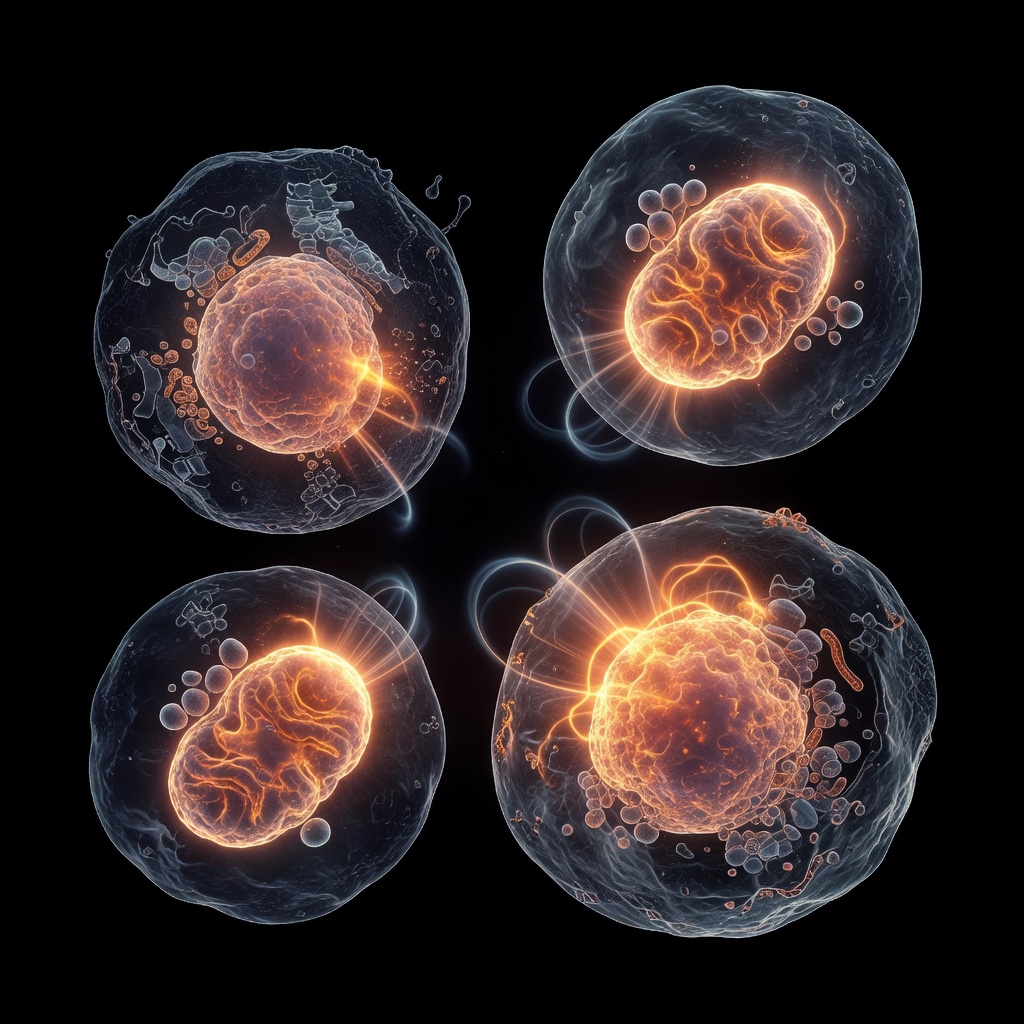
Endometriosis is often described solely as a 'hormonal' condition, but for the patient suffering from debilitating chronic pain, it is fundamentally a neurological and immunological event. The biological mechanism driving this pain is the 'Mast Cell-Endometriosis Axis.' Mast cells are key players in the innate immune system, typically involved in allergic responses and wound healing. In the context of endometriosis, however, these cells are found in significantly higher concentrations within and around endometriotic lesions compared to healthy tissue. What conventional medicine often misses—leading to the frustration of patients whose pain returns shortly after laparoscopic surgery—is that these lesions develop their own autonomous nerve supply. This process, known as neuro-angiogenesis, is driven by the release of Nerve Growth Factor (NGF) and Vascular Endothelial Growth Factor (VEGF) from both the lesions themselves and the surrounding mast cells.
When mast cells degranulate, they release a cocktail of pro-inflammatory mediators, including histamine, tryptase, and cytokines. These substances directly stimulate the newly formed nerve fibers, leading to a state of 'peripheral sensitization.' Over time, this constant barrage of signals can lead to 'central sensitization,' where the central nervous system becomes hyper-reactive to pain, making even non-painful stimuli feel agonizing. Research published in the journal 'Human Reproduction' highlights that the proximity of mast cells to nerve fibers in endometriosis is a primary predictor of pain severity. Furthermore, the standard UK protocol of prescribing NSAIDs or hormonal contraceptives often fails to address this neuro-inflammation. NSAIDs inhibit prostaglandins, but they do nothing to stabilize mast cells or reduce NGF production.
To address the neurological basis of endometriosis pain, we must look toward mast cell stabilization and the reduction of neurogenic inflammation. Practical takeaways include the introduction of bioflavonoids like Quercetin and Luteolin, which have been shown to inhibit mast cell degranulation and reduce the production of TNF-alpha. Additionally, supporting the vagus nerve and the parasympathetic nervous system can help modulate the immune response, as the 'cholinergic anti-inflammatory pathway' acts as a natural brake on mast cell activity. Avoiding high-histamine foods during the luteal phase may also provide symptomatic relief by reducing the total 'histamine bucket' the body must process. Understanding that the pain is a result of a misfiring immune-nerve communication loop empowers patients to move beyond temporary painkillers toward systemic neurological regulation.
This article is provided for informational and educational purposes only. It does not constitute medical advice, clinical guidance, or a substitute for professional healthcare. Information reflects cited research at time of publication. Always consult a qualified healthcare professional before acting on any health information.
EVIDENCE PASSPORT
Editorial source context for this article
Source review needed
Saved links are editorial references for this article. They may support specific claims rather than every sentence. Open and assess each source in context. This passport does not independently verify them.
Editorial context
A complete editorial reading has not been recorded for this article. Source links remain available for you to open and assess directly.
Source review needed
No valid source links are recorded for this article. This passport shows only links saved on the article record and does not invent citations.
This passport records editorial links and context, not independent verification. Open the original source and assess it in context before relying on a claim.
Medical Disclaimer
The information in this article is for educational purposes only and does not constitute medical advice, diagnosis, or treatment. Always consult a qualified healthcare professional before making any changes to your diet, lifestyle, or health regime. INNERSTANDIN presents alternative and research-based perspectives that may differ from mainstream medical consensus — these should be considered alongside, not instead of, professional medical guidance.
Read Full DisclaimerContinue the thread
Keep this question moving.
Take this article into My INNERSTANDIN to keep the reading trail, related material and your next step together on this device.
Explore this in the Body Map
See where this hits your biology. Interactive anatomy, threats, and protective protocols.
Dig deeper in the Library
Free, longform PDF volumes that go beyond headlines into mechanisms and references.