
Maternal Immune Activation and the Alteration of Fetal Cortical Development: Molecular Mechanisms
Discuss this resourceUpdated August 2026
An in-depth exploration of how maternal immune activation during pregnancy influences neurodevelopmental outcomes and the specific molecular pathways linking prenatal inflammation to cortical restructuring.
Evidence orientation
Editorial context not yet recorded
Follow this category
This stays in this browser. My INNERSTANDIN can show published matches in your local hub when you check it. It does not send email, push, or alert notifications.
Local learning review
A private browser aid for revisiting ideas. It is not an alert or a health recommendation.
Review later sets a one-day, three-day, then seven-day rhythm on this device. Choose it only when you want to revisit this article.
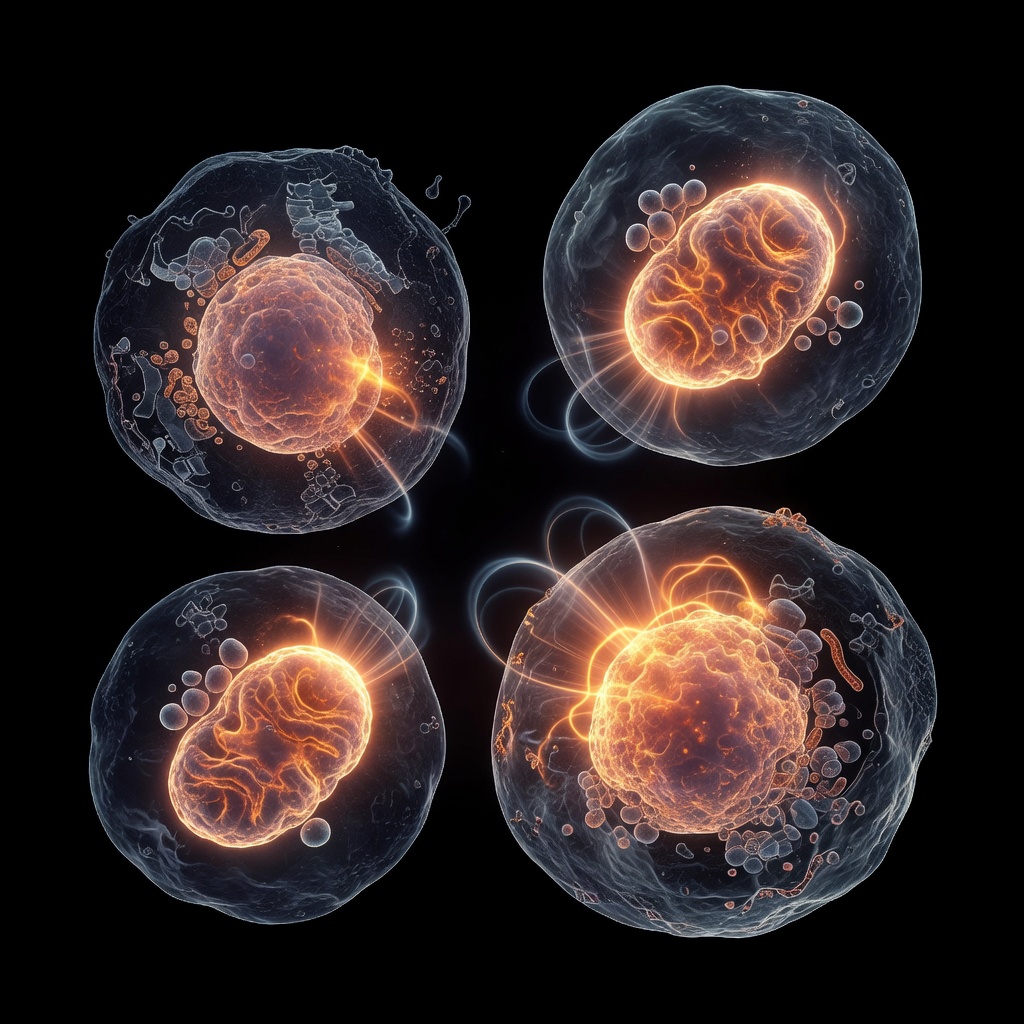
Introduction to Maternal Immune Activation (MIA) During the delicate window of gestation, the maternal immune system acts as both a protector and a potential modifier of fetal neurodevelopment. Maternal Immune Activation (MIA) refers to the immunological response triggered by maternal infection, stress, or environmental exposures during pregnancy. Research indicates that MIA serves as a significant non-genetic contributor to altered fetal cortical development, a core feature often observed in neurodevelopmental profiles such as Autism Spectrum Disorder (ASD). ### The Inflammatory Cascade and the Placental Barrier When a mother experiences an immune challenge—whether from a pathogen or sterile inflammation—the body releases pro-inflammatory cytokines, most notably Interleukin-6 (IL-6), Interleukin-17a (IL-17a), and Tumor Necrosis Factor-alpha (TNF-alpha). While the placenta is designed to shield the fetus from many pathogens, these cytokines can cross the placental barrier or trigger secondary signaling cascades that influence the fetal environment. Elevated levels of IL-6, in particular, are known to alter the expression of genes critical for neuronal migration. ### Impact on Cortical Development The cerebral cortex develops through highly orchestrated phases of neurogenesis, neuronal migration, and synaptic pruning.
MIA disrupts these processes through several molecular mechanisms: 1. Disruption of Cortical Progenitor Cells: Inflammation alters the cell cycle of neural stem cells, potentially leading to a decrease in the pool of neurons destined for the upper cortical layers. 2. Abnormal Neuronal Migration: Through the activation of specific inflammatory pathways, MIA can disrupt the spatial organization of the cortex, leading to cortical dyslamination. 3. Synaptic Pruning and Connectivity: Post-migration, the brain undergoes a process of fine-tuning synaptic connections. MIA-induced neuroinflammation can lead to the over-activation of microglia, the brain's resident immune cells.
This results in the premature or excessive pruning of synapses, particularly in the prefrontal cortex, which governs executive function and social cognition. ### The Role of IL-17a In recent studies, IL-17a has emerged as a key mediator. Research has demonstrated that IL-17a signaling in fetal cortical neurons directly alters the expression of genes involved in excitatory and inhibitory synaptic balance. An imbalance in the excitation-to-inhibition (E/I) ratio is a hallmark of altered cortical connectivity and is closely linked to the sensory and social manifestations of autism spectrum conditions. ### Microglial Priming and Long-term Consequences The fetal brain is not a static environment. MIA causes 'microglial priming,' where the fetal immune cells remain in a state of heightened sensitivity. This suggests that the impact of prenatal inflammation is not merely an acute event but a long-term programming shift that can make the individual more susceptible to environmental stressors throughout their lifespan. ### Conclusion and Future Directions Understanding the molecular pathways of MIA moves the conversation beyond genetics to the importance of the intrauterine environment.
By identifying these specific inflammatory markers, researchers are moving closer to potential preventative strategies, including the regulation of inflammatory responses during critical windows of pregnancy. At INNERSTANDING, we emphasize that identifying these root causes is the first step in fostering holistic support and neuro-affirming care for individuals with divergent developmental pathways.
This article is provided for informational and educational purposes only. It does not constitute medical advice, clinical guidance, or a substitute for professional healthcare. Information reflects cited research at time of publication. Always consult a qualified healthcare professional before acting on any health information.
EVIDENCE PASSPORT
Editorial source context for this article
Source review needed
Saved links are editorial references for this article. They may support specific claims rather than every sentence. Open and assess each source in context. This passport does not independently verify them.
Editorial context
A complete editorial reading has not been recorded for this article, and no source links are saved on its record.
Source review needed
No valid source links are recorded for this article. Supplementary research, where available, is listed separately below.
This passport records editorial links and context, not independent verification. Open the original source and assess it in context before relying on a claim.
Medical Disclaimer
The information in this article is for educational purposes only and does not constitute medical advice, diagnosis, or treatment. Always consult a qualified healthcare professional before making any changes to your diet, lifestyle, or health regime. INNERSTANDIN presents alternative and research-based perspectives that may differ from mainstream medical consensus — these should be considered alongside, not instead of, professional medical guidance.
Read Full DisclaimerContinue the thread
Keep this question moving.
Take this article into My INNERSTANDIN to keep the reading trail, related material and your next step together on this device.
Explore this in the Body Map
Explore related body structures and their educational pages in the interactive Body Map.
Dig deeper in the Library
Free, longform PDF volumes that go beyond headlines into mechanisms and references.