
Matrix Metalloproteinase-9 Activation: A Core Mechanism in Traumatic Brain Injury-Induced BBB Breach
Discuss this resourceUpdated August 2026
This educational deep-dive explores the role of Matrix Metalloproteinase-9 (MMP-9) as a primary enzymatic driver of Blood-Brain Barrier disruption following traumatic brain injury, outlining the molecular pathways that lead to secondary brain damage.
Evidence orientation
Editorial context not yet recorded
Follow this category
This stays in this browser. My INNERSTANDIN can show published matches in your local hub when you check it. It does not send email, push, or alert notifications.
Local learning review
A private browser aid for revisiting ideas. It is not an alert or a health recommendation.
Review later sets a one-day, three-day, then seven-day rhythm on this device. Choose it only when you want to revisit this article.
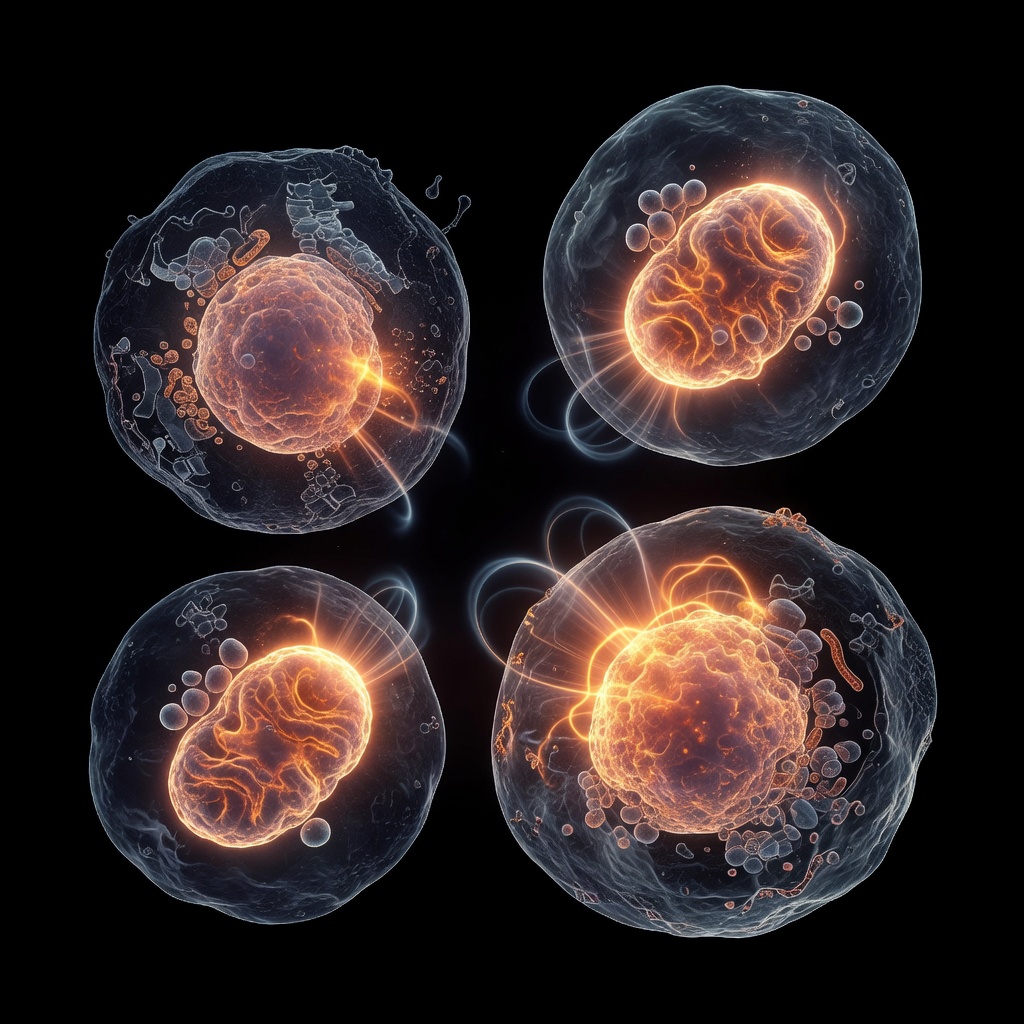
Traumatic Brain Injury (TBI) remains a leading cause of mortality and long-term disability worldwide. While the initial mechanical insult (the primary injury) causes immediate physical damage to neural tissues, the subsequent 'secondary injury' often dictates the long-term clinical outcome. Central to this secondary cascade is the catastrophic breach of the Blood-Brain Barrier (BBB). Recent research identifies Matrix Metalloproteinase-9 (MMP-9) not merely as a marker of injury, but as a core enzymatic executioner that dismantles the structural integrity of the neurovascular unit.
Understanding the Blood-Brain Barrier (BBB)
To understand why MMP-9 is so destructive, we must first appreciate the architecture it targets. The BBB is a highly selective semi-permeable border that separates the circulating blood from the brain's extracellular fluid. It is comprised of a complex 'neurovascular unit' (NVU) consisting of endothelial cells, pericytes, astrocytes, and a specialized extracellular matrix (ECM) known as the basement membrane.
Within this unit, endothelial cells are stitched together by Tight Junctions (TJs)—protein complexes including Claudin-5, Occludin, and Zonula Occludens-1 (ZO-1). These proteins act as the 'zipper' of the brain's vasculature, preventing the leakage of toxins, pathogens, and inflammatory cells into the delicate neural environment. When this zipper is undone, the result is vasogenic edema, neuroinflammation, and neuronal death.
What is MMP-9?
Matrix Metalloproteinases (MMPs) are a family of zinc-dependent endopeptidases responsible for remodeling the extracellular matrix. Under healthy physiological conditions, MMPs are involved in tissue repair, angiogenesis, and synaptic plasticity. However, MMP-9 (also known as Gelatinase B) is particularly notorious in the context of acute CNS injury.
Unlike many other enzymes, MMP-9 is usually secreted in an inactive 'pro-form' (pro-MMP-9). It requires specific triggers to be converted into its active, proteolytic state. In the healthy brain, levels of active MMP-9 are nearly undetectable. Following a TBI, however, there is a massive and rapid upregulation of this enzyme, primarily produced by neutrophils, microglia, and endothelial cells.
The Trigger: How TBI Activates MMP-9
The activation of MMP-9 post-TBI occurs through a 'perfect storm' of molecular triggers:
- Oxidative Stress: The mechanical impact of TBI causes an immediate surge in Reactive Oxygen Species (ROS). These free radicals can directly activate pro-MMP-9 through a process called the 'cysteine switch,' where the inhibitory thiol group of the pro-domain is oxidized, exposing the catalytic site.
- Pro-inflammatory Cytokines: Within hours of injury, the brain is flooded with inflammatory markers such as Tumor Necrosis Factor-alpha (TNF-α) and Interleukin-1 beta (IL-1β). These cytokines signal through the NF-κB pathway to increase the transcription of the MMP-9 gene.
- Excitotoxicity: The massive release of glutamate following TBI overstimulates NMDA receptors, which in turn can lead to increased MMP-9 expression and activity.
The Mechanism of Breach: Degrading the Barrier
Once activated, MMP-9 acts like molecular scissors. Its primary target is the basement membrane—the scaffolding that supports the endothelial cells. MMP-9 specifically degrades Type IV Collagen, laminin, and fibronectin.
Beyond the basement membrane, MMP-9 directly targets the Tight Junction proteins themselves. Research has demonstrated that active MMP-9 proteolytically cleaves Claudin-5 and Occludin. As these proteins are degraded, the 'zipper' fails. This creates gaps between endothelial cells, allowing plasma proteins like albumin and inflammatory leukocytes to flood into the brain parenchyma.
This influx of fluid (vasogenic edema) increases intracranial pressure, which further compresses blood vessels and leads to ischemia (reduced blood flow), creating a lethal feedback loop of tissue damage.
The Timeline of Destruction
The role of MMP-9 is highly time-dependent. In the 'acute phase' (minutes to 48 hours post-injury), MMP-9 is almost exclusively detrimental. Its peak activity coincides with the period of maximum BBB permeability and brain swelling. Studies in animal models have shown that if MMP-9 is inhibited or genetically knocked out within this window, the extent of BBB leakage and subsequent brain lesion size is significantly reduced.
Interestingly, in the 'chronic phase' (weeks after injury), the role of MMP-9 may shift. Some evidence suggests that low levels of MMP-9 might assist in neurovascular remodeling and angiogenesis during the recovery phase. This 'Janus-faced' nature—harmful in the short term but potentially helpful in the long term—presents a significant challenge for medical interventions.
Clinical Implications and Therapeutic Windows
Understanding the MMP-9 mechanism provides a specific target for clinical intervention. Currently, several strategies are being explored to mitigate the MMP-9-induced BBB breach:
- Synthetic Inhibitors: Broad-spectrum MMP inhibitors (like Minocycline) have shown promise in preclinical trials for reducing BBB disruption and improving cognitive outcomes. Minocycline, a tetracycline antibiotic, is known to suppress MMP-9 expression and activity.
- Targeted Monoclonal Antibodies: Developing specific inhibitors that only target MMP-9 (without affecting other helpful MMPs like MMP-2) is a major goal for pharmaceutical research.
- Hypothermia: Therapeutic cooling of the brain has been shown to reduce the levels of active MMP-9, which may be one of the mechanisms by which hypothermia exerts neuroprotective effects after TBI.
Conclusion: The Path Forward
MMP-9 is a pivotal mediator of the BBB breach following Traumatic Brain Injury. By degrading the structural scaffolding and the tight junction proteins of the neurovascular unit, it transforms a localized mechanical injury into a systemic inflammatory event. At INNERSTANDING, we emphasize the importance of identifying these root-cause mechanisms because they represent the bridge between 'managing' a condition and 'treating' the biological cause. As our ability to modulate MMP-9 activity improves, we move closer to a future where the secondary injuries of TBI are no longer a certainty, but a preventable consequence of trauma.
This article is provided for informational and educational purposes only. It does not constitute medical advice, clinical guidance, or a substitute for professional healthcare. Information reflects cited research at time of publication. Always consult a qualified healthcare professional before acting on any health information.
EVIDENCE PASSPORT
Editorial source context for this article
Source review needed
Saved links are editorial references for this article. They may support specific claims rather than every sentence. Open and assess each source in context. This passport does not independently verify them.
Editorial context
A complete editorial reading has not been recorded for this article, and no source links are saved on its record.
Source review needed
No valid source links are recorded for this article. Supplementary research, where available, is listed separately below.
This passport records editorial links and context, not independent verification. Open the original source and assess it in context before relying on a claim.
Medical Disclaimer
The information in this article is for educational purposes only and does not constitute medical advice, diagnosis, or treatment. Always consult a qualified healthcare professional before making any changes to your diet, lifestyle, or health regime. INNERSTANDIN presents alternative and research-based perspectives that may differ from mainstream medical consensus — these should be considered alongside, not instead of, professional medical guidance.
Read Full DisclaimerContinue the thread
Keep this question moving.
Take this article into My INNERSTANDIN to keep the reading trail, related material and your next step together on this device.
Explore this in the Body Map
Explore related body structures and their educational pages in the interactive Body Map.
Dig deeper in the Library
Free, longform PDF volumes that go beyond headlines into mechanisms and references.