
Mechanotransduction: How Your Cells Translate Load into Disc Repair
Published April 2026
Spinal discs are not static structures but dynamic tissues that respond to mechanical signals through a process called mechanotransduction. This article breaks down how physical forces are converted into biochemical signals for collagen synthesis and matrix repair. We reveal why 'spine-sparing' movements can actually prevent healing and how specific loading protocols trigger the YAP/TAZ signaling pathways for regeneration.
Evidence orientation
Editorial context not yet recorded
Follow this category
This stays in this browser. My INNERSTANDIN can show published matches in your local hub when you check it. It does not send email, push, or alert notifications.
Local learning review
A private browser aid for revisiting ideas. It is not an alert or a health recommendation.
Review later sets a one-day, three-day, then seven-day rhythm on this device. Choose it only when you want to revisit this article.
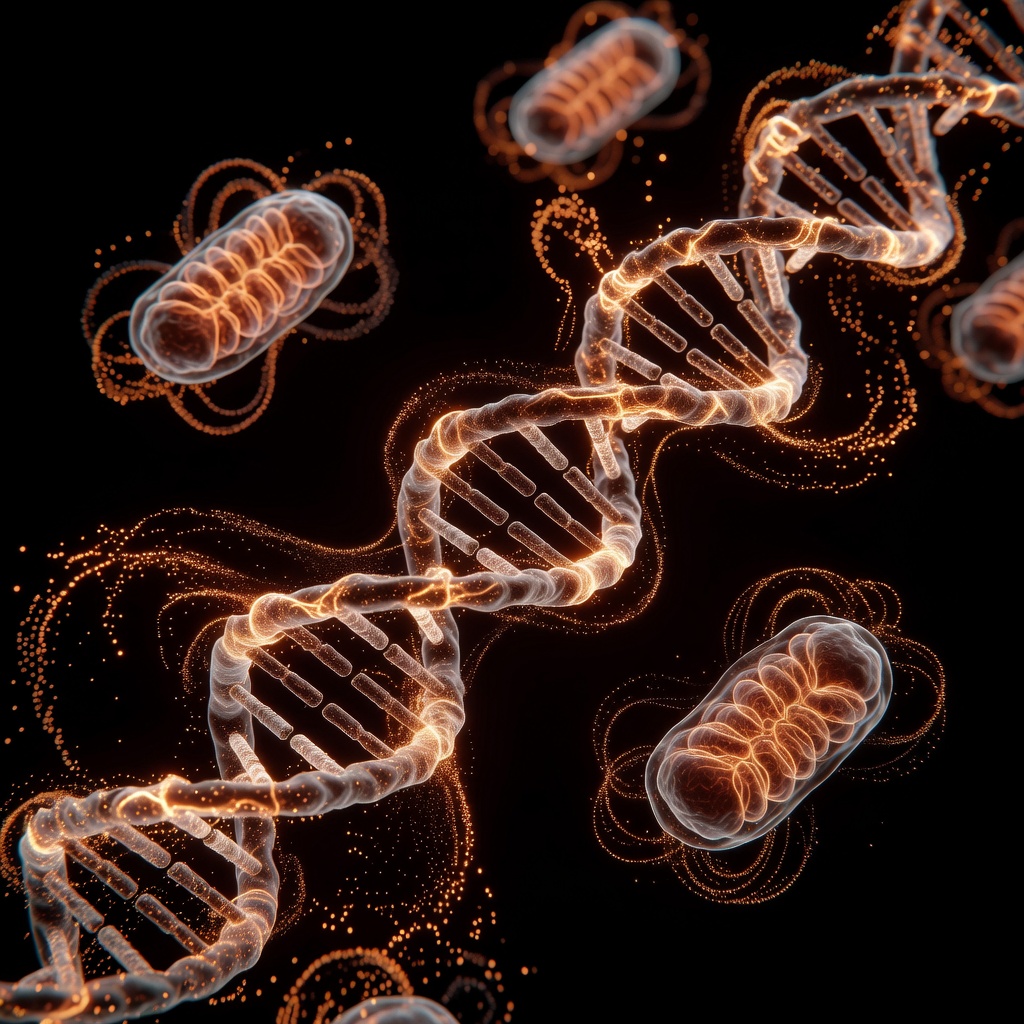
Mechanotransduction is the biological process by which cells convert mechanical stimuli into electrochemical activity. In the context of the spine, the cells within the disc (chondrocytes and fibroblasts) are constantly 'feeling' the loads we place upon them. When a disc is subjected to appropriate, intermittent loading, the cell membrane's integrins and ion channels—such as the Piezo1 channel—sense the deformation. This triggers a signaling cascade that tells the cell to ramp up the production of Type II collagen and proteoglycans. Conversely, a lack of load (prolonged bed rest or extreme sedentary behavior) or constant, unchanging load (static standing) signals the cells to enter a catabolic state, where they begin to break down the disc matrix.
Mainstream physical therapy often focuses on 'core stability'—which usually means bracing and minimizing movement—but this can inadvertently starve the disc of the mechanical signals it needs for repair. Emerging research into the YAP/TAZ signaling pathway shows that these 'mechanical sensors' are crucial for maintaining the regenerative capacity of the nucleus pulposus. To harness mechanotransduction for spinal health, one must move through varied ranges of motion and apply controlled, progressive loading. This is the biological basis for the success of movements like 'Jefferson Curls' or controlled spinal rotations when applied correctly; they provide the necessary tension to 'wake up' the disc's repair mechanisms. Environmental factors, such as the presence of growth factors (IGF-1) and the absence of systemic cytokines (like TNF-alpha), also modulate how well a cell responds to these mechanical signals.
For the health-educated individual, the goal is to provide the spine with a rich 'mechanical diet' that stimulates regeneration while avoiding the extremes of total immobilization or traumatic overload.
This article is provided for informational and educational purposes only. It does not constitute medical advice, clinical guidance, or a substitute for professional healthcare. Information reflects cited research at time of publication. Always consult a qualified healthcare professional before acting on any health information.
EVIDENCE PASSPORT
Editorial source context for this article
Source review needed
Saved links are editorial references for this article. They may support specific claims rather than every sentence. Open and assess each source in context. This passport does not independently verify them.
Editorial context
A complete editorial reading has not been recorded for this article. Source links remain available for you to open and assess directly.
Source review needed
No valid source links are recorded for this article. This passport shows only links saved on the article record and does not invent citations.
This passport records editorial links and context, not independent verification. Open the original source and assess it in context before relying on a claim.
Medical Disclaimer
The information in this article is for educational purposes only and does not constitute medical advice, diagnosis, or treatment. Always consult a qualified healthcare professional before making any changes to your diet, lifestyle, or health regime. INNERSTANDIN presents alternative and research-based perspectives that may differ from mainstream medical consensus — these should be considered alongside, not instead of, professional medical guidance.
Read Full DisclaimerContinue the thread
Keep this question moving.
Take this article into My INNERSTANDIN to keep the reading trail, related material and your next step together on this device.
Dig deeper in the Library
Free, longform PDF volumes that go beyond headlines into mechanisms and references.