
Metabolic Endotoxaemia: The Link Between Gut Permeability and Polycystic Ovaries
Published April 2026
Emerging research suggests that chronic low-grade inflammation in PCOS may originate in the gut. This article explores 'Metabolic Endotoxaemia'—the translocation of Lipopolysaccharides (LPS) from the gut into the bloodstream. We discuss how this immune activation triggers the ovaries to overproduce androgens and how the microbiome dictates the 'Estrobolome.'
Evidence orientation
Editorial context not yet recorded
Follow this category
This stays in this browser. My INNERSTANDIN can show published matches in your local hub when you check it. It does not send email, push, or alert notifications.
Local learning review
A private browser aid for revisiting ideas. It is not an alert or a health recommendation.
Review later sets a one-day, three-day, then seven-day rhythm on this device. Choose it only when you want to revisit this article.
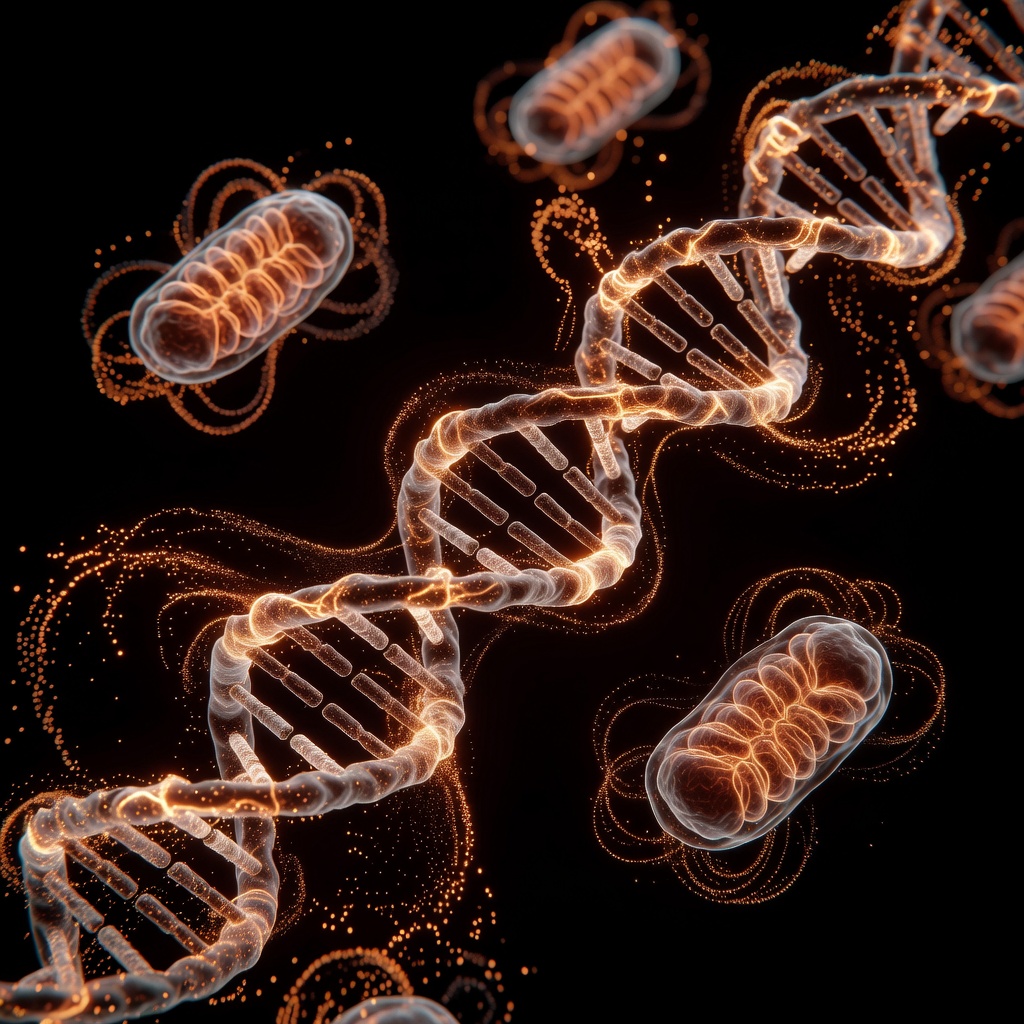
In the search for the origins of PCOS, we must look to the barrier between the external world and our internal biochemistry: the gut lining. Metabolic Endotoxaemia is a condition where the intestinal barrier becomes permeable ('leaky gut'), allowing Lipopolysaccharides (LPS)—pro-inflammatory components of Gram-negative bacteria—to enter the systemic circulation. Once in the blood, LPS binds to Toll-Like Receptor 4 (TLR4) on various cells, including those in the ovaries and adipose tissue. This triggers a cascade of inflammatory cytokines like TNF-alpha and IL-6. This state of chronic low-grade inflammation is a potent driver of insulin resistance.
Inflammation interferes with the insulin receptor substrate (IRS-1), effectively 'gumming up' the locks so that the insulin key cannot turn. But the impact on PCOS goes deeper. LPS-induced inflammation directly stimulates theca cell proliferation and androgen production, creating a vicious cycle where gut dysbiosis fuels hyperandrogenism. Furthermore, the gut microbiome contains a collection of bacteria known as the 'Estrobolome,' which produces an enzyme called beta-glucuronidase. This enzyme can de-conjugate oestrogens that the liver has already processed for excretion, leading to their reabsorption into the bloodstream and contributing to the oestrogen dominance often seen in the PCOS hormonal profile.
A study in the journal 'PLOS ONE' found that women with PCOS have significantly lower microbial alpha-diversity than healthy controls. This lack of diversity is often linked to a modern diet high in emulsifiers and low in fermentable fibres. Conventional PCOS treatment often ignores the microbiome, yet without addressing gut permeability, the inflammatory 'fire' driving the syndrome will continue to burn. Practical takeaways include the use of polyphenols (like berberine or quercetin) to modulate the microbiota and strengthen tight junctions. By healing the gut-ovary axis, we address the inflammatory foundation of the syndrome, rather than just managing the downstream hormonal fallout.
Understanding PCOS through the lens of endotoxaemia shifts the focus from 'bad luck' to 'biological terrain.'
This article is provided for informational and educational purposes only. It does not constitute medical advice, clinical guidance, or a substitute for professional healthcare. Information reflects cited research at time of publication. Always consult a qualified healthcare professional before acting on any health information.
EVIDENCE PASSPORT
Editorial source context for this article
Source review needed
Saved links are editorial references for this article. They may support specific claims rather than every sentence. Open and assess each source in context. This passport does not independently verify them.
Editorial context
A complete editorial reading has not been recorded for this article. Source links remain available for you to open and assess directly.
Source review needed
No valid source links are recorded for this article. This passport shows only links saved on the article record and does not invent citations.
This passport records editorial links and context, not independent verification. Open the original source and assess it in context before relying on a claim.
Medical Disclaimer
The information in this article is for educational purposes only and does not constitute medical advice, diagnosis, or treatment. Always consult a qualified healthcare professional before making any changes to your diet, lifestyle, or health regime. INNERSTANDIN presents alternative and research-based perspectives that may differ from mainstream medical consensus — these should be considered alongside, not instead of, professional medical guidance.
Read Full DisclaimerContinue the thread
Keep this question moving.
Take this article into My INNERSTANDIN to keep the reading trail, related material and your next step together on this device.
Explore this in the Body Map
See where this hits your biology. Interactive anatomy, threats, and protective protocols.
Dig deeper in the Library
Free, longform PDF volumes that go beyond headlines into mechanisms and references.