
Metabolic Reprogramming in Leukemogenesis: How Bone Marrow Stromal Cells Fuel Cancer Progression
Discuss this resourceUpdated August 2026
An in-depth look at the symbiotic relationship between leukemic cells and the bone marrow microenvironment, focusing on how metabolic reprogramming facilitates cancer survival and progression.
Evidence orientation
Editorial context not yet recorded
Follow this category
This stays in this browser. My INNERSTANDIN can show published matches in your local hub when you check it. It does not send email, push, or alert notifications.
Local learning review
A private browser aid for revisiting ideas. It is not an alert or a health recommendation.
Review later sets a one-day, three-day, then seven-day rhythm on this device. Choose it only when you want to revisit this article.
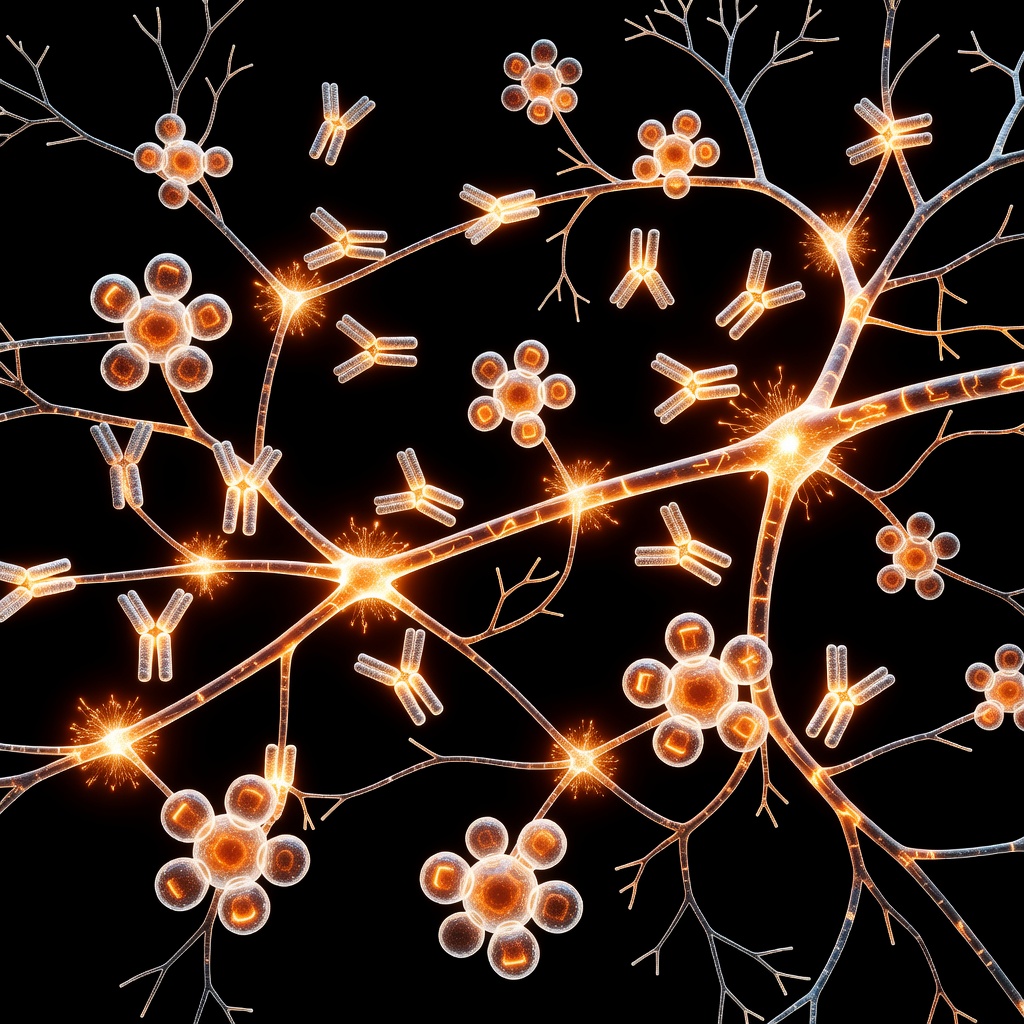
Introduction: The Microenvironment Paradox. In the study of haematopoiesis, we often focus on the genetic mutations inherent to leukemic cells. However, modern research at INNERSTANDING highlights that cancer cells do not exist in a vacuum. The bone marrow (BM) microenvironment, specifically the Bone Marrow Stromal Cells (BMSCs), acts as a critical metabolic reservoir that fuels leukemic expansion. Understanding this interplay is essential for addressing the root causes of treatment resistance. ### The Metabolic Symbiosis.
Leukemic cells, such as those found in Acute Myeloid Leukemia (AML), exhibit extreme metabolic flexibility. When faced with nutritional stress, they hijack the BMSCs. Through a process called 'metabolic crosstalk,' BMSCs undergo reprogramming to increase the supply of amino acids, lipids, and lactate to the leukemic cell. This is not a passive process; the leukemic cells send paracrine signals that force the stromal cells into a pro-inflammatory state, effectively turning the healthy support system into a cancer-promoting factory. ### Mitochondrial Transfer and Energy Theft. One of the most fascinating discoveries in modern hematology is the mechanism of mitochondrial transfer.
Leukemic cells have been observed extending tunneling nanotubes to stromal cells, effectively 'stealing' functional mitochondria to boost their own oxidative phosphorylation capacity. This allows the cancer to survive chemotherapy, which often targets metabolic pathways, by bypassing the inherent mitochondrial defects that would otherwise trigger apoptosis. ### The Role of Lipids and Autophagy. Beyond energy production, BMSCs provide lipids for membrane synthesis, which are essential for the rapid proliferation of leukemic blasts. Simultaneously, leukemic cells induce autophagy in the surrounding stromal cells, causing them to break down their own cellular components to release nutrients. This 'metabolic parasitism' ensures that the leukemia can continue to replicate even in a nutrient-poor environment. ### Root-Cause Therapeutic Implications.
Traditional chemotherapy often fails because it focuses solely on the malignant cell, ignoring the 'nurturing' environment. If we view the bone marrow as an ecosystem, the goal of treatment shifts from mere cellular eradication to disrupting the dialogue between the stroma and the leukemia. Targeting fatty acid oxidation or blocking the formation of nanotubes are current frontiers in restoring metabolic homeostasis to the bone marrow niche. ### Conclusion. Leukemogenesis is as much a disease of the microenvironment as it is of the genome. By recognizing how BMSCs are coerced into fueling cancer progression, we can better understand the failure of conventional therapies and move toward more comprehensive, niche-targeted treatments.
At INNERSTANDING, we advocate for this systemic view, ensuring that patients and practitioners consider the full biological context of haematological health.
This article is provided for informational and educational purposes only. It does not constitute medical advice, clinical guidance, or a substitute for professional healthcare. Information reflects cited research at time of publication. Always consult a qualified healthcare professional before acting on any health information.
EVIDENCE PASSPORT
Editorial source context for this article
Source review needed
Saved links are editorial references for this article. They may support specific claims rather than every sentence. Open and assess each source in context. This passport does not independently verify them.
Editorial context
A complete editorial reading has not been recorded for this article, and no source links are saved on its record.
Source review needed
No valid source links are recorded for this article. Supplementary research, where available, is listed separately below.
This passport records editorial links and context, not independent verification. Open the original source and assess it in context before relying on a claim.
Medical Disclaimer
The information in this article is for educational purposes only and does not constitute medical advice, diagnosis, or treatment. Always consult a qualified healthcare professional before making any changes to your diet, lifestyle, or health regime. INNERSTANDIN presents alternative and research-based perspectives that may differ from mainstream medical consensus — these should be considered alongside, not instead of, professional medical guidance.
Read Full DisclaimerContinue the thread
Keep this question moving.
Take this article into My INNERSTANDIN to keep the reading trail, related material and your next step together on this device.