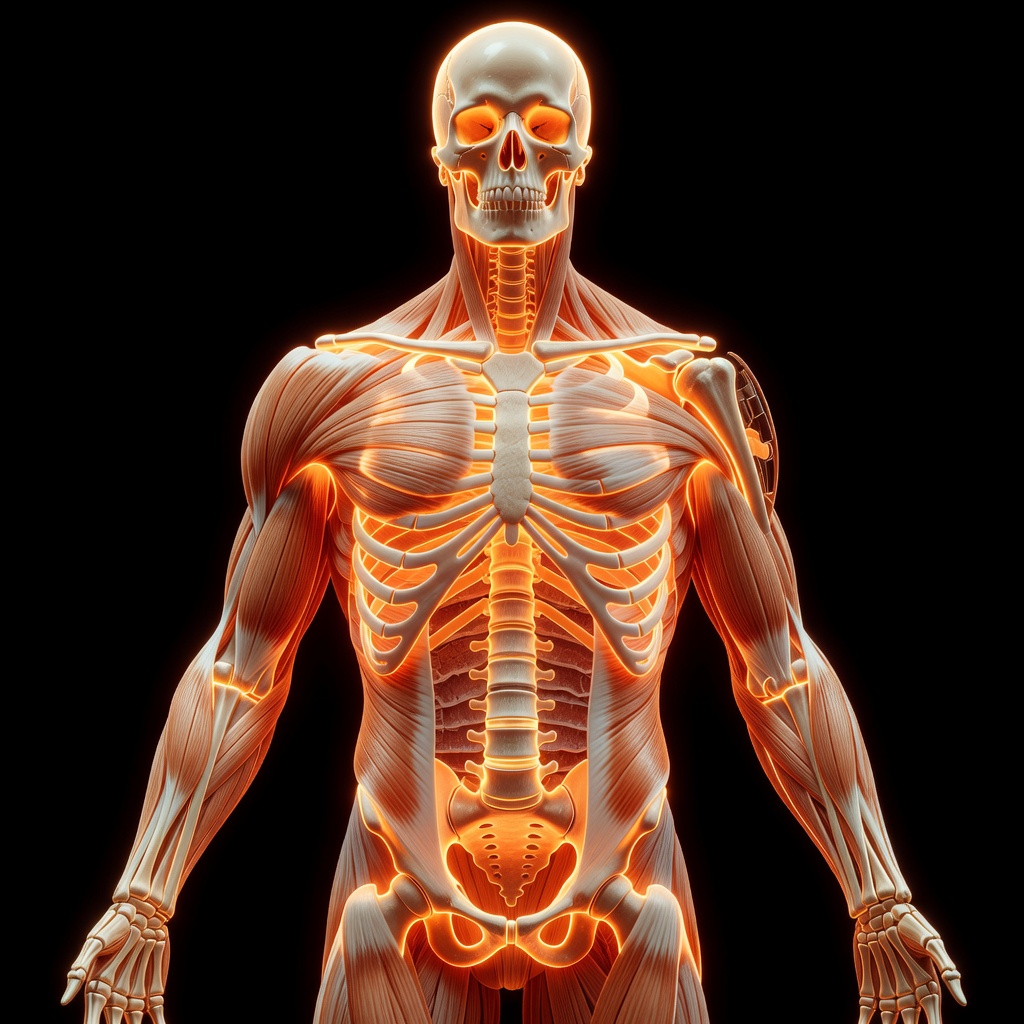
Microplastic Contamination in Bulk Synthetic Sweeteners: Synergistic Effects on Human Metabolic Syndrome
This comprehensive analysis examines the intersection of environmental microplastic contamination and synthetic sweetener consumption, revealing how their combined presence in the modern diet acts as a multi-modal driver of metabolic syndrome through gut dysbiosis and systemic inflammation.

# Microplastic Contamination in Bulk Synthetic Sweeteners: Synergistic Effects on Human Metabolic Syndrome\n\n## The Invisible Confluence\n\nIn the evolving landscape of nutritional science, the focus is shifting from simple caloric arithmetic to the complex biochemical interactions of environmental contaminants. At the forefront of this shift is INNERSTANDING’s investigation into the symbiotic toxicity of the modern food supply. Specifically, we must address the hidden intersection of microplastic (MP) contamination and bulk synthetic sweeteners (SS). Individually, these factors are linked to metabolic disruption; however, their synergistic presence in the human body represents a novel and potent driver of metabolic syndrome (MetS). This article explores how the industrial lifecycle of sweeteners facilitates plastic ingestion and how this combination undermines human health at a cellular level.\n\n## The Infrastructure of Contamination: From Factory to Gut\n\nBulk synthetic sweeteners, including aspartame, sucralose, and acesulfame potassium, are industrial products of high-volume chemical synthesis.
Unlike natural sweeteners, these substances undergo rigorous mechanical processing, filtration, and drying phases. The majority of these processes involve high-density polyethylene (HDPE) or polypropylene (PP) infrastructure. Microplastics are shed into the sweetener during mechanical abrasion, thermal processing, and long-term storage in plastic-lined industrial bags (FIBCs).\n\nWhen consumers purchase these sweeteners—whether in powdered form for baking or through ultra-processed 'diet' foods—they are not just consuming chemical ligands. They are consuming an 'environmental cocktail' where the sweetener acts as a carrier for microscopic plastic fragments. These particles, often smaller than 5 micrometers, are perfectly sized to bypass primary physical barriers in the gastrointestinal tract, especially when accompanied by the gut-altering effects of the sweeteners themselves.\n\n## The Trojan Horse: Gut Permeability and Plastic Infiltration\n\nOne of the most concerning aspects of this synergy is the 'Trojan Horse' effect.
Research has consistently shown that synthetic sweeteners, particularly sucralose and saccharin, induce significant changes in the human gut microbiota (dysbiosis). These changes often lead to a reduction in beneficial bacteria like *Akkermansia muciniphila*, which is responsible for maintaining the integrity of the intestinal mucus layer.\n\nAs the mucus barrier thins and the 'tight junctions' between intestinal epithelial cells loosen—a condition known as intestinal permeability or 'leaky gut'—the pathway for microplastics into the systemic circulation is cleared. In a healthy gut, many MPs might be excreted; however, in a gut compromised by synthetic sweeteners, these plastic particles are more likely to translocate into the bloodstream and the lymphatic system. Once systemic, these particles migrate to the liver, adipose tissue, and even the brain, carrying with them adsorbed chemicals like bisphenols and phthalates.\n\n## Metabolic Syndrome: The Compounded Response\n\nMetabolic syndrome is not a single disease but a cluster of conditions—increased blood pressure, high blood sugar, excess body fat around the waist, and abnormal cholesterol levels—that occur together. The synergy between sweeteners and microplastics accelerates each of these components through three primary pathways:\n\n### 1.
Chronic Low-Grade Inflammation (Meta-inflammation)\nMicroplastics are perceived by the immune system as foreign invaders. When they lodge in tissues, they trigger an immune response, leading to the release of pro-inflammatory cytokines such as TNF-alpha and IL-6. Simultaneously, synthetic sweeteners alter metabolic signaling, creating a state of 'oxidative stress.' Together, these factors create a state of chronic inflammation that is the hallmark of insulin resistance.\n\n### 2. Adipogenesis and Endocrine Disruption\nMicroplastics often leach 'obesogens'—chemicals that interfere with the endocrine system to promote fat storage. When these obesogens are delivered alongside synthetic sweeteners, which have been shown to trigger an insulin response despite lacking glucose, the body’s hormonal environment is shifted toward fat accumulation.
This is particularly evident in the liver, where the combination can accelerate Non-Alcoholic Fatty Liver Disease (NAFLD), a central pillar of metabolic syndrome.\n\n### 3. Pancreatic Overdrive and Dysglycemia\nThe brain's cephalic phase response to the taste of sweetness prepares the body for a glucose load. When that glucose never arrives (because the sweetener is non-caloric), but the body is simultaneously dealing with the cellular stress of microplastic toxicity, the regulatory mechanisms of the pancreas become exhausted. This leads to a paradoxical rise in insulin resistance, as the body can no longer effectively manage its own glucose-insulin feedback loop.\n\n## Root Cause Perspectives: Beyond the Calorie Myth\n\nAt INNERSTANDING, we emphasize that health issues must be addressed at their source. The traditional view that 'diet' products are healthy because they are 'zero-calorie' is a reductionist fallacy that ignores the material reality of food production.

C60 Charcoal – Supports Healthy Digestion and Detoxification.
Support healthy digestion and ease bloating with a natural hardwood charcoal rich in C60 fullerenes. This non-nano formula assists in removing toxins and strengthening your immune response for a more comfortable, balanced gut.
Vetting Notes
Pending
The root cause of the current metabolic syndrome epidemic is not merely overconsumption, but the systemic contamination of our food matrix. The combination of chemical ligands (sweeteners) and physical contaminants (microplastics) creates a biological environment that the human genome is not equipped to navigate.\n\n## Mitigation and the Path Forward\n\nTo combat the synergistic effects of microplastic contamination and synthetic sweeteners, we must adopt a strategy of 'biochemical sovereignty.' This involves:\n\n- Eliminating Industrial Sweeteners: Moving away from bulk sucralose and aspartame in favor of whole-food sweetness (such as small amounts of raw honey or fruit) or unrefined, non-synthetic alternatives like organic stevia leaf.\n- Reducing Plastic Exposure: Avoiding foods packaged in soft plastics or those processed in industrial facilities where microplastic shedding is high.\n- Restoring the Mucosal Barrier: Prioritizing the health of the gut lining through the consumption of collagen-rich foods, fermentable fibers, and polyphenols, which help keep the 'leaky gut' closed to environmental toxins.\n\n## Conclusion\n\nThe intersection of microplastic contamination and synthetic sweetener consumption is a significant, yet largely overlooked, contributor to the global rise in metabolic syndrome. By understanding the synergistic ways these substances disrupt our microbiome, breach our intestinal defenses, and trigger systemic inflammation, we can make more informed choices. True health is found in the removal of industrial complexity and the return to biological integrity. We must move beyond the zero-calorie marketing and look at the total environmental impact of what we ingest.
This article is provided for informational and educational purposes only. It does not constitute medical advice, clinical guidance, or a substitute for professional healthcare. Information reflects cited research at time of publication. Always consult a qualified healthcare professional before acting on any health information.
RESEARCH FOUNDATIONS
Biological Credibility Archive
Citations provided for educational reference. Verify via PubMed or institutional databases.
Medical Disclaimer
The information in this article is for educational purposes only and does not constitute medical advice, diagnosis, or treatment. Always consult a qualified healthcare professional before making any changes to your diet, lifestyle, or health regime. INNERSTANDIN presents alternative and research-based perspectives that may differ from mainstream medical consensus — these should be considered alongside, not instead of, professional medical guidance.
Read Full DisclaimerReady to learn more?
Continue your journey through our classified biological research.
DISCUSSION ROOM
Members of THE COLLECTIVE discussing "Microplastic Contamination in Bulk Synthetic Sweeteners: Synergistic Effects on Human Metabolic Syndrome"
SILENT CHANNEL
Be the first to discuss this article. Your insight could help others understand these biological concepts deeper.
THE ARSENAL
Based on Artificial Sweeteners & Metabolic Disruption — products curated by our research team for educational relevance and biological support.
Vegan Essential Amino Acids – Plant-Powered Protein Building
C60 Charcoal – Supports Healthy Digestion and Detoxification.
Clean Slate – Detoxes thousands of chemicals,heavy metals, pesticides, allergens, mold spores and fungus
INNERSTANDING may earn a commission on purchases made through these links. All products are selected based on rigorous educational relevance to our biological research.
RABBIT HOLE
Follow the biological thread deeper