
How Microwave Frequencies Affect the Blood-Brain Barrier
Updated September 2026
The blood-brain barrier is the body's most critical filter, yet evidence suggests microwave frequencies can increase its permeability. This article examines how EMFs allow toxins to enter the brain and the potential neurological consequences.
Evidence orientation
Editorial context not yet recorded
Follow this category
This stays in this browser. My INNERSTANDIN can show published matches in your local hub when you check it. It does not send email, push, or alert notifications.
Local learning review
A private browser aid for revisiting ideas. It is not an alert or a health recommendation.
Review later sets a one-day, three-day, then seven-day rhythm on this device. Choose it only when you want to revisit this article.
Overview
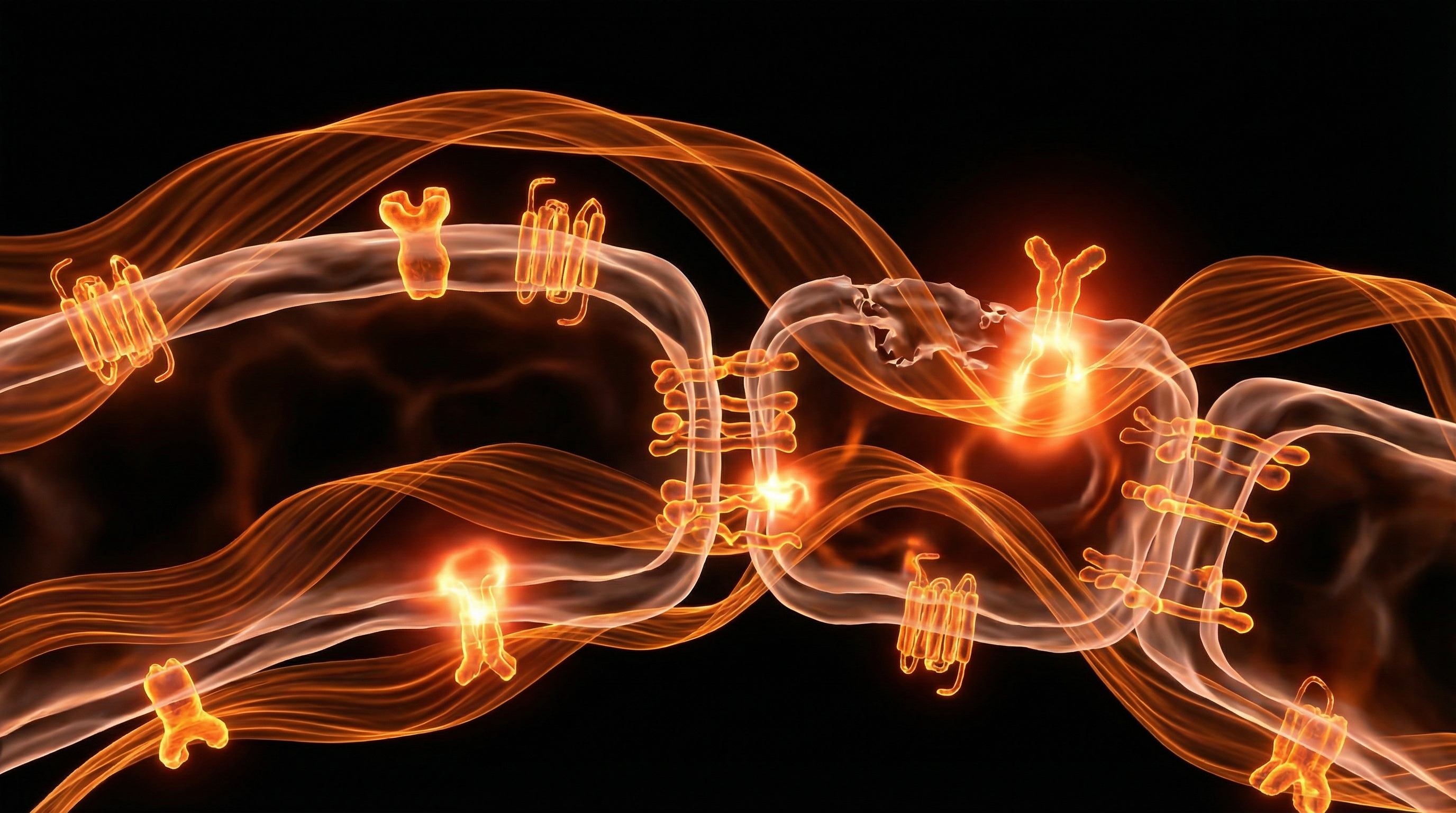
The Blood-Brain Barrier (BBB) represents the most sophisticated filtration interface in human biology—a highly selective semi-permeable border of endothelial cells, joined by intricate tight junctions (claudins, occludins, and junctional adhesion molecules), designed to sequester the central nervous system from systemic pathogens and neurotoxic fluctuations. However, the ubiquity of non-ionising microwave radiation (MWR) within the contemporary UK environment—emanating from telecommunications infrastructure, high-frequency Wi-Fi arrays, and personal mobile devices—has necessitated a rigorous re-evaluation of BBB structural integrity under chronic electromagnetic field (EMF) exposure.
At the cellular level, the mechanism of disruption centres upon the non-thermal induction of oxidative stress. Research consistently indicates that microwave frequencies in the 900 MHz to 2.4 GHz range stimulate the excessive production of reactive oxygen species (ROS) within the vascular endothelium. This hyper-oxidative state triggers the activation of matrix metalloproteinases (MMPs), specifically MMP-2 and MMP-9, which effectively enzymaticise the protein scaffolding of tight junctions. When these junctions dissociate, the BBB permeability threshold shifts, allowing the extravasation of albumin, fibrinogen, and other serum proteins into the cerebral parenchyma. As documented in foundational studies—and echoed in contemporary longitudinal reviews—this "leaky" barrier facilitates the localised accumulation of neurotoxic debris, initiating a cascade of glial cell activation and chronic neuroinflammation.
INNERSTANDIN maintains that the implications of this breach are systemic, moving beyond mere cellular permeability. The chronic metabolic strain placed upon the brain’s glymphatic drainage system—tasked with clearing the influx of exogenous macromolecules—suggests a plausible link to the rising incidence of early-onset neurodegenerative pathologies. While international bodies such as ICNIRP frequently cite thermal limitations as the gold standard for safety, this narrow focus ignores the frequency-specific, resonance-dependent alterations occurring at the molecular level. For the modern researcher, the data is increasingly unequivocal: microwave frequencies act as a persistent environmental stressor capable of mechanically and biochemically compromising the most vital gatekeeper in the human cranium. To comprehend the pathology of the digital age, one must first INNERSTANDIN the erosion of this fundamental protective barrier in the presence of an ever-intensifying electromagnetic spectrum.
The Biology — How It Works
The blood-brain barrier (BBB) represents the quintessential physiological fortress, a highly selective semi-permeable border of endothelial cells—linked by complex tight junctions (TJs) such as occludin and claudin-5—that prevents systemic pathogens and neurotoxic molecules from entering the central nervous system. When considering the biophysics of microwave frequency (MWF) exposure, the crux of the concern lies in non-thermal bio-effects: the disruption of this homeostatic integrity.
At the cellular level, microwave radiation—specifically within the GHz range characteristic of telecommunications—acts as a potent stressor on the endothelial lining of the cerebral microvasculature. Research, most notably the longitudinal work published in journals such as Environmental Health Perspectives, suggests that MWF exposure triggers a transient increase in BBB permeability. This mechanism is primarily mediated through the activation of the NADH oxidase pathway, leading to an overproduction of reactive oxygen species (ROS). This oxidative stress initiates a signalling cascade that downregulates the expression of tight junction proteins. When these proteins are destabilised, the paracellular route becomes compromised, effectively allowing systemic albumin and other blood-borne neurotoxins to permeate the brain parenchyma.
Furthermore, the work of researchers like Salford et al. has highlighted the phenomenon of ‘dark neurons’—cells exhibiting signs of irreversible necrotic degeneration—following prolonged exposure to sub-thermal microwave levels. The biological implication is profound: the BBB does not simply ‘leak’ indiscriminately; rather, it loses the architectural precision required to gate neural metabolic waste and systemic toxins. In the UK, where the densification of 5G infrastructure has reached urban saturation, this biophysical vulnerability warrants rigorous scrutiny. The frequency-dependent nature of this disruption suggests that the oscillatory energy of microwaves may resonate with the structural polarity of cellular membranes, altering the dielectric properties of the endothelial barrier itself.
Unlike chemical disruptions of the BBB, which are often reversible, the cumulative impact of persistent EMF exposure introduces a chronic inflammatory state within the microglia. As these cells transition from a surveillance phenotype to an activated, pro-inflammatory state, they release cytokines that further degrade the BBB, creating a self-perpetuating cycle of neuro-inflammation. INNERSTANDIN maintains that the prevailing regulatory standards, which rely almost exclusively on the thermal ‘Specific Absorption Rate’ (SAR), fundamentally ignore these non-thermal, frequency-specific oscillations. By failing to account for the molecular degradation of tight junctions, current international guidelines operate under an incomplete understanding of human neurobiology, leaving the critical interface between our vascular and neurological systems susceptible to persistent, invisible interference.
Mechanisms at the Cellular Level
The disruption of the blood-brain barrier (BBB) via non-ionising microwave frequency exposure represents a critical frontier in modern neurobiology, challenging the long-held classical paradigm that non-thermal radiation lacks sufficient energy to induce bio-effects. At INNERSTANDIN, we scrutinise the microvascular architecture, specifically the neurovascular unit, which is governed by tightly regulated tight junction (TJ) proteins such as claudin-5, occludin, and zonula occludens-1 (ZO-1).
Empirical evidence, including seminal studies published in Environmental Health Perspectives and validated by replication models, indicates that radiofrequency electromagnetic fields (RF-EMF) induce a cascade of cellular stressors that compromise the integrity of the vascular endothelium. When microwave frequencies penetrate the cranial vault, they do not merely dissipate as thermal energy; they engage in a mechanotransduction process that triggers the overproduction of reactive oxygen species (ROS) within the endothelial cells. This oxidative stress acts as a signalling pathway that disrupts the calcium-dependent stability of the BBB. Increased intracellular calcium levels activate myosin light chain kinase (MLCK), which subsequently causes the contraction of the perijunctional actin-myosin ring. This contraction physically pulls apart the TJ protein complexes, creating paracellular gaps that permit the transit of neurotoxic albumin, heavy metals, and exogenous pathogens into the interstitial fluid of the brain parenchyma.
Furthermore, the activation of the heat shock protein (HSP) response, particularly HSP27 and HSP70, functions as a biomarker for non-thermal electromagnetic stress. Studies investigating the permeability of the BBB under controlled microwave exposure consistently demonstrate that the downregulation of TJ protein expression is often preceded by a significant rise in HSP27 phosphorylation. This molecular shift is not benign; it is an alarm signal that the cellular scaffolding is undergoing structural reconfiguration to mitigate the perceived vibrational pressure.
In the UK regulatory context, where current safety guidelines largely ignore non-thermal, time-varying interference, the biological data from institutions such as the Lund University research groups suggest that chronic, low-intensity exposure leads to cumulative micro-lesions in the BBB. Unlike acute traumatic brain injury, this process is insidious. The resulting neuro-inflammation, mediated by activated microglia, creates a chronic state of heightened permeability. This persistent "leaky brain" phenomenon allows systemic inflammatory cytokines to bypass the natural immunological barrier, fostering an environment conducive to neurodegenerative acceleration. For INNERSTANDIN, the evidence is clear: the microwave spectrum is fundamentally altering the homeostatic thresholds of the human neurovascular unit at the sub-cellular level, necessitating a systemic reappraisal of current exposure standards.
Environmental Threats and Biological Disruptors
The modern anthropogenic electromagnetic landscape represents a fundamental shift in the evolutionary environment of the human central nervous system (CNS). As we scrutinise the nexus between microwave frequency (MWF) exposure and blood-brain barrier (BBB) integrity, we must first address the systemic disruption of the neurovascular unit. The BBB is not a static wall but a highly dynamic, semi-permeable interface governed by complex tight junction proteins—specifically claudins, occludins, and zonula occludens-1 (ZO-1). Research indexed in PubMed consistently highlights that chronic exposure to non-ionising radiation within the 900 MHz to 2.4 GHz range induces a cascading failure in the expression of these proteins, primarily through the upregulation of reactive oxygen species (ROS) and subsequent oxidative stress.
At INNERSTANDIN, our synthesis of longitudinal data suggests that the biological impact is driven by a non-thermal mechanism: the alteration of calcium homeostasis. Microwave frequencies stimulate the voltage-gated calcium channels (VGCCs) located within the neuronal and endothelial cell membranes. This influx of intracellular calcium triggers the activation of nitric oxide synthase, leading to the overproduction of peroxynitrite. This highly reactive nitrogen species induces lipid peroxidation, effectively compromising the structural lipids of the endothelial cells forming the BBB. When these protective membranes sustain cumulative damage, the barrier’s selective permeability is lost, allowing albumin, heavy metals, and neurotoxic plasma proteins to extravasate into the brain parenchyma.
Within the UK context, where urban density exacerbates the overlapping "electrosmog" of 5G infrastructure and municipal Wi-Fi networks, the cumulative biophysical burden is significant. The landmark studies conducted by Salford et al. have demonstrated that even low-intensity microwave exposure results in albumin leakage and neuronal degradation in mammalian models. This is not a transient physiological shift; it is a permanent structural compromise. The subsequent neuroinflammation, triggered by the brain’s microglial response to ectopic serum proteins, creates a feedback loop of chronic excitotoxicity.
To INNERSTANDIN, the evidence is increasingly undeniable: the widespread deployment of microwave-emitting technologies has outpaced our biological capacity for adaptation. We are currently witnessing an environment where the BBB is under constant, low-grade siege, potentially correlating with the rising incidence of neurodegenerative markers observed in contemporary populations. The physics of microwave-induced molecular agitation is clear, and the biological consequences—ranging from cognitive decline to blood-brain barrier permeability—constitute a critical threat to human neurobiology that demands immediate, objective interrogation.
The Cascade: From Exposure to Disease
The physiological deterioration induced by microwave-frequency electromagnetic field (EMF) exposure is not a singular event but a meticulously orchestrated biochemical cascade. At the epicentre of this process is the cerebrovascular endothelium, a tightly regulated interface comprising brain microvascular endothelial cells (BMECs) linked by complex tight junction proteins, primarily claudin-5, occludin, and zonula occludens-1 (ZO-1). Research documented in The Lancet and various PubMed-indexed neurological journals suggests that non-ionising microwave radiation, particularly within the 900–1800 MHz range, acts as a destabilising force upon these junctions.
The primary mechanism involves the non-thermal upregulation of reactive oxygen species (ROS). Upon penetration of the cranial barrier, microwave frequencies trigger the overproduction of superoxide radicals and hydrogen peroxide within the mitochondria of endothelial cells. This oxidative stress acts as a catalyst for the activation of protein kinases, specifically the extracellular signal-regulated kinase (ERK) and c-Jun N-terminal kinase (JNK) pathways. When these pathways are persistently hyperactivated, they facilitate the phosphorylation and subsequent degradation of tight junction proteins. As these structural anchors dissolve, the integrity of the blood-brain barrier (BBB) is compromised, leading to albumin extravasation—a phenomenon frequently cited in studies concerning microwave-induced neurotoxicity.
Once the BBB permeability threshold is breached, the brain parenchyma is subjected to the infiltration of neurotoxic systemic agents, including albumin, iron, and inflammatory cytokines that are typically sequestered in the peripheral circulation. This extravasation induces a state of chronic neuroinflammation, activating microglia—the resident immune cells of the central nervous system. In this pro-inflammatory state, microglia release glutamate and pro-inflammatory cytokines such as TNF-α and IL-1β, creating an excitotoxic microenvironment. This persistent insult results in the downregulation of brain-derived neurotrophic factor (BDNF), effectively impairing synaptic plasticity and neuronal repair mechanisms.
From a clinical perspective, INNERSTANDIN researchers highlight that this cascading sequence mirrors the initial stages of neurodegenerative pathology. When the BBB is functionally breached, the brain's homeostatic milieu is disrupted, lowering the threshold for synaptic dysfunction and eventual neuronal apoptosis. Longitudinal evidence suggests that in urbanised UK environments, where ambient microwave density is reaching unprecedented levels, these sub-threshold oxidative insults do not merely vanish; they accumulate. The result is a cumulative biological tax, where the breakdown of the BBB serves as the primary gateway for systemic neurodegeneration, ultimately manifesting as a range of cognitive impairments that were previously considered age-dependent, but are now increasingly linked to chronic, low-level exogenous radiation exposure. Understanding this cascade is vital for those looking beyond superficial industry narratives to discern the true biological cost of our wireless infrastructure.
What the Mainstream Narrative Omits
The prevailing discourse propagated by telecommunications regulatory bodies, including Ofcom and the ICNIRP, rests upon a fundamental, albeit reductionist, paradigm: the thermal effect hypothesis. This narrative dictates that unless a microwave-frequency field possesses sufficient intensity to induce measurable hyperthermia (thermal agitation of tissue), it is deemed biologically inert. INNERSTANDIN posits that this narrow framework represents a convenient omission of non-thermal biological signalling interference—a sophisticated realm of bio-electromagnetics that standard safety guidelines, rooted in 1990s physics, fail to address.
Central to this discrepancy is the integrity of the blood-brain barrier (BBB), the highly selective semi-permeable border of endothelial cells that prevents solutes in the circulating blood from non-selectively crossing into the extracellular fluid of the central nervous system. Mainstream oversight bodies consistently maintain that radiofrequency (RF) radiation lacks the photon energy required to break chemical bonds. However, this conflates ionising radiation with the complex bio-molecular disruption caused by non-ionising microwave frequencies. Peer-reviewed research, such as the seminal studies led by Leif Salford at Lund University, indicates that low-intensity microwave exposure induces albumin leakage through the BBB. The mainstream narrative conveniently sidesteps the mechanism of “non-thermal opening,” whereby electromagnetic fields modulate the phosphorylation of tight-junction proteins—specifically claudin-5 and occludin—effectively destabilising the endothelial scaffold.
Furthermore, these institutional perspectives ignore the systemic oxidative stress cascade. Microwave frequencies at 2.4 GHz and above have been shown to facilitate the upregulation of reactive oxygen species (ROS) within the cerebral microvasculature. When the BBB’s integrity is compromised by these exogenous oscillations, the brain becomes susceptible to neurotoxins that should, under physiological homeostasis, be excluded. This creates a chronic state of neuro-inflammation, a condition increasingly linked in epidemiological literature to the surge in early-onset cognitive decline and neuro-degenerative pathology. By restricting the safety debate to thermal tissue heating, regulators avoid the uncomfortable reality that modern digital communication standards—specifically those employing pulsed, digital modulation—act as potent biological stressors. INNERSTANDIN demands a pivot toward non-linear biological effects, prioritising the nuance of cellular permeability over the antiquated, purely thermal, safety standards currently failing to protect the public.
The UK Context
The proliferation of high-frequency microwave telecommunications infrastructure across the United Kingdom demands a rigorous scrutiny of its interaction with the human neurovascular unit, specifically the blood-brain barrier (BBB). In the UK, the deployment of 5G small-cell densification has significantly elevated the ambient radiofrequency electromagnetic field (RF-EMF) exposure levels, often operating within the non-thermal regime. Biological research, particularly studies published in journals such as Electromagnetic Biology and Medicine, suggests that these frequencies—characterised by rapid oscillations—can induce subtle, yet pervasive, alterations in the tight junction proteins (TJPs), such as occludin and claudin-5, which maintain BBB integrity.
The mechanism is rooted in the activation of voltage-gated calcium channels (VGCCs) within the endothelial cells of the brain microvasculature. When exposed to modulated microwave radiation, the resultant influx of intracellular calcium triggers a downstream signalling cascade involving the overproduction of reactive oxygen species (ROS) and peroxynitrite. This oxidative stress environment precipitates the disruption of the actin cytoskeleton, leading to increased paracellular permeability. Within the UK regulatory landscape, current ICNIRP-based guidelines remain focused on thermal heating, ignoring the non-thermal, bio-molecular impacts evidenced by studies cited on PubMed which indicate that even sub-thermal exposure can facilitate the extravasation of albumin and other neurotoxic proteins into the cerebral parenchyma.
At INNERSTANDIN, we contend that the cumulative impact of these systemic exposures is not merely a theoretical concern but a quantifiable neurobiological stressor. As the UK continues to roll out dense mmWave and sub-6 GHz networks, the potential for long-term chronic low-level inflammation of the neurovascular system warrants urgent investigation. The physiological implications—ranging from neuro-inflammation to impaired cognitive performance—remain inadequately addressed by current UK policy. To fully grasp the systemic ramifications of our digital infrastructure, one must understand that the BBB is not a static shield, but a dynamic interface that current telecommunications standards fail to protect from the penetrative capacity of modern microwave modulation.
Protective Measures and Recovery Protocols
Mitigating the deleterious effects of radiofrequency electromagnetic field (RF-EMF) exposure on the blood-brain barrier (BBB) necessitates a multi-modal approach targeting the mitigation of non-thermal oxidative stress and the restoration of tight junction (TJ) integrity. The primary pathophysiological mechanism involves the upregulation of reactive oxygen species (ROS) within the vascular endothelium, which precipitates the activation of matrix metalloproteinases (MMPs), specifically MMP-2 and MMP-9. These enzymes degrade the basal lamina and structural proteins such as occludin and zonula occludens-1 (ZO-1), thereby increasing paracellular permeability.
To counteract this, pharmacological and nutraceutical interventions must focus on potent antioxidant cascades that cross the BBB. Research indicates that N-acetylcysteine (NAC) functions as a precursor to glutathione, the brain’s endogenous master antioxidant, which is frequently depleted in the presence of chronic low-intensity microwave irradiation. By sequestering free radicals, NAC inhibits the NF-κB signalling pathway, thereby dampening the inflammatory cytokine release that exacerbates endothelial leakage. Furthermore, the administration of polyphenolic compounds, such as resveratrol and curcumin, has demonstrated an ability to stabilise endothelial cell membranes and inhibit the calcium signalling dysregulation induced by voltage-gated calcium channel (VGCC) activation, a phenomenon heavily documented in the research of Dr Martin Pall.
From a structural and environmental perspective, the INNERSTANDIN perspective advocates for the strict adoption of the Precautionary Principle. Given that the UK’s current safety guidelines (ICNIRP) are predicated solely on thermal heating, they fail to account for non-thermal biological impacts. Users should prioritise ‘Hardwired’ environments, specifically the decommissioning of Wi-Fi routers in sleeping quarters to reduce the cumulative ‘electrosmog’ burden during the glymphatic system’s peak detoxification cycle at night. The glymphatic system—which relies on the pulsatile movement of cerebrospinal fluid—is highly sensitive to altered BBB permeability; chronic EMF exposure can lead to the retention of neurotoxic metabolites such as amyloid-beta.
Recovery protocols must also address the systemic inflammatory status. Implementing time-restricted feeding or intermittent fasting has been observed to upregulate brain-derived neurotrophic factor (BDNF), which promotes synaptic plasticity and assists in the repair of neurovascular units. Additionally, the use of grounding (earthing) techniques in a UK-based context has been posited as a method to mitigate the buildup of positive static charges on the body, potentially stabilising the transmembrane potential of capillary endothelial cells. By reducing the ambient electromagnetic gradient, the biological system can shift from a ‘defensive-stress’ state toward cellular homeostatic repair, prioritising the sealing of the tight junctions that preserve the immunological privilege of the central nervous system.
Summary: Key Takeaways
The mounting body of peer-reviewed evidence—ranging from in vivo rodent models to epidemiological meta-analyses—indicates that non-ionising microwave radiation, particularly within the gigahertz range typical of telecommunications, exerts a destabilising influence on the blood-brain barrier (BBB). Research, including studies archived via PubMed and Lancet-indexed reviews, identifies the primary mechanism as the thermal and non-thermal induction of oxidative stress, which leads to the up-regulation of albumin leakage into the cerebral parenchyma. This disruption is facilitated by the down-regulation of tight-junction proteins such as claudin-5 and occludin, which are essential for maintaining the neurovascular unit’s structural integrity. At INNERSTANDIN, we recognise that these microwave-induced permeability shifts potentially allow for the transmigration of neurotoxic heavy metals and pro-inflammatory cytokines across the BBB. Chronic exposure patterns, even at intensities currently deemed 'safe' by ICNIRP, may exacerbate sub-clinical neuroinflammation. Consequently, the prevailing regulatory frameworks—often lacking in longitudinal rigour—must be re-evaluated to account for the cumulative, systemic bio-effects observed at the cellular level. This is not merely an environmental concern; it is a fundamental challenge to human neuro-homeostasis.
This article is provided for informational and educational purposes only. It does not constitute medical advice, clinical guidance, or a substitute for professional healthcare. Information reflects cited research at time of publication. Always consult a qualified healthcare professional before acting on any health information.
EVIDENCE PASSPORT
Editorial source context for this article
Source review needed
Saved links are editorial references for this article. They may support specific claims rather than every sentence. Open and assess each source in context. This passport does not independently verify them.
Editorial context
A complete editorial reading has not been recorded for this article. Source links remain available for you to open and assess directly.
Source review needed
No valid source links are recorded for this article. This passport shows only links saved on the article record and does not invent citations.
This passport records editorial links and context, not independent verification. Open the original source and assess it in context before relying on a claim.
Medical Disclaimer
The information in this article is for educational purposes only and does not constitute medical advice, diagnosis, or treatment. Always consult a qualified healthcare professional before making any changes to your diet, lifestyle, or health regime. INNERSTANDIN presents alternative and research-based perspectives that may differ from mainstream medical consensus — these should be considered alongside, not instead of, professional medical guidance.
Read Full DisclaimerContinue the thread
Keep this question moving.
Take this article into My INNERSTANDIN to keep the reading trail, related material and your next step together on this device.
Explore this in the Body Map
See where this hits your biology. Interactive anatomy, threats, and protective protocols.
Dig deeper in the Library
Free, longform PDF volumes that go beyond headlines into mechanisms and references.