Mitigating Transgenerational Epigenetic Alterations Linked to Pesticide Exposure in UK Agricultural Ecosystems
Discuss this resourceUpdated August 2026
An in-depth exploration of how persistent pesticide residues in British soils may drive epigenetic shifts, potentially impacting the health of future generations through transgenerational inheritance.
Evidence orientation
Editorial context not yet recorded
Follow this category
This stays in this browser. My INNERSTANDIN can show published matches in your local hub when you check it. It does not send email, push, or alert notifications.
Local learning review
A private browser aid for revisiting ideas. It is not an alert or a health recommendation.
Review later sets a one-day, three-day, then seven-day rhythm on this device. Choose it only when you want to revisit this article.
The Invisible Legacy
In the rolling landscapes of the British countryside, modern agriculture faces a silent, invisible crisis: the transgenerational impact of pesticide exposure. While regulatory bodies focus on immediate toxicity thresholds, an emerging body of epigenetic research suggests that the consequences of chemical usage—specifically organophosphates and glyphosate-based herbicides—may echo through generations. This article explores how these substances interact with the germline and what mitigation strategies are available for the UK farming community.
Understanding Epigenetic Inheritance
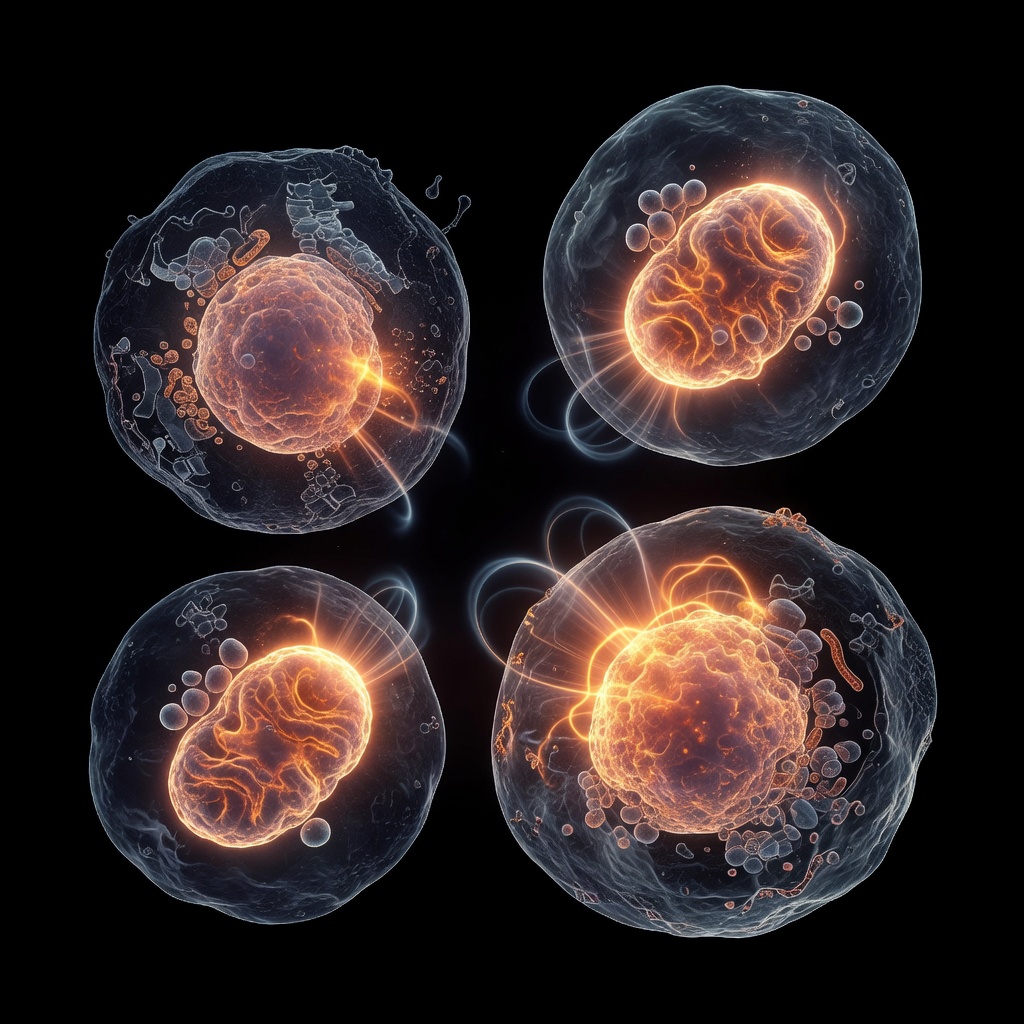
Epigenetics refers to the chemical modifications to DNA and associated proteins that regulate gene expression without altering the underlying genetic code. Pesticide exposure has been shown to disrupt DNA methylation patterns, the primary mechanism cells use to lock or unlock specific genes. When these disruptions occur in germ cells (sperm or eggs), they bypass the typical 'reprogramming' phase during embryonic development. This allows altered gene expression signatures to be inherited by offspring, even if those offspring are never directly exposed to the chemical agents.
Root Causes in the UK Context
The reliance on intensive monoculture in regions like East Anglia has led to a persistent buildup of agrochemical residues. Despite the UK's departure from the EU and the potential divergence in regulatory standards, the historical cumulative load of pesticides in soil microbiomes remains high. These chemicals act as endocrine disruptors, potentially altering the metabolic and neurological pathways of organisms across multiple life cycles. The root cause is not merely the chemical application, but the systemic reliance on high-input, low-diversity agricultural models that fail to prioritize soil longevity and biodiversity.
Mitigating the Impact
The transition away from a chemical-dependent paradigm is essential. Strategies include:
- Regenerative Soil Management: Utilizing cover crops and integrated pest management (IPM) to restore soil microbiomes, which naturally buffer against chemical persistence.
- Phyto-remediation: Introducing specific plant species known to draw out or neutralize legacy pesticides in contaminated agricultural land.
- Precision Farming Technologies: Adopting drone-based, targeted application methods to drastically reduce the total volume of chemical discharge per hectare.
Conclusion
Addressing the transgenerational risks of pesticides requires a paradigm shift in how we perceive agricultural health. It is not just about the safety of the current harvest, but the preservation of the biological integrity of the future. By moving toward regenerative models, UK agriculture can begin to heal the epigenetic landscape, ensuring that the legacy left by our farmers is one of abundance rather than biological strain.
This article is provided for informational and educational purposes only. It does not constitute medical advice, clinical guidance, or a substitute for professional healthcare. Information reflects cited research at time of publication. Always consult a qualified healthcare professional before acting on any health information.
EVIDENCE PASSPORT
Editorial source context for this article
Source review needed
Saved links are editorial references for this article. They may support specific claims rather than every sentence. Open and assess each source in context. This passport does not independently verify them.
Editorial context
A complete editorial reading has not been recorded for this article, and no source links are saved on its record.
Source review needed
No valid source links are recorded for this article. Supplementary research, where available, is listed separately below.
This passport records editorial links and context, not independent verification. Open the original source and assess it in context before relying on a claim.
Medical Disclaimer
The information in this article is for educational purposes only and does not constitute medical advice, diagnosis, or treatment. Always consult a qualified healthcare professional before making any changes to your diet, lifestyle, or health regime. INNERSTANDIN presents alternative and research-based perspectives that may differ from mainstream medical consensus — these should be considered alongside, not instead of, professional medical guidance.
Read Full DisclaimerContinue the thread
Keep this question moving.
Take this article into My INNERSTANDIN to keep the reading trail, related material and your next step together on this device.
Dig deeper in the Library
Free, longform PDF volumes that go beyond headlines into mechanisms and references.
RABBIT HOLE
Follow the biological thread deeper