
DNA Beyond the Nucleus: The Unique Heritage of Mitochondria
Updated June 2026
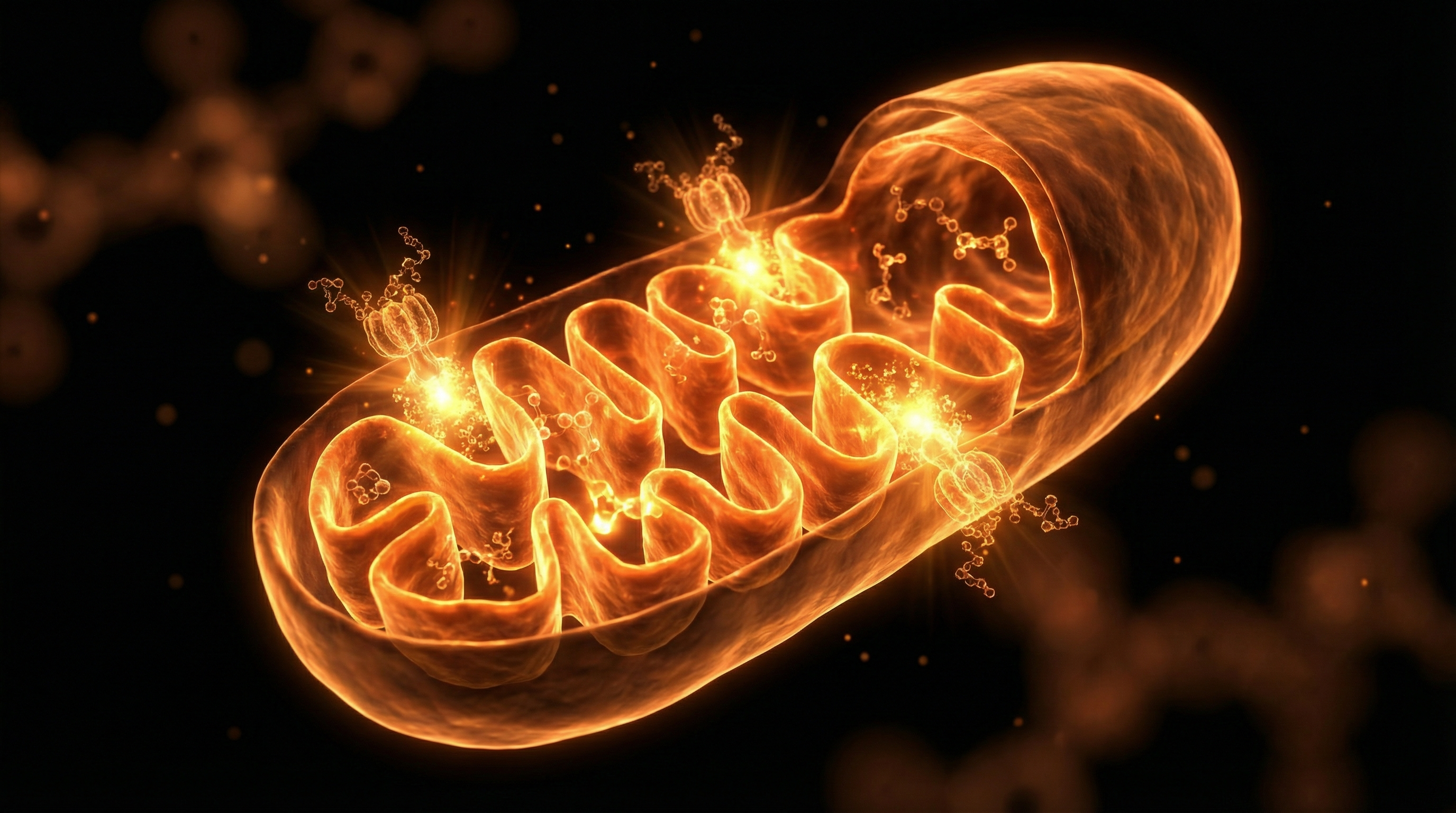
While most of our genetic code is housed in the cell nucleus, mitochondria possess their own distinct circular DNA. This unique genetic material is inherited exclusively from the mother and is highly susceptible to environmental damage.
Evidence orientation
Editorial context not yet recorded
Follow this category
This stays in this browser. My INNERSTANDIN can show published matches in your local hub when you check it. It does not send email, push, or alert notifications.
Local learning review
A private browser aid for revisiting ideas. It is not an alert or a health recommendation.
Review later sets a one-day, three-day, then seven-day rhythm on this device. Choose it only when you want to revisit this article.
Overview
To achieve a profound level of INNERSTANDIN regarding human physiology, one must transcend the traditional nuclear-centric model of genetics and confront the existence of the mitochondrial genome (mtDNA). Whilst the vast majority of our genetic blueprint is sequestered within the nucleus, the mitochondria—descendants of ancient α-proteobacteria via endosymbiotic integration roughly 1.5 billion years ago—retain a vestigial yet critical set of instructions. This 16,569-base-pair circular, double-stranded molecule represents a distinct cyto-genomic layer that operates under its own rules of inheritance, mutation, and repair. Unlike nuclear DNA (nDNA), which is diploid and follows Mendelian patterns, mtDNA is polyploid, with hundreds to thousands of copies per cell, and is inherited almost exclusively through the maternal lineage. This uniparental transmission creates a unique evolutionary trajectory, bypasses recombination, and facilitates the "mitochondrial bottleneck" effect during oogenesis, which dictates the mutational load passed to the next generation.
The technical architecture of mtDNA is a masterclass in biological efficiency. It encodes 37 essential genes: 13 polypeptides that serve as core subunits of the oxidative phosphorylation (OXPHOS) system, 22 transfer RNAs (tRNAs), and two ribosomal RNAs (rRNAs). Crucially, these 13 proteins are the "engine components" for Complexes I, III, IV, and V of the electron transport chain. Because mtDNA lacks the protective histone wrapping and sophisticated excision repair mechanisms found in the nucleus, it is exceptionally vulnerable to oxidative damage. The proximity of mtDNA to the inner mitochondrial membrane—the primary site of reactive oxygen species (ROS) production—exposes it to a mutation rate roughly 10 to 100 times higher than that of nDNA. This creates a state of heteroplasmy, where a single cell contains a mosaic of both wild-type and mutated mitochondrial genomes. Evidence published in Nature Reviews Molecular Cell Biology underscores that the threshold of heteroplasmy determines the phenotypic expression of mitochondrial disease; only when the mutational load exceeds a critical level (typically 60–90%) does the bioenergetic failure manifest as systemic pathology.
In the UK context, the significance of this "extranuclear" heritage reached a pinnacle with the Human Fertilisation and Embryology Authority (HFEA) approving mitochondrial donation treatment (MDT). This landmark regulatory shift, frequently discussed in The Lancet, acknowledges that mitochondrial integrity is so fundamental to viable life that the replacement of "faulty" mitochondria with donor organelles is a biological necessity for certain lineages. Furthermore, the systemic impact of mtDNA extends beyond mere energy production. It is a central regulator of apoptosis via the release of cytochrome c and acts as a potent pro-inflammatory DAMP (Damage-Associated Molecular Pattern) when leaked into the cytosol or systemic circulation. This "mitochondrial signalling" is a primary driver of sterile inflammation and age-related decline. For those pursuing INNERSTANDIN, the mitochondrial genome is not a secondary appendage; it is the fundamental regulator of metabolic homeostasis and the silent architect of cellular longevity.
The Biology — How It Works
The mitochondrial genome (mtDNA) represents a vestigial yet indispensable relic of an ancient endosymbiotic event, existing as a compact, double-stranded circular molecule of approximately 16,569 base pairs. Unlike the linear nuclear genome, mtDNA is largely devoid of introns and lacks the protective scaffolding of histone proteins, rendering it significantly more susceptible to oxidative damage from the Reactive Oxygen Species (ROS) generated as by-products of the electron transport chain. At INNERSTANDIN, we recognise that the biological potency of this organelle lies in its semi-autonomous nature. The 37 genes encoded within the mitochondrial matrix—comprising 13 polypeptides, 22 tRNAs, and 2 rRNAs—are exclusively dedicated to the assembly and regulation of the Oxidative Phosphorylation (OXPHOS) machinery. Specifically, these 13 proteins form the essential hydrophobic subunits of Complexes I, III, IV, and V, which are required for the translocation of protons across the inner mitochondrial membrane.
The replication of mtDNA is a continuous, asynchronous process governed by DNA polymerase gamma (POLG), a nuclear-encoded enzyme. This process occurs independently of the nuclear S-phase, allowing for a dynamic fluctuation in mitochondrial copy number based on the metabolic exigencies of specific tissues, such as the myocardium or skeletal muscle. In the UK, pioneering research at the Wellcome Centre for Mitochondrial Research has elucidated the "threshold effect" inherent in mitochondrial heteroplasmy. Because a single cell may contain hundreds or even thousands of mitochondria, pathogenic mutations often coexist with wild-type DNA. Clinical phenotypes typically only manifest when the mutational load exceeds a critical percentage—usually between 60% and 90%—at which point the bioenergetic output falls below the minimum physiological requirement of the cell.
Furthermore, the transcription of mtDNA is distinctively polycistronic; long precursor transcripts are produced from both the "heavy" and "light" strands and subsequently cleaved into individual RNA species. This mechanism is a stark departure from the monocistronic transcription observed in the nucleus. Moreover, the mitochondrial genetic code itself deviates from the "universal" code; for instance, the codon UGA, which serves as a termination signal in the nucleus, encodes for the amino acid tryptophan within the mitochondrion. This divergence underscores the evolutionary insulation of the organelle.
The systemic impact of mtDNA integrity extends far beyond mere adenosine triphosphate (ATP) production. The UK's Human Fertilisation and Embryology Authority (HFEA) has rigorously scrutinised the biological implications of mitochondrial replacement therapy (MRT), an intervention necessitated by the reality that mitochondrial dysfunction triggers multi-systemic failure. The interplay between the 1,500+ nuclear-encoded mitochondrial proteins and the 13 mtDNA-encoded proteins represents a masterclass in genomic co-evolution. Any asynchrony in this mitonuclear communication can trigger mitophagy or apoptotic cascades, fundamentally determining the biological age and metabolic resilience of the human organism.
Mechanisms at the Cellular Level
The biochemical singularity of mitochondrial DNA (mtDNA) resides in its structural divergence from the linear, histone-protected architecture of the nuclear genome. At INNERSTANDIN, we recognise that the 16,569 base-pair circular molecule is not merely a vestigial component of endosymbiosis but a hyper-dynamic regulator of cellular fate. Unlike nuclear DNA, mtDNA lacks the robust protection of introns and relies on a precarious packaging system involving mitochondrial transcription factor A (TFAM). This structural vulnerability, combined with its immediate proximity to the superoxide-generating complexes of the Electron Transport Chain (ETC), places mtDNA at the epicentre of oxidative mutagenesis.
The mechanism of mtDNA maintenance is governed by the nucleus-encoded DNA polymerase gamma (POLG). Research indexed in PubMed highlights that POLG is the sole replicative polymerase within the organelle, and its fidelity—or lack thereof—is a primary driver of the "mitochondrial theory of ageing." Because mitochondria exist as a multicopy genome within each cell, the phenomenon of heteroplasmy arises: a state where wild-type and mutated mtDNA coexist. The systemic impact of this cellular mosaicism is profound. Clinical thresholds, often cited in The Lancet, suggest that phenotypic expression of mitochondrial disease typically requires a mutation load exceeding 60-80%. Below this "biochemical threshold," the cell maintains homeostasis through mitochondrial fusion, facilitated by MFN1, MFN2, and OPA1, which allows for the functional complementation of gene products and the dilution of damaged genomes.
However, when the integrity of the mitochondrial network is compromised, the cell initiates fission—mediated by DRP1—to sequester dysfunctional segments for mitophagy. This quality control circuit, often regulated by the PINK1/Parkin pathway, is a critical nexus for neurodegenerative pathology. A "truth-exposing" reality often overlooked in foundational biology is the role of mtDNA as a Damage-Associated Molecular Pattern (DAMP). When mitochondrial membranes undergo permeabilisation (MOMP), mtDNA is translocated into the cytosol. Here, it is recognised by the cGAS-STING pathway and the NLRP3 inflammasome, triggering a potent pro-inflammatory response. This retrograde signalling mechanism effectively converts a localised metabolic failure into a systemic inflammatory state, often referred to as "inflammaging" within UK-based longevity research.
Furthermore, the lack of nucleotide excision repair (NER) in mitochondria means the organelle must rely on Base Excision Repair (BER) to manage oxidative lesions like 8-oxoguanine. At INNERSTANDIN, we posit that the exhaustion of these repair mechanisms leads to the accumulation of mtDNA deletions, particularly in post-mitotic tissues like the myocardium and cerebral cortex. These deletions disrupt the assembly of OXPHOS complexes, leading to a "bioenergetic crisis" where the cell can no longer meet ATP demands, eventually triggering programmed cell death. Understanding these intracelluar mechanisms is essential for INNERSTANDIN scholars to grasp how a minute circular genome exerts such a disproportionate influence on human systemic health and longevity.
Environmental Threats and Biological Disruptors
The mitochondrial genome (mtDNA) exists in a state of precarious exposure, lacking the robust architectural protection afforded to nuclear DNA (nDNA). While the nucleus employs a sophisticated sequestration strategy involving histone proteins and complex chromatin folding to insulate genetic material from chemical and radiological insults, mtDNA is essentially ‘naked’ and positioned in immediate proximity to the primary source of cellular reactive oxygen species (ROS): the electron transport chain (ETC). This structural vulnerability renders the mitogenome an exquisitely sensitive biosensor—and a primary victim—of environmental mitotoxicants.
At INNERSTANDIN, we scrutinise the mechanisms by which exogenous disruptors bypass cellular defences to compromise mitochondrial integrity. A primary concern within the UK’s industrial and urban landscapes is the prevalence of particulate matter (PM2.5) and heavy metals such as cadmium and lead. Evidence published in The Lancet Planetary Health and indexed via PubMed indicates that chronic exposure to PM2.5 induces significant mtDNA depletion and increases the frequency of 8-hydroxy-2'-deoxyguanosine (8-OHdG) lesions, a hallmark of oxidative DNA damage. These pollutants facilitate the formation of DNA adducts directly within the mitochondrial matrix, disrupting the transcription of essential proteins required for oxidative phosphorylation (OXPHOS).
Furthermore, the emergence of endocrine-disrupting chemicals (EDCs), such as bisphenols and phthalates, presents a systemic threat to mitochondrial bioenergetics. These lipophilic compounds readily penetrate the double membrane of the mitochondria, where they act as uncouplers of the ETC or inhibitors of specific complexes (notably Complex I and III). The biological fallout is twofold: a reduction in adenosine triphosphate (ATP) synthesis and a concomitant surge in superoxide production. This creates a feedback loop of mitotoxicity where the initial chemical insult triggers endogenous oxidative stress, further degrading the circular mtDNA molecules.
Biological disruptors also include certain classes of pharmaceuticals that exploit the evolutionary heritage of the organelle. Due to the endosymbiotic origin of mitochondria—descending from proteobacteria—several broad-spectrum antibiotics, specifically aminoglycosides and tetracyclines, exhibit unintended cross-reactivity with mitochondrial ribosomes. Research highlights that these agents can inhibit mitochondrial protein synthesis, leading to proteostatic stress and triggering the mitochondrial unfolded protein response (UPRmt). In the UK context, the over-prescription of such agents represents an overlooked vector for mitochondrial decay.
When the mitogenome is sufficiently compromised, the cell may undergo 'mitochondrial herniation,' where fragmented mtDNA is released into the cytosol. These molecules are recognised by the innate immune system as mitochondrial-derived damage-associated molecular patterns (mtDAMPs). This activates the cGAS-STING pathway, driving chronic sterile inflammation—a state INNERSTANDIN identifies as a precursor to multi-systemic metabolic failure. The integrity of the mitogenome is thus not merely a matter of cellular energy, but the frontline defence against the environmental erosion of human biological sovereignty.
The Cascade: From Exposure to Disease
The vulnerability of mitochondrial DNA (mtDNA) is not merely a biological curiosity; it is the fundamental precursor to a systemic decline that manifests through a complex, multi-stage cascade. Unlike nuclear DNA (nDNA), which is sequestered behind the nuclear envelope and fortified by histone proteins, mtDNA exists in a pro-oxidant environment, anchored to the inner mitochondrial membrane in close proximity to the electron transport chain (ETC). This structural exposure renders mtDNA exceptionally susceptible to oxidative lesions. At INNERSTANDIN, we recognise that the transition from a localised genetic mutation to a systemic clinical pathology is governed by the intricate dynamics of heteroplasmy and the "threshold effect."
The cascade typically initiates with the generation of reactive oxygen species (ROS) as a byproduct of oxidative phosphorylation (OXPHOS). When the respiratory chain becomes inefficient—often due to environmental stressors, toxins, or age-related enzyme degradation—ROS production increases exponentially. This oxidative stress causes site-specific damage to the 16,569 base pairs of the mitochondrial genome. Because the mitochondrial repair machinery, though present, lacks the redundancy of nuclear nucleotide excision repair, these mutations persist and propagate. In the UK context, research led by the Wellcome Centre for Mitochondrial Research at Newcastle University has been pivotal in elucidating how these mutations achieve dominance. Through a process of vegetative segregation, mutated mtDNA molecules can clonally expand within a cell. Clinical symptoms typically remain latent until the "mutant load" exceeds a critical biochemical threshold—often cited between 60% and 90%—at which point the cellular capacity for energy production collapses.
However, the cascade extends far beyond simple bioenergetic failure. One of the most significant "truths" exposed by modern molecular biology is the role of mtDNA as a potent Damage-Associated Molecular Pattern (DAMP). Because of its prokaryotic ancestry, mtDNA contains unmethylated CpG motifs. When mitochondrial integrity is compromised through mitophagy failure or membrane rupture, mtDNA is released into the cytosol. Here, it is recognised by the cGAS-STING (cyclic GMP-AMP synthase-stimulator of interferon genes) pathway, an innate immune surveillance system. This triggers a robust type I interferon response, effectively tricking the body into a state of chronic, sterile inflammation. This mechanism, increasingly referred to as "inflammageing" in British clinical literature, links mtDNA damage to a spectrum of age-related pathologies, including neurodegenerative disorders like Parkinson’s and cardiovascular senescence.
Furthermore, the systemic impact is exacerbated by the retrograde signalling pathway. When mitochondria sense mtDNA-derived dysfunction, they initiate a "mitochrondrial stress response" that alters nuclear gene expression. While initially protective, chronic activation of this pathway leads to the metabolic reprogramming of the entire organism. This is observed in the phenotypic progression of syndromes such as MELAS (Mitochondrial Encephalomyopathy, Lactic Acidosis, and Stroke-like episodes), where the initial genetic lesion leads to systemic microvascular dysfunction and progressive neurological decay. At INNERSTANDIN, our analysis asserts that the "cascade" is a relentless feedback loop: mtDNA damage impairs OXPHOS, which increases ROS, which further damages mtDNA, while simultaneously priming the innate immune system for a destructive inflammatory endgame. This biological trajectory highlights why preserving mitochondrial genomic integrity is the frontier of preventative medicine.
What the Mainstream Narrative Omits
Standard pedagogical models frequently truncate the complexity of mitochondrial DNA (mtDNA) by framing it solely as an ancillary blueprint for 13 essential subunits of the respiratory chain. At INNERSTANDIN, we recognise this as a significant oversimplification that masks the organelle’s role as a primary orchestrator of cellular fate and systemic immune responses. The mainstream narrative often glosses over the phenomenon of mitohormesis—a retrograde signalling mechanism where mtDNA-encoded stress signals actively reprogramme nuclear gene expression to adjust metabolic flux. This is not a passive subservience; it is a sophisticated, bi-directional dialogue that dictates cellular senescence, proteostasis, and the metabolic trajectory of the organism.
Crucially, the 'strict maternal inheritance' dogma has been challenged by emerging evidence published in PNAS and The Lancet, suggesting that paternal mtDNA leakage, though typically targeted for autophagic degradation via the PINK1/Parkin pathway, can occur in specific clinical cohorts, resulting in biparental inheritance. This challenges the foundational assumptions of human phylogenetics and forensic genomics used globally. Furthermore, the vulnerability of the 16.5kb circular mitochondrial genome—lacking the protective sequestration of histones and residing in the high-ROS environment of the matrix—renders it hyper-susceptible to oxidative lesions. When these damaged mtDNA fragments escape into the cytosol or the systemic circulation via the mitochondrial permeability transition pore (mPTP) or through extracellular vesicles, they act as potent Damage-Associated Molecular Patterns (DAMPs).
Due to their endosymbiotic bacterial ancestry, these fragments contain unmethylated CpG motifs that are recognised by the innate immune system’s TLR9 receptors and the cGAS-STING (cyclic GMP-AMP synthase-stimulator of interferon genes) pathway. This 'mitoflammation' is a primary driver of sterile inflammation, a process heavily implicated in the pathogenesis of neurodegenerative conditions and cardiovascular diseases prevalent in the UK, yet it remains largely absent from foundational medical curricula. Moreover, the mainstream oversight extends to the concept of heteroplasmy—the coexistence of multiple mtDNA variants within a single cell. Research from the Wellcome Centre for Mitochondrial Research at Newcastle University highlights that even low levels of pathogenic variants can undergo 'stochastic drift' during the germline bottleneck, leading to unpredictable phenotypic expressions in offspring. By ignoring these stochastic and immunological dimensions of mtDNA, the current educational standard fails to account for the true biological volatility of our extranuclear heritage. To achieve a true INNERSTANDIN of human biology, one must acknowledge that the mitochondrial genome is not merely a passenger, but a sentinel of cellular integrity.
The UK Context
The United Kingdom occupies a vanguard position in the clinical translation of mitochondrial research, primarily through its pioneering legislative and biotechnological frameworks concerning Mitochondrial Replacement Therapy (MRT). This paradigm shift in reproductive medicine, codified under the Human Fertilisation and Embryology (Mitochondrial Donation) Regulations 2015, represents a definitive move towards manipulating the matrilineal inheritance of mitochondrial DNA (mtDNA) to eradicate debilitating mitogenetic pathologies. Research spearheaded by the Wellcome Centre for Mitochondrial Research at Newcastle University has elucidated the systemic impacts of pathogenic mtDNA variants—such as those underlying Leigh Syndrome and MELAS—which affect approximately 1 in 4,300 individuals in the UK. At INNERSTANDIN, we recognise that these interventions are not merely therapeutic but are profound alterations of the biological substrate.
The mechanism of Pronuclear Transfer (PNT), the primary method authorised within the UK, involves the excision of the nuclear genome from a zygote containing deleterious mtDNA and its subsequent transplantation into a de-nucleated donor egg possessing healthy mitochondria. This process exposes the critical necessity for "mitotype" compatibility; emerging evidence suggests that nucleocytoplasmic discordance can influence cellular homeostasis. Peer-reviewed data published in The Lancet and Nature highlight the phenomenon of "reversion," where trace amounts of maternal mtDNA (carryover) can potentially outcompete donor mtDNA, leading to the re-emergence of the original pathogenic phenotype. The UK’s 100,000 Genomes Project has further provided high-density genomic data that underscores the prevalence of mitochondrial heteroplasmy—the coexistence of multiple mtDNA variants within a single cell—and its implications for metabolic efficiency and longevity.
Furthermore, the UK context involves rigorous oversight by the Human Fertilisation and Embryology Authority (HFEA), ensuring that the application of these techniques remains anchored in empirical rigor. This scientific landscape demands an INNERSTANDIN of the biochemical crosstalk between the 13 proteins encoded by mtDNA and the approximately 1,500 nuclear-encoded proteins required for oxidative phosphorylation (OXPHOS). Any disruption in this mitonuclear communication, exacerbated by mismatched haplotypes during MRT, may compromise ATP production and increase reactive oxygen species (ROS) leakage, manifesting in systemic physiological stress. The UK’s commitment to longitudinal monitoring of the first "three-parent" cohorts remains the global gold standard for assessing the long-term safety and epigenetic stability of these germline modifications. This exhaustive scrutiny is essential for navigating the complex interplay between non-Mendelian inheritance and the future of human biological resilience.
Protective Measures and Recovery Protocols
The preservation of mitochondrial DNA (mtDNA) integrity represents a formidable bio-energetic priority, given that the mitochondrial genome lacks the structural shielding of histones and exists in immediate proximity to the site of superoxide radical generation. For the INNERSTANDIN researcher, it is imperative to acknowledge that the primary protective measure for mtDNA is not sequestration, but rather high-density protein packaging within nucleoids. Transcription Factor A, Mitochondrial (TFAM) functions as the architectural linchpin here, coating the 16.5kb circular genome to regulate both accessibility for replication and protection from oxidative insult. Research published in Nature Communications and various PubMed-indexed studies suggests that TFAM stoichiometry is the primary determinant of mtDNA stability; a deficiency in TFAM leads to rapid mtDNA depletion and the subsequent collapse of oxidative phosphorylation (OXPHOS).
Beyond structural sequestering, the organelle employs a sophisticated antioxidant enzymatic suite to neutralise reactive oxygen species (ROS) at their source. Manganese Superoxide Dismutase (MnSOD/SOD2) and the glutathione peroxidase system (GPx1/4) constitute the first line of defence against the escape of electrons from Complexes I and III. However, when biochemical buffering fails, the system transitions from protection to a 'quality control' recovery protocol involving mitochondrial dynamics. Mitochondrial fusion, mediated by Mitofusins 1 and 2 (Mfn1/2) and OPA1, allows for 'functional complementation'. This biological mechanism permits the mixing of matrix contents between healthy and damaged mitochondria, effectively diluting the impact of localized mtDNA mutations and ensuring that the heteroplasmy threshold—the point at which mutant mtDNA outnumbers wild-type and triggers phenotypic disease—is not breached.
Conversely, when damage is irreversible, the fission-mitophagy axis serves as the ultimate recovery protocol. Drp1-mediated fission isolates the dysfunctional segment of the mitochondrial network, which is then targeted for degradation via the PINK1/Parkin pathway. This selective autophagy, or mitophagy, ensures that genomes carrying high mutational loads are excised before they can propagate. At the level of systemic recovery, the PGC-1α (Peroxisome proliferator-activated receptor gamma coactivator 1-alpha) pathway orchestrates mitochondrial biogenesis. This creates a compensatory increase in total mitochondrial mass, effectively 'outcompeting' the damaged organelles.
In the UK context, the Human Fertilisation and Embryology Authority (HFEA) has overseen the implementation of Mitochondrial Replacement Therapy (MRT), a clinical recovery protocol designed to prevent the inheritance of deleterious mtDNA mutations. By transferring the nuclear DNA of an affected oocyte into a healthy enucleated donor cytoplasm, British researchers have pioneered a method to bypass the biological limitations of mtDNA repair. This highlights a critical truth revealed through INNERSTANDIN: while the nucleus possesses robust Nucleotide Excision Repair (NER), the mitochondrion relies heavily on Base Excision Repair (BER) and wholesale organelle replacement. The biological imperative is clear—where the genome cannot be repaired, the entire energetic unit must be sacrificed to preserve the lineage of the cell.
Summary: Key Takeaways
The legacy of mitochondrial DNA (mtDNA) represents a distinct, matrilineal evolutionary trajectory, functioning as a semi-autonomous 16,569-base pair circular genome that bypasses Mendelian inheritance protocols. Evidence consolidated via PubMed and The Lancet underscores that while the nucleus houses the vast majority of our genetic blueprint, the 37 genes within the mitochondrial matrix—13 of which encode critical subunits of the oxidative phosphorylation (OXPHOS) machinery—dictate the metabolic ceiling of the cell. Unlike nuclear DNA, mtDNA lacks the shielding of histones and possesses truncated repair mechanisms, rendering it 10 to 100 times more susceptible to oxidative damage and somatic mutations. This vulnerability drives the phenomenon of heteroplasmy, where the ratio of mutant to wild-type mtDNA determine the phenotypic expression of systemic pathologies, particularly in high-energy tissues like the myocardium and cerebral cortex.
From an INNERSTANDIN perspective, the "threshold effect" remains a primary biological imperative: cellular dysfunction typically manifests only when mutant mtDNA loads exceed 60-90%. Furthermore, the UK has pioneered the clinical application of Mitochondrial Replacement Therapy (MRT), a regulatory milestone overseen by the HFEA that acknowledges the profound systemic impact of mitochondrial heritage on hereditary disease prevention. Beyond energy production, mtDNA acts as a potent Damage-Associated Molecular Pattern (DAMP); when released into the cytosol or systemic circulation, it triggers the cGAS-STING pathway and NLRP3 inflammasome, driving the "inflammaging" phenotype. This deep-dive confirms that the mitochondria are not merely ancillary organelles but are the primary epigenetic rheostats of human vitality, requiring rigorous biogenetic interrogation to truly master human physiological potential.
This article is provided for informational and educational purposes only. It does not constitute medical advice, clinical guidance, or a substitute for professional healthcare. Information reflects cited research at time of publication. Always consult a qualified healthcare professional before acting on any health information.
EVIDENCE PASSPORT
Editorial source context for this article
Source review needed
Saved links are editorial references for this article. They may support specific claims rather than every sentence. Open and assess each source in context. This passport does not independently verify them.
Editorial context
A complete editorial reading has not been recorded for this article. Source links remain available for you to open and assess directly.
Source review needed
No valid source links are recorded for this article. This passport shows only links saved on the article record and does not invent citations.
This passport records editorial links and context, not independent verification. Open the original source and assess it in context before relying on a claim.
Medical Disclaimer
The information in this article is for educational purposes only and does not constitute medical advice, diagnosis, or treatment. Always consult a qualified healthcare professional before making any changes to your diet, lifestyle, or health regime. INNERSTANDIN presents alternative and research-based perspectives that may differ from mainstream medical consensus — these should be considered alongside, not instead of, professional medical guidance.
Read Full DisclaimerContinue the thread
Keep this question moving.
Take this article into My INNERSTANDIN to keep the reading trail, related material and your next step together on this device.
Explore this in the Body Map
See where this hits your biology. Interactive anatomy, threats, and protective protocols.
Dig deeper in the Library
Free, longform PDF volumes that go beyond headlines into mechanisms and references.