
Mitochondrial Dysfunction and Impaired Lymphatic Contraction in Breast Fibrotic Progression
Discuss this resourceUpdated August 2026
An in-depth exploration of how cellular energy failure and lymphatic stagnation drive fibrotic changes in breast tissue, offering a root-cause perspective on breast health.
Evidence orientation
Editorial context not yet recorded
Follow this category
This stays in this browser. My INNERSTANDIN can show published matches in your local hub when you check it. It does not send email, push, or alert notifications.
Local learning review
A private browser aid for revisiting ideas. It is not an alert or a health recommendation.
Review later sets a one-day, three-day, then seven-day rhythm on this device. Choose it only when you want to revisit this article.
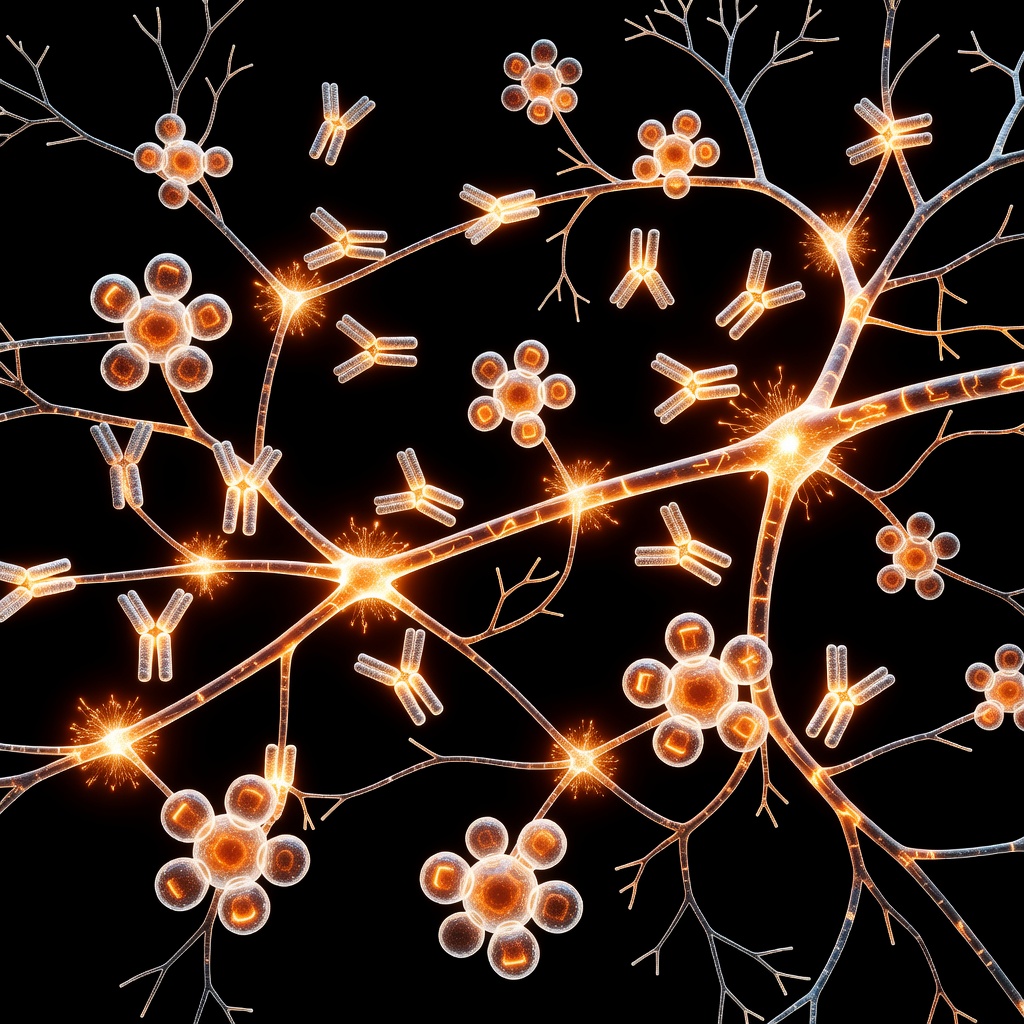
When breast tissue experiences chronic oxidative stress, mitochondrial efficiency drops. This loss of ATP production forces fibroblasts—the cells responsible for maintaining connective tissue—to shift into a pro-fibrotic phenotype. Instead of repairing tissue, these cells begin an uncontrolled deposition of collagen, stiffening the breast matrix and creating a feedback loop that further restricts oxygen delivery to the cells. ## Lymphatic Contraction: The Drainage Dilemma. The breast lymphatic system is not merely a passive drainage network; it is a collection of contractile vessels governed by intralymphatic pressure and autonomic signals. Impaired lymphatic contraction, or lymphatic stasis, prevents the clearance of metabolic waste, inflammatory cytokines, and excess growth factors that trigger fibrosis.
When the lymphatic system slows down, the breast microenvironment becomes a reservoir for pro-inflammatory stimuli. This creates a state of 'tissue toxicity,' where the lack of movement and drainage hardens the stromal architecture. ## The Synergy of Stagnation. When mitochondrial energy is low, the smooth muscle cells lining the lymphatic vessels (lymphangions) lack the fuel required to rhythmically pump lymph. This creates a vicious cycle: the energy crisis inhibits drainage, and the resulting accumulation of waste products further damages mitochondrial DNA through oxidative stress. This intersection is the root cause of many non-malignant fibrotic progressions. ## Bridging the Gap: Restoring Flow.
To address this, we must look beyond symptoms and support the biological mechanisms of renewal. 1. Mitochondrial Respiration: Supporting systemic metabolic health through targeted phytonutrients and rhythmic movement. 2. Lymphatic Motility: Utilizing manual techniques and deep breathing to stimulate the thoracic duct and regional nodes, encouraging the vessel walls to resume their intrinsic pumping rhythm. 3. Reducing Inflammatory Load: Mitigating the oxidative stress that burdens the breast tissue matrix. Understanding that breast health is a reflection of cellular energy and systemic drainage is the first step toward reclaiming tissue vitality.
This article is provided for informational and educational purposes only. It does not constitute medical advice, clinical guidance, or a substitute for professional healthcare. Information reflects cited research at time of publication. Always consult a qualified healthcare professional before acting on any health information.
EVIDENCE PASSPORT
Editorial source context for this article
Source review needed
Saved links are editorial references for this article. They may support specific claims rather than every sentence. Open and assess each source in context. This passport does not independently verify them.
Editorial context
A complete editorial reading has not been recorded for this article, and no source links are saved on its record.
Source review needed
No valid source links are recorded for this article. Supplementary research, where available, is listed separately below.
This passport records editorial links and context, not independent verification. Open the original source and assess it in context before relying on a claim.
Medical Disclaimer
The information in this article is for educational purposes only and does not constitute medical advice, diagnosis, or treatment. Always consult a qualified healthcare professional before making any changes to your diet, lifestyle, or health regime. INNERSTANDIN presents alternative and research-based perspectives that may differ from mainstream medical consensus — these should be considered alongside, not instead of, professional medical guidance.
Read Full DisclaimerContinue the thread
Keep this question moving.
Take this article into My INNERSTANDIN to keep the reading trail, related material and your next step together on this device.
Explore this in the Body Map
Explore related body structures and their educational pages in the interactive Body Map.
Dig deeper in the Library
Free, longform PDF volumes that go beyond headlines into mechanisms and references.