
The Mitochondrial Melatonin Deficit: Why S.A.D. is a Cellular Energy Crisis
Published April 2026
While mainstream psychiatry focuses on the pineal gland, 95 percent of the body's melatonin is produced within the mitochondria in response to near-infrared light. Seasonal Affective Disorder is often a symptom of infra-red poverty, where a lack of outdoor exposure leads to oxidative stress at a cellular level. This article explores how supplemental melatonin cannot replace the light-triggered antioxidant defense system within our cells.
Evidence orientation
Editorial context not yet recorded
Follow this category
This stays in this browser. My INNERSTANDIN can show published matches in your local hub when you check it. It does not send email, push, or alert notifications.
Local learning review
A private browser aid for revisiting ideas. It is not an alert or a health recommendation.
Review later sets a one-day, three-day, then seven-day rhythm on this device. Choose it only when you want to revisit this article.
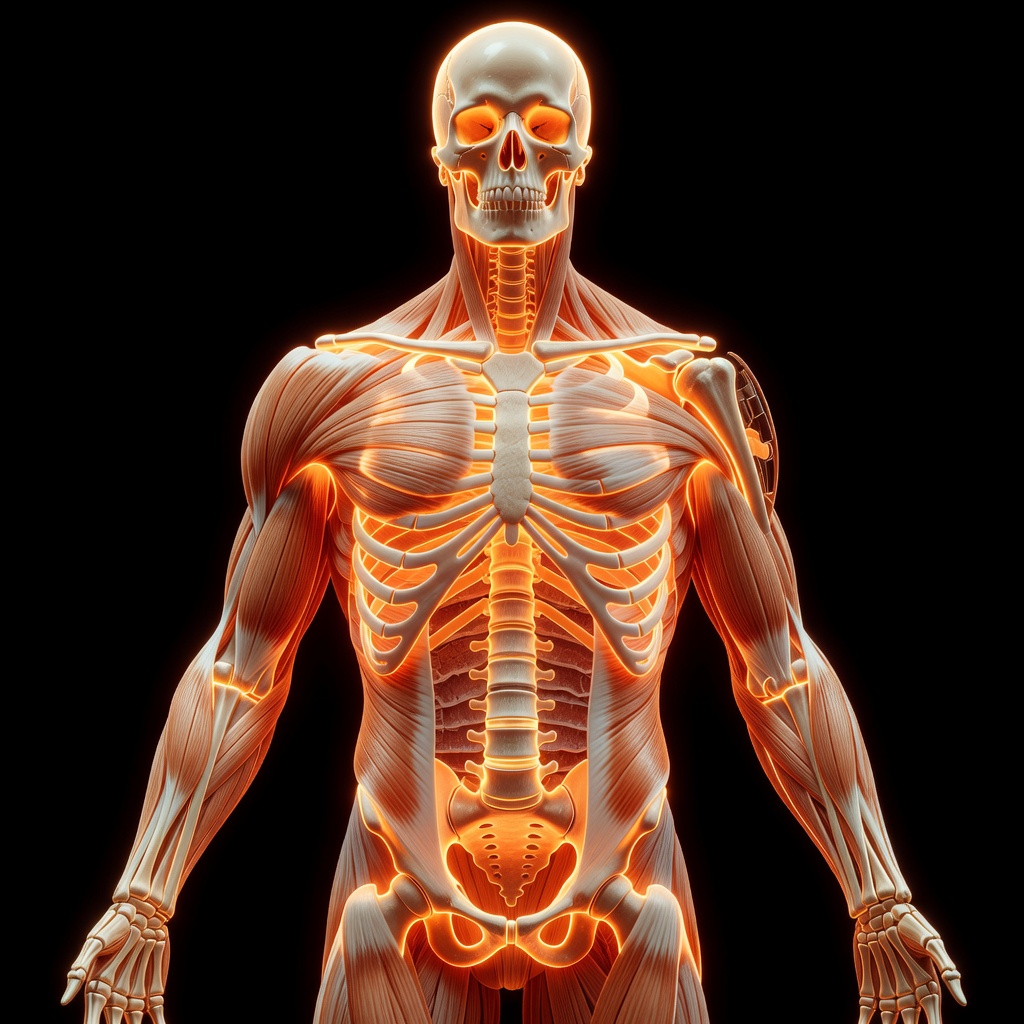
In the hierarchy of biological imperatives, light is often relegated to a mere environmental cue for vision. However, for the health-educated individual, light is a primary metabolic substrate. Conventional medicine treats Seasonal Affective Disorder (S.A.D.) as a simple neurotransmitter imbalance, usually targeting serotonin. This approach overlooks the most critical discovery in recent photobiology: the existence of extrapineal melatonin. Research led by experts like Dr.
Russell Reiter has revealed that the vast majority of our melatonin is not produced by the pineal gland at night, but within the mitochondria of every cell during the day. This production is specifically triggered by Near-Infrared (NIR) light, which makes up over 50 percent of natural sunlight. When we spend our winters behind glass—which filters out NIR—or under energy-efficient LEDs that lack the infra-red spectrum entirely, we induce a state of 'infra-red poverty.' Without NIR, the mitochondria cannot produce the melatonin required to neutralize the reactive oxygen species (ROS) generated during ATP production. The result is a 'cellular winter' where energy production becomes inefficient and oxidative damage mounts. This energy crisis manifests as the lethargy and cognitive heaviness typical of S.A.D.
Furthermore, mainstream guidelines suggest 10,000 lux of white light to treat the symptoms, but if that light lacks the NIR component, it may actually increase oxidative stress by boosting metabolic demand without providing the antioxidant counterbalance. To address the root cause, we must look beyond the eyes and into the skin's ability to absorb long-wavelength light. Evidence shows that NIR light penetrates deep into the body, reaching even the brain and internal organs, where it interacts with cytochrome c oxidase in the mitochondrial respiratory chain. This interaction enhances the flow of electrons and increases the production of cellular energy (ATP) while simultaneously signaling for melatonin synthesis. To combat S.A.D. effectively, one must optimize their 'light diet' by prioritizing sunrise exposure, using incandescent or halogen bulbs that provide heat and NIR, and potentially utilizing targeted photobiomodulation devices.
This transition from 'mood management' to 'cellular energy management' represents the next frontier in biological health education. By restoring the infra-red signal, we provide our mitochondria with the tools they need to maintain resilience through the darkest months of the year. The takeaway is clear: S.A.D. is not just in your head; it is in your mitochondria. Effective treatment requires a return to the full-spectrum light environment our biology expects, emphasizing the restorative power of the near-infrared band that modern life has systematically removed.
This article is provided for informational and educational purposes only. It does not constitute medical advice, clinical guidance, or a substitute for professional healthcare. Information reflects cited research at time of publication. Always consult a qualified healthcare professional before acting on any health information.
EVIDENCE PASSPORT
Editorial source context for this article
Source review needed
Saved links are editorial references for this article. They may support specific claims rather than every sentence. Open and assess each source in context. This passport does not independently verify them.
Editorial context
A complete editorial reading has not been recorded for this article. Source links remain available for you to open and assess directly.
Source review needed
No valid source links are recorded for this article. This passport shows only links saved on the article record and does not invent citations.
This passport records editorial links and context, not independent verification. Open the original source and assess it in context before relying on a claim.
Medical Disclaimer
The information in this article is for educational purposes only and does not constitute medical advice, diagnosis, or treatment. Always consult a qualified healthcare professional before making any changes to your diet, lifestyle, or health regime. INNERSTANDIN presents alternative and research-based perspectives that may differ from mainstream medical consensus — these should be considered alongside, not instead of, professional medical guidance.
Read Full DisclaimerContinue the thread
Keep this question moving.
Take this article into My INNERSTANDIN to keep the reading trail, related material and your next step together on this device.
Explore this in the Body Map
See where this hits your biology. Interactive anatomy, threats, and protective protocols.
Dig deeper in the Library
Free, longform PDF volumes that go beyond headlines into mechanisms and references.