
Molecular Adsorption Dynamics: How Bentonite Clay Chelates Heavy Metals in the Gastrointestinal Tract
Discuss this resourceUpdated August 2026
An in-depth analysis of the physicochemical properties of bentonite clay and its capacity to bind heavy metals through ion exchange and surface adsorption within the human gut.
Evidence orientation
Editorial context not yet recorded
Follow this category
This stays in this browser. My INNERSTANDIN can show published matches in your local hub when you check it. It does not send email, push, or alert notifications.
Local learning review
A private browser aid for revisiting ideas. It is not an alert or a health recommendation.
Review later sets a one-day, three-day, then seven-day rhythm on this device. Choose it only when you want to revisit this article.
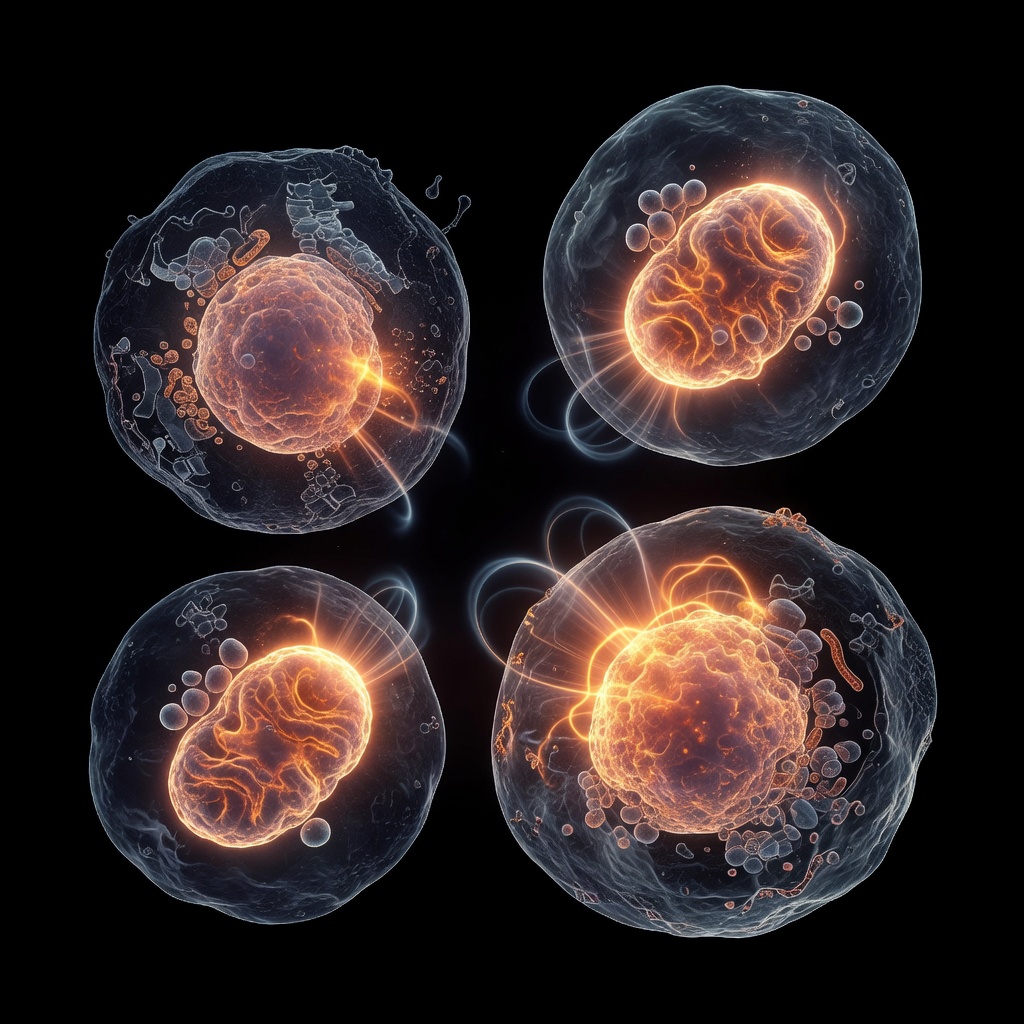
The Foundation of Detoxification: Understanding Bentonite Clay. Within the landscape of integrative health, bentonite clay—a mineral-rich volcanic ash derivative—has emerged as a primary tool for gut-based detoxification. Unlike systemic chelators, bentonite acts locally, functioning as an inert, high-surface-area sponge designed to sequester toxins before they cross the intestinal barrier. ### The Physics of Adsorption. The efficacy of bentonite is rooted in its unique phyllosilicate structure. Bentonite is primarily composed of montmorillonite, a layered smectite clay.
Under a microscope, these layers look like microscopic sheets with significant interstitial spaces. These spaces are charged, creating a strong negative surface potential. When hydrated, the clay swells, expanding its surface area exponentially. This expansion creates a molecular net that captures positively charged ions, such as lead, mercury, and cadmium. ### Ion Exchange Dynamics. The primary mechanism at play is 'cation exchange capacity' (CEC).
Heavy metals, which are typically positively charged (cations), are attracted to the negatively charged lamellar surfaces of the clay. Because bentonite has a higher affinity for these heavy metals than for beneficial minerals in certain contexts, it acts as a molecular magnet. As the clay traverses the gastrointestinal tract, it exchanges inert ions for heavy metal toxins, effectively locking them into its mineral structure until excretion. ### Addressing the Root Cause. Chronic heavy metal exposure is often a byproduct of environmental toxicity, water supply contamination, or processed food additives. By addressing the gut as the primary site of systemic burden, bentonite serves as a front-line defense.
It does not just mask symptoms; it reduces the toxic load that triggers oxidative stress and systemic inflammation. ### Practical Integration. For the best therapeutic outcomes, bentonite should be taken on an empty stomach to ensure it interacts directly with intestinal contents rather than binding dietary nutrients. It is crucial to remain hydrated, as the clay's high swelling capacity requires water to maintain motility and prevent constipation. At INNERSTANDING, we recommend a phased approach, starting with food-grade, sodium-bentonite variants that have been rigorously tested for heavy metal purity, ensuring that you are adding to the solution rather than contributing to the problem.
This article is provided for informational and educational purposes only. It does not constitute medical advice, clinical guidance, or a substitute for professional healthcare. Information reflects cited research at time of publication. Always consult a qualified healthcare professional before acting on any health information.
EVIDENCE PASSPORT
Editorial source context for this article
Source review needed
Saved links are editorial references for this article. They may support specific claims rather than every sentence. Open and assess each source in context. This passport does not independently verify them.
Editorial context
A complete editorial reading has not been recorded for this article, and no source links are saved on its record.
Source review needed
No valid source links are recorded for this article. Supplementary research, where available, is listed separately below.
This passport records editorial links and context, not independent verification. Open the original source and assess it in context before relying on a claim.
Medical Disclaimer
The information in this article is for educational purposes only and does not constitute medical advice, diagnosis, or treatment. Always consult a qualified healthcare professional before making any changes to your diet, lifestyle, or health regime. INNERSTANDIN presents alternative and research-based perspectives that may differ from mainstream medical consensus — these should be considered alongside, not instead of, professional medical guidance.
Read Full DisclaimerContinue the thread
Keep this question moving.
Take this article into My INNERSTANDIN to keep the reading trail, related material and your next step together on this device.
Explore this in the Body Map
Explore related body structures and their educational pages in the interactive Body Map.
Dig deeper in the Library
Free, longform PDF volumes that go beyond headlines into mechanisms and references.