Molecular Adsorption: How Activated Charcoal Selectively Chelates Enteric Toxins
Discuss this resourceUpdated August 2026
An in-depth exploration of the biochemical mechanisms behind activated charcoal's ability to selectively bind and neutralize toxins within the gastrointestinal tract.
Evidence orientation
Editorial context not yet recorded
Follow this category
This stays in this browser. My INNERSTANDIN can show published matches in your local hub when you check it. It does not send email, push, or alert notifications.
Local learning review
A private browser aid for revisiting ideas. It is not an alert or a health recommendation.
Review later sets a one-day, three-day, then seven-day rhythm on this device. Choose it only when you want to revisit this article.
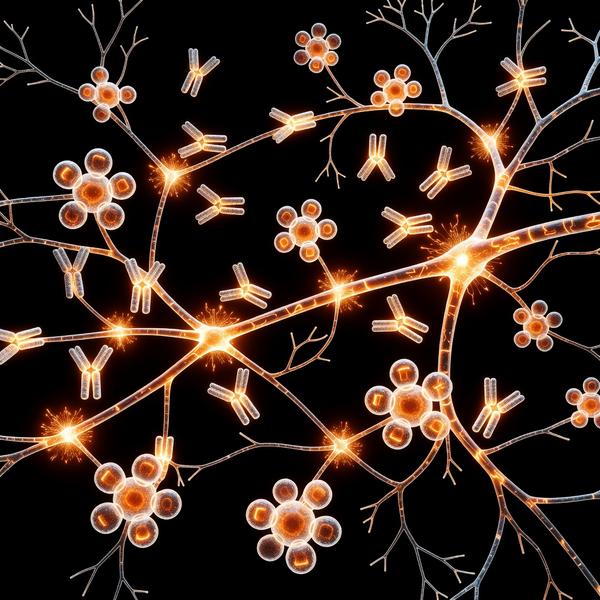
The manufacturing process involves heating carbonaceous material, such as coconut shells or wood, to extreme temperatures in the presence of activating gases. This creates an incredibly porous internal structure with a surface area often exceeding 3,000 square meters per gram. # The Physics of Attraction. Activated charcoal operates primarily through London Dispersion Forces and Van der Waals interactions. Because the material is highly hydrophobic and negatively charged, it naturally attracts organic compounds—many of which are positively charged or non-polar—into its vast network of micropores. Enteric toxins, ranging from pharmaceutical residues and mycotoxins to bacterial lipopolysaccharides (LPS), typically exhibit structural characteristics that make them prime candidates for this molecular trapping. # Root-Cause Gut Health.
From an Innerstanding perspective, we must address the root cause of systemic toxic load: gut permeability and dysbiosis. When the intestinal barrier is compromised, toxins gain systemic access, triggering chronic low-grade inflammation. Activated charcoal serves as a physical scavenger, sequestering endotoxins released by opportunistic bacteria or ingested via environmental exposure. By reducing the luminal burden of these stressors, we provide the body with the metabolic space required for endogenous repair. # Clinical Precision. It is vital to distinguish between broad-spectrum utility and targeted application.
While charcoal is non-selective in its physical attraction, it demonstrates a "preference" for larger, more complex molecular chains over smaller essential nutrients. However, long-term indiscriminate use can impact mineral absorption, which is why we emphasize strategic, pulse-dosing protocols rather than daily consumption. # Conclusion: A Tool for Equilibrium. Activated charcoal is not a panacea for poor lifestyle choices, but rather a sophisticated tool for mitigating the "toxic soup" of modern living. By understanding the science of its surface chemistry, we move from fear-based detoxification to intentional, biological support.
This article is provided for informational and educational purposes only. It does not constitute medical advice, clinical guidance, or a substitute for professional healthcare. Information reflects cited research at time of publication. Always consult a qualified healthcare professional before acting on any health information.
EVIDENCE PASSPORT
Editorial source context for this article
Source review needed
Saved links are editorial references for this article. They may support specific claims rather than every sentence. Open and assess each source in context. This passport does not independently verify them.
Editorial context
A complete editorial reading has not been recorded for this article, and no source links are saved on its record.
Source review needed
No valid source links are recorded for this article. Supplementary research, where available, is listed separately below.
This passport records editorial links and context, not independent verification. Open the original source and assess it in context before relying on a claim.
Medical Disclaimer
The information in this article is for educational purposes only and does not constitute medical advice, diagnosis, or treatment. Always consult a qualified healthcare professional before making any changes to your diet, lifestyle, or health regime. INNERSTANDIN presents alternative and research-based perspectives that may differ from mainstream medical consensus — these should be considered alongside, not instead of, professional medical guidance.
Read Full DisclaimerContinue the thread
Keep this question moving.
Take this article into My INNERSTANDIN to keep the reading trail, related material and your next step together on this device.
Explore this in the Body Map
Explore related body structures and their educational pages in the interactive Body Map.
Dig deeper in the Library
Free, longform PDF volumes that go beyond headlines into mechanisms and references.
RABBIT HOLE
Follow the biological thread deeper