
Molecular Mechanisms of Claudin-5 Downregulation in Blood-Brain Barrier Hyperpermeability
Discuss this resourceUpdated August 2026
An in-depth exploration of how Claudin-5 deficiency compromises the blood-brain barrier, examining the transcriptional, post-translational, and inflammatory pathways that trigger neurological pathology.
Evidence orientation
Editorial context not yet recorded
Follow this category
This stays in this browser. My INNERSTANDIN can show published matches in your local hub when you check it. It does not send email, push, or alert notifications.
Local learning review
A private browser aid for revisiting ideas. It is not an alert or a health recommendation.
Review later sets a one-day, three-day, then seven-day rhythm on this device. Choose it only when you want to revisit this article.
Introduction to the Blood-Brain Barrier (BBB) Architecture
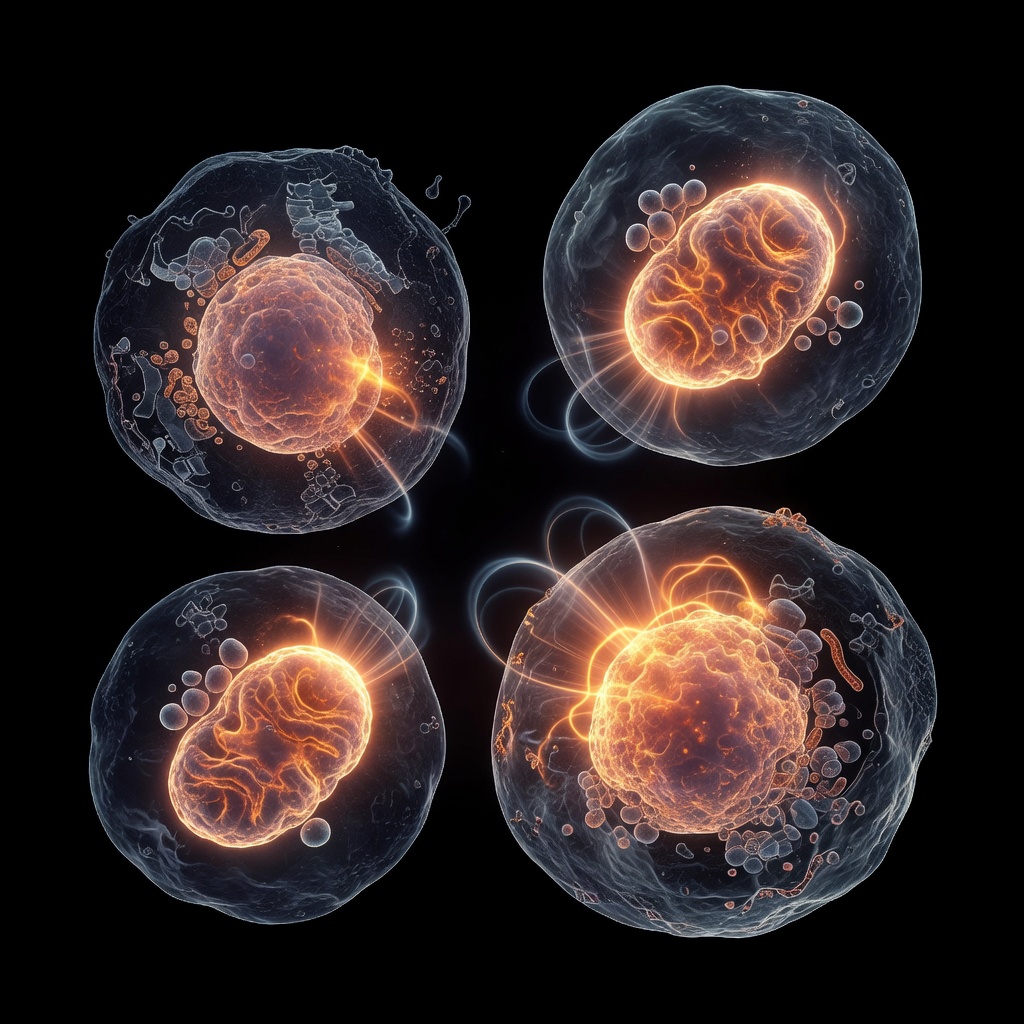
The Blood-Brain Barrier (BBB) is the physiological sentry of the central nervous system (CNS). At the heart of this barrier lies the neurovascular unit, where brain microvascular endothelial cells (BMECs) are sealed by a sophisticated array of transmembrane proteins known as tight junctions (TJs). Among these, Claudin-5 is arguably the most critical component, acting as the primary molecular gatekeeper that restricts paracellular permeability. When Claudin-5 expression is downregulated, the structural integrity of the BBB collapses, leading to vasogenic edema and neuroinflammation.
The Role of Claudin-5 in Barrier Integrity
Claudin-5 is a 24-kDa integral membrane protein. Its extracellular loops interact with adjacent cells to create a selective permeability barrier. It serves as a size-selective sieve, preventing large plasma proteins and neurotoxins from infiltrating the brain parenchyma. The loss of Claudin-5 leads to increased electrical resistance across the endothelium and a breakdown of the paracellular barrier.
Transcriptional Regulation and Epigenetic Control
Downregulation of Claudin-5 often begins at the transcriptional level. Hypoxia, a common feature in ischemic injury, induces the activation of Hypoxia-Inducible Factor 1-alpha (HIF-1α). HIF-1α acts as a transcriptional repressor of the CLDN5 gene, binding to the promoter region and suppressing the expression of mRNA. Furthermore, epigenetic modifications such as histone deacetylation by HDAC inhibitors have been shown to modulate CLDN5 expression. Changes in the methylation status of the gene's promoter region are now recognized as a primary root cause of chronic BBB dysfunction in neurodegenerative conditions.
Inflammatory Signaling Cascades
The inflammatory milieu is a potent disruptor of Claudin-5. Pro-inflammatory cytokines, specifically Tumor Necrosis Factor-alpha (TNF-α) and Interleukin-1 beta (IL-1β), trigger signaling cascades that result in the internalization and degradation of Claudin-5. These cytokines activate the NF-κB pathway, which subsequently upregulates Matrix Metalloproteinases (MMPs), particularly MMP-9. Once activated, MMP-9 proteolytically cleaves Claudin-5 at the extracellular junction, effectively 'unzipping' the barrier.
Post-Translational Modifications and Trafficking
Beyond transcriptional suppression, the physical removal of Claudin-5 from the cell membrane is a critical failure point. In the presence of oxidative stress, Claudin-5 undergoes phosphorylation at specific threonine residues, which destabilizes its association with the scaffolding protein ZO-1 (Zonula Occludens-1). Once detached from the cytoskeleton, the protein is internalized into endosomes and routed for lysosomal or proteasomal degradation. This trafficking defect means that even if synthesis is adequate, the barrier remains porous because the functional protein is not localized to the inter-endothelial junction.
Clinical Implications and Therapeutic Avenues
The root-cause management of BBB hyperpermeability necessitates a move away from generic anti-inflammatories toward targeted molecular stabilization. Future therapies aimed at preventing the cleavage of Claudin-5 via MMP-9 inhibitors, or promoting its stabilization within the tight junction complex through cyclic peptide mimetics, offer hope for conditions ranging from traumatic brain injury to Alzheimer’s disease.
Conclusion
Claudin-5 downregulation is not merely a consequence of disease but a fundamental driver of neurological decline. By understanding the intricate balance of transcriptional control, inflammatory cleavage, and cytoskeletal anchoring, we can develop precision interventions that restore the sanctity of the blood-brain barrier.
This article is provided for informational and educational purposes only. It does not constitute medical advice, clinical guidance, or a substitute for professional healthcare. Information reflects cited research at time of publication. Always consult a qualified healthcare professional before acting on any health information.
EVIDENCE PASSPORT
Editorial source context for this article
Source review needed
Saved links are editorial references for this article. They may support specific claims rather than every sentence. Open and assess each source in context. This passport does not independently verify them.
Editorial context
A complete editorial reading has not been recorded for this article, and no source links are saved on its record.
Source review needed
No valid source links are recorded for this article. Supplementary research, where available, is listed separately below.
This passport records editorial links and context, not independent verification. Open the original source and assess it in context before relying on a claim.
Medical Disclaimer
The information in this article is for educational purposes only and does not constitute medical advice, diagnosis, or treatment. Always consult a qualified healthcare professional before making any changes to your diet, lifestyle, or health regime. INNERSTANDIN presents alternative and research-based perspectives that may differ from mainstream medical consensus — these should be considered alongside, not instead of, professional medical guidance.
Read Full DisclaimerContinue the thread
Keep this question moving.
Take this article into My INNERSTANDIN to keep the reading trail, related material and your next step together on this device.
Explore this in the Body Map
Explore related body structures and their educational pages in the interactive Body Map.
Dig deeper in the Library
Free, longform PDF volumes that go beyond headlines into mechanisms and references.