
Molecular Mechanisms of Myofibroblast Transformation in Palmar Fibromatosis
Discuss this resourceUpdated August 2026
An in-depth analysis of the cellular pathways driving myofibroblast differentiation in Dupuytren’s disease, exploring TGF-beta signaling, mechanical stress, and potential therapeutic interventions for fascial health.
Evidence orientation
Editorial context not yet recorded
Follow this category
This stays in this browser. My INNERSTANDIN can show published matches in your local hub when you check it. It does not send email, push, or alert notifications.
Local learning review
A private browser aid for revisiting ideas. It is not an alert or a health recommendation.
Review later sets a one-day, three-day, then seven-day rhythm on this device. Choose it only when you want to revisit this article.
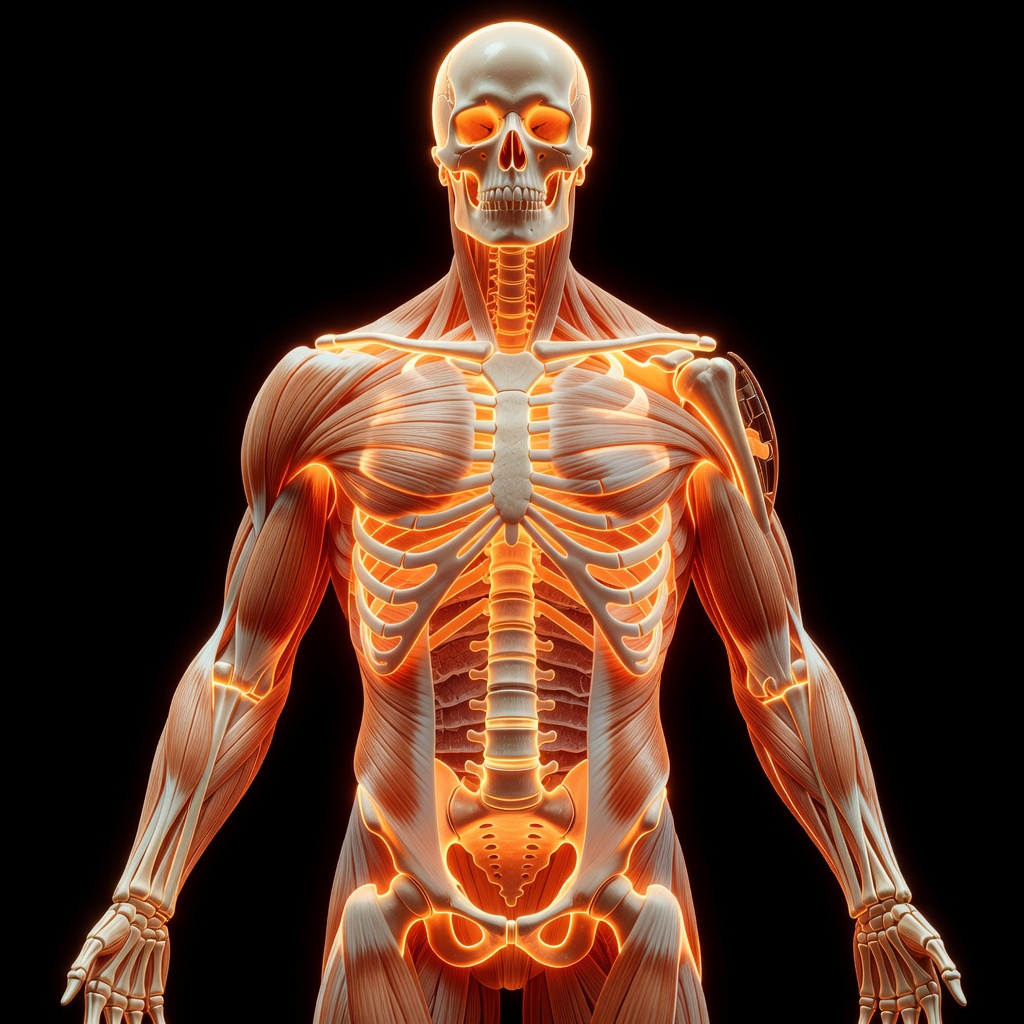
The Fascial Dilemma: Understanding Palmar Fibromatosis
Palmar fibromatosis, clinically known as Dupuytren’s disease, represents a progressive fibroproliferative disorder of the hand's palmar fascia. At the heart of this condition lies a fundamental cellular shift: the transformation of quiescent fibroblasts into contractile myofibroblasts. This transformation is the primary driver of the contractures that characterize the disease.
The Fibroblast to Myofibroblast Transition (FMT)
In a healthy state, fibroblasts function to maintain the extracellular matrix (ECM). However, in Dupuytren’s, a pathological cascade triggers the expression of alpha-smooth muscle actin (α-SMA). This marker is the hallmark of the myofibroblast—a hybrid cell that possesses both the secretory capacity of a fibroblast and the contractile properties of a smooth muscle cell.
Molecular Drivers: The TGF-β Pathway
Transforming Growth Factor-beta (TGF-β) is widely recognized as the master regulator of FMT. In the palmar fascia of patients, high levels of TGF-β1 create a pro-fibrotic environment. This signaling activates SMAD proteins, which translocate to the cell nucleus to upregulate genes responsible for increased collagen deposition and α-SMA production. This creates a self-perpetuating loop of fibrosis.
Mechanical Transduction and Stiffness
Beyond chemical signaling, mechanical forces play a crucial role. Fibroblasts are sensitive to the stiffness of their environment. Increased ECM stiffness (often caused by initial collagen cross-linking) activates mechanosensitive pathways like YAP/TAZ. These proteins act as transcriptional co-activators that drive the myofibroblast phenotype in response to mechanical tension, effectively making the disease a mechanical feedback loop: more fibrosis increases stiffness, which in turn stimulates more myofibroblast activity.
Root-Cause Perspectives
While genetic predisposition is a significant factor (particularly variants in Wnt signaling genes), modern research focuses on the micro-environmental triggers. Chronic oxidative stress, low-grade inflammation, and disruption of local homeostasis appear to prime the fascia for this transformative shift. Addressing these underlying systemic drivers is essential for shifting the therapeutic focus from surgical correction to disease-modifying prevention.
Future Directions
Understanding the molecular handshake between TGF-β signaling and mechanotransduction opens doors for targeted therapy. By interrupting the signaling pathways that stabilize the myofibroblast phenotype, clinicians hope to one day halt progression before clinical contractures occur. For now, maintaining fascial health and reducing chronic systemic inflammation remain the primary strategies for those at risk.
This article is provided for informational and educational purposes only. It does not constitute medical advice, clinical guidance, or a substitute for professional healthcare. Information reflects cited research at time of publication. Always consult a qualified healthcare professional before acting on any health information.
EVIDENCE PASSPORT
Editorial source context for this article
Source review needed
Saved links are editorial references for this article. They may support specific claims rather than every sentence. Open and assess each source in context. This passport does not independently verify them.
Editorial context
A complete editorial reading has not been recorded for this article, and no source links are saved on its record.
Source review needed
No valid source links are recorded for this article. Supplementary research, where available, is listed separately below.
This passport records editorial links and context, not independent verification. Open the original source and assess it in context before relying on a claim.
Medical Disclaimer
The information in this article is for educational purposes only and does not constitute medical advice, diagnosis, or treatment. Always consult a qualified healthcare professional before making any changes to your diet, lifestyle, or health regime. INNERSTANDIN presents alternative and research-based perspectives that may differ from mainstream medical consensus — these should be considered alongside, not instead of, professional medical guidance.
Read Full DisclaimerContinue the thread
Keep this question moving.
Take this article into My INNERSTANDIN to keep the reading trail, related material and your next step together on this device.