Molecular Mimicry and Basal Ganglia Dysfunction: Decoding the Pathophysiology of PANDAS
Discuss this resourceUpdated August 2026
An exploration into how post-streptococcal autoimmune responses trigger basal ganglia dysfunction, leading to the neuropsychiatric symptoms characteristic of PANDAS.
Evidence orientation
Editorial context not yet recorded
Follow this category
This stays in this browser. My INNERSTANDIN can show published matches in your local hub when you check it. It does not send email, push, or alert notifications.
Local learning review
A private browser aid for revisiting ideas. It is not an alert or a health recommendation.
Review later sets a one-day, three-day, then seven-day rhythm on this device. Choose it only when you want to revisit this article.
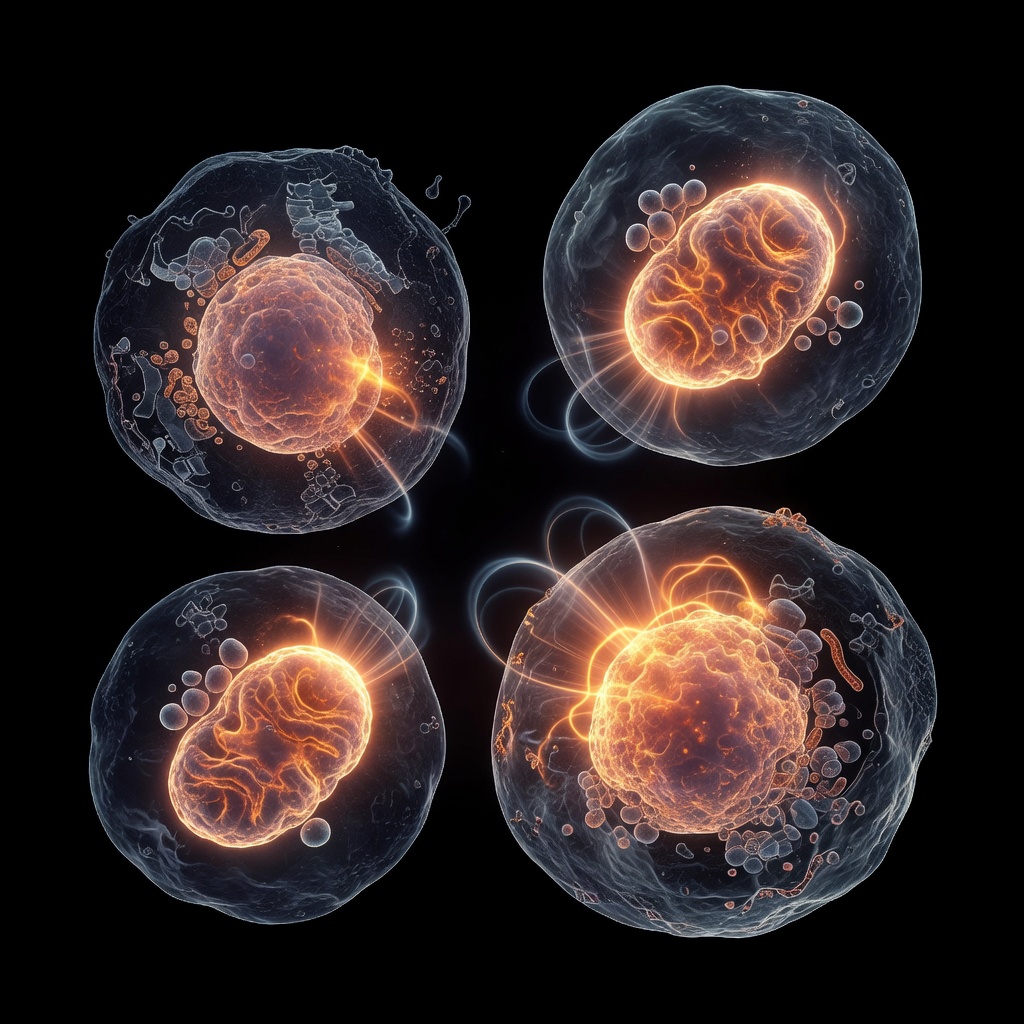
PANDAS—Pediatric Autoimmune Neuropsychiatric Disorders Associated with Streptococcal infections—represents a critical intersection between immunology and neurology. At INNERSTANDING, we delve into the root cause: molecular mimicry.
The Mechanism of Molecular Mimicry
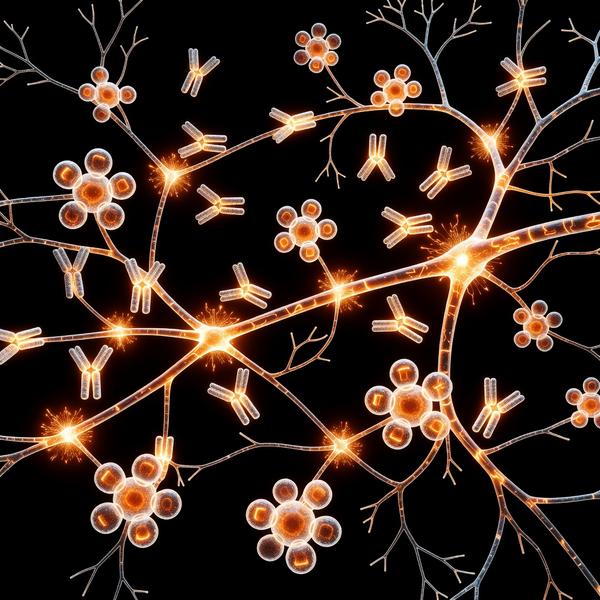
Molecular mimicry occurs when the immune system, in its attempt to neutralize Group A Beta-Hemolytic Streptococcus (GABHS), creates antibodies that cross-react with host tissues. The antigens on the surface of the bacteria share structural similarities with proteins found in the human brain, specifically within the basal ganglia.
Basal Ganglia: The Command Centre Under Siege
The basal ganglia are a collection of nuclei responsible for motor control, executive function, and emotional regulation. In PANDAS, the cross-reactive antibodies cross the blood-brain barrier and bind to neuronal receptors (such as dopamine D1 and D2 receptors). This binding disrupts neural signaling, manifesting as the acute onset of tics, obsessive-compulsive behaviors, and emotional lability.
The Neuro-Inflammatory Cascade
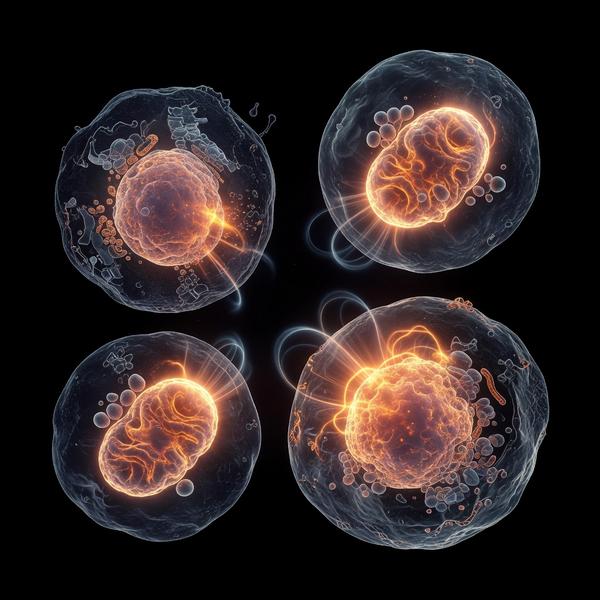
Beyond simple binding, these antibodies trigger an inflammatory cascade. Microglial activation leads to the release of pro-inflammatory cytokines, which further damage synaptic pathways. This is not merely a psychiatric condition; it is an neuro-inflammatory state requiring a root-cause approach that addresses both the lingering antigenic triggers and the modulated immune response.
Integrative Perspectives
Addressing PANDAS requires a multi-pronged approach: clearing the underlying streptococcal reservoir, calming the immune system via dietary and environmental interventions, and supporting neurological recovery through targeted nutritional therapy. By understanding the molecular choreography of this condition, we can move beyond symptom management toward true recovery.
This article is provided for informational and educational purposes only. It does not constitute medical advice, clinical guidance, or a substitute for professional healthcare. Information reflects cited research at time of publication. Always consult a qualified healthcare professional before acting on any health information.
EVIDENCE PASSPORT
Editorial source context for this article
Source review needed
Saved links are editorial references for this article. They may support specific claims rather than every sentence. Open and assess each source in context. This passport does not independently verify them.
Editorial context
A complete editorial reading has not been recorded for this article, and no source links are saved on its record.
Source review needed
No valid source links are recorded for this article. Supplementary research, where available, is listed separately below.
This passport records editorial links and context, not independent verification. Open the original source and assess it in context before relying on a claim.
Medical Disclaimer
The information in this article is for educational purposes only and does not constitute medical advice, diagnosis, or treatment. Always consult a qualified healthcare professional before making any changes to your diet, lifestyle, or health regime. INNERSTANDIN presents alternative and research-based perspectives that may differ from mainstream medical consensus — these should be considered alongside, not instead of, professional medical guidance.
Read Full DisclaimerContinue the thread
Keep this question moving.
Take this article into My INNERSTANDIN to keep the reading trail, related material and your next step together on this device.
Explore this in the Body Map
Explore related body structures and their educational pages in the interactive Body Map.
Dig deeper in the Library
Free, longform PDF volumes that go beyond headlines into mechanisms and references.
RABBIT HOLE
Follow the biological thread deeper