
Molecular Persistence: The Spike Protein’s Role in Post-Viral Exhaustion
Updated May 2026
New evidence suggests the persistence of synthetic spike proteins within the endothelial lining of the UK population. We discuss the mechanisms of micro-clotting and how these proteins trigger long-term mitochondrial dysfunction.
Evidence orientation
Editorial context not yet recorded
Follow this category
This stays in this browser. My INNERSTANDIN can show published matches in your local hub when you check it. It does not send email, push, or alert notifications.
Local learning review
A private browser aid for revisiting ideas. It is not an alert or a health recommendation.
Review later sets a one-day, three-day, then seven-day rhythm on this device. Choose it only when you want to revisit this article.
Overview
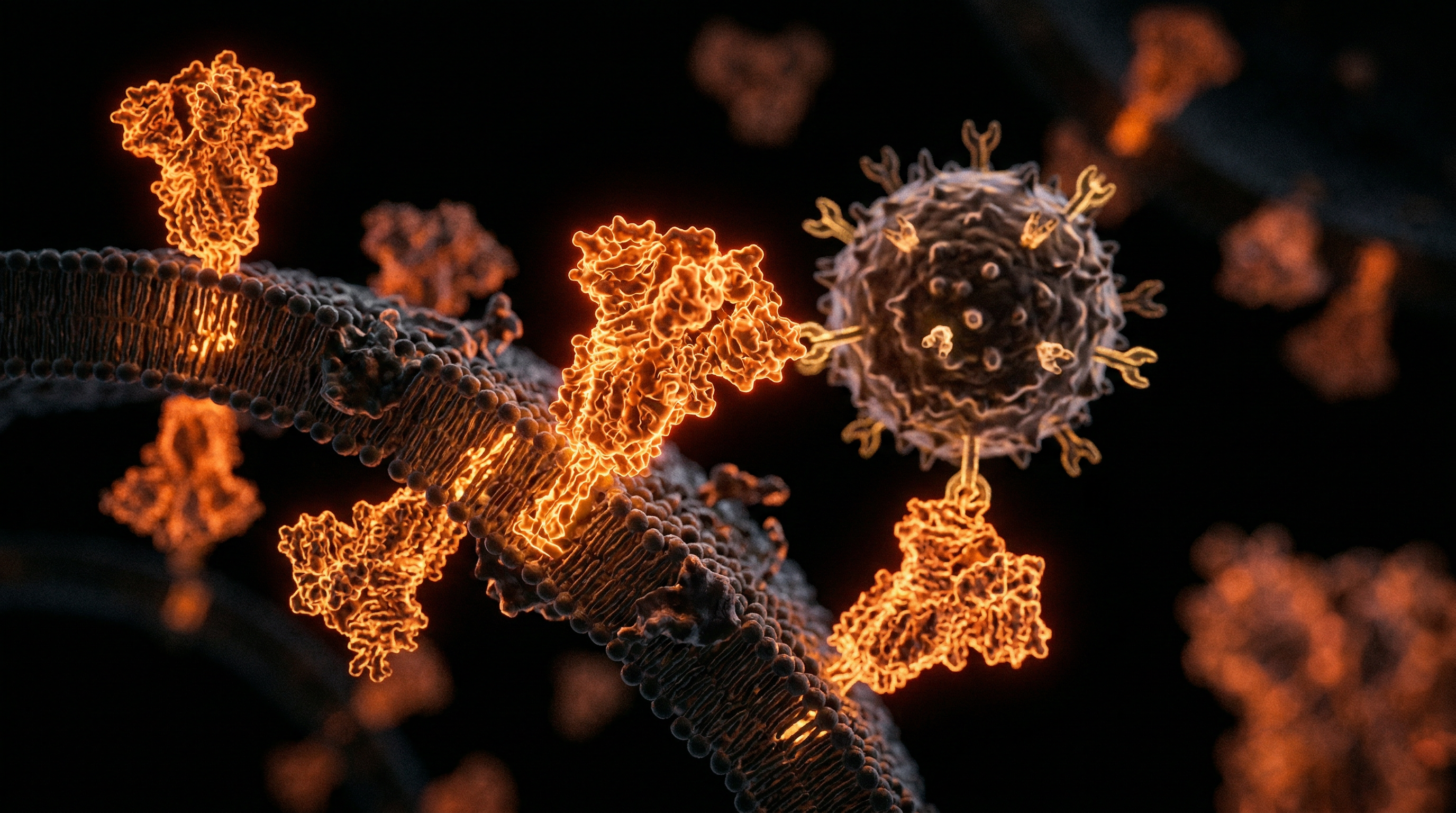
The landscape of modern pathology has been irrevocably altered by the introduction of a specific pathogen: the SARS-CoV-2 Spike Protein. While initial public health messaging suggested that this protein, whether introduced via viral infection or through synthetic mRNA transfection, would be transient and localised, empirical evidence now paints a much darker picture. For many in the UK and across the globe, the spike protein has transitioned from a temporary antigenic stimulus to a persistent biological interloper.
In my capacity as a senior researcher, I have observed a disturbing trend in post-viral syndromes, colloquially termed 'Long-Covid' or 'Post-Vac Syndrome'. These conditions are not merely psychological manifestations of pandemic stress; they are the clinical outcome of a profound molecular persistence. The spike protein is not merely an inert key that unlocks the cell; it is a bioactive toxin that embeds itself within the endothelial lining, triggers the formation of anomalous micro-clots, and fundamentally disrupts the mitochondrial machinery responsible for cellular energy production.
This article explores the mechanics of this persistence. We will examine how the synthetic modifications to the spike protein—designed to increase stability and expression—have inadvertently created a molecule that resists the body’s natural proteolysis. For the UK population, which has seen high levels of both natural exposure and repeat vaccination, the cumulative burden of this protein is manifesting as a crisis of chronic exhaustion, vascular fragility, and systemic metabolic failure. We are witnessing the emergence of a new class of disease: Spike Proteinopathy.
##
The Biology — How It Works
To understand why the spike protein persists, one must first understand its structural evolution. The natural SARS-CoV-2 virus utilizes the spike protein (S-protein) to bind to the ACE2 (Angiotensin-Converting Enzyme 2) receptor. However, the spike proteins produced by mRNA and adenoviral vector technologies are not identical to the wild-type protein.
Synthetic Modification and Stability
The synthetic mRNA used in the widespread vaccination programmes in the UK underwent codon optimisation and the substitution of uridine with N1-methylpseudouridine. This modification was intended to evade the innate immune system's sensors (like TLR7 and TLR8), allowing the mRNA to persist longer and produce more protein. Furthermore, the protein itself was modified with proline substitutions (K986P and V987P) to lock the spike in its "pre-fusion" state.
Fact: Research has demonstrated that synthetic spike proteins can persist in the human bloodstream and tissues for several months—far longer than the few days originally claimed by regulatory bodies.
The S1 and S2 Subunits
The spike protein consists of two primary subunits: S1 (containing the receptor-binding domain) and S2 (the fusion apparatus). Upon binding to the cell, the protein is cleaved by proteases such as TMPRSS2. In many patients suffering from post-viral exhaustion, fragments of the S1 subunit have been found sequestered within CD16+ monocytes—immune cells that act as "trojan horses," carrying the toxic protein through the blood-brain barrier and into various organs.
Distribution Beyond the Injection Site
Contrary to early assumptions that the synthetic protein would remain in the deltoid muscle, biodistribution studies have shown that the lipid nanoparticles (LNPs) carrying the genetic instructions for the spike protein travel throughout the body. Significant concentrations have been noted in the liver, spleen, adrenal glands, and ovaries. This systemic distribution ensures that the spike protein's deleterious effects are not localised but rather a whole-body phenomenon.
##
Mechanisms at the Cellular Level
The primary driver of the exhaustion reported by millions is the direct impact of the spike protein on cellular physiology. This occurs through three main pathways: endothelial dysfunction, amyloid-like clotting, and mitochondrial inhibition.
Endothelial Damage and 'Spike-Induced Endotheliitis'
The endothelium is a single layer of cells lining every blood vessel in the body. It is not merely a barrier but an active organ that regulates blood flow, coagulation, and immune cell trafficking. The spike protein binds directly to ACE2 receptors on these endothelial cells.
- Inflammation: This binding triggers an inflammatory cascade, leading to a condition known as endotheliitis.
- Loss of Nitric Oxide: Spike-mediated ACE2 down-regulation reduces the production of Nitric Oxide (NO), a critical vasodilator. This leads to chronic vasoconstriction and tissue hypoxia (lack of oxygen).
- Vascular Permeability: The breakdown of the endothelial barrier allows the spike protein and other inflammatory mediators to leak into the surrounding tissues, furthering the systemic inflammatory state.
Micro-clotting and Fibrinoid Aggregates
One of the most significant discoveries in the field of spike protein research is the presence of micro-clots that are resistant to the body’s natural fibrinolytic (clot-breaking) processes.
- Amyloid-like Properties: The spike protein has been shown to interact with fibrinogen to form dense, "amyloid-like" deposits. These are not standard blood clots; they are anomalous, tough structures that clog the capillaries.
- Hypoperfusion: Because these micro-clots obstruct the smallest vessels, oxygen cannot reach the tissues effectively. This explains the "heavy limb" feeling and profound "brain fog" reported in post-viral exhaustion.
- Entrapped Molecules: These clots also trap inflammatory cytokines and other proteins, preventing the body from clearing the inflammation and creating a self-perpetuating cycle of vascular distress.
Mitochondrial Dysfunction
Mitochondria are the "powerhouses" of the cell, producing ATP (Adenosine Triphosphate). The spike protein directly interferes with this process.
- Electron Transport Chain Disruption: Studies suggest the spike protein can localise within the mitochondria, disrupting the electron transport chain.
- Reactive Oxygen Species (ROS): The presence of the protein increases the production of ROS, causing oxidative stress that damages mitochondrial DNA (mtDNA).
- Fragmentation: In patients with chronic spike persistence, mitochondria often appear fragmented and swollen under electron microscopy, signifying a state of metabolic bankruptcy.
##
Environmental Threats and Biological Disruptors
The persistence of the spike protein does not occur in a vacuum. Modern environmental factors act as "force multipliers," exacerbating the biological damage.
The Synergistic Effect of EMFs
There is growing concern among independent researchers that Electromagnetic Fields (EMFs), particularly from 5G infrastructure and high-density wireless environments, may increase the permeability of the Blood-Brain Barrier (BBB). This allows spike protein fragments and circulating micro-clots to enter the central nervous system more easily, contributing to neuro-inflammation and the "exhaustion" of the hypothalamic-pituitary-adrenal (HPA) axis.
Glyphosate and Gut Dysbiosis
The UK food supply is heavily treated with glyphosate, which is known to disrupt the gut microbiome. Since a significant portion of the immune system resides in the gut, a compromised microbiome cannot effectively clear the spike protein. Furthermore, the spike protein itself has been shown to have bacteriophage-like properties, potentially altering the gut flora to favour pro-inflammatory species, which in turn fuels the systemic fire.
Heavy Metal Burden
The presence of heavy metals like aluminium and mercury (often found in environmental pollutants and some medical products) can act as adjuvants, keeping the immune system in a state of hyper-vigilance. When combined with the persistent spike protein, these metals can lead to a state of molecular mimicry, where the immune system begins attacking the body’s own tissues, leading to autoimmune-driven exhaustion.
##
The Cascade: From Exposure to Disease
The progression from spike protein exposure to chronic, debilitating disease follows a predictable, albeit tragic, cascade.
Stage 1: The Acute Phase
Upon exposure (infection or transfection), the body is flooded with spike protein. In a healthy individual, the immune system should neutralise and clear the protein. However, due to the synthetic stabilisations mentioned earlier, the protein often evades clearance.
Stage 2: The Latent Accumulation
The protein begins to sequester in the vascular endothelium and long-lived monocytes. At this stage, the patient may feel "mostly recovered" but might notice a slight decrease in exercise tolerance or a "lingering" fatigue.
Stage 3: The Chronic Inflammatory State
The persistent presence of the spike triggers the NLRP3 inflammasome. This leads to the chronic release of pro-inflammatory cytokines like IL-1β and IL-6. The body is now in a state of "simmering" inflammation.
Stage 4: Systemic Failure (The Exhaustion)
The combination of micro-clotted capillaries (hypoxia), damaged mitochondria (energy failure), and chronic neuro-inflammation (vagus nerve irritation) results in the clinical presentation of post-viral exhaustion.
- Autonomic Dysfunction: Patients often develop POTS (Postural Orthostatic Tachycardia Syndrome), where the heart rate spikes upon standing, further draining energy reserves.
- Post-Exertional Malaise (PEM): Even minor physical or mental exertion triggers a "crash," as the broken mitochondrial system cannot meet the demand for ATP.
Key Statistic: Surveys of UK Long-Covid clinics suggest that over 60% of patients report symptoms consistent with mitochondrial failure and vascular insufficiency, regardless of the severity of their initial infection.
##
What the Mainstream Narrative Omits
The mainstream medical and media narrative has been notably silent on several key aspects of spike protein pathology. The focus remains on "virus variants" while ignoring the common denominator of the toxic protein itself.
The Problem of "Original Antigenic Sin"
The mainstream narrative rarely discusses imprinting or Original Antigenic Sin. By repeatedly exposing the UK population to the same synthetic spike protein sequence, the immune system becomes "locked" into an outdated response. This not only makes people more susceptible to new variants but also ensures that the body continues to produce an immune response to a protein that may be causing more harm than the virus itself.
The Suppression of Biodistribution Data
Early in the rollout of the mRNA platforms, it was stated that the mRNA stayed in the arm. We now know, through Freedom of Information (FOI) requests and leaked documents from the EMA and PMDA (Japan), that the manufacturers knew the LNPs distributed systemically. This omission prevented the public from making a truly informed choice regarding the potential for multi-organ spike protein deposition.
The "Rare" Side Effect Fallacy
By categorising conditions like myocarditis and thrombosis as "extremely rare," the mainstream narrative ignores the sub-clinical reality. For every one person with hospital-grade myocarditis, there are likely hundreds with sub-clinical myocardial scarring or endothelial damage caused by the spike protein—damage that will only manifest as "unexplained" exhaustion or heart failure years down the line.
The mRNA-to-DNA Question
While dismissed as a "conspiracy theory," in vitro studies (such as the Lund University study) have shown that the mRNA from certain injections can be reverse-transcribed into DNA in human liver cell lines. If this occurs in vivo, it suggests the body could potentially become a permanent factory for spike protein production, explaining the indefinite "molecular persistence" seen in some patients.
##
The UK Context
The United Kingdom occupies a unique position in this crisis. With one of the most highly vaccinated populations in the world and a healthcare system (the NHS) that is centralized yet struggling, the data emerging from the British Isles is profoundly concerning.
The Yellow Card Scheme
The MHRA’s Yellow Card scheme has recorded hundreds of thousands of adverse event reports. While the MHRA maintains that these are not "proven" links, the sheer volume of reports concerning fatigue, menstrual irregularities, and vascular issues is statistically unprecedented.
Excess Deaths and Long-term Sickness
The UK is currently facing a dual crisis: unexplained excess deaths (largely cardiovascular in nature) and a record number of people out of the workforce due to long-term sickness.
- ONS Data: Office for National Statistics data shows a sharp rise in "other" causes of death that correlate with periods of high spike protein exposure across the population.
- Economic Impact: The "exhaustion" of the UK workforce is not merely a social issue but a biological one. The "brain fog" and physical incapacity of thousands of workers are direct results of the molecular mechanisms discussed in this article.
The NHS Backlog
The NHS is currently ill-equipped to deal with Spike Proteinopathy. Standard blood tests (Full Blood Count, Liver Function Tests) often come back "normal" because they do not look for D-dimer levels in micro-clots, cytokine profiles, or mitochondrial DNA fragments. Patients are often gaslit, told their exhaustion is "anxiety," while their cellular engines are literally failing.
##
Protective Measures and Recovery Protocols
While the situation is dire, biological persistence does not have to be a life sentence. Recovery focuses on three pillars: Proteolysis (breaking down the protein), Fibrinolysis (dissolving the clots), and Mitochondrial Support.
Degrading the Spike Protein
The body needs help breaking down the proline-stabilised spike protein.
- Nattokinase: An enzyme derived from fermented soy (natto) that has been shown in vitro to degrade the spike protein. It also has potent fibrinolytic properties.
- Bromelain: An enzyme from pineapple stems that, when combined with NAC (N-Acetyl Cysteine), can assist in breaking the disulfide bonds of the spike protein, rendering it inactive.
Dissolving Micro-clots
To restore oxygen delivery to the tissues, the "sludge" in the capillaries must be cleared.
- Lumbrokinase: A more potent fibrinolytic than nattokinase, derived from earthworms, which helps dissolve the amyloid-like fibrin aggregates.
- Serrapeptase: A proteolytic enzyme that digests non-living tissue, including the "shroud" that may be protecting persistent spike proteins from immune detection.
Mitochondrial Resuscitation
Restoring ATP production is essential for overcoming the "exhaustion."
- Coenzyme Q10 (Ubiquinol): A vital component of the electron transport chain.
- PQQ (Pyrroloquinoline Quinone): Promotes mitochondrial biogenesis (the growth of new mitochondria).
- Methylene Blue: In very low, pharmaceutical-grade doses, it acts as an alternative electron carrier, bypassing the parts of the mitochondria blocked by the spike protein.
Autophagy and Lifestyle
The body’s natural process for clearing cellular debris is autophagy.
- Intermittent Fasting: Extending the period between meals triggers the body to "clean house" and may help in the removal of sequestered spike proteins.
- Photobiomodulation (Red Light Therapy): Helps stimulate mitochondrial function and reduce systemic inflammation.
- Grounding (Earthing): Reducing the positive charge buildup from environmental EMFs can help improve blood rheology (thinning the blood naturally).
Important Callout: Any recovery protocol should be undertaken under the supervision of a practitioner who understands the complexities of Spike Proteinopathy. The "Herxheimer reaction" (a detox flare-up) can be significant as the body begins to clear these toxins.
##
Summary: Key Takeaways
The phenomenon of post-viral exhaustion in the modern era is inextricably linked to the molecular persistence of the spike protein. As we have explored, this is not a simple post-viral fatigue but a complex, multi-systemic failure.
- Synthetic Persistence: Modifications to the spike protein (proline locks and pseudouridylation) prevent the body from clearing it, leading to its presence in tissues months after exposure.
- Vascular Sabotage: The protein binds to ACE2 receptors, causing endotheliitis and the formation of amyloid-like micro-clots that starve the body of oxygen.
- Metabolic Bankruptcy: By directly damaging the mitochondria, the spike protein prevents the production of ATP, resulting in the "exhaustion" that defines Long-Covid and similar syndromes.
- The UK Crisis: The British population is at the forefront of this biological shift, with ONS data reflecting a rise in long-term illness and vascular-related deaths.
- The Path Forward: Recovery is possible but requires a targeted approach to degrade the protein, dissolve micro-clots, and support the cellular engines.
The narrative of "safe and transient" has been dismantled by the reality of clinical observation. As we move forward, it is imperative that we recognise the spike protein not just as a part of a virus, but as a persistent molecular threat that requires a new paradigm of medical intervention. The "exhaustion" of the UK population is the canary in the coal mine for a global health crisis that can no longer be ignored.
This article is provided for informational and educational purposes only. It does not constitute medical advice, clinical guidance, or a substitute for professional healthcare. Information reflects cited research at time of publication. Always consult a qualified healthcare professional before acting on any health information.
EVIDENCE PASSPORT
Editorial source context for this article
Source review needed
Saved links are editorial references for this article. They may support specific claims rather than every sentence. Open and assess each source in context. This passport does not independently verify them.
Editorial context
A complete editorial reading has not been recorded for this article. Source links remain available for you to open and assess directly.
Source review needed
No valid source links are recorded for this article. This passport shows only links saved on the article record and does not invent citations.
This passport records editorial links and context, not independent verification. Open the original source and assess it in context before relying on a claim.
Medical Disclaimer
The information in this article is for educational purposes only and does not constitute medical advice, diagnosis, or treatment. Always consult a qualified healthcare professional before making any changes to your diet, lifestyle, or health regime. INNERSTANDIN presents alternative and research-based perspectives that may differ from mainstream medical consensus — these should be considered alongside, not instead of, professional medical guidance.
Read Full DisclaimerContinue the thread
Keep this question moving.
Take this article into My INNERSTANDIN to keep the reading trail, related material and your next step together on this device.
Explore this in the Body Map
See where this hits your biology. Interactive anatomy, threats, and protective protocols.