
Mycotoxin Bioaccumulation and the Erosion of the Mucosal Interface: A Root-Cause Analysis
Discuss this resourceUpdated August 2026
An in-depth investigation into the mechanisms by which secondary fungal metabolites bioaccumulate within human tissue and systematically degrade the intestinal barrier, driving chronic permeability and systemic inflammation.
Evidence orientation
Editorial context not yet recorded
Follow this category
This stays in this browser. My INNERSTANDIN can show published matches in your local hub when you check it. It does not send email, push, or alert notifications.
Local learning review
A private browser aid for revisiting ideas. It is not an alert or a health recommendation.
Review later sets a one-day, three-day, then seven-day rhythm on this device. Choose it only when you want to revisit this article.
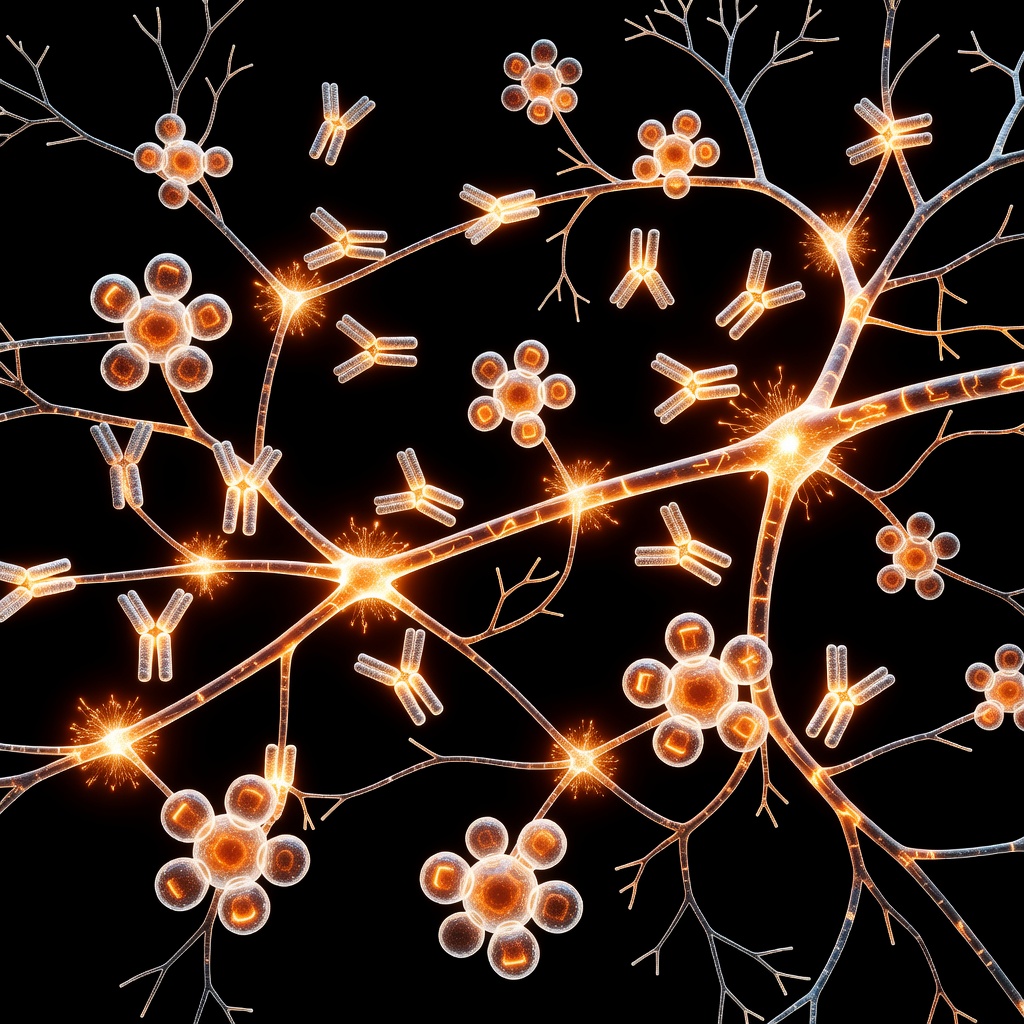
Bioaccumulation occurs when the rate of toxin ingestion and absorption exceeds the body's capacity for detoxification and excretion. This is particularly prevalent with toxins like Ochratoxin A (OTA) and Aflatoxin B1.\n\nThe primary mechanism of bioaccumulation involves the enterohepatic circulation. Once absorbed in the small intestine, mycotoxins travel to the liver, where they are conjugated. However, if the liver is overwhelmed or if the gut microbiome is imbalanced (dysbiosis), these toxins are often secreted back into the bile and reabsorbed in the distal small intestine. This 'recycling' loop ensures that a single exposure event can lead to prolonged internal exposure, continuously bathing the intestinal lining in pro-inflammatory metabolites.\n\n## Erosion of the Physical Barrier: The Tight Junction Crisis\n\nThe structural integrity of the gut barrier depends on the apical junctional complex, primarily the 'Tight Junctions' (TJs).
These junctions, composed of proteins such as occludin, claudins, and zonula occludens (ZO-1), regulate the paracellular pathway. \n\nMycotoxins like Deoxynivalenol (DON), often referred to as 'vomitoxin,' have been shown to specifically target these proteins. DON inhibits protein synthesis at the ribosomal level—a process known as ribotoxic stress—leading to a rapid downregulation of claudin-3 and claudin-4 expression. When these 'gatekeeper' proteins are compromised, the mucosal interface transforms from a selective barrier into a sieve. This allows for the translocation of lipopolysaccharides (LPS), undigested food proteins, and pathogens into the bloodstream—a state commonly referred to as 'Leaky Gut.'\n\n## Impact on the Mucus Layer and Goblet Cells\n\nBefore reaching the epithelial cells, the first line of defence is the mucus layer. This hydrogel, primarily composed of the mucin MUC2, is secreted by specialised goblet cells.
It serves as a lubricant and a physical trap for pathogens. \n\nResearch indicates that chronic mycotoxin exposure significantly reduces the density of goblet cells and alters the glycosylation patterns of the mucus. For instance, T-2 toxin (a trichothecene) induces apoptosis in goblet cells, leading to a thinning of the protective mucus blanket. Without this buffer, the underlying epithelial monolayer is directly exposed to luminal irritants, accelerating the erosive process and triggering a cascade of local inflammation.\n\n## Oxidative Stress and the Mitochondrial Toll\n\nThe enterocytes (intestinal cells) are high-energy consumers, relying heavily on mitochondrial function for regeneration and barrier maintenance. Mycotoxins are potent inducers of Reactive Oxygen Species (ROS). By disrupting the mitochondrial electron transport chain, mycotoxins like Zearalenone (ZEN) induce oxidative stress that damages cellular lipids and DNA.\n\nThis oxidative burden creates a state of 'metabolic exhaustion' within the gut lining.
When cells cannot produce enough ATP to maintain the energy-dependent tight junctions, the barrier inevitably collapses. Furthermore, the resulting oxidative damage triggers the NF-kB pathway, a master regulator of inflammation, which further increases the production of pro-inflammatory cytokines like IL-6 and TNF-alpha, creating a self-perpetuating cycle of mucosal degradation.\n\n## The Immune Interface: GALT Activation\n\nThe Gut-Associated Lymphoid Tissue (GALT) houses approximately 70% of the body's immune system. The erosion of the mucosal interface by mycotoxins alerts the GALT to a perceived 'invasion.' Mycotoxins can modulate the immune response, often leading to a paradoxical state of both immunosuppression and hyper-inflammation. \n\nWhile mycotoxins suppress the activity of T and B lymphocytes (reducing the body's ability to fight actual infections), they simultaneously trigger an overactive innate immune response. This chronic activation is a root cause of systemic food sensitivities and autoimmune triggers, as the immune system becomes 'primed' to react to any substance crossing the compromised barrier.\n\n## Root-Cause Resolution Strategies\n\nAddressing mycotoxin-induced intestinal permeability requires a multi-faceted approach that goes beyond simple 'gut-healing' protocols:\n\n1. Environmental Remediation: The primary source of exposure (often water-damaged buildings or contaminated food supplies) must be identified and removed.\n2. Binder Therapy: Utilising sequestering agents like activated charcoal, bentonite clay, or zeolite to interrupt the enterohepatic circulation and 'trap' toxins within the intestinal lumen for excretion.\n3. Mucosal Support: Supplementation with L-glutamine, zinc carnosine, and quercetin can help rebuild the epithelial monolayer and stabilise mast cells.\n4. Microbiome Restoration: Specific probiotic strains, such as Lactobacillus rhamnosus, have shown the ability to bind mycotoxins and reduce their bioavailability.\n\n## Conclusion\n\nThe erosion of the mucosal interface via mycotoxin bioaccumulation is a profound example of how environmental factors dictate internal health. By understanding the molecular mechanisms—from tight junction downregulation to mitochondrial oxidative stress—we can move away from treating 'Leaky Gut' as a standalone symptom and address it as a systemic consequence of toxic burden.
True healing of the gut requires the diligent clearance of these fungal metabolites and the restoration of the delicate, yet resilient, mucosal barrier.
This article is provided for informational and educational purposes only. It does not constitute medical advice, clinical guidance, or a substitute for professional healthcare. Information reflects cited research at time of publication. Always consult a qualified healthcare professional before acting on any health information.
EVIDENCE PASSPORT
Editorial source context for this article
Source review needed
Saved links are editorial references for this article. They may support specific claims rather than every sentence. Open and assess each source in context. This passport does not independently verify them.
Editorial context
A complete editorial reading has not been recorded for this article, and no source links are saved on its record.
Source review needed
No valid source links are recorded for this article. Supplementary research, where available, is listed separately below.
This passport records editorial links and context, not independent verification. Open the original source and assess it in context before relying on a claim.
Medical Disclaimer
The information in this article is for educational purposes only and does not constitute medical advice, diagnosis, or treatment. Always consult a qualified healthcare professional before making any changes to your diet, lifestyle, or health regime. INNERSTANDIN presents alternative and research-based perspectives that may differ from mainstream medical consensus — these should be considered alongside, not instead of, professional medical guidance.
Read Full DisclaimerContinue the thread
Keep this question moving.
Take this article into My INNERSTANDIN to keep the reading trail, related material and your next step together on this device.
Explore this in the Body Map
Explore related body structures and their educational pages in the interactive Body Map.
Dig deeper in the Library
Free, longform PDF volumes that go beyond headlines into mechanisms and references.