
Metabolic Flux: Mastering the NAD+/NADH Ratio for Longevity
Published April 2026
Deep dive into why the ratio of NAD+ to NADH is more critical for mitochondrial health and longevity than absolute NAD+ levels alone.
Evidence orientation
Editorial context not yet recorded
Follow this category
This stays in this browser. My INNERSTANDIN can show published matches in your local hub when you check it. It does not send email, push, or alert notifications.
Local learning review
A private browser aid for revisiting ideas. It is not an alert or a health recommendation.
Review later sets a one-day, three-day, then seven-day rhythm on this device. Choose it only when you want to revisit this article.
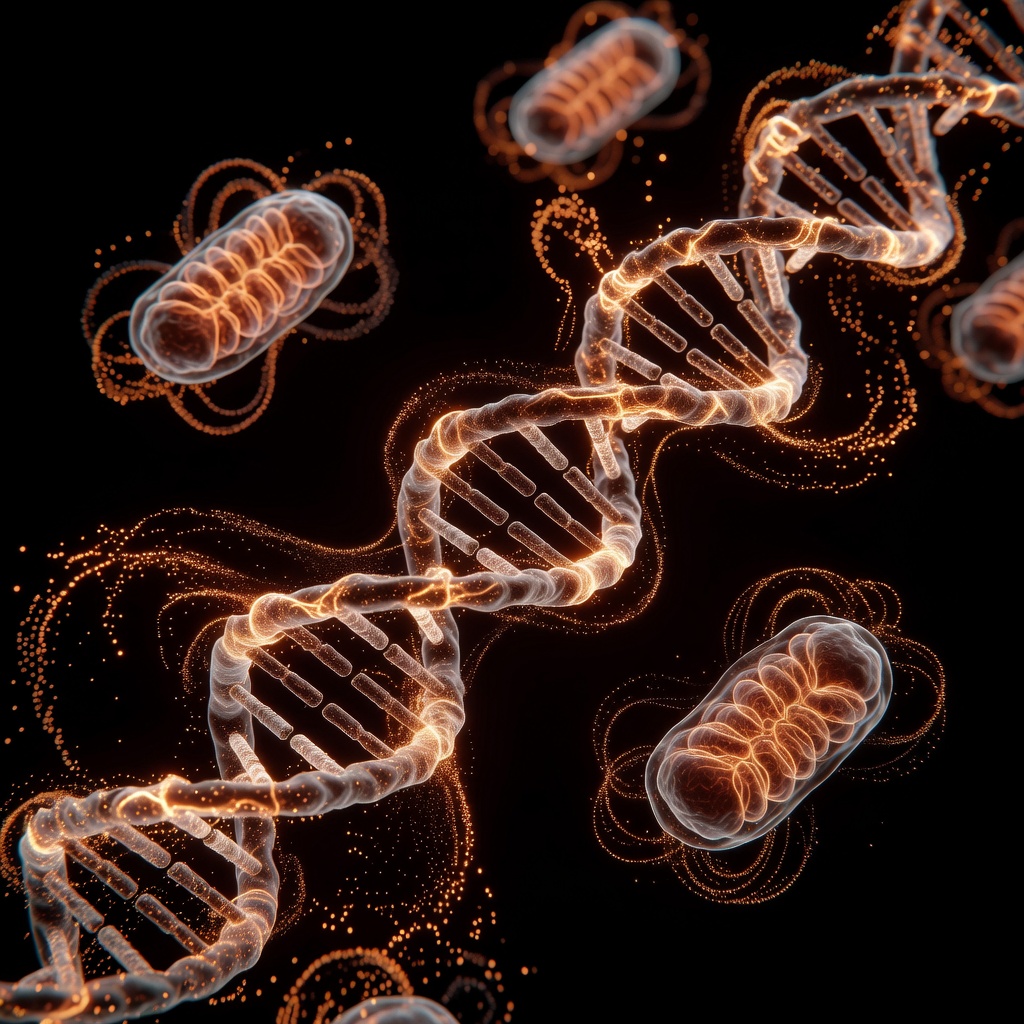
In the world of cellular bioenergetics, the absolute concentration of NAD+ is often less important than the ratio of NAD+ to its reduced form, NADH. This ratio, known as the RedOx potential, is the primary driver of the Electron Transport Chain (ETC) in the mitochondria. A healthy cell maintains a high NAD+/NADH ratio, which creates the thermodynamic 'pull' required to generate ATP efficiently. When this ratio collapses—often due to overnutrition or sedentary behavior—the cell enters a state of reductive stress. In this state, the mitochondria become 'congested', producing excessive Reactive Oxygen Species (ROS) and failing to burn fuel cleanly.
Mainstream narratives focus on 'low NAD+', but the investigative reality is often 'high NADH'. When NADH levels climb relative to NAD+, Sirtuin activity is stifled, regardless of how much total NAD+ is present. This is because NADH can competitively inhibit the very enzymes we are trying to activate. Restoring the ratio requires more than just precursors; it requires the metabolic flux generated by movement and dietary restriction. Exercise, for instance, activates the enzyme AMPK, which increases the expression of NAMPT and shifts the ratio back toward the oxidized state (NAD+).
Similarly, fasting reduces the intake of high-energy electrons, preventing the accumulation of NADH. For the health-literate individual, the focus should be on 'metabolic flexibility'—the ability of the cell to toggle between fuel sources while maintaining a sharp RedOx gradient. This might include the use of exogenous ketones or specific phytonutrients like CoQ10 and PQQ, which support the transfer of electrons and help maintain the NAD+ pool. Understanding the RedOx ratio shifts the perspective from a static 'vitamin deficiency' model to a dynamic 'energy flow' model, where the goal is to maintain the electrical potential of the cellular battery.
This article is provided for informational and educational purposes only. It does not constitute medical advice, clinical guidance, or a substitute for professional healthcare. Information reflects cited research at time of publication. Always consult a qualified healthcare professional before acting on any health information.
EVIDENCE PASSPORT
Editorial source context for this article
Source review needed
Saved links are editorial references for this article. They may support specific claims rather than every sentence. Open and assess each source in context. This passport does not independently verify them.
Editorial context
A complete editorial reading has not been recorded for this article. Source links remain available for you to open and assess directly.
Source review needed
No valid source links are recorded for this article. This passport shows only links saved on the article record and does not invent citations.
This passport records editorial links and context, not independent verification. Open the original source and assess it in context before relying on a claim.
Medical Disclaimer
The information in this article is for educational purposes only and does not constitute medical advice, diagnosis, or treatment. Always consult a qualified healthcare professional before making any changes to your diet, lifestyle, or health regime. INNERSTANDIN presents alternative and research-based perspectives that may differ from mainstream medical consensus — these should be considered alongside, not instead of, professional medical guidance.
Read Full DisclaimerContinue the thread
Keep this question moving.
Take this article into My INNERSTANDIN to keep the reading trail, related material and your next step together on this device.
Explore this in the Body Map
See where this hits your biology. Interactive anatomy, threats, and protective protocols.
Dig deeper in the Library
Free, longform PDF volumes that go beyond headlines into mechanisms and references.