
Neural Hijack: How Ozempic Rewires the Dopamine Reward Circuit
Published April 2026
An investigation into the neurological impact of GLP-1 drugs, exploring how they dampen the brain's dopamine reward system and the potential for long-term emotional anhedonia.
Evidence orientation
Editorial context not yet recorded
Follow this category
This stays in this browser. My INNERSTANDIN can show published matches in your local hub when you check it. It does not send email, push, or alert notifications.
Local learning review
A private browser aid for revisiting ideas. It is not an alert or a health recommendation.
Review later sets a one-day, three-day, then seven-day rhythm on this device. Choose it only when you want to revisit this article.
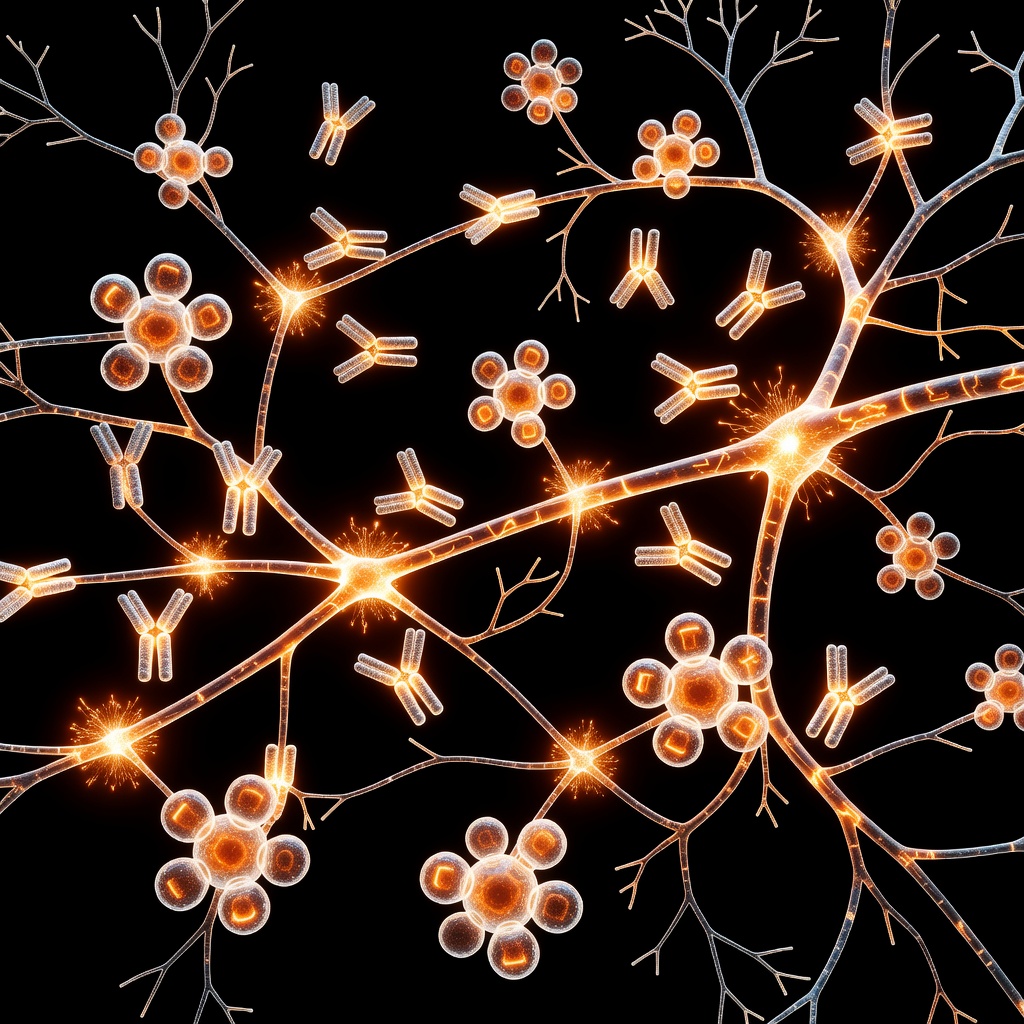
THE MESOLIMBIC PATHWAY INTERFERENCE. GLP-1 receptors are not confined to the gut and pancreas; they are densely expressed in the brain, particularly in the hypothalamus and the ventral tegmental area (VTA). This is where the 'Ozempic Truth' moves from the stomach to the psyche. The VTA is the heart of the mesolimbic dopamine system—the reward circuit that drives us toward food, sex, and social interaction. By activating these receptors, GLP-1 drugs don't just tell the body it is full; they dampen the 'reward' signal itself.
While this is effective for stopping overeating, investigative reports and patient anecdotes suggest a broader 'dampening' effect on life. If the dopamine spike from a meal is suppressed, what happens to the dopamine spike from a hobby, a professional achievement, or an intimate moment? We are witnessing a pharmacological rewiring of the human drive. BEYOND FOOD: BEHAVIORAL ALTERATIONS. The pharmaceutical industry is currently exploring GLP-1s as a treatment for addiction, from alcoholism to smoking.
While this sounds positive, it confirms that the drug's primary action is the modulation of the reward system. For the health-literate adult, this raises concerns about anhedonia—the inability to feel pleasure. If we chemically blunt the peaks of our dopamine response to control weight, we may be inadvertently thinning the texture of our emotional lives. The biological mechanism involves the modulation of excitatory synaptic transmission in the nucleus accumbens. By shifting the 'set point' of reward, we are not just changing what we eat, but how we interact with the world.
THE SEROTONERGIC AND DOPAMINERGIC BALANCE. There is also the matter of the gut-brain axis. 95% of the body's serotonin is produced in the gut. By drastically altering gastric motility and nutrient signalling through GLP-1 agonism, we are sending altered signals up the vagus nerve to the brain. This can lead to shifts in mood, anxiety levels, and sleep patterns. Mainstream clinical trials often overlook these 'soft' psychological markers, focusing instead on hard data like HbA1c and kilograms lost.
However, an investigative approach must account for the neuroplasticity of the brain. Long-term use of high-dose GLP-1 agonists may lead to receptor down-regulation in the reward centers, potentially making it harder for individuals to experience natural joy once the drug is discontinued. The 'Ozempic face' is a known side effect, but the 'Ozempic mind' is a far more profound concern.
This article is provided for informational and educational purposes only. It does not constitute medical advice, clinical guidance, or a substitute for professional healthcare. Information reflects cited research at time of publication. Always consult a qualified healthcare professional before acting on any health information.
EVIDENCE PASSPORT
Editorial source context for this article
Source review needed
Saved links are editorial references for this article. They may support specific claims rather than every sentence. Open and assess each source in context. This passport does not independently verify them.
Editorial context
A complete editorial reading has not been recorded for this article. Source links remain available for you to open and assess directly.
Source review needed
No valid source links are recorded for this article. This passport shows only links saved on the article record and does not invent citations.
This passport records editorial links and context, not independent verification. Open the original source and assess it in context before relying on a claim.
Medical Disclaimer
The information in this article is for educational purposes only and does not constitute medical advice, diagnosis, or treatment. Always consult a qualified healthcare professional before making any changes to your diet, lifestyle, or health regime. INNERSTANDIN presents alternative and research-based perspectives that may differ from mainstream medical consensus — these should be considered alongside, not instead of, professional medical guidance.
Read Full DisclaimerContinue the thread
Keep this question moving.
Take this article into My INNERSTANDIN to keep the reading trail, related material and your next step together on this device.
Explore this in the Body Map
See where this hits your biology. Interactive anatomy, threats, and protective protocols.
Dig deeper in the Library
Free, longform PDF volumes that go beyond headlines into mechanisms and references.