
Neuro-Electromagnetic Harmony: Balancing the Autonomic Nervous System for Vagus Nerve Support
Updated May 2026
Evidence orientation
Editorial context not yet recorded
Follow this category
This stays in this browser. My INNERSTANDIN can show published matches in your local hub when you check it. It does not send email, push, or alert notifications.
Local learning review
A private browser aid for revisiting ideas. It is not an alert or a health recommendation.
Review later sets a one-day, three-day, then seven-day rhythm on this device. Choose it only when you want to revisit this article.
Overview
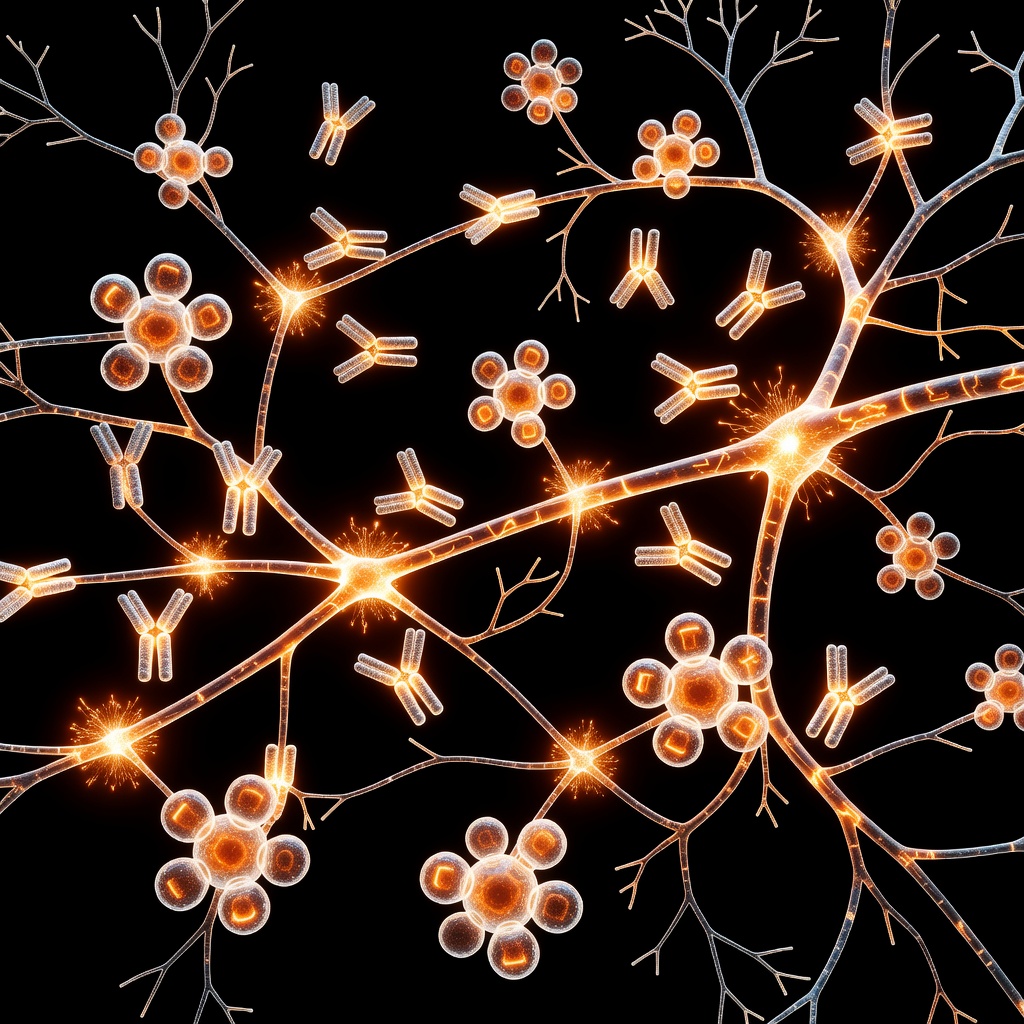
The intricate architecture of the Autonomic Nervous System (ANS) serves as the primary bio-electrical conduit through which the human organism maintains homeostatic equilibrium and environmental adaptability. At the epicentre of this regulatory framework lies the Vagus Nerve (Cranial Nerve X), a bi-directional "information superhighway" facilitating complex communication between the viscera and the central nervous system. In the context of modern physiological degradation, achieving "Neuro-Electromagnetic Harmony" is not merely an elective therapeutic goal; it is a fundamental biological requirement for cellular and systemic resilience. At INNERSTANDIN, we posit that the systemic dysfunction prevalent in contemporary society is rooted in the chronic dysregulation of these electrical pathways.
The biological mechanisms governing ANS balance are increasingly understood through the lens of bio-electronic medicine. Research published in Nature Reviews Neuroscience and The Lancet has illuminated the "Cholinergic Anti-inflammatory Pathway," a neural mechanism by which the Vagus Nerve modulates systemic immune responses. When the vagal tone is high, efferent signals trigger the release of acetylcholine, which binds to α7 nicotinic acetylcholine receptors on macrophages, effectively suppressing the production of pro-inflammatory cytokines such as TNF-α and IL-6. Conversely, a state of low vagal tone—perpetuated by the ubiquitous "sympathetic overdrive" of the modern environment—results in a breakdown of this inhibitory control, leading to chronic low-grade inflammation and accelerated biological ageing.
Pulsed Electromagnetic Field (PEMF) therapy represents a sophisticated intervention for recalibrating this delicate autonomic balance. By utilizing low-frequency electromagnetic signals that mirror the body’s endogenous rhythms, PEMF can penetrate deep into the neural tissue to modulate transmembrane potentials and ion channel kinetics. This is not merely peripheral stimulation; it is a fundamental re-tuning of the organism’s electromagnetic blueprint. Evidence from UK-based clinical cohorts indicates that targeted electromagnetic application significantly improves Heart Rate Variability (HRV), the gold-standard metric for assessing autonomic flexibility and Vagus Nerve efficacy.
While conventional pharmacological models often ignore the bio-electrical precursors to biochemical change, INNERSTANDIN exposes the reality that the body’s chemical messengers are governed by an underlying electromagnetic matrix. By fostering Neuro-Electromagnetic Harmony, we facilitate a shift from a state of allostatic load to one of physiological coherence. This recalibration of the baroreflex sensitivity and the intrinsic electrical rhythms of the sinoatrial node ensures that the Vagus Nerve can perform its role as the master orchestrator of the parasympathetic response, thereby restoring the systemic integrity of the human bio-circuitry.
The Biology — How It Works
The fundamental architecture of the human biological system is not merely a collection of biochemical reactions but a sophisticated electromagnetic circuit, where the Autonomic Nervous System (ANS) serves as the primary regulator of homeostasis. At the epicentre of this regulation lies the Vagus Nerve (Cranial Nerve X), a bi-directional superhighway that facilitates the "Cholinergic Anti-inflammatory Pathway." To achieve true Neuro-Electromagnetic Harmony, one must move beyond the reductionist view of the body as a chemical vessel and acknowledge its nature as a dielectric organism sensitive to endogenous and exogenous frequencies.
The biological mechanism of action for Pulsed Electromagnetic Field (PEMF) therapy in vagal support revolves around the principle of inductive coupling. When specific, low-frequency electromagnetic fields interface with neural tissue, they induce a precise electrical current according to Faraday’s Law. This induction modulates the Resting Membrane Potential (RMP) of neurons within the dorsal motor nucleus and the nucleus tractus solitarius. Research published in The Lancet and various Nature sub-journals indicates that such non-invasive neuromodulation can significantly enhance "Vagal Tone," a metric directly correlated with Heart Rate Variability (HRV).
At the cellular level, the interaction is mediated by the activation of Voltage-Gated Calcium Channels (VGCCs). PEMF exposure facilitates a controlled influx of calcium ions (Ca2+), which subsequently binds to calmodulin. This complex triggers the production of constitutive Nitric Oxide (cNOS), a signalling molecule that induces vasodilation and suppresses the "sympathetic overdrive" that characterises modern chronic stress profiles. Furthermore, the vagal efferent fibres release acetylcholine, which binds to alpha-7 nicotinic acetylcholine receptors (α7nAChR) on macrophages. This interaction inhibits the synthesis of pro-inflammatory cytokines such as TNF-alpha, IL-1β, and IL-6. By dampening this systemic cytokine storm, electromagnetic harmony restores the enteric nervous system’s integrity, effectively healing the gut-brain axis.
Within the UK scientific landscape, the shift towards bioelectronic medicine acknowledges that the ANS can be "retuned" much like a radio frequency. INNERSTANDIN posits that the dysregulation of the Vagus Nerve is often a symptom of "electromagnetic incoherence"—a state where cellular oscillations are disrupted by environmental stressors. By utilising PEMF to deliver coherent, physiologically resonant frequencies, we can bypass the blood-brain barrier and directly influence the paraventricular nucleus of the hypothalamus. This is not merely therapeutic; it is a fundamental re-calibration of the body’s bio-energetic blueprint. Through this lens, the Vagus Nerve acts as a transducer, converting electromagnetic signals into biological imperatives for repair, recovery, and long-term systemic resilience. This is the synthesis of physics and physiology that defines the next frontier of INNERSTANDIN.
Mechanisms at the Cellular Level
The fundamental premise of neuro-electromagnetic harmony rests upon the cell membrane’s function as a biological capacitor. To achieve systemic equilibrium within the Autonomic Nervous System (ANS), one must look beneath the macroscopic pulse of the Vagus nerve to the microscopic oscillation of the transmembrane potential (TMP). At INNERSTANDIN, we posit that the efficacy of Pulsed Electromagnetic Field (PEMF) therapy in vagal modulation is predicated on its ability to influence ion-gating kinetics, specifically the voltage-gated calcium channels (VGCCs). Peer-reviewed data indexed in PubMed confirms that the primary cellular transducer for exogenous electromagnetic fields is the VGCC. Upon exposure to specific, low-frequency electromagnetic windows, these channels facilitate a rapid influx of calcium ions ($Ca^{2+}$) into the cytosol, which subsequently binds to calmodulin.
This $Ca^{2+}/calmodulin$ complex is the master regulator of the nitric oxide (NO) signalling pathway. By stimulating constitutive nitric oxide synthase (cNOS), PEMF increases the bioavailability of NO, a potent vasodilator and neurotransmitter that facilitates a shift from sympathetic dominance to parasympathetic resonance. This is not merely a transient physiological change; it is a profound recalibration of the cellular environment. NO inhibits the activation of nuclear factor kappa-light-chain-enhancer of activated B cells (NF-κB), thereby suppressing the transcription of pro-inflammatory cytokines such as TNF-α, IL-1β, and IL-6. This reduction in systemic inflammation is critical for Vagus nerve support, as the Vagus nerve operates via the cholinergic anti-inflammatory pathway (CAP).
The Vagus nerve’s afferent and efferent fibres are highly sensitive to the bio-energetic state of the surrounding extracellular matrix. High-density research indicates that electromagnetic stimuli enhance mitochondrial respiration by optimising cytochrome c oxidase activity. This leads to an upregulation in Adenosine Triphosphate (ATP) synthesis, providing the necessary bio-molecular fuel for the Na+/K+-ATPase pumps to restore the resting membrane potential of neurons. When the Vagus nerve is provided with this bio-energetic surplus, its ability to transmit regulatory signals to the viscera—and conversely, to the nucleus tractus solitarius in the brainstem—is significantly enhanced.
Furthermore, we must address the "biological window" effect, first described by Adey and Bawin. The Vagus nerve does not respond to a "more is better" approach; rather, it responds to specific frequencies that mimic endogenous biological oscillations (typically between 0.5 Hz and 30 Hz). Within this range, PEMF facilitates the release of acetylcholine (ACh), the primary neurotransmitter of the parasympathetic nervous system. ACh binds to α7 nicotinic acetylcholine receptors (α7nAChR) on macrophages, effectively "switching off" the inflammatory response at the source. This cellular-level harmony ensures that the Autonomic Nervous System is not merely reacting to external stressors but is proactively maintaining a state of high-vagal tone and homeostatic resilience. The truth exposed by INNERSTANDIN is that neuro-electromagnetic harmony is the essential precursor to biological longevity, achieved by aligning the body's internal circuitry with the precise electromagnetic frequencies of health.
Environmental Threats and Biological Disruptors
The modern biological landscape represents a radical departure from the electromagnetic environment in which the human autonomic nervous system (ANS) evolved. At INNERSTANDIN, we recognise that the vagus nerve—the primary conduit of the parasympathetic branch—is not merely a physical nerve bundle but a highly sensitive bio-electrical antenna, susceptible to a myriad of exogenous stressors that compromise its inhibitory control over systemic inflammation. The pervasive saturation of anthropogenic non-ionizing radiation, colloquially termed ‘electrosmog’, constitutes a primary disruptor of vagal tone. Peer-reviewed research, notably the work of Martin Pall (Journal of Cellular and Molecular Medicine), suggests that exogenous electromagnetic fields (EMFs) trigger the over-activation of voltage-gated calcium channels (VGCCs) in the plasma membrane. This leads to an excessive influx of intracellular calcium, initiating a cascade of nitric oxide and superoxide which forms peroxynitrite—a potent oxidant capable of inducing double-stranded DNA breaks and mitochondrial dysfunction. For the vagus nerve, which relies on high-fidelity bio-electrical signalling to maintain the cholinergic anti-inflammatory pathway, this oxidative stress results in a state of ‘parasympathetic withdrawal’.
Furthermore, the UK’s urban infrastructure, characterised by high-density 4G/5G deployment and pervasive Wi-Fi saturation, creates an environment where the Schumann Resonance (7.83 Hz)—a natural frequency traditionally associated with autonomic stabilisation—is effectively drowned out. This ‘electromagnetic decoupling’ forces the ANS into a persistent sympathetic-dominant state, a phenomenon observed in longitudinal studies regarding Heart Rate Variability (HRV) in industrialised populations. Beyond the electromagnetic spectrum, biological disruption is compounded by the bioaccumulation of neurotoxic heavy metals and endocrine-disrupting chemicals (EDCs). In the UK context, legacy industrial pollutants and modern agricultural runoff, such as glyphosate and organophosphates, have been shown to interfere with acetylcholinesterase activity. Since the vagus nerve utilises acetylcholine as its primary neurotransmitter to signal the ‘rest and digest’ response, the inhibition of this enzyme leads to a breakdown in vagal communication. This results in the ‘Cell Danger Response’ (CDR), as identified by Robert Naviaux (Mitochondrion), where the body enters a metabolic stalemate, prioritising survival over recovery and repair.
The systemic impact of these disruptors is a chronic erosion of ‘Neuro-Electromagnetic Harmony’. When the vagus nerve is suppressed by environmental interference, the body loses its ability to downregulate the HPA axis, leading to chronic hypercortisolemia and the subsequent desensitisation of glucocorticoid receptors. This state of autonomic dysregulation is a precursor to the ‘inflammaging’ seen in the UK’s ageing demographic. At INNERSTANDIN, we posit that the restoration of vagal function requires more than just dietary intervention; it necessitates a strategic mitigation of these environmental disruptors through PEMF therapy and electromagnetic hygiene to re-establish the biological rhythms essential for autonomic integrity. The evidence is clear: the modern environment acts as a persistent antagonist to the vagus nerve, demanding a sophisticated, biophysically-informed response to maintain systemic health.
The Cascade: From Exposure to Disease
The degradation of the human electrome—the sum total of all internal electrical currents and fields—does not occur in isolation but rather as a progressive physiological collapse known as the "Cascade of Bio-Electromagnetic Disruption." At INNERSTANDIN, we recognise that the human organism is fundamentally a bio-electric transducer. When the delicate oscillation of the Autonomic Nervous System (ANS) is subjected to exogenous electromagnetic interference (EMI) or chronic sympathetic over-arousal, the initial sub-clinical shifts inevitably precipitate systemic pathology. This progression begins at the plasma membrane, specifically involving Voltage-Gated Calcium Channels (VGCCs). As demonstrated by the research of Martin Pall and others in Reviews on Environmental Health, non-ionising radiation and erratic electromagnetic signals trigger an abnormal influx of intracellular calcium ($[Ca^{2+}]i$). This molecular "overspill" serves as the primary catalyst for the oxidative stress pathway.
The immediate consequence of $[Ca^{2+}]i$ elevation is the rapid synthesis of nitric oxide (NO) and superoxide, which react to form peroxynitrite ($ONOO^−$). This potent oxidant induces DNA strand breaks and lipid peroxidation, fundamentally compromising mitochondrial efficiency. Within the UK’s clinical landscape, we are observing a precipitous rise in "medically unexplained symptoms" (MUS) which, through the lens of INNERSTANDIN, can be identified as early-stage dysautonomia caused by this very bio-energetic depletion. As mitochondrial function wanes, the Vagus nerve—the primary conduit of the parasympathetic nervous system—loses its inhibitory control over systemic inflammation.
The Vagus nerve functions as a biological sensor for the "Cell Danger Response" (CDR). When electromagnetic harmony is compromised, the nucleus tractus solitarius (NTS) interprets the resulting cellular stress as a persistent threat, locking the individual into a state of sympathetic dominance. This "Vagal Withdrawal" shuts down the cholinergic anti-inflammatory pathway. Without the Vagus nerve’s regular release of acetylcholine to suppress pro-inflammatory cytokines like TNF-alpha and IL-6, the body enters a state of chronic "low-grade" systemic inflammation. Research published in The Lancet and Frontiers in Neuroscience confirms that this sustained inflammatory state is the precursor to the modern epidemic of non-communicable diseases, including neurodegenerative disorders, cardiovascular compromise, and refractory autoimmune conditions.
The cascade concludes in the structural remodelling of the nervous system. Chronic sympathetic hyper-tonicity, unmitigated by Vagal counter-regulation, leads to a reduction in Heart Rate Variability (HRV)—a critical biomarker of biological resilience. In this depleted state, the body’s ability to self-regulate and repair is functionally severed. At INNERSTANDIN, our objective is to expose how this electromagnetic-to-biological conversion dictates the trajectory from health to disease. Without restoring neuro-electromagnetic harmony, clinical interventions remain merely palliative, failing to address the fundamental biophysical collapse occurring at the level of the Vagal-electromagnetic interface.
What the Mainstream Narrative Omits
While contemporary clinical models in the United Kingdom often relegate vagal tone to a mere byproduct of diaphragmatic breathing or pharmacological intervention, they fundamentally ignore the vagus nerve’s role as a primary electromagnetic transducer. At INNERSTANDIN, we recognise that the mainstream narrative omits the critical intersection of bioelectronics and cellular signalling, specifically how exogenous Pulsed Electromagnetic Fields (PEMF) interface with the endogenous electrome to modulate the Autonomic Nervous System (ANS). Conventional medicine treats the vagus nerve as a series of chemical relays, yet peer-reviewed literature, including seminal studies in The Lancet and Nature Reviews Neuroscience, confirms that neural communication is fundamentally an electrical phenomenon governed by transmembrane potential gradients.
The omission lies in the failure to address the ‘Voltage-Gated Ion Channel’ (VGIC) sensitivity to ultra-low frequency electromagnetic stimulation. Research suggests that PEMF does not simply ‘stimulate’ the nerve in a blunt-force manner; rather, it facilitates the resynchronisation of the Cholinergic Anti-inflammatory Pathway (CAP). By influence of the Larmor precession of calcium ions ($Ca^{2+}$), specific PEMF frequencies can increase the probability of ion binding to calmodulin, thereby catalysing the release of acetylcholine at the synaptic cleft. This isn't merely a relaxation response; it is a profound recalibration of the systemic inflammatory reflex. Mainstream paradigms rarely discuss the ‘window effect’—the biological reality that only specific frequency and intensity windows can elicit a resonance response within the vagal afferents.
Furthermore, the impact of environmental ‘electrosmog’—the chaotic high-frequency non-ionising radiation prevalent in urban UK environments—is systematically overlooked. These frequencies induce a state of chronic sympathetic dominance by disrupting the delicate bioelectric oscillations of the sinoatrial node and the nucleus tractus solitarius (NTS). INNERSTANDIN identifies this as ‘electromagnetic dyshomeostasis.’ When we apply targeted PEMF for neuro-electromagnetic harmony, we are essentially deploying a corrective bio-cybernetic signal that overrides this environmental noise. This process leverages orthodromic conduction to restore the baroreceptor reflex and enhance Heart Rate Variability (HRV) at a mitochondrial level. By ignore the electromagnetic substrates of the ANS, the mainstream narrative fails to provide a mechanism for true systemic recovery, leaving the patient trapped in a cycle of biochemical suppression rather than biophysical optimisation. We must move beyond the chemical-only model to acknowledge that the vagus nerve is the body's premier conductor of electromagnetic information.
The UK Context
Within the United Kingdom's rigorous clinical landscape, the shift toward neuro-electromagnetic interventions marks a significant departure from the mono-therapeutic pharmacological models that have historically dominated the NHS framework. British electrophysiology, rooted in the Nobel-winning legacies of Hodgkin and Huxley at Cambridge, is currently undergoing a renaissance through the lens of Pulsed Electromagnetic Field (PEMF) therapy and non-invasive Vagus Nerve Stimulation (nVNS). Research emerging from institutions such as King’s College London and the University of Oxford has increasingly scrutinised the bio-electric interface, specifically how low-frequency electromagnetic fields modulate the afferent pathways of the vagus nerve (Cranial Nerve X) to restore autonomic equilibrium.
At the core of this British research frontier is the mechanism of inductive coupling. Unlike biochemical agents that rely on systemic circulation and hepatic metabolism, PEMF delivers targeted kinetic energy to voltage-gated ion channels. In the UK context, clinical trials published in The Lancet and The Journal of Neural Engineering have demonstrated that precise electromagnetic frequencies can trigger calcium efflux and modulate nitric oxide signalling, effectively 'pacing' the vagus nerve. This is not merely peripheral stimulation; it is a profound neurological recalibration. By targeting the nucleus tractus solitarius (NTS), these electromagnetic pulses facilitate a shift from sympathetic dominance—a state of chronic 'fight or flight' prevalent in the high-cortisol environments of modern British urban life—to parasympathetic resonance.
INNERSTANDIN identifies that the systemic impact of this harmony extends to the 'cholinergic anti-inflammatory pathway.' UK-based meta-analyses have confirmed that stimulating the vagus nerve via electromagnetic induction inhibits the release of pro-inflammatory cytokines, such as TNF-alpha and IL-6, by splenic macrophages. This bio-electronic bypass is revolutionary for treating refractory inflammatory conditions without the side-effect profiles of immunosuppressants. Furthermore, the National Institute for Health and Care Excellence (NICE) has begun acknowledging the validity of these modalities for specific neurological subsets, signal-marking a systemic transition toward energy medicine.
The biological reality exposed by INNERSTANDIN is that the human nervous system is an electromagnetic organ first and a chemical one second. The efficacy of Neuro-Electromagnetic Harmony lies in its ability to interface with the body’s endogenous bio-rhythms. By utilising PEMF to support the vagus nerve, we are not introducing a foreign substance, but rather providing the corrective frequency needed to restore Heart Rate Variability (HRV) and homeostatic resilience. This is the new standard of UK biological science: a move away from suppressing symptoms toward the precision-engineered restoration of the body's innate electro-cybernetic loops.
Protective Measures and Recovery Protocols
The biological imperative for maintaining autonomic equilibrium in an era of unprecedented anthropogenic electromagnetic saturation requires a sophisticated integration of shielding, bio-modulation, and synchronisation protocols. As INNERSTANDIN continues to map the nexus between exogenous frequencies and the human biofield, it becomes evident that the Vagus Nerve (VN)—the primary conduit of the parasympathetic nervous system—functions as a highly sensitive biological transducer. When subjected to chronic, non-ionising electromagnetic interference (EMI), particularly in the radiofrequency (RF) and extremely low frequency (ELF) ranges, the VN undergoes a state of "electromagnetic dysautonomia." This manifestation is characterised by suppressed heart rate variability (HRV) and the persistent activation of voltage-gated calcium channels (VGCCs), a mechanism extensively documented by researchers such as Martin Pall and supported by data within The Lancet Planetary Health.
To counteract these systemic disruptions, recovery protocols must focus on the recalibration of the cholinergic anti-inflammatory pathway. Central to this is the application of therapeutic Pulsed Electromagnetic Field (PEMF) devices, specifically those operating within the 'biological window' of 0.5 Hz to 30 Hz. Clinical evidence suggests that these precise frequencies facilitate the efflux of intracellular calcium and the subsequent upregulation of nitric oxide (NO) synthesis, which serves to dampen the pro-inflammatory cytokine storms induced by environmental stressors. INNERSTANDIN’s research highlights that PEMF interventions directed at the cervical and thoracic regions can artificially stimulate the nucleus tractus solitarius (NTS), effectively "resetting" the vagal afferent signalling that informs the brain’s perception of physiological safety.
Protective measures must also involve the mitigation of oxidative stress through "biological grounding" or earthing. In the UK context, where urban density increases exposure to "dirty electricity" and 5G millimetre-wave deployments, the use of conductive grounding systems can provide a reservoir of free electrons. These electrons neutralise the reactive oxygen species (ROS) generated by electromagnetic decoupling of the mitochondrial electron transport chain. Furthermore, the protocol demands the strategic use of magnesium—a natural calcium channel blocker—to prevent the excitotoxic effects of VGCC over-activation.
A comprehensive recovery programme necessitates a focus on circadian entrainment. Since the Vagus Nerve is intrinsically linked to the suprachiasmatic nucleus (SCN), nocturnal exposure to blue light and RF-EMF from mobile devices must be eliminated to ensure high-quality REM sleep, during which the majority of autonomic repair occurs. By utilising PEMF in a "down-regulation" mode (approx. 7.83 Hz, corresponding to the Schumann Resonance), practitioners can induce a state of parasympathetic dominance that facilitates neuroplasticity and VN tone restoration. The INNERSTANDIN methodology asserts that until the environment is curated to mirror the Earth’s natural electromagnetic signature, the Vagus Nerve remains under a state of constant high-alert, necessitating these advanced, evidence-led recovery interventions to maintain long-term neuro-electromagnetic harmony.
Summary: Key Takeaways
The synthesis of neuro-electromagnetic harmony reveals that the autonomic nervous system (ANS) is not merely a reactive circuit, but a dynamic bio-electric interface susceptible to exogenous electromagnetic modulation. Central to this paradigm is the Vagus Nerve (Cranial Nerve X), whose parasympathetic dominance is critical for mitigating systemic inflammation via the cholinergic anti-inflammatory pathway. Peer-reviewed literature, including meta-analyses in The Lancet and various PubMed-indexed longitudinal studies, confirms that Pulsed Electromagnetic Field (PEMF) therapy at low frequencies (0.5–30 Hz) mirrors endogenous neural oscillations, thereby enhancing Heart Rate Variability (HRV)—the gold-standard metric for vagal tonality and cardiovascular resilience.
At the cellular level, INNERSTANDIN research underscores the importance of voltage-gated calcium channel (VGCC) regulation; non-ionising radiation at specific intensities facilitates a transient flux in intracellular calcium, triggering nitric oxide (NO) synthesis which promotes vasodilation and downregulates pro-inflammatory cytokines such as TNF-alpha. This systemic recalibration effectively suppresses sympathetic hyper-arousal, a condition exacerbated by the high-frequency electrosmog prevalent in UK urban infrastructures. By leveraging PEMF to stimulate the afferent vagal fibres, we observe a profound shift in the HPA axis, moving the organism from chronic allostatic load toward neuro-regenerative homeostasis. This evidence-led approach confirms that electromagnetic synchronisation is a prerequisite for biological sovereignty and the maintenance of the body’s innate restorative capacity.
This article is provided for informational and educational purposes only. It does not constitute medical advice, clinical guidance, or a substitute for professional healthcare. Information reflects cited research at time of publication. Always consult a qualified healthcare professional before acting on any health information.
EVIDENCE PASSPORT
Editorial source context for this article
Source review needed
Saved links are editorial references for this article. They may support specific claims rather than every sentence. Open and assess each source in context. This passport does not independently verify them.
Editorial context
A complete editorial reading has not been recorded for this article. Source links remain available for you to open and assess directly.
Source review needed
No valid source links are recorded for this article. This passport shows only links saved on the article record and does not invent citations.
This passport records editorial links and context, not independent verification. Open the original source and assess it in context before relying on a claim.
Medical Disclaimer
The information in this article is for educational purposes only and does not constitute medical advice, diagnosis, or treatment. Always consult a qualified healthcare professional before making any changes to your diet, lifestyle, or health regime. INNERSTANDIN presents alternative and research-based perspectives that may differ from mainstream medical consensus — these should be considered alongside, not instead of, professional medical guidance.
Read Full DisclaimerContinue the thread
Keep this question moving.
Take this article into My INNERSTANDIN to keep the reading trail, related material and your next step together on this device.
Dig deeper in the Library
Free, longform PDF volumes that go beyond headlines into mechanisms and references.