
Neuroendocrine Signaling and the Gut Microbiome in Chronic Rosacea Pathogenesis
Discuss this resourceUpdated August 2026
An in-depth exploration of how the bidirectional communication between the gut microbiome and the neuroendocrine system exacerbates chronic rosacea, shifting the focus from topical treatment to root-cause systemic health.
Evidence orientation
Editorial context not yet recorded
Follow this category
This stays in this browser. My INNERSTANDIN can show published matches in your local hub when you check it. It does not send email, push, or alert notifications.
Local learning review
A private browser aid for revisiting ideas. It is not an alert or a health recommendation.
Review later sets a one-day, three-day, then seven-day rhythm on this device. Choose it only when you want to revisit this article.
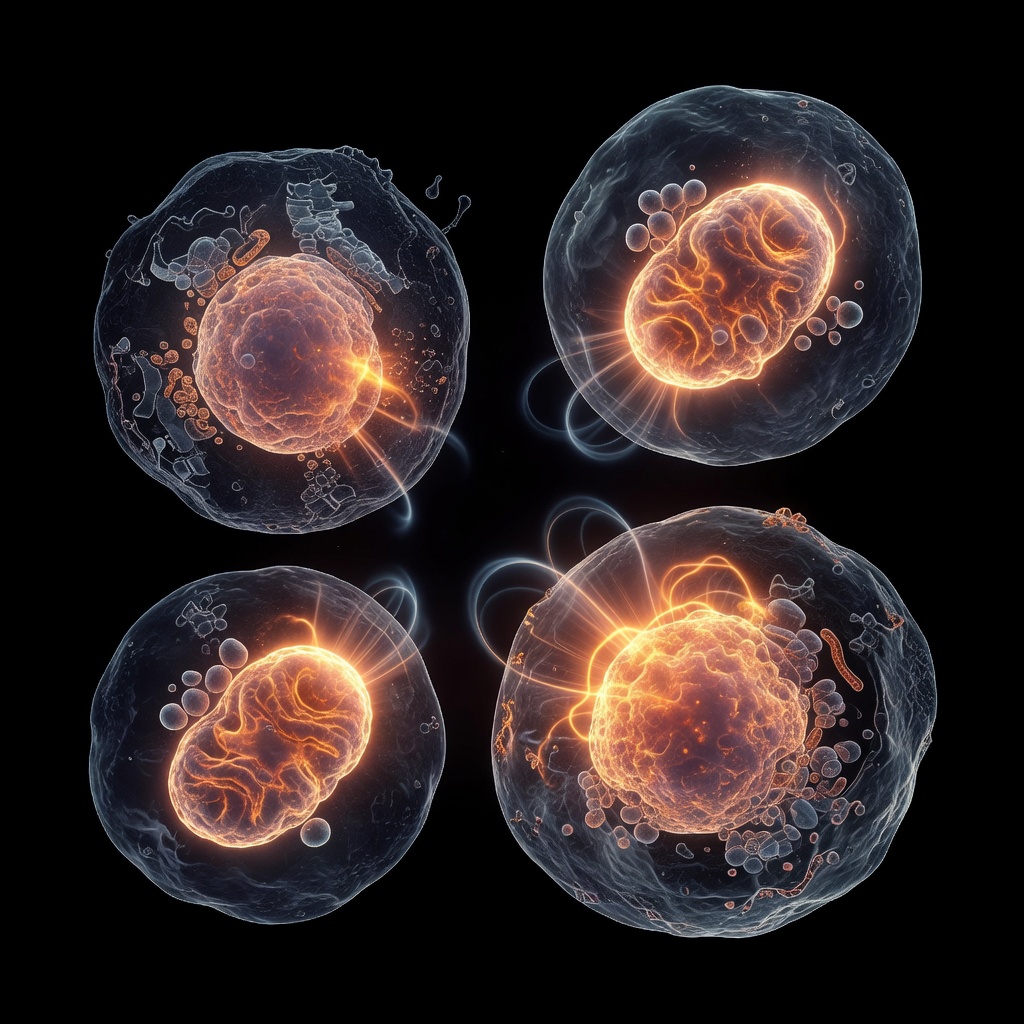
The Gut-Skin Axis and Rosacea
Chronic rosacea is frequently misunderstood as merely a dermatological issue. At INNERSTANDING, we categorize it as a manifestation of systemic dysregulation within the gut-skin axis. The pathogenesis of rosacea involves a complex interplay where the gut microbiome acts as a central mediator, modulating immune responses and neuroendocrine signaling.
The Microbiome-Neuroendocrine Connection
Research indicates that intestinal dysbiosis—an imbalance in the microbial landscape—triggers a cascade of inflammatory markers. When the gut barrier integrity is compromised, a phenomenon often termed 'leaky gut,' bacterial lipopolysaccharides (LPS) translocate into the bloodstream. This systemic inflammation activates the neuroendocrine system, specifically the Hypothalamic-Pituitary-Adrenal (HPA) axis.
Chronic activation of the HPA axis leads to elevated cortisol levels, which can suppress local cutaneous immunity and promote vasodilation. Furthermore, gut bacteria produce neuroactive metabolites, including serotonin and gamma-aminobutyric acid (GABA), which modulate the nervous system. An imbalance in these neurotransmitters can exacerbate the sensory perception of facial heat and flushing, hallmarks of rosacea.
The Role of Substance P and Neuropeptides
Beyond systemic inflammation, the gut microbiome influences the production of neuropeptides like Substance P. Substance P is released by nerve endings in the skin and is a potent mediator of neurogenic inflammation. Clinical studies suggest that gut dysbiosis promotes the release of Substance P, which directly stimulates mast cells in the dermis to degranulate, releasing histamine and cytokines that drive the characteristic redness and papules of rosacea.
Root-Cause Strategies for Management
To address rosacea at the root, we must move beyond topical metronidazole and antibiotics. Our clinical framework at INNERSTANDING emphasizes:
- Microbiome Rebalancing: Utilizing prebiotic fibers and targeted probiotics to repair intestinal barrier integrity.
- HPA Axis Regulation: Managing stress through adaptogenic support and nervous system regulation to dampen the neuroendocrine trigger for flushing.
- Nutritional Intervention: Eliminating gut irritants that stimulate proinflammatory cytokine cascades.
By treating the gut, we resolve the underlying signals of neuro-inflammation that are being projected onto the skin. The skin, in this context, is merely the final readout of an internal ecosystem in distress.
This article is provided for informational and educational purposes only. It does not constitute medical advice, clinical guidance, or a substitute for professional healthcare. Information reflects cited research at time of publication. Always consult a qualified healthcare professional before acting on any health information.
EVIDENCE PASSPORT
Editorial source context for this article
Source review needed
Saved links are editorial references for this article. They may support specific claims rather than every sentence. Open and assess each source in context. This passport does not independently verify them.
Editorial context
A complete editorial reading has not been recorded for this article, and no source links are saved on its record.
Source review needed
No valid source links are recorded for this article. Supplementary research, where available, is listed separately below.
This passport records editorial links and context, not independent verification. Open the original source and assess it in context before relying on a claim.
Medical Disclaimer
The information in this article is for educational purposes only and does not constitute medical advice, diagnosis, or treatment. Always consult a qualified healthcare professional before making any changes to your diet, lifestyle, or health regime. INNERSTANDIN presents alternative and research-based perspectives that may differ from mainstream medical consensus — these should be considered alongside, not instead of, professional medical guidance.
Read Full DisclaimerContinue the thread
Keep this question moving.
Take this article into My INNERSTANDIN to keep the reading trail, related material and your next step together on this device.
Explore this in the Body Map
Explore related body structures and their educational pages in the interactive Body Map.
Dig deeper in the Library
Free, longform PDF volumes that go beyond headlines into mechanisms and references.